Alright Gauls, grab your magic potion (or maybe just a comfy seat), because we're diving headfirst into a true animated gem from the continent: 1985's Astérix contre César (or Asterix Versus Caesar as many of us knew it on well-worn VHS tapes). Forget sleek CGI for a moment; this film hails from an era where vibrant hand-drawn animation reigned supreme, bringing the beloved world of René Goscinny and Albert Uderzo's indomitable Gauls to life with a particular European flair that always felt distinct and utterly charming.
### A Rescue Mission with Roman-Sized Stakes
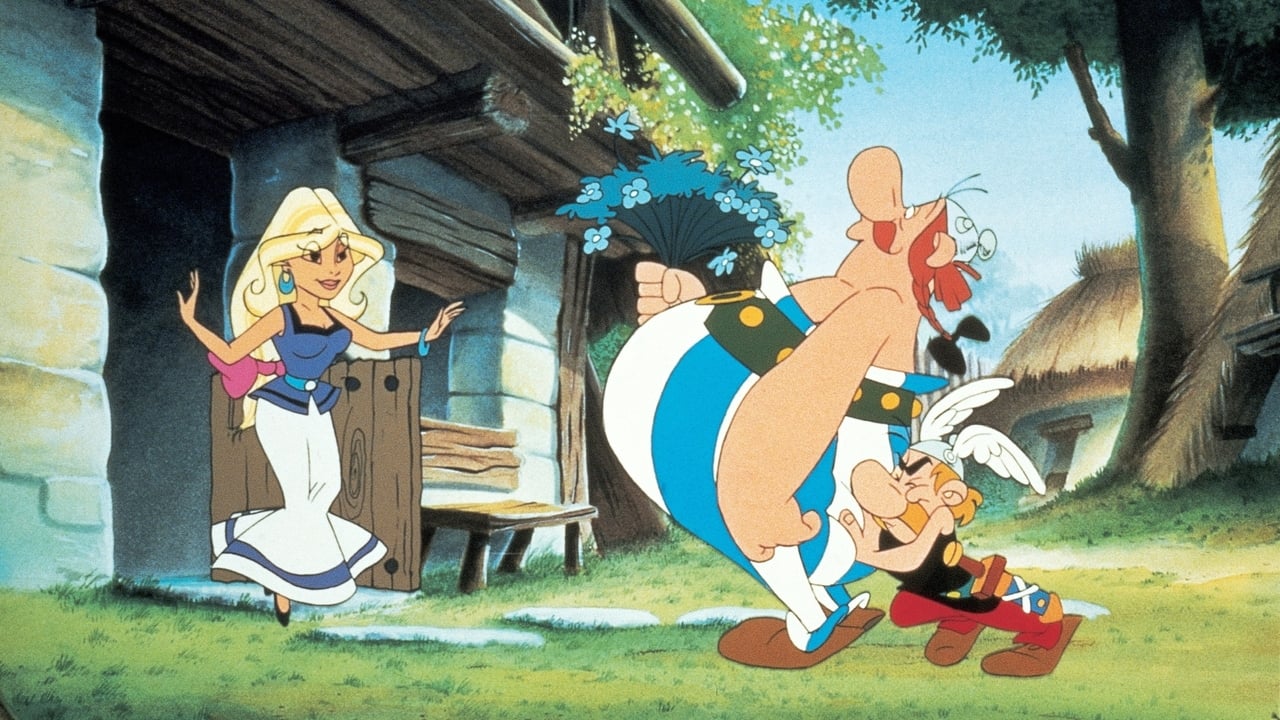
Unlike some earlier adaptations that stuck closely to a single comic album, Asterix Versus Caesar boldly weaves together elements from two classic adventures: Asterix the Gladiator and Asterix the Legionary. The plot kicks off with a surprisingly tender touch – the usually food-obsessed Obelix (Pierre Tornade giving his iconic booming performance) is utterly smitten with the beautiful Panacea, niece of village chief Vitalstatistix. Alas, she's engaged to the handsome Tragicomix. Before Obelix can fully process his heartbreak (cue comedic melancholy!), both Panacea and Tragicomix are snatched up by the Romans and shipped off to distant lands. Naturally, Asterix (Roger Carel, the definitive voice, embodying the Gaul's quick wit) and a determined Obelix (plus faithful Dogmatix!) embark on a rescue mission that takes them from Gaul, through basic training in the Roman Legion, all the way to the heart of the empire: Rome itself, and the dreaded Circus Maximus.
The blend works remarkably well, creating a grander, more epic scope than some previous entries. Directed by twins Paul and Gaëtan Brizzi, who would later lend their talents to sequences in Disney's Fantasia 2000 and The Hunchback of Notre Dame, the film feels ambitious. There's a sense of scale here, particularly in the bustling Roman cityscapes and the climactic scenes in the Colosseum, that feels like a step up for the animated series at the time.
### Voices That Defined a Generation (of French Kids, Mostly)
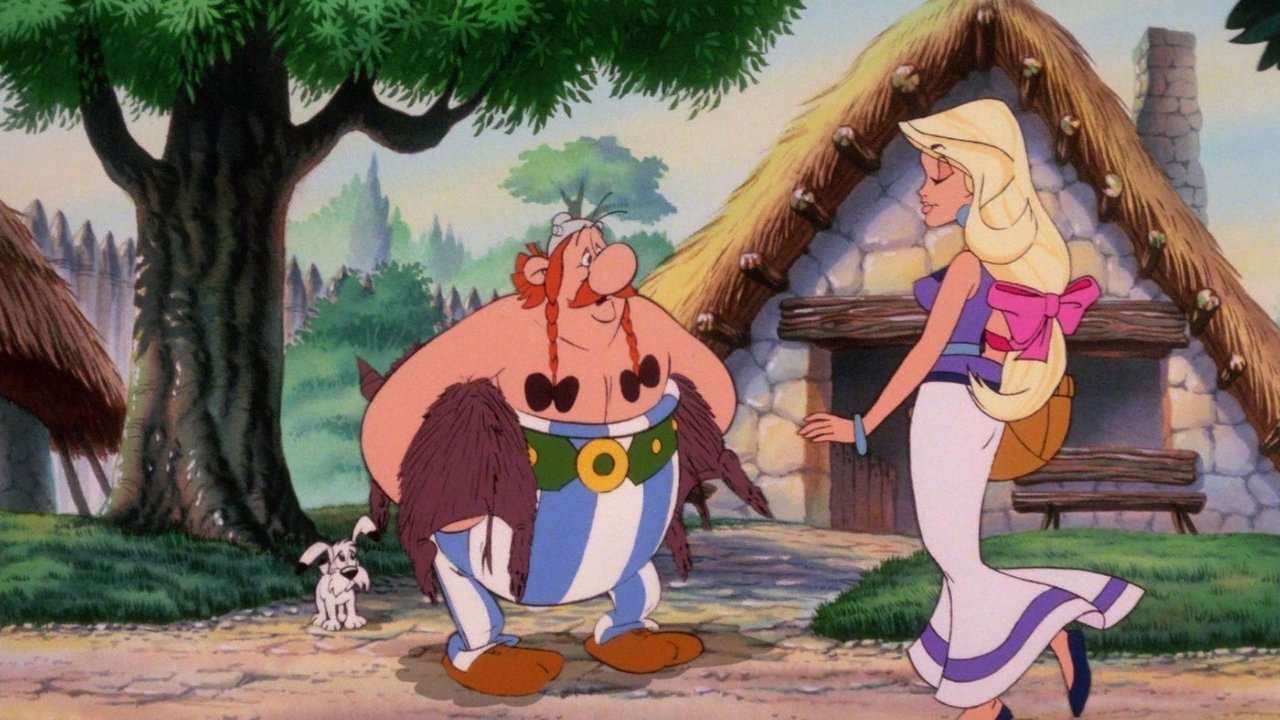
While many of us Anglophones experienced Asterix through dubbed versions of varying quality, it's impossible to discuss this film without acknowledging the legendary French voice cast. Roger Carel was Asterix for decades, his voice synonymous with the character's intelligence and slight exasperation. Similarly, Pierre Tornade's Obelix is the perfect blend of childlike innocence, brute strength, and unwavering loyalty (and hunger!). Hearing them is like revisiting old friends. Long-time Asterix collaborator Pierre Tchernia, who often narrated or wrote for the films, also co-wrote the screenplay here, ensuring that quintessential Goscinny/Uderzo wit remained intact.
Even if you watched a dubbed version back in the day – I distinctly remember renting this one from a local store with slightly mismatched voices – the visual storytelling and universal humor shine through. The slapstick involving the eternally incompetent Romans, the pirates' recurring bad luck, and Obelix's sheer destructive power are funny in any language.
### Animation with Gallic Charm
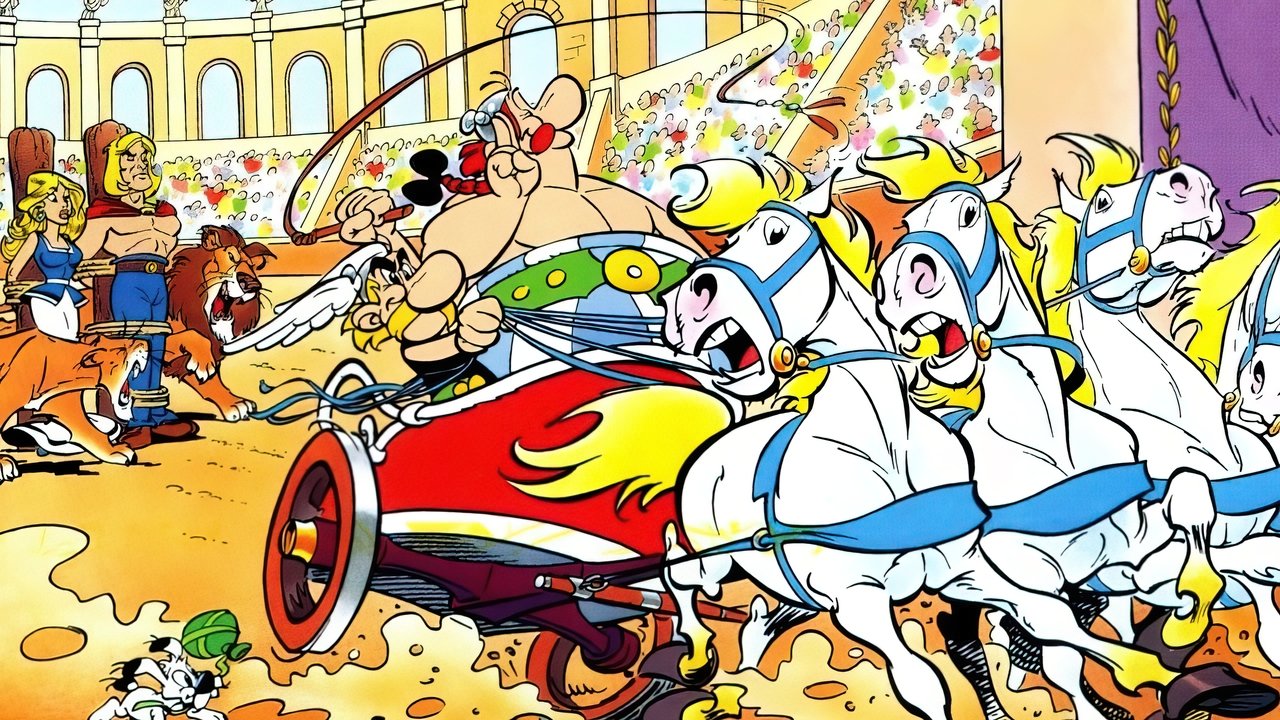
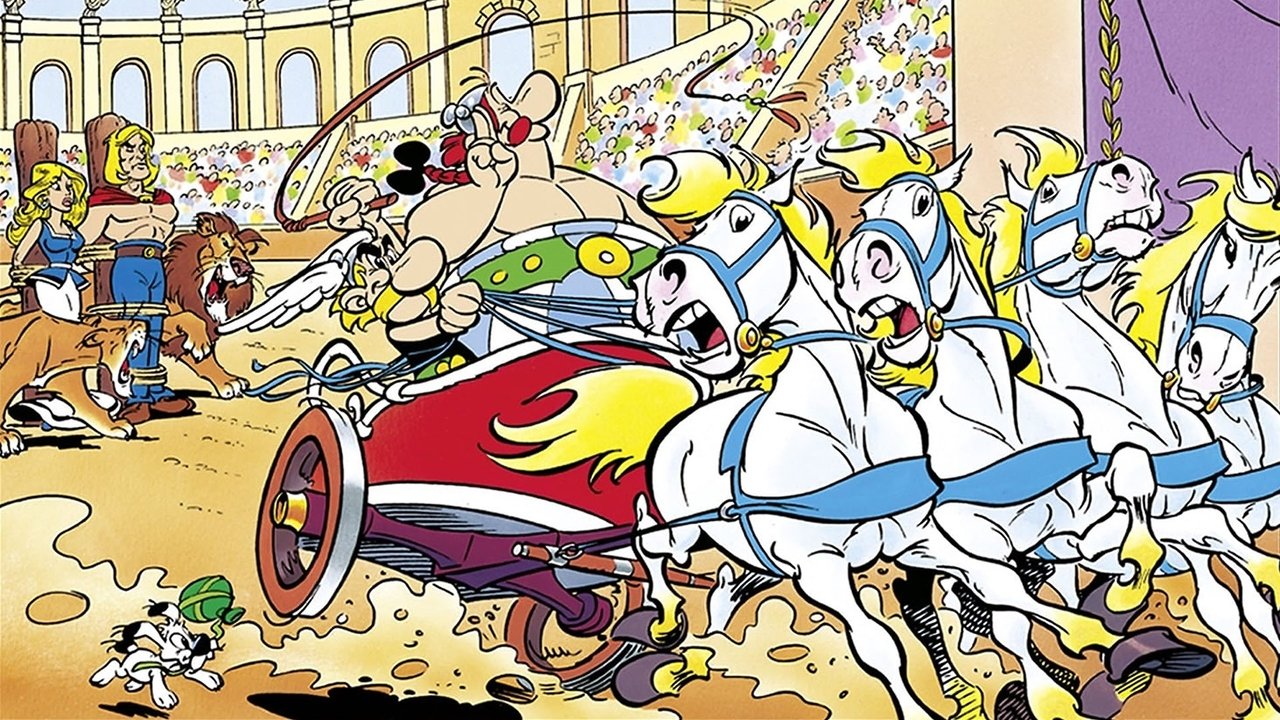
The Brizzi brothers brought a slightly more detailed and perhaps 'serious' animation style compared to some of the earlier, looser Dargaud productions. The character designs remain faithful to Uderzo's iconic drawings, but the backgrounds feel richer, the action sequences more dynamic. There's a weight and fluidity to the animation, especially during the Legion training sequences (Obelix's unique approach to discipline is a highlight) and the chaotic scenes in Rome. Remember, this was 1985 – painstaking hand-drawn animation was the norm, and the sheer effort involved in animating vast Roman crowds or thrilling chariot pursuits deserves appreciation. They managed to capture the energy and delightful anarchy of the comics perfectly.
Retro Fun Facts: It's fascinating how they merged two distinct stories. Asterix the Legionary provided the core plot of joining the army to find Tragicomix, while Asterix the Gladiator gave us the Roman Colosseum finale and the training of gladiators. Combining them required some clever scripting to make the narrative flow smoothly. The film was a significant success in France, continuing the reliable box office draw of the Asterix franchise, proving the Gauls' enduring popularity. While specific budget figures are hard to nail down, Asterix films were generally well-funded for European animation standards of the time, allowing for this level of quality.
### Still Standing Against the Empire?
Watching Asterix Versus Caesar today is like stepping into a warm bath of nostalgia. Yes, the animation might not have the polished sheen of modern productions, but it possesses a handcrafted charm and vibrancy that's immensely appealing. The humor, rooted in witty wordplay (even if some gets lost in translation), historical satire, and brilliant physical comedy, holds up remarkably well. The core appeal – the tiny village of underdogs constantly outsmarting the mighty Roman Empire thanks to brains, bravery, and a dash of magic potion – is timeless. It captures that sense of adventure and camaraderie that made the comics legendary.
Does it have flaws? Perhaps some pacing lulls for modern viewers, and the quality of English dubs varied wildly across VHS releases. But the spirit of Asterix – that blend of action, comedy, and historical whimsy – is undeniably present and potent. It's a film made with evident affection for the source material.

Rating: 8/10
This score reflects the film's success as a delightful and ambitious adaptation for its time. The Brizzi brothers' direction elevated the animation, the voice acting (especially the original French) is iconic, and the clever blending of two classic stories creates a truly epic-feeling adventure. It perfectly captures the fun, action, and humor of the source material, making it a standout entry in the animated Asterix canon and a cherished memory for anyone who discovered it on tape.
By Toutatis, it’s a reminder that sometimes, the most enjoyable adventures come in beautifully hand-drawn packages, straight from a little village in Gaul that still holds out against the invaders.