Alright, fellow tape travelers, slide this one into the VCR. Remember that satisfying clunk? Let's rewind to 1986 and a little gem called The Best of Times. Forget the explosive action for a moment; this one delivers its payload straight to the heart, wrapped in small-town melancholy and the desperate hope for a do-over. It kicks off not with a bang, but with a drop – the drop. Jack Dundee letting that perfect spiral slip through his fingers in the final seconds of the big game against Bakersfield, freezing his life, and maybe his whole town, in that one agonizing moment of failure.
Ghosts of the Gridiron
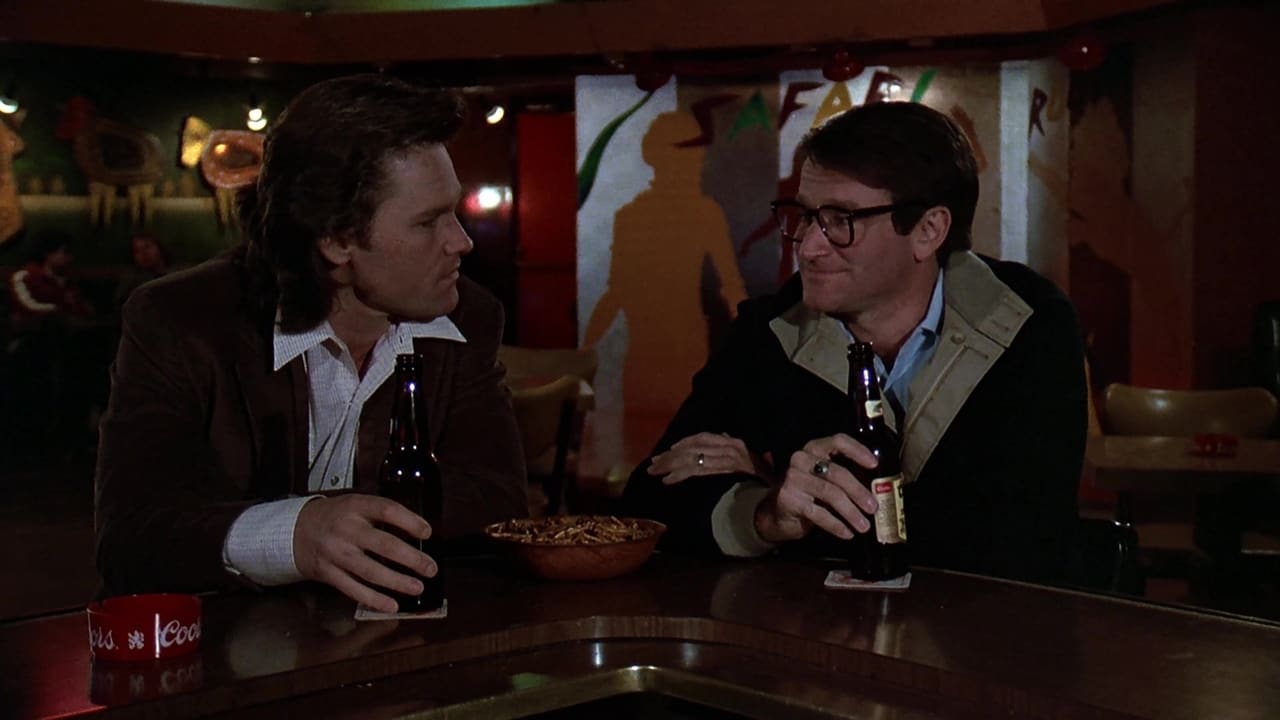
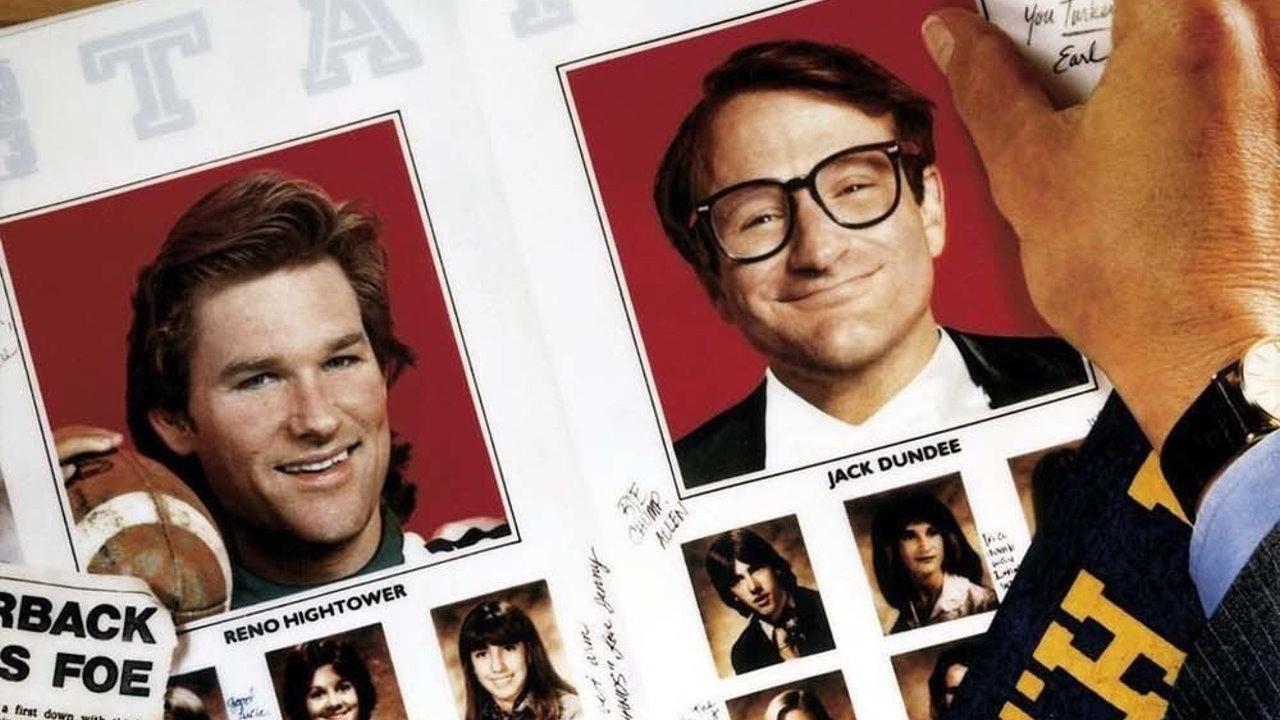
That single, replayed-in-his-mind fumble haunts Jack Dundee, played with a fascinating mix of manic energy and wounded vulnerability by the great Robin Williams. Jack’s now a middle-aged banker in Taft, California, a town seemingly fueled by oil derricks and memories of high school football glory. Specifically, the glory that almost was, embodied by his best friend and former star quarterback, Reno Hightower. And who better to play the effortlessly cool, slightly faded golden boy than Kurt Russell, fresh off blowing audiences away in things like Escape from New York and Big Trouble in Little China? Seeing these two icons together, playing dramatically different but equally stuck characters, is a huge part of the film's charm.
Jack becomes obsessed, utterly consumed by the idea of replaying that fateful 1972 game against powerhouse Bakersfield High. It’s a ludicrous notion, getting two teams of middle-aged men back together to settle a score from thirteen years prior. Williams absolutely nails Jack’s near-pathological drive, turning what could be a caricature into someone deeply, painfully relatable. We see the desperation behind the slightly mad schemes, the yearning to rewrite just one chapter of his life.
More Than Just Football
What elevates The Best of Times beyond a simple sports comedy is the sharp, observant script by Ron Shelton. Shelton, who famously drew from his own minor league baseball experiences for Bull Durham just two years later, clearly understood the psychodrama that simmers beneath small-town sports rivalries. This wasn't just pulled from thin air; Shelton reportedly based the story on a real-life insurance salesman who tried to organize a rematch of a high school game. The film isn't really about football; it's about regret, aging, the friendships that define us, and the question of whether you can ever truly go home again – or if you should even try.
Director Roger Spottiswoode, who had already shown versatility with films like the political thriller Under Fire and would later helm the Bond entry Tomorrow Never Dies, guides the film with a steady hand. He lets the character moments breathe, capturing the slightly dusty, lived-in feel of Taft. And let’s not forget the vital supporting cast, especially the wonderful Pamela Reed as Gigi, Reno's wife and Jack's former cheerleader flame. She’s the grounded counterpoint to Jack's obsessive fantasy, delivering some of the film's funniest and most poignant lines with pitch-perfect timing. Her exasperation with Jack's scheme feels completely genuine.
That Tangible 80s Grit
While there aren't car chases or fiery explosions here, the film has that physicality we loved in 80s movies. When they finally do get back on the field, the football action feels wonderfully raw and messy. No slick CGI enhancements here, folks. It’s just… guys in the mud. You feel the strain, the clumsy tackles, the sheer effort of bodies not quite as young as they used to be pushing themselves to the limit. Remember how real that kind of filmmaking felt back then? There's an authenticity to the struggle, mirroring the emotional battles the characters are fighting. The production reportedly cost around $13 million, and while it wasn't a massive box office smash (earning about $14 million), it clearly found its audience on home video – becoming one of those reliable rentals you’d see nestled on the shelf between bigger hits.
The film isn’t perfect. The pacing occasionally meanders, and some of the plot mechanics to get the game actually happening stretch credulity. But its sincerity overcomes these bumps. It taps into that universal feeling of "what if?" What if you could have that one moment back? Williams’ performance is key; even when Jack is being utterly unreasonable, you can’t help but root for him because his pain feels so real beneath the comedic surface. And Russell provides the perfect anchor, the guy who seemingly had it all but carries his own quiet burdens.
Final Score
The Best of Times might not have the flashy pyrotechnics of other 80s staples, but its emotional core is surprisingly potent. It's a character piece masquerading as a sports comedy, powered by fantastic lead performances and a script that understands the bittersweet nature of nostalgia and regret. It captures that specific feeling of being defined by your youth in a small town, for better or worse. It’s funny, it’s touching, and it feels wonderfully, authentically 80s.
Rating: 7.5 / 10
VHS Heaven Verdict: A heartfelt fumble recovery. It might not be the flashiest tape on the shelf, but for its blend of humor, pathos, and powerhouse performances from Williams and Russell, The Best of Times remains a truly rewarding watch, capturing the messy glory of dreaming for a second chance, even if it involves bruised egos and muddy uniforms. Definitely worth dusting off the tracking adjustment for.