Okay, rewind your minds with me. Picture this: it’s the early 90s, you’re wandering the aisles of the local video store, maybe Blockbuster, maybe that dusty independent place down the street. The fluorescent lights hum overhead. You scan the comedy section, past the usual suspects, and then you spot it – a cover featuring a frantic-looking Sally Field amidst soap opera chaos. You take a chance on Soapdish (1991), pop it in the VCR later that night, and discover an absolute riot, a backstage farce firing on all cylinders with a cast that’s almost too good to be true. If that wasn’t your experience, let me tell you what you missed – pure, unadulterated comedic gold.
### Welcome to the Shark Tank: "The Sun Also Sets"
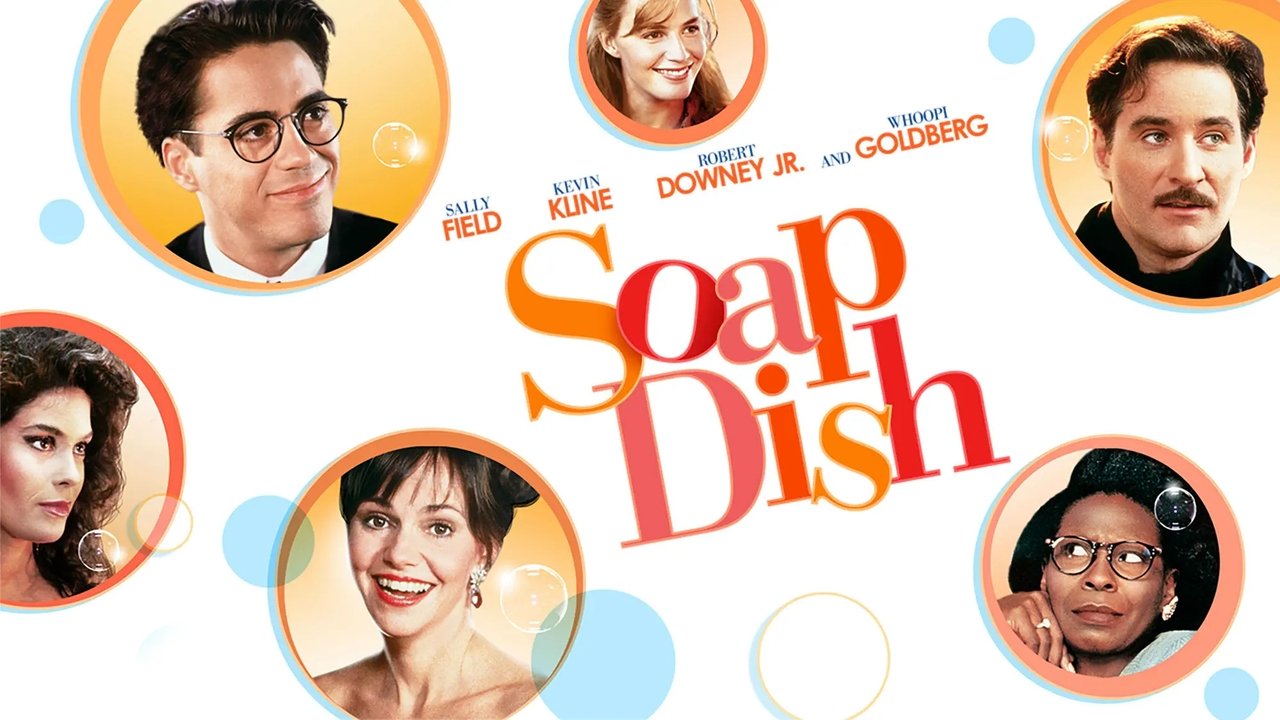
Soapdish throws us headfirst into the ludicrously high-drama, low-budget world of the long-running (and entirely fictional) daytime soap opera, "The Sun Also Sets." Our anchor in this sea of absurdity is Celeste Talbert (Sally Field), the reigning queen of the soap, adored by millions as "America's Sweetheart," but a bundle of neurotic insecurities behind the scenes. Field, who had just worked with writer Robert Harling on the much more emotionally draining Steel Magnolias (1989), dives headfirst into the comedic whirlwind here, proving her incredible range. Harling reportedly wrote the screenplay with Field specifically in mind, and you can feel that perfect fit in every frazzled reaction and diva demand. She is Celeste.
The plot kicks into high gear when ambitious co-star Montana Moorehead (Cathy Moriarty, radiating delicious villainy) conspires with slimy producer David Seton Barnes (a young, energetic Robert Downey Jr., already showing that spark) to dethrone Celeste. Their master plan? Bring back Celeste's former lover and co-star, Jeffrey Anderson (Kevin Kline), whom she had fired years ago, hoping the resulting emotional turmoil will push her over the edge. What they don't count on is just how spectacularly everything will spiral out of control.
### A Masterclass in Ensemble Comedy
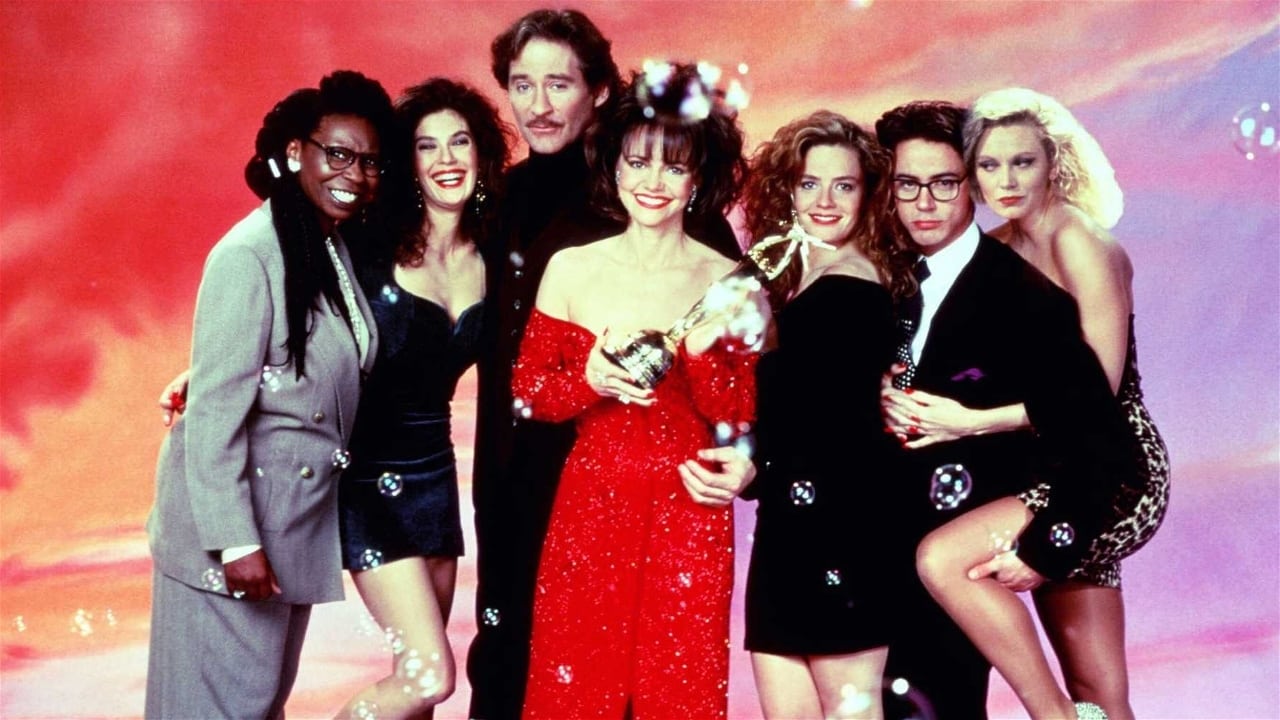
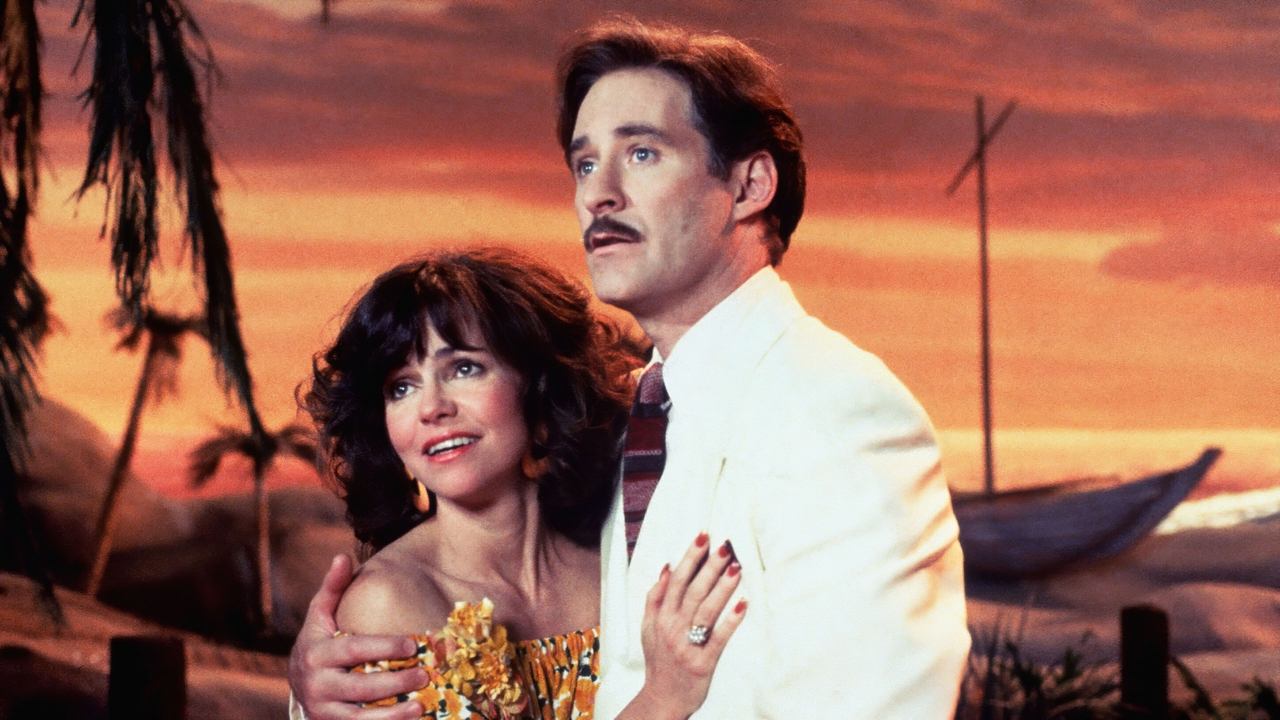
Honestly, the plot is almost secondary to the sheer joy of watching this cast bounce off each other. Kevin Kline is magnificent as Jeffrey, an actor whose ego barely fits in the room and whose dramatic pronouncements are hilariously overwrought. Remember his desperate attempt to perform Shakespeare at a dinner theatre in Florida? Pure comedic genius. Kline reportedly based Jeffrey on an amalgam of real-life soap actors, capturing that perfect blend of wounded pride and theatrical absurdity. You can almost smell the desperation and cheap cologne.
Then there’s Whoopi Goldberg as Rose Schwartz, Celeste's loyal head writer and confidante. Harling also wrote this part specifically for Goldberg, and she lands every single line with impeccable timing, acting as the slightly-more-sane center in this whirlwind of egos. Her exasperated reactions and sharp wit provide some of the film's biggest laughs. Adding to the chaos are Elisabeth Shue as Celeste's earnest (and secretly related) niece Lori, and Teri Hatcher in an early role as a conniving starlet. It’s a stacked deck, and director Michael Hoffman (who would later direct films like Restoration and The Last Station) keeps the pace frantic and the energy high, letting his incredible performers shine. The screenplay, co-written by Andrew Bergman (of The Freshman and Honeymoon in Vegas fame), crackles with witty dialogue and genuinely funny situations, perfectly skewering the tropes of the genre.

### Practical Laughs and Behind-the-Scenes Fizz
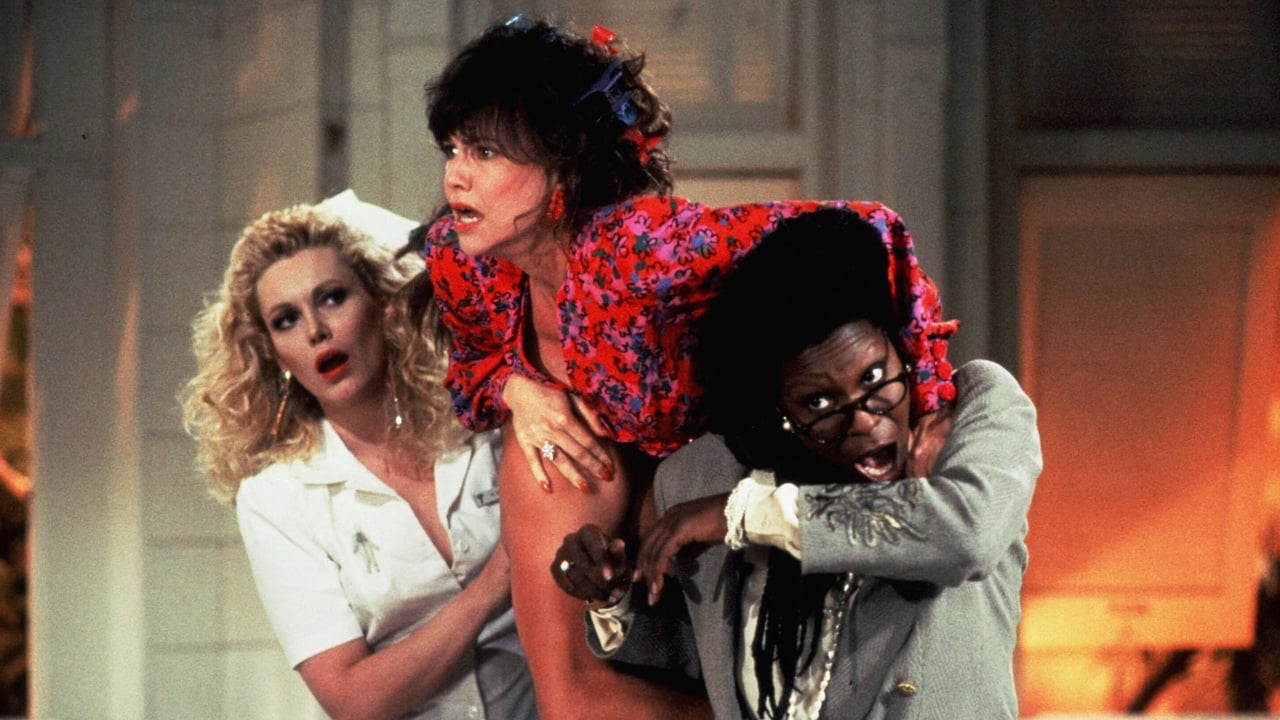
What makes Soapdish feel so alive, even now, is its reliance on pure performance and sharp writing rather than flashy effects. The comedy comes from the character interactions, the escalating absurdity of the plot twists (both on-screen in "The Sun Also Sets" and off-screen), and the physical comedy. Think of Celeste's increasingly desperate attempts to maintain composure, or Jeffrey's dramatic entrances – it’s all grounded in relatable (if heightened) human behaviour. This wasn't a CGI-fest; it was actors in rooms, delivering killer lines and reacting brilliantly.
A fun bit of retro trivia: the film's budget was around $23 million, and while it wasn't a massive blockbuster on release (grossing about $36 million domestically), it quickly found its audience on home video. VHS truly helped solidify its status as a beloved cult comedy. People discovered it, loved it, and passed the tape around. It became one of those "you gotta see this" rentals. Its witty take on the behind-the-scenes machinations of television felt fresh and knowing, like getting an insider’s peek, albeit a hysterically exaggerated one.
### More Than Suds?
Beyond the laughs, Soapdish offers a clever satire of celebrity culture, network politics, and the often-ludicrous nature of fame. Celeste’s desperate clinging to her "America's Sweetheart" image, Montana’s ruthless ambition, David’s cynical manipulations – it all feels remarkably relevant even today, perhaps even more so in our reality TV-saturated world. Yet, amidst the backstabbing and breakdowns, there's a surprising (and still funny) core of connection, particularly as the convoluted family secrets start to unravel. It manages to have its cake and eat it too – mocking the melodrama while delivering its own satisfyingly silly emotional payoffs.
Rating: 9/10
Why the high score? Because Soapdish is a near-perfect execution of ensemble farce. The cast is sublime, the script is razor-sharp, and the direction keeps the chaos bubbling without boiling over. It’s relentlessly funny, surprisingly clever, and captures a specific kind of early 90s comedic energy that feels both nostalgic and timeless. The performances alone make it required viewing, and the writing elevates it beyond simple parody. It just works, delivering consistent laughs from start to finish.
Soapdish remains a gloriously frothy, brilliantly acted backstage comedy that feels like uncovering a treasure on the video store shelf – sharp, hilarious, and proof that sometimes, the drama behind the camera is far more entertaining than what’s in front of it. Pop this one in when you need a reminder of how good ensemble comedy can be.