Alright, VHS Heaven explorers, let's dim the lights, maybe adjust the tracking just so, and slide a tape into the VCR that promises something a little… different. Tonight, we're venturing away from the usual car chases and explosions, deep into the hazy, sun-drenched world of 1986's Exploits of a Young Don Juan (or L'Iniziazione as it was known in its native Italy/France). This isn't your typical blockbuster rental, oh no. This is the kind of film you might have stumbled upon in the ‘Foreign’ or perhaps the ‘Adult Drama’ section, whispering promises of European sophistication and forbidden knowledge.
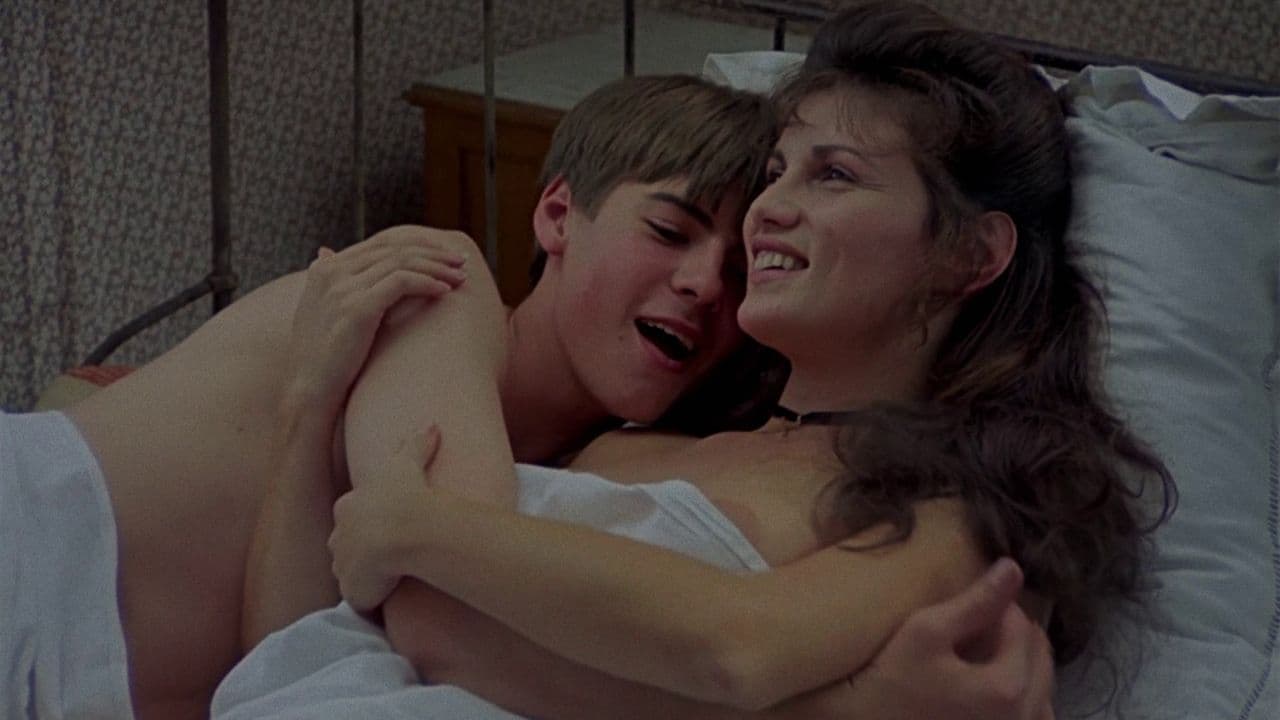
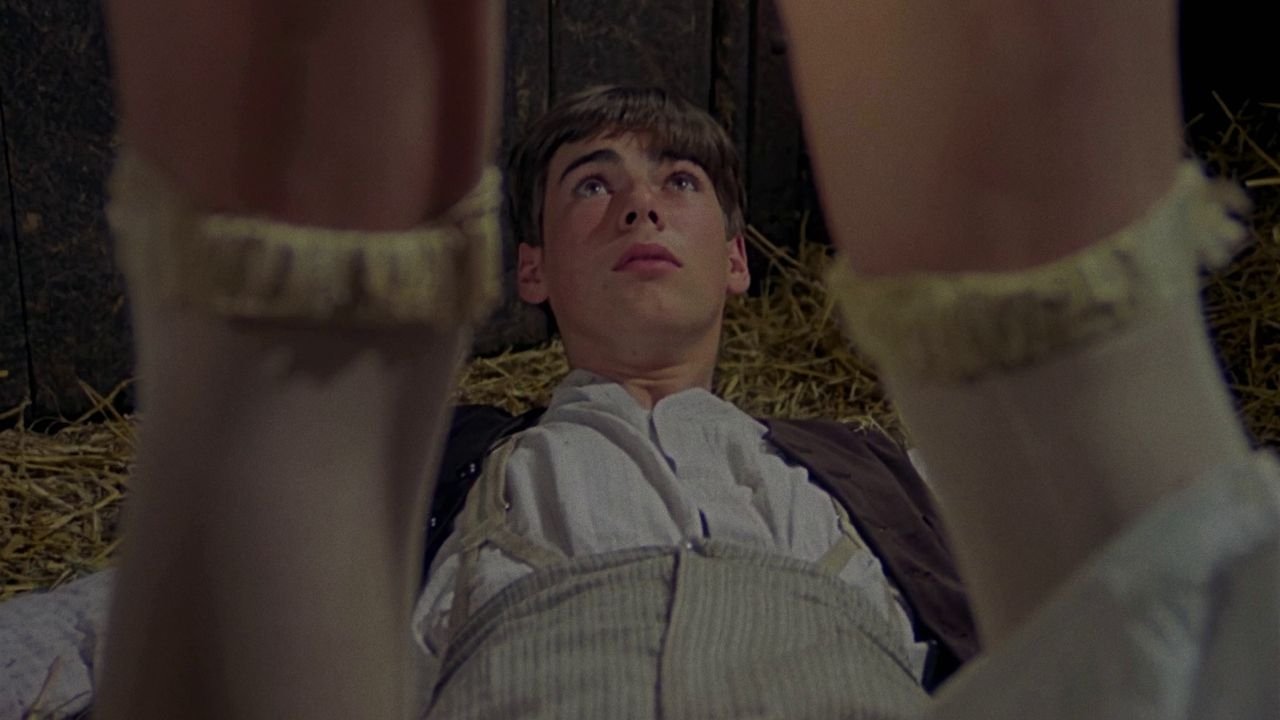
Based loosely on the posthumously published, notoriously erotic 1911 novel by Guillaume Apollinaire, the film transports us to a secluded French country estate just as the ominous clouds of World War I are gathering. Young Roger (Fabrice Josso), barely sixteen, finds himself packed off to the countryside for safety, surrounded by a bevy of beautiful, bored women while the men are away preparing for war. What follows is less a plot-driven narrative and more an atmospheric immersion into Roger's rapid, often comical, and distinctly European sexual awakening.
Summers of Discovery
Directed by Gianfranco Mingozzi, who often worked in documentary before shifting to features, there's a languid, observational quality here. The film looks gorgeous, drenched in that soft, golden light that seemed to define European period pieces of the era. Think Jean de Florette but with significantly more décolletage. Mingozzi, alongside esteemed co-writer Jean-Claude Carrière (yes, the Luis Buñuel collaborator!), crafts a world that feels both idyllic and simmering with unspoken desires. The looming war adds a strange poignancy – a sense of carpe diem hanging over every sun-dappled tryst and stolen glance.
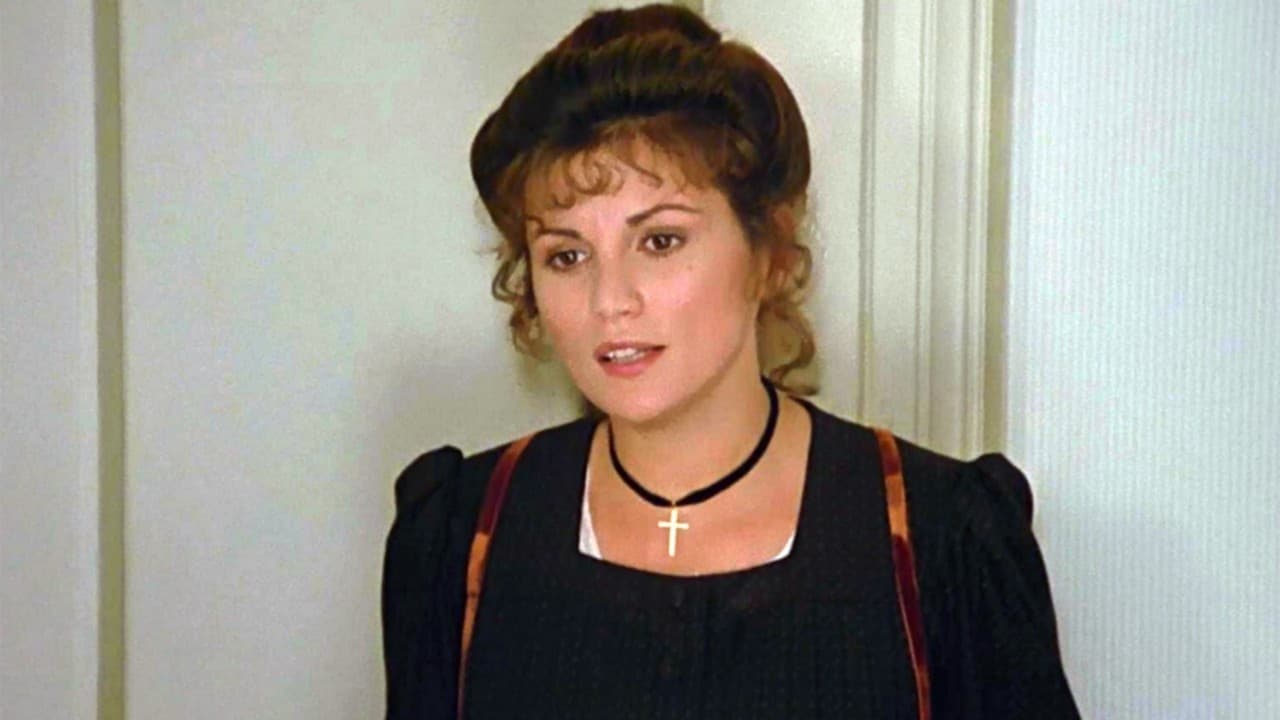
The setup is ripe for adolescent fantasy, and the film leans into it, but with a certain detached amusement rather than pure titillation. Roger, initially awkward and naive, navigates encounters with the lusty maid Hélène (Nieva Cooperation), his experienced aunt Mathilde (Marina Vlady, a veteran of French cinema), the sophisticated family friend Ursula (Claudine Auger, forever remembered as Domino from 1965's Thunderball), and perhaps most memorably, the voluptuous cook, Margherita, played by the iconic Italian star Serena Grandi.
A Different Kind of Spectacle
Now, let's be honest. This wasn't a film rented for its intricate plot twists or profound philosophical insights, despite the Apollinaire connection and Carrière's involvement. This was peak 80s European "art house eroticism." The appeal, especially back on fuzzy VHS, often lay in its perceived maturity and frankness compared to more puritanical American fare. Serena Grandi, who was a massive star in Italy thanks to films like Tinto Brass's Miranda (1985), absolutely embodies this. Her presence is earthy, unapologetic, and anchors the film's more openly sensual scenes. It's interesting to note that Grandi often worked in genre films, bringing a certain grounded charisma even to explicitly erotic roles, making her a recognizable face for Euro-sleaze aficionados browsing the video store shelves.
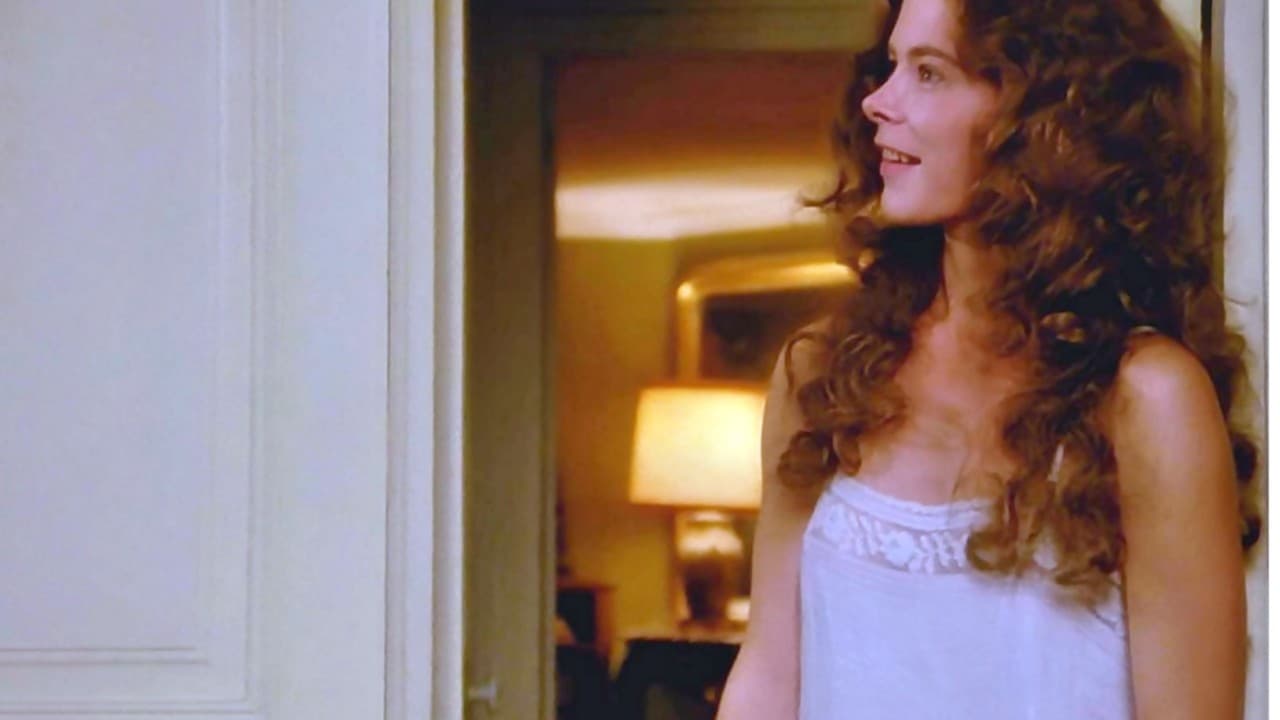
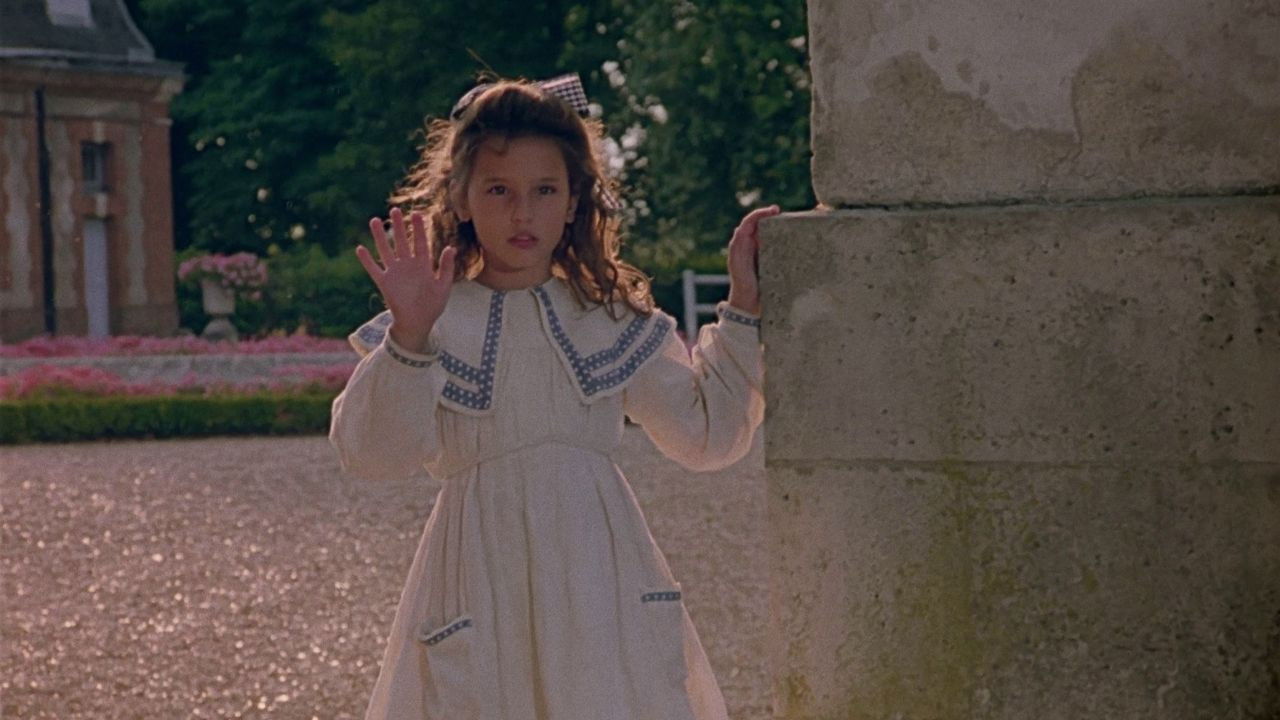
The "action" here isn't explosive, but it's certainly… active. Mingozzi captures the fumblings, the discoveries, and the surprising confidence Roger gains with a blend of humour and sensuality. It's less about explicit content (though it certainly earned its R rating and likely existed in even more revealing European cuts) and more about the atmosphere of burgeoning sexuality. It feels very much of its time – a pre-internet exploration of sensuality that feels almost quaint now, yet retains a certain charm in its directness. There’s no CGI here, obviously, just sunlight, skin, and the rustling leaves of the French countryside, captured on film with a certain warmth.
Was It Art, or...?
Reception back then was mixed, as you might expect. Critics were likely divided between appreciating its literary pedigree and visual beauty, and dismissing it as softcore draped in arthouse clothing. Audiences, particularly those seeking something spicier than Hollywood offered, probably found exactly what they were looking for. Finding reliable box office info for a co-production like this is tricky, but it certainly found its audience on home video across Europe and beyond. It’s a film that occupies a curious middle ground – too polished and well-acted for pure exploitation, yet perhaps too focused on its central theme for mainstream acclaim.
Watching it today is an exercise in managing expectations. It's slow, meandering, and its portrayal of adolescent sexuality through an adult male lens feels undeniably dated. Yet, there’s an undeniable craft to it. The period details feel authentic, the performances (particularly from the experienced female cast) are solid, and Armando Trovajoli's score adds a layer of wistful elegance. It’s a snapshot of a certain kind of European filmmaking prevalent in the 80s – unafraid of sensuality, visually rich, and narratively relaxed.
Rating: 6/10
Justification: Exploits of a Young Don Juan earns points for its beautiful cinematography, strong female performances (especially Grandi and Auger bringing their respective star power), and its commitment to a specific, languid atmosphere. It successfully captures the hazy sensuality of a specific time and place. However, its pacing is undeniably slow, the central narrative thin, and its sexual politics very much rooted in the era it was made, which might not sit well with modern viewers. It’s a well-made curiosity rather than a must-see classic.
Final Take: A sun-drenched, slow-burn Euro-memory from the back shelves of the video store – more artful than sleazy, but definitely a product of its time. Approach it as a curious period piece, maybe pour a glass of wine, and appreciate the era when even adolescent awakenings felt somehow more… cinematic.