"I believe in the Church of Baseball." It’s a line delivered with such conviction, such wry self-awareness by Susan Sarandon as Annie Savoy, that it instantly signals Bull Durham (1988) isn't just another flick about tossing a ball around. It's a statement of purpose, a framing device for a film that uses the dusty diamonds and long bus rides of minor league life as a backdrop for exploring faith, sex, poetry, aging, and the messy, beautiful business of being human. Pulling this tape off the rental shelf back in the day, maybe expecting a standard sports comedy, felt like discovering a secret – a movie smarter, funnier, and considerably more grown-up than its cover might suggest.

### The Gospel According to Crash and Annie
At its heart, Bull Durham revolves around a perfectly drawn love triangle, set against the humble aspirations of the Durham Bulls, a real-life Class A team in North Carolina. Kevin Costner, hitting a remarkable stride after The Untouchables (1987), embodies Crash Davis, a veteran catcher clinging to the fading twilight of his career. He’s brought in to mentor Ebby Calvin "Nuke" LaLoosh (Tim Robbins), a pitching prospect with a "million-dollar arm and a five-cent head." Both men fall under the spell of Annie Savoy, the team's unofficial spiritual and sensual guide, who annually chooses one player to educate in the ways of love, life, and baseball – her personal trinity.
What makes this dynamic crackle isn't just plot mechanics; it's the lived-in authenticity. Writer-director Ron Shelton, drawing heavily on his own experiences playing in the minor leagues for several years (including time in the Baltimore Orioles system), infuses every scene with the texture of reality. You feel the humid Southern air, the camaraderie mixed with rivalry, the quiet desperation of men chasing a dream that, for most, will remain just out of reach. Shelton knows the language, the rhythms, the small rituals – the discussions about cursed jockstraps, the frantic search for rainouts, the specific anxieties of a slump. This isn't Hollywood's sanitized version of baseball; it feels earned.

### Performances That Round the Bases
The casting here feels like lightning in a bottle. Costner delivers arguably his most charismatic performance as Crash. There's a weariness in his eyes, a philosophical resignation layered under the sharp wit and athletic confidence. He makes Crash’s intelligence and his deep, almost painful love for the game palpable. You believe him when he rattles off his famous list of beliefs ("I believe in long, slow, deep, soft, wet kisses that last three days..."). It’s a speech that could easily sound ridiculous, but Costner sells its romantic soulfulness. Reportedly, Costner, a decent ballplayer himself, brought a level of athletic credibility that grounded the role.
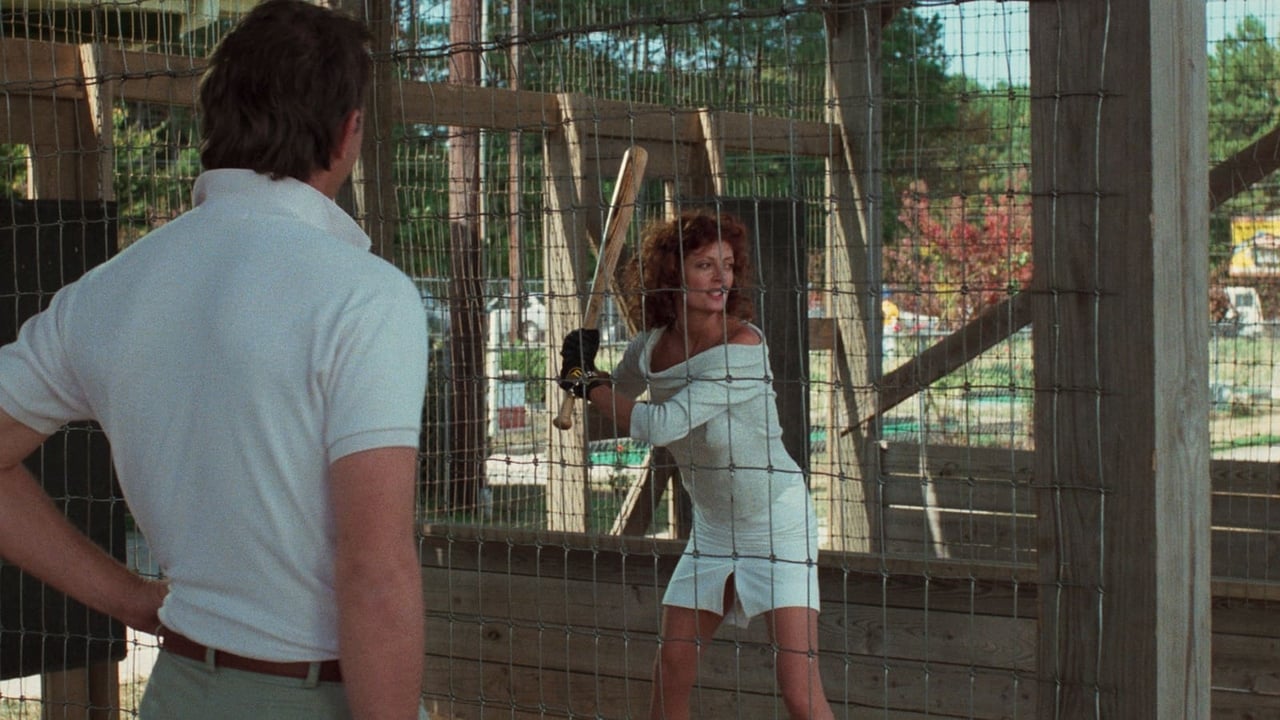
Susan Sarandon is luminous as Annie. She’s intelligent, unapologetically sexual, eccentric, and deeply searching. Annie could have been a caricature – the quirky baseball groupie – but Sarandon gives her such fierce intelligence and vulnerability that she becomes the film's philosophical anchor. Her narration doesn't just guide the plot; it elevates the story into something more profound, questioning the nature of belief itself.
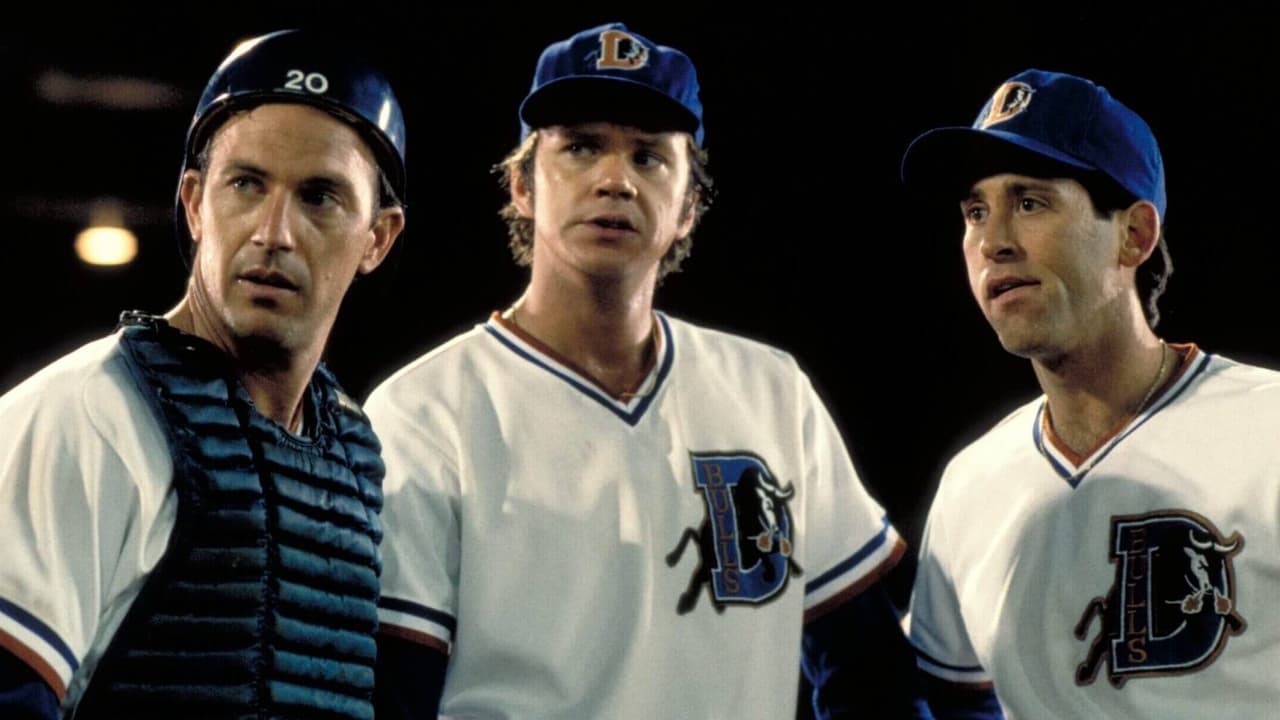
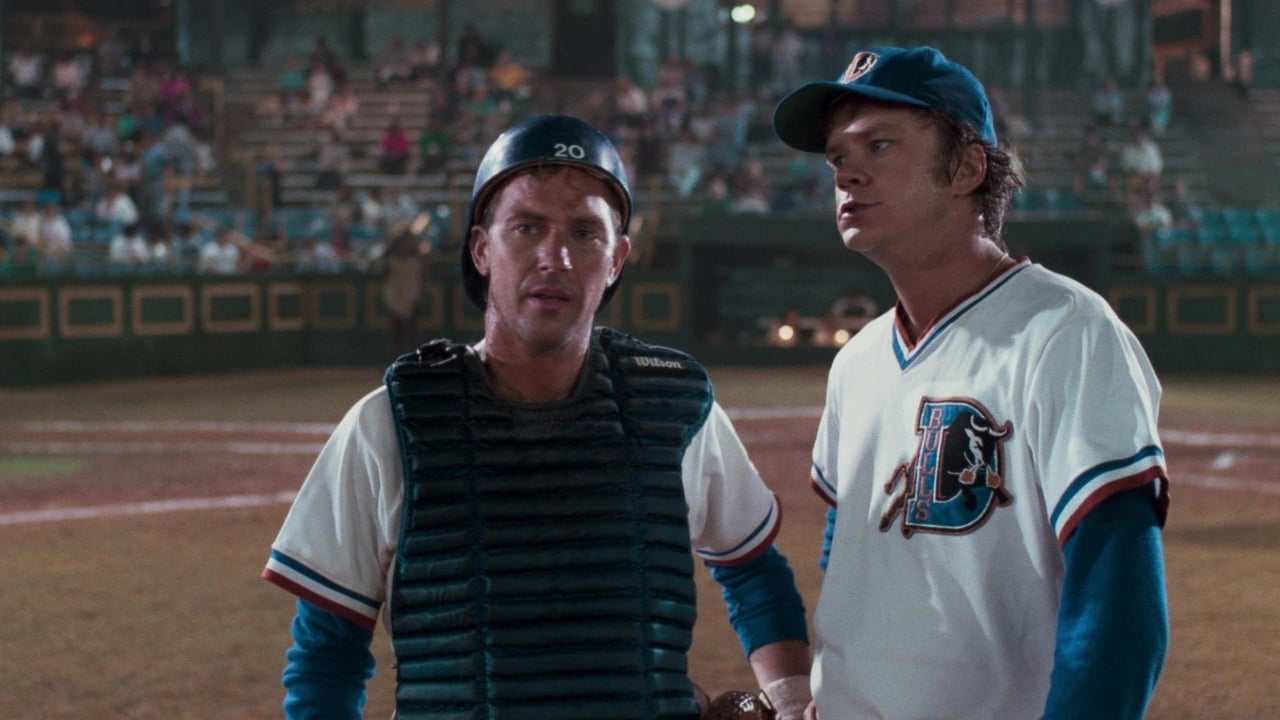
And then there's Tim Robbins as Nuke. He perfectly captures the raw, undisciplined talent and hilariously naive arrogance of youth. Nuke is goofy, frustrating, and ultimately endearing. His physical comedy (especially learning mound presence from Crash) is pitch-perfect, but Robbins also subtly shows the insecurity beneath the swagger. It’s worth noting that the chemistry between Sarandon and Robbins wasn't just on-screen; their long-term relationship famously began during the making of this film, adding perhaps an extra layer of authentic connection to their scenes.
### Beyond the Box Score: Writing and Legacy
Ron Shelton's screenplay is the undisputed MVP. It's literate, sharp, and consistently funny without sacrificing emotional depth. The dialogue crackles with wit and insight ("The world is made for people who aren't cursed with self-awareness."). He understands that baseball, like life, is often about failure, endurance, and finding grace in small victories. This understanding elevates Bull Durham beyond simple genre classification. It’s a romantic comedy, a sports movie, a character study, and a philosophical meditation all rolled into one.
Made for a modest $5 million, Bull Durham became a surprise critical and commercial hit, grossing over $50 million domestically (that's roughly $130 million in today's dollars – quite the home run!). It solidified Costner's leading man status, earned Shelton an Oscar nomination for Best Original Screenplay, and remains a benchmark for sports films that aim for something more than just game highlights. Its influence can be seen in subsequent films that tried to capture that blend of athletics and adult themes, though few have matched its effortless charm and intelligence. It even spawned a brief, real-life Durham Bulls merchandise craze – remember seeing those caps everywhere for a while?
### The Feel of the Tape
Watching Bull Durham today evokes that specific late-80s vibe – the film grain, the practical feel of the locations, the soundtrack blending bluesy rock with classic tunes. There's a warmth to it, a sense of place and time that feels incredibly inviting. It's a film that rewards repeat viewings, revealing new layers in the dialogue and performances each time. Renting this from the local video store, maybe alongside Field of Dreams (which Costner would star in the following year, cementing his baseball movie icon status), felt like bringing home something truly special. It had the comfort food appeal of a familiar genre but the unexpected spice of genuine wit and adult complexity.
Rating: 9/10
This score reflects the film's near-perfect alchemy. The stellar performances, the sharp and insightful script born from real experience, the masterful blend of humor, romance, and philosophy, and its enduring status as a genuinely adult sports movie make it a classic. It avoids easy sentimentality and delivers characters who feel remarkably real, flaws and all. Why not a perfect 10? Perhaps some minor pacing quibbles in the middle act, but honestly, it’s splitting hairs.
Bull Durham isn't just about baseball; it's about finding your own church, whatever form it takes, and believing in something – whether it's the crack of the bat, the wisdom of Walt Whitman, or the transformative power of a perfectly timed kiss. It remains one of the smartest, sexiest, and most satisfying films to emerge from the VHS era.