### The Unsettling Glare of Genius
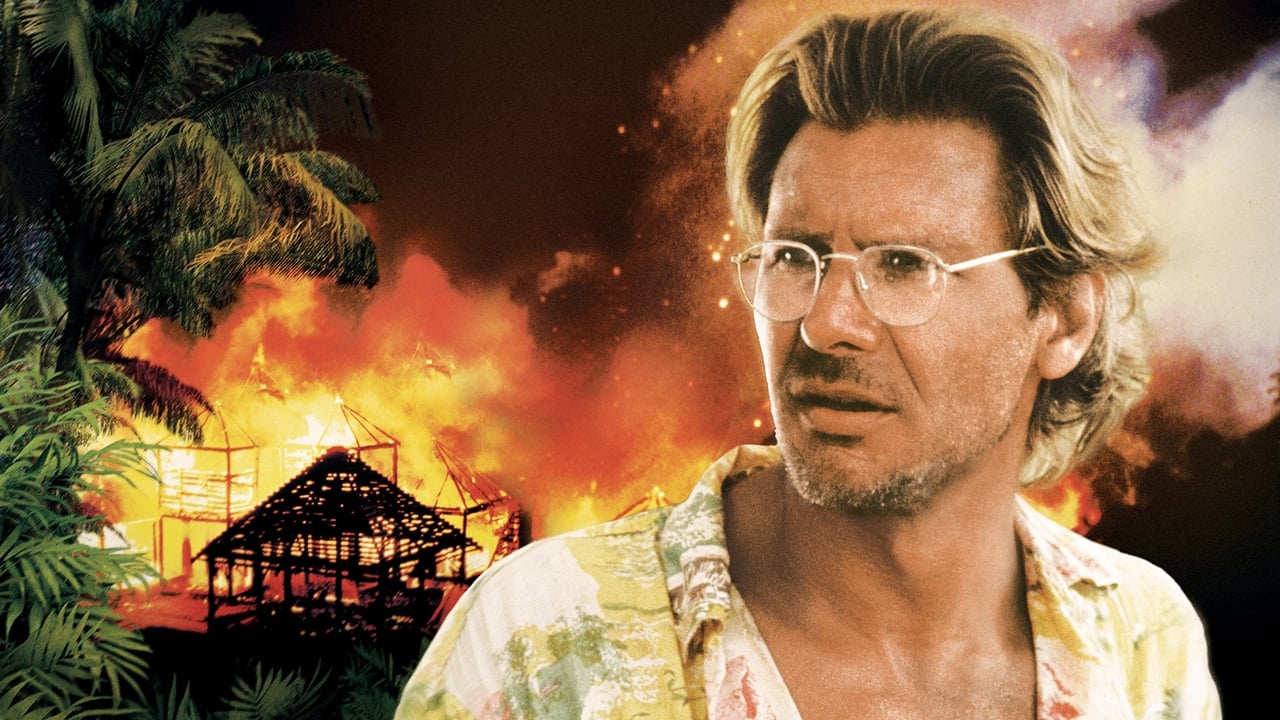
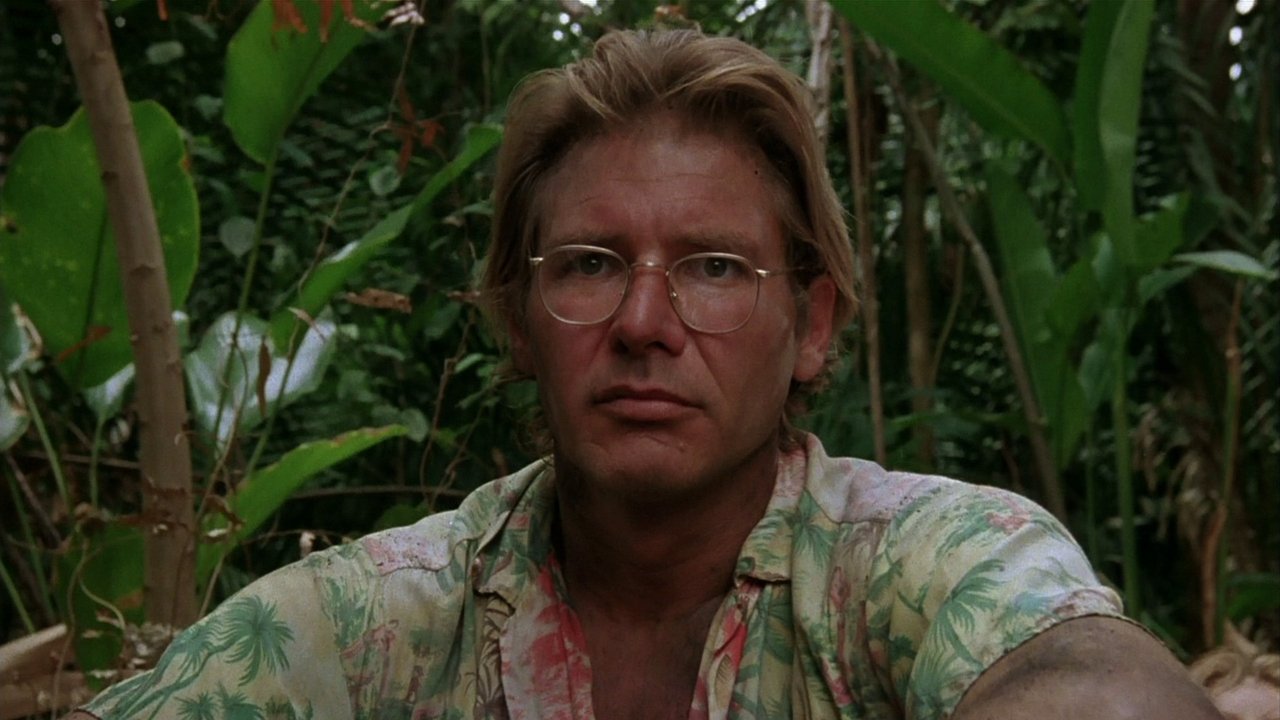
There's an image from Peter Weir's The Mosquito Coast (1986) that lodges itself in the mind long after the flickering static of the VHS tape gives way to blue screen: Harrison Ford as Allie Fox, eyes blazing with messianic conviction, standing defiantly against a world he deems corrupt and doomed. It wasn't the adventurous rogue or the charming hero audiences flocked to see in the mid-80s; this was something far more complex and disquieting. Watching it again, decades removed from its initial release, the film feels less like a straightforward adventure yarn and more like a harrowing character study wrapped in the humid, oppressive atmosphere of a doomed paradise. It’s a film that doesn't offer easy answers, forcing us instead to confront the dangerous allure of radical idealism.
### Fleeing the Fridge for the Fire
Based on the novel by Paul Theroux and adapted with stark intensity by Paul Schrader (the visionary writer behind Taxi Driver), the premise is deceptively simple yet ripe with tension. Allie Fox, a brilliant inventor disgusted by American consumerism and convinced of imminent nuclear war, abruptly uproots his family – the quietly resilient wife "Mother" (Helen Mirren) and their children, including eldest son Charlie (River Phoenix) – from their Massachusetts farm. His destination? The remote Mosquito Coast of Central America, a place untouched by the perceived decay of modern society, where he intends to build a utopian settlement, Jeronimo, powered by his ingenious ice-making machine, "Fat Boy."
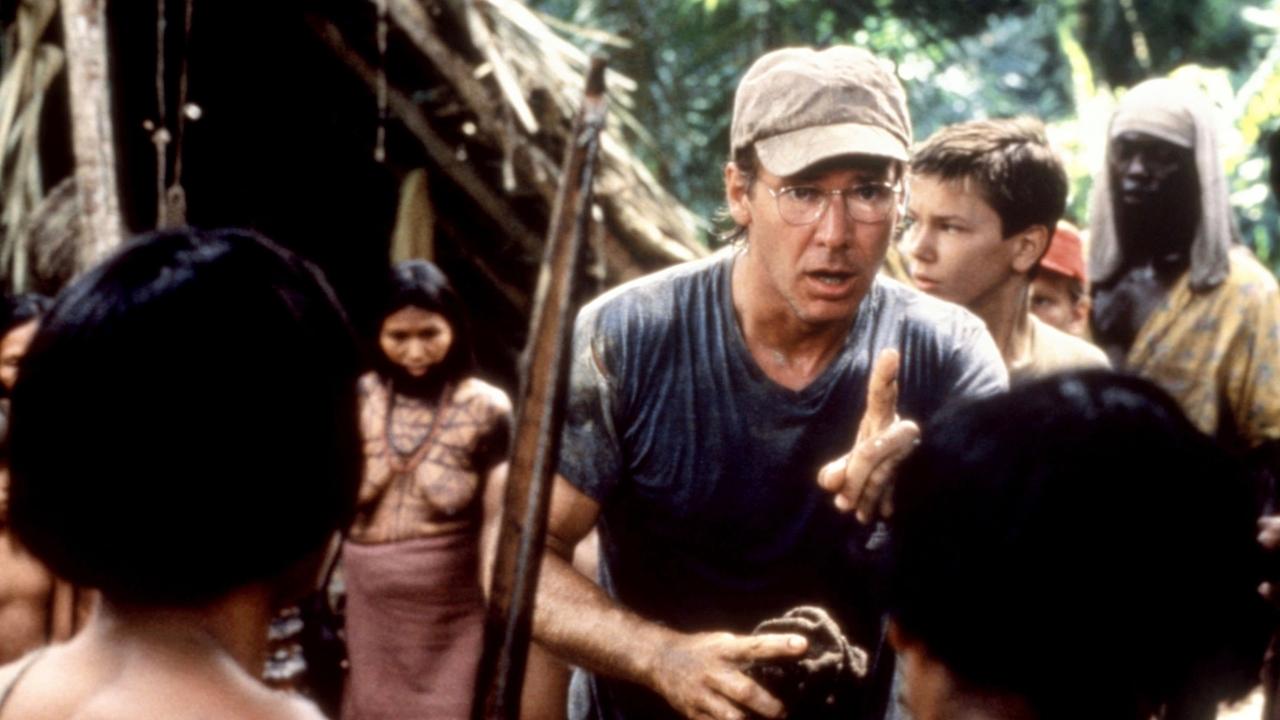
Weir, fresh off the success of Witness (1985), also starring Ford, masterfully captures the initial allure of Allie's vision. The journey downriver, the vibrant jungle teeming with life, the almost biblical act of creation as Jeronimo rises from the wilderness – there's a palpable sense of pioneering spirit. Yet, from the outset, Weir plants seeds of doubt. The jungle isn't just beautiful; it's dangerous, indifferent. And Allie's genius, initially presented as liberating, soon reveals its shadow side: uncompromising arrogance, paranoia, and a tyrannical control over his family that borders on the terrifying.
### Ford Against Type, Phoenix Rising
This film lives and breathes through Harrison Ford's electrifying performance. In a bold, perhaps even career-defying move at the time, Ford shed his heroic persona to embody Allie Fox's complex blend of charisma and fanaticism. He makes you believe in Allie's brilliance, his persuasive rhetoric drawing you in even as his actions become increasingly irrational and destructive. It's a raw, committed portrayal of obsession, arguably one of Ford's most underrated and challenging roles. He reportedly considered it a passion project, a chance to stretch beyond the blockbuster mold, even though the film struggled commercially, earning back only about $14 million of its estimated $25 million budget. It wasn't the Ford audiences expected, but perhaps it was one they needed to see.
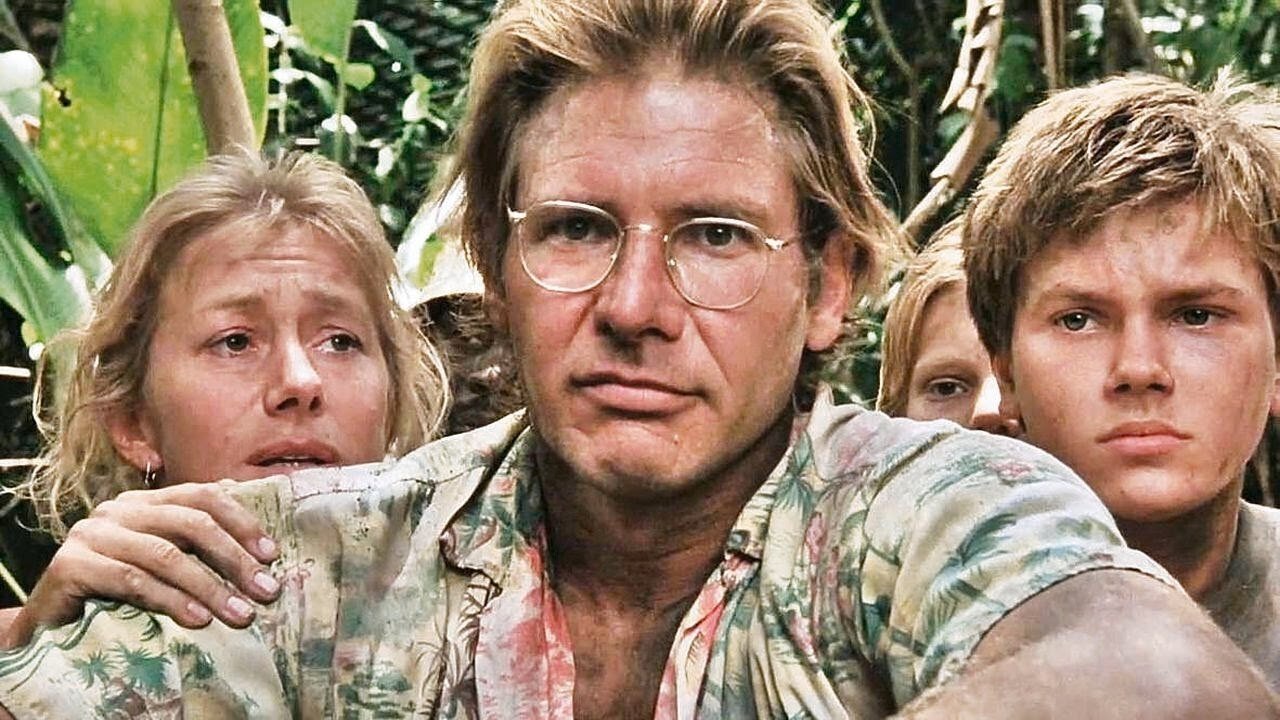
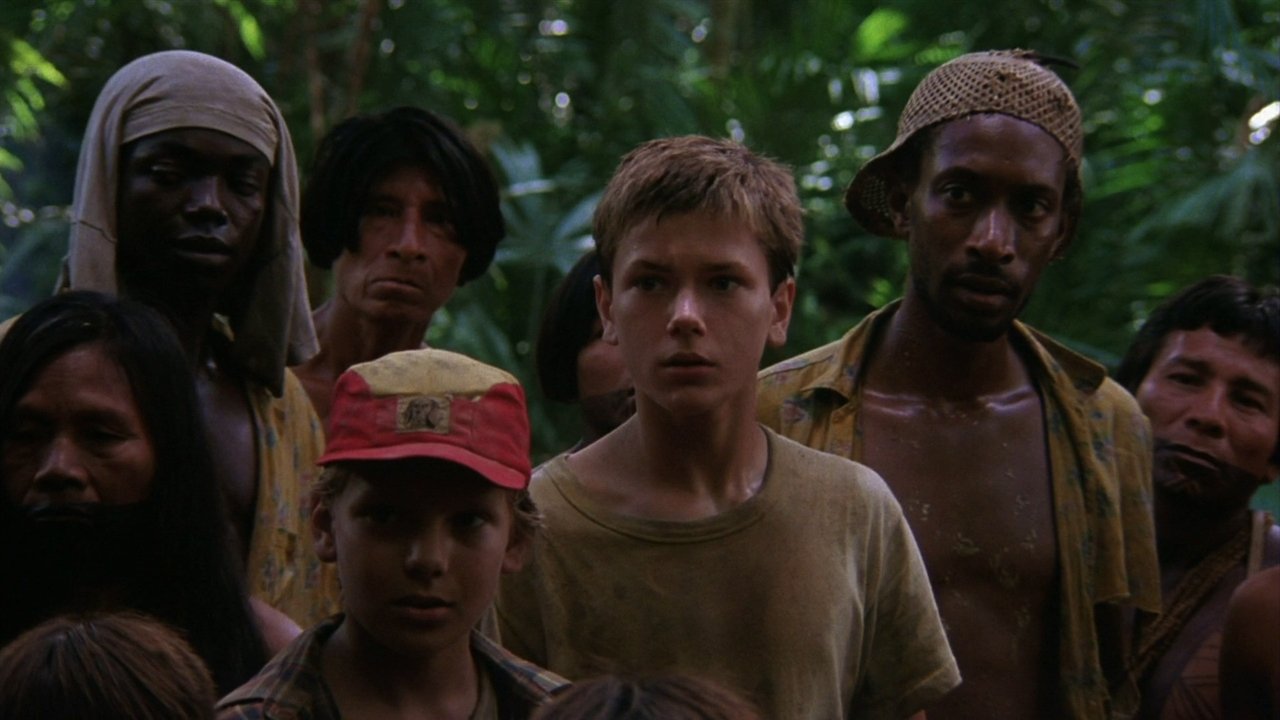
Equally crucial is the work of Helen Mirren and a young River Phoenix. Mirren, with remarkable subtlety, conveys Mother's quiet strength, enduring loyalty, and dawning horror. Her expressive eyes often say more than dialogue ever could, reflecting the impossible position of loving a man whose vision is consuming them all. And Phoenix, as Charlie, serves as the film's conscience and narrator. His journey from idolizing adoration to fearful disillusionment is the emotional core of the narrative. Watching his sensitive, nuanced performance, delivered years before his iconic turn in My Own Private Idaho (1991), is both captivating and poignant, a glimpse of the immense talent lost too soon.
### Building and Breaking a World
The production itself mirrors Allie's ambitious, perhaps foolhardy, undertaking. Filming primarily on location in Belize presented significant logistical challenges. Director Peter Weir and his team literally carved the settlement of Jeronimo out of the jungle, creating a tangible sense of place that grounds the escalating drama. The centerpiece, the hulking "Fat Boy" ice machine, becomes a potent symbol – representing Allie's ingenuity, his defiance of nature, and ultimately, the source of his downfall. You can almost feel the humidity, smell the damp earth and diesel fumes, which adds immeasurably to the film's immersive, almost suffocating atmosphere. There's a tactile quality here, reminiscent of Werner Herzog's own jungle epics like Aguirre, the Wrath of God (1972), that feels intensely real, especially viewed through the analog warmth of VHS.
One fascinating production tidbit: the original ending of Theroux's novel was significantly bleaker. While Schrader and Weir adjusted it slightly for the film, they retained the core ambiguity and unsettling trajectory, resisting the Hollywood impulse for neat resolution. This commitment to the source material's challenging spirit likely contributed to its divisive reception among critics and audiences at the time, who perhaps weren't ready for such a dark exploration masquerading as an adventure film.
### The Lingering Chill
What does Allie Fox's disastrous experiment reveal about human nature? Is fierce independence always a virtue, or can it curdle into destructive isolation? The Mosquito Coast doesn't shy away from these thorny questions. It explores the seductive danger of charismatic leaders, the fragility of family under extreme pressure, and the complex relationship between humanity, nature, and technology. It’s a film that critiques the very American ideals of self-reliance and manifest destiny when pushed to their fanatical extremes. Doesn't Allie's certainty, his refusal to acknowledge inconvenient truths, resonate with challenges we still grapple with today?
It’s not an easy watch. Allie Fox is often deeply unsympathetic, his actions causing immense suffering to those who depend on him. Yet, the film's power lies in its refusal to simplify. It presents a flawed, compelling, and ultimately tragic figure, forcing us to consider the fine line between visionary and madman. I remember renting this from the local video store, the distinctive Warner Home Video clamshell promising adventure, and being confronted with something far more thought-provoking and unsettling. It wasn't the feel-good escape many sought on a Friday night, but its images and questions lingered.
Rating: 8/10
This score reflects the film's undeniable strengths: Peter Weir's atmospheric direction, Paul Schrader's sharp script, and particularly the towering, fearless performances from Harrison Ford, Helen Mirren, and River Phoenix. It's a challenging, complex, and ultimately rewarding film that dares to explore dark themes with intelligence and intensity. While its demanding nature and difficult protagonist might have alienated some viewers initially, making it a commercial disappointment, its artistic merits and Ford's brave performance solidify its place as a significant, if unsettling, piece of 80s cinema well worth revisiting.