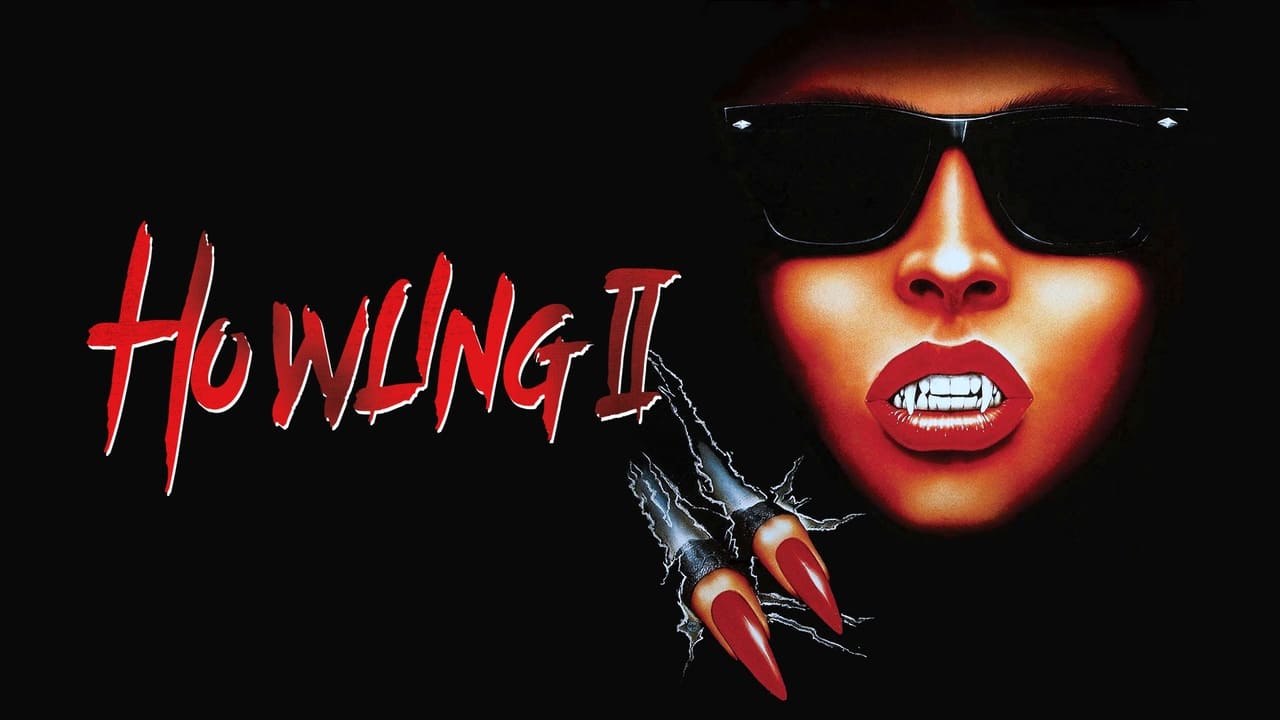
Okay, tapeheads, gather 'round. Let's talk about a sequel that flew so far off the rails, it achieved a kind of bizarre orbit all its own. Forget everything you loved about Joe Dante's sharp, scary, and witty original The Howling. We're plugging in Howling II: Stirba - Werewolf Bitch (sometimes just known as Howling II: Your Sister Is a Werewolf), a 1985 oddity that feels less like a direct follow-up and more like a fever dream someone had after watching the first movie, listening to punk rock, and maybe eating some questionable late-night pizza. Finding this on the shelf back in the day, maybe tucked away in the horror section near the imports, felt like uncovering forbidden knowledge.
### From LA Horror to Euro-Gothic Punk?
The whiplash begins immediately. We leave behind the media satire and psychological dread of the original for... Transylvania? Yup. Ben White (Reb Brown, bringing his trademark intense stares and bewildered reactions) is reeling from his sister Karen's death (you know, the reporter from the first film). Enter Stefan Crosscoe, a cryptic occult investigator played, somehow, by the legendary Sir Christopher Lee. Lee delivers the news: Karen wasn't just killed by werewolves, she was one, and her soul needs saving via a stake through the heart... in Transylvania. Off they go, along with skeptical reporter Jenny Templeton (Annie McEnroe), to confront the immortal werewolf queen Stirba (Sybil Danning) at her castle during a vaguely defined lycanthropic solstice ceremony.
It's... a lot. And Christopher Lee knew it. He apparently only took the role because the original Howling was well-regarded, not realising quite what director Philippe Mora (who gave us the genuinely unsettling body horror of The Beast Within a few years prior) was cooking up this time. Legend has it Lee later apologized to Joe Dante for appearing in this sequel, which tells you everything you need to know about his experience. Still, his presence lends the film an undeserved air of gravitas amidst the glorious chaos. He delivers lines about ancient werewolf rituals with the same conviction he brought to Dracula, even when surrounded by new wave vampires and furry chaos.
### When Practical Effects Go Wild (and Furry)
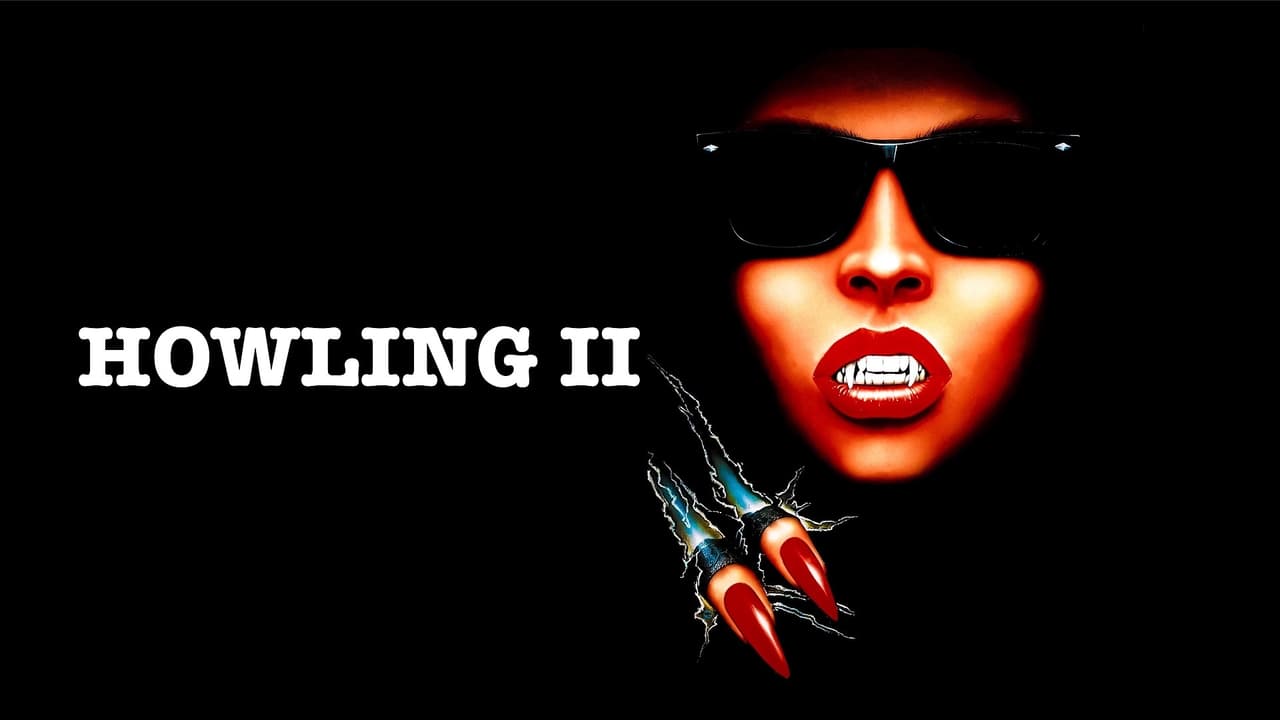
Now, let's talk about the main event for any self-respecting werewolf flick: the transformations and the creatures. Howling II goes for quantity over... well, almost everything else. Forget the subtle, bladder-effect horrors of Rob Bottin's work in the original. Here, we get werewolves that look like Wookiees who raided a punk rock thrift store. The effects are undeniably practical, often involving actors in hirsute suits, but they possess a charm born of pure B-movie ambition.
Remember the sheer audacity of some of these scenes back on a fuzzy CRT? The film proudly showcases its werewolves, often in brightly lit environments (a bold choice!). There's an infamous sequence involving Stirba that... well, let's just say it involves practical effects, Sybil Danning, and a level of camp that requires multiple viewings to fully process. The film repeats one specific transformation shot of a werewolf seemingly so many times during the end credits, it becomes a bizarre running gag. Was it budget constraints? An artistic choice? Pure madness? Who knows, but it’s unforgettable. This wasn't the slick, shadowy terror of its predecessor; it was loud, proud, and unapologetically furry.


### A Symphony of Strangeness
The whole production feels like a glorious collision of mismatched ideas. Filmed largely in Czechoslovakia (standing in for Transylvania), it has a strangely beautiful, authentic gothic backdrop that clashes wonderfully with the film's more outrageous elements. Philippe Mora leans into a kind of punk/new wave aesthetic, particularly with Stirba's followers, adding another layer of glorious 80s weirdness. The score pulses with synths and rock riffs, further distancing it from the tense atmosphere of the original.
And the supporting cast! You get dwarf actors playing werewolf sidekicks, villagers who seem perpetually angry or terrified, and Reb Brown trying desperately to anchor the madness. Annie McEnroe plays Jenny with a mix of skepticism and eventual wide-eyed horror that feels relatable amidst the absurdity. It’s a film where everyone seems to be in a slightly different movie, yet somehow, it coalesces into... this. It bombed critically and commercially upon release (making back only a fraction of its roughly $2.5 million budget), but like so many VHS-era oddities, it found a devoted cult following who appreciated its unique brand of bonkers energy.
### Final Thoughts: A Howl of a Different Kind
So, is Howling II a "good" movie in the traditional sense? Absolutely not. The plot is nonsensical, the tone is all over the place, and the effects range from ambitious to laughable. But is it entertaining? Oh, heavens yes. It's a glorious, baffling, frequently hilarious slice of 80s Euro-horror weirdness, anchored by a slumming-but-still-trying Christopher Lee and the unforgettable presence of Sybil Danning. It represents a kind of fearless B-movie filmmaking that threw everything at the wall, seemingly unconcerned with what stuck.
VHS Heaven Rating: 3/10
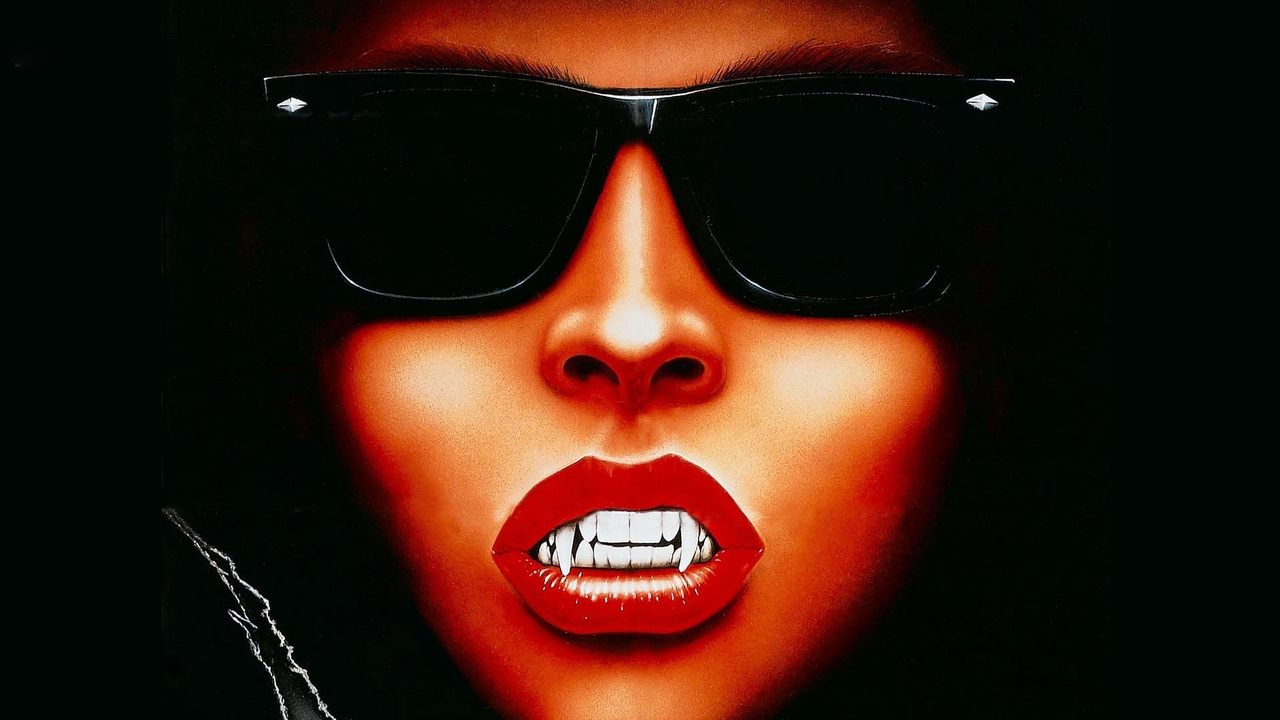
Why the score? Objectively, it's a mess. But that '3' comes with a massive asterisk shaped like a werewolf paw giving a thumbs-up. The rating reflects its technical and narrative shortcomings, but its score on the "so-bad-it's-good" unintentional comedy scale is easily an 8 or 9. It fails as a sequel to The Howling but succeeds as a standalone monument to bizarre cinematic choices.
Final Comment: Forget sophisticated chills; Howling II is the cinematic equivalent of finding a bootleg punk rock cassette mixed in with your dad's opera tapes – baffling, noisy, strangely compelling, and utterly unforgettable once you've experienced it. A true gem for connoisseurs of the weird.