The flickering neon sign still reads "BATES MOTEL," but the chill wind whistling through its vacant rooms carries a different kind of emptiness now. Norman is gone. Yet, someone new walks these shadowed grounds, someone perhaps just as haunted, though in an entirely different, altogether stranger key. 1987's Bates Motel wasn't just a sequel or spin-off; it was an audacious, perhaps foolhardy, attempt to keep the motel doors open after the iconic innkeeper had seemingly checked out for good, and the result is one of the more fascinatingly bizarre footnotes in late-80s television horror.
Inheriting the Darkness
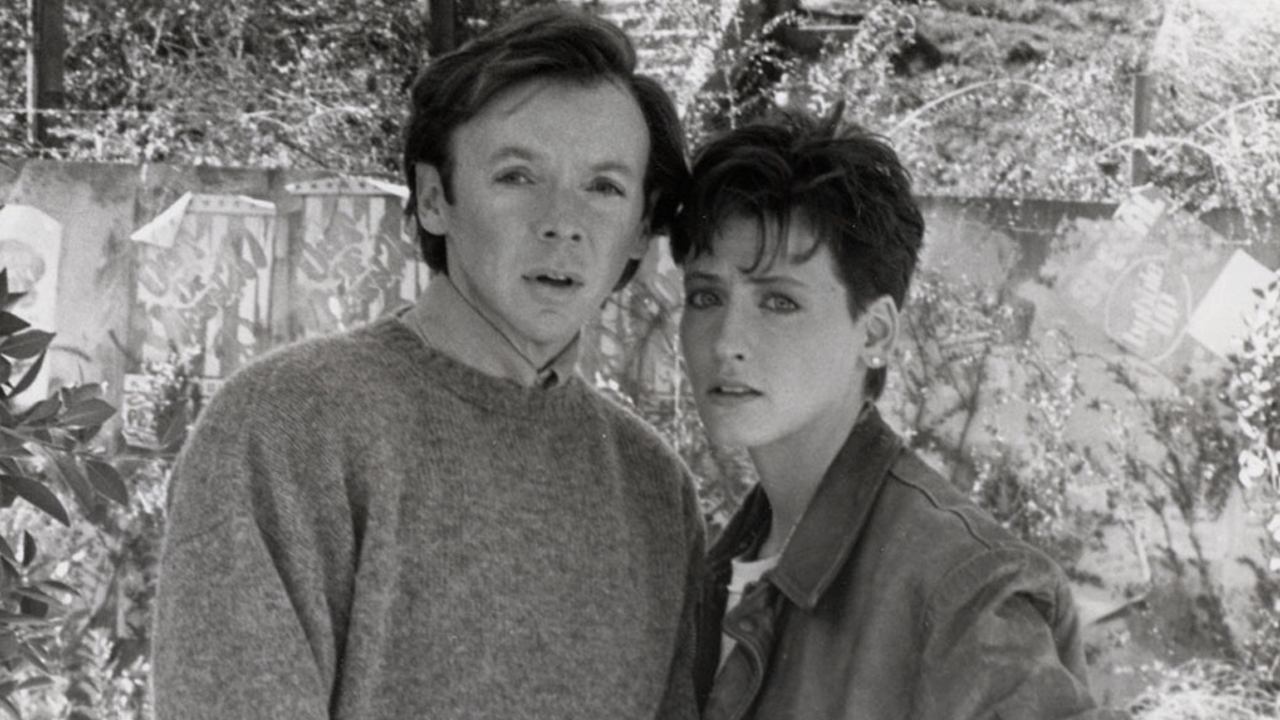
Forget Psycho II (1983) and Psycho III (1986). This made-for-TV movie, directed and written by Richard Rothstein, exists in its own lonely timeline. Here, Norman Bates dies off-screen, leaving his infamous property not to a relative, but to Alex West, a fellow inmate he supposedly befriended during their shared time in the asylum. Stepping into the Bates' worn shoes – an impossible task, surely? – is Bud Cort, an actor forever etched in cinematic memory as the delightfully morbid youth in Harold and Maude (1971). Cort plays Alex as a twitchy, well-meaning but deeply fragile soul, determined to renovate the motel and give it a new, less homicidal reputation. It’s a performance brimming with nervous energy, a portrayal of inherited trauma rather than inherent menace. Did anyone truly believe this gentle, broken man could fill the void left by Anthony Perkins? The casting itself feels like a nervous question mark hanging over the entire production.
A Different Kind of Chill
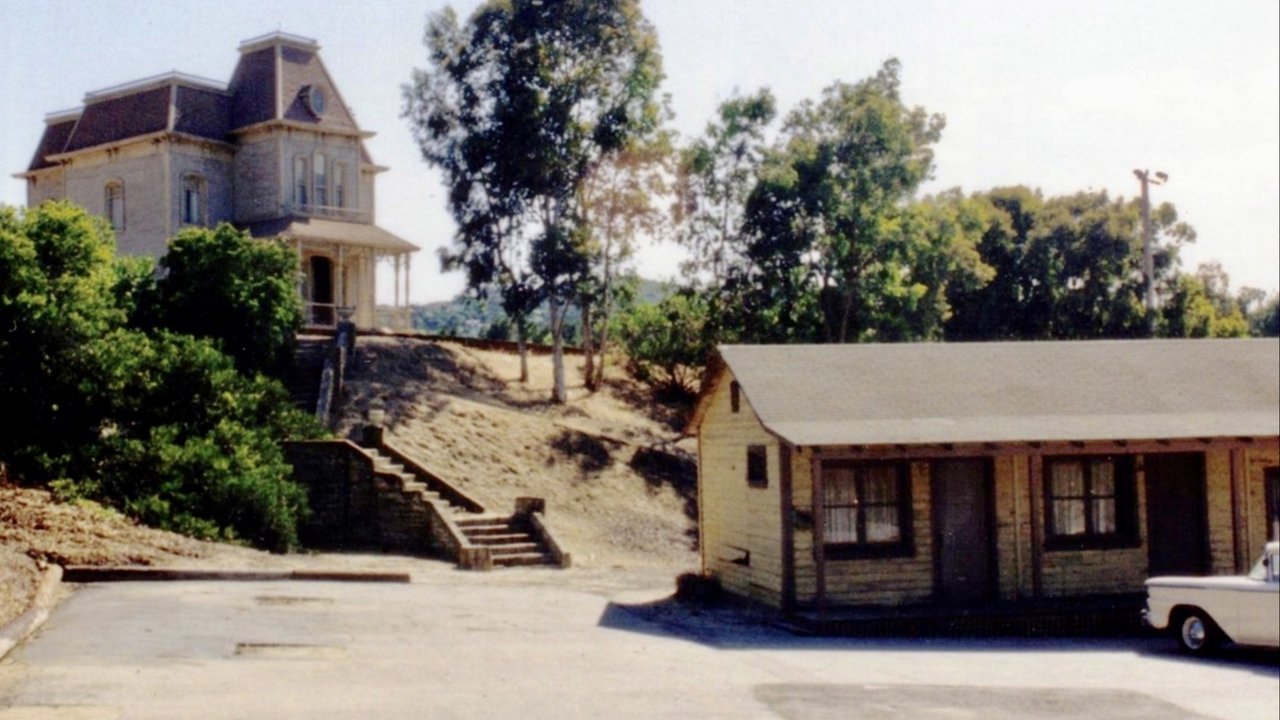
The atmosphere Rothstein conjures isn't the suffocating dread of Hitchcock's original, nor the slasher-adjacent thrills of the later sequels. Instead, Bates Motel often radiates a peculiar, almost melancholy weirdness. Alex pours his meager funds into fixing the place, battling foreclosure notices from the perpetually grumpy banker (played with stern reliability by Moses Gunn) and finding an unlikely ally in Willie (Lori Petty, in one of her earliest roles, already showing sparks of the quirky energy that would define her later career). Petty’s character, a runaway teen seeking refuge and work, brings a much-needed dose of street-smart realism, grounding Alex's increasingly fractured reality. The familiar Universal Studios backlot set, the very house and motel that housed decades of cinematic nightmares, feels strangely sanitized here, scrubbed clean but unable to shake the ghosts of its past. It’s less terrifying, more… unsettlingly sad.
Retro Fun Facts: A Pilot's Gamble
This wasn't just a standalone TV movie; it was conceived as the pilot for an anthology series set at the motel, with Alex introducing different spooky tales each week. NBC ultimately passed, leaving Bates Motel as a curious orphan. You can almost feel the constraints of its television origins – the softened edges, the budget limitations dictating atmosphere over elaborate set pieces. There's a persistent rumor that Anthony Perkins was offered a cameo but declined, perhaps wisely sensing this wasn't the legacy continuation he envisioned. The film even tries to weave in a supernatural subplot involving the ghost of a former guest, feeling tacked-on and tonally dissonant with the established Psycho universe. It’s a deviation that screams "network notes" – a desperate attempt to inject a more conventional form of spookiness into a story fundamentally about psychological decay.
When Nostalgia Meets Oddity
Watching Bates Motel today through the lens of VHS Heaven is a unique experience. It’s not good in the conventional sense, certainly not scary by modern (or even late-80s) standards. Its attempts at tension often land awkwardly, and the plot meanders towards a resolution that feels both rushed and unsatisfying. Yet, there's an undeniable charm to its earnest strangeness. Cort gives his all, creating a character who is pitiable rather than terrifying. Seeing Lori Petty near the start of her career is a treat. And the sheer audacity of trying to make Bates Motel work without Norman… well, it’s something you have to see to believe. I distinctly remember stumbling across this on a late-night broadcast, long after renting the 'real' Psycho movies, and feeling a profound sense of confusion. It felt like a parallel dimension version, familiar yet fundamentally wrong. Doesn't that off-key feeling somehow make it even more memorable?
Checking Out
Bates Motel is a fascinating artifact – a failed pilot, a bizarre tangent in a beloved franchise, and a showcase for a truly committed, if ultimately misplaced, central performance. It lacks the terror of its namesake but offers a different flavour of unease: the discomfort of seeing something iconic repurposed into something gentler, stranger, and ultimately, forgotten. It’s a must-watch for Psycho completists and lovers of 80s TV movie curiosities, but manage your expectations. The chills here are less about knife thrusts in the shower and more about the quiet desperation lingering in the air.
Rating: 4/10 - The score reflects its profound narrative and tonal flaws, its inability to capture the Psycho magic, and the overall awkwardness of its execution. However, it avoids a lower score due to Bud Cort's compellingly vulnerable performance, its status as a unique piece of franchise ephemera, and a certain nostalgic charm for its sheer late-80s TV movie oddness.
Final Thought: While Norman Bates checked guests in but they rarely checked out, Bates Motel (1987) checked itself into obscurity almost immediately, leaving behind only the faint, flickering neon glow of a truly weird idea.