There's a particular kind of unease that certain films from the early 80s mastered, a slow-burn dread built not just on jump scares, but on atmosphere thick enough to choke on. 1982’s Next of Kin, an Australian psychological horror that many might have missed on the rental shelves back in the day, absolutely nails this unsettling vibe. It doesn't scream its intentions from the first frame; instead, it whispers, drawing you into a world where the past isn't just dead, it’s actively malevolent. Watching it again recently, that familiar chill crept back in – the one that comes from a film that understands the horror of isolation and inherited trauma.
### Echoes in Empty Halls
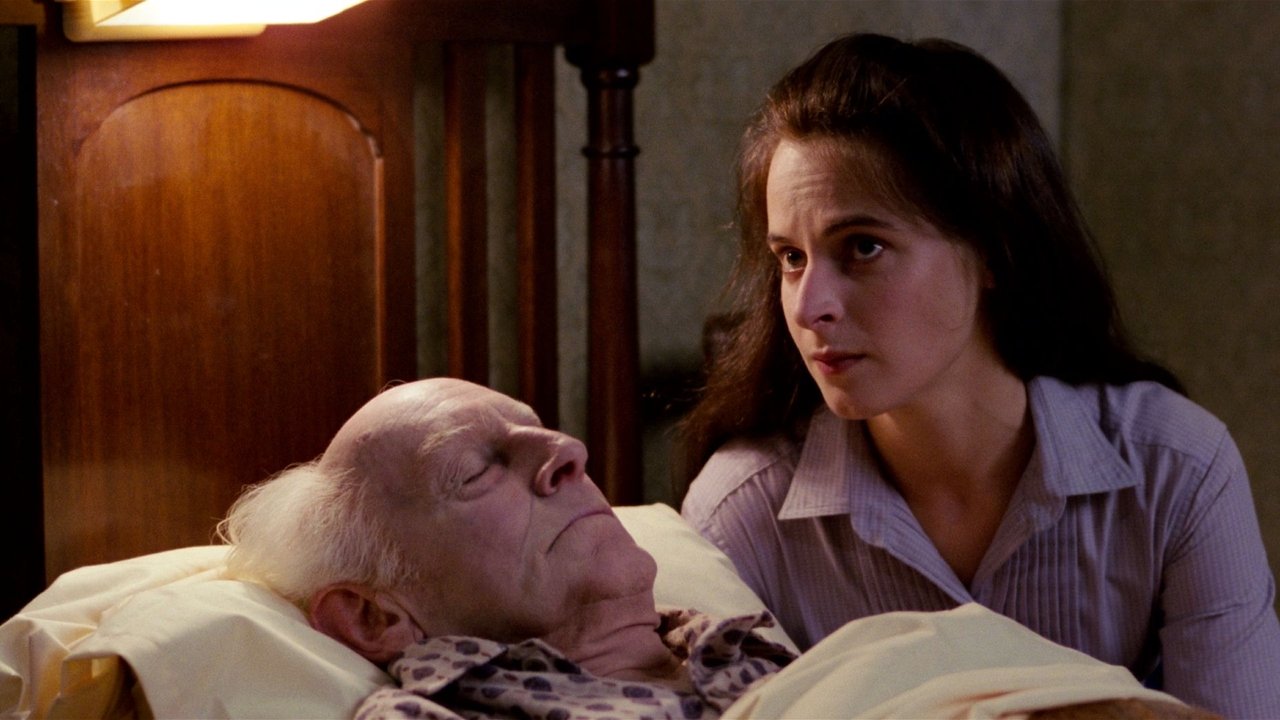
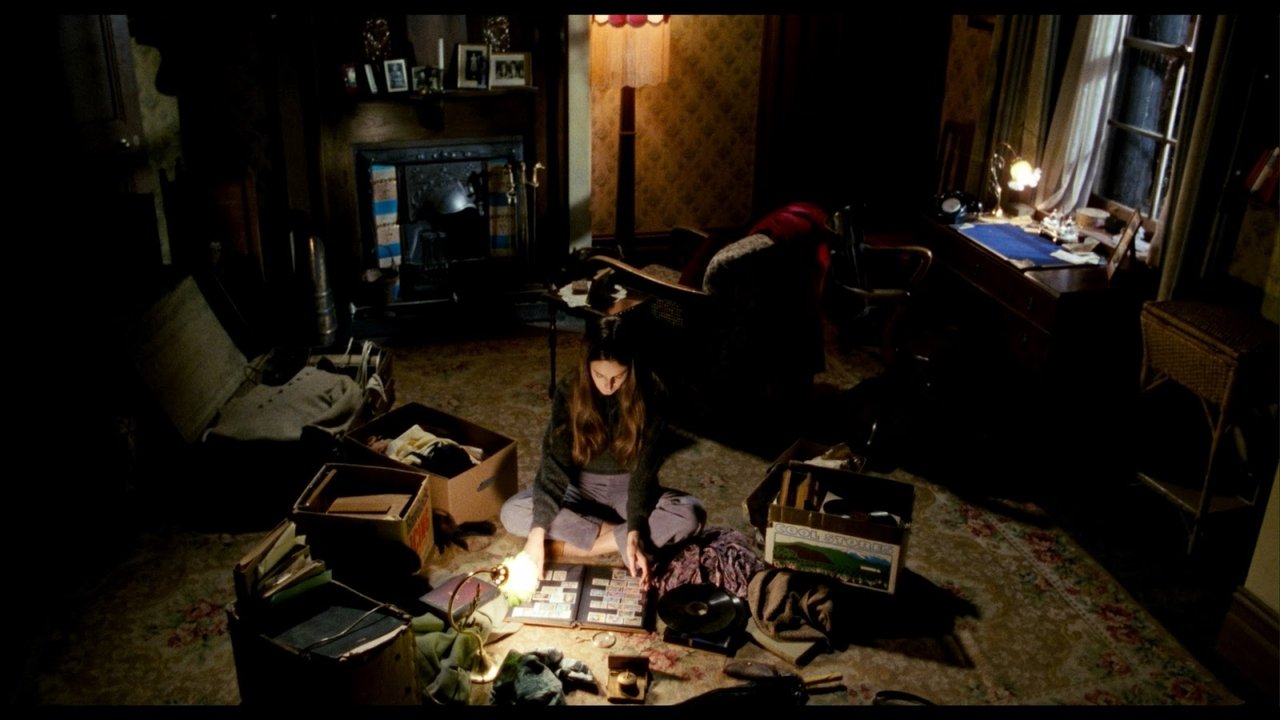
The setup is deceptively simple. Linda Stevens (Jacki Kerin) inherits Montclare, a sprawling, remote retirement home, following the death of her estranged mother. Arriving to sort through her mother's affairs and the diaries she left behind, Linda finds herself amidst aging residents and unsettling occurrences. The diaries speak of strange happenings, of fear and paranoia within the old house, mirroring eerie events Linda begins to experience herself. Is it grief playing tricks on her mind, or is something far more sinister lurking within Montclare's walls?
What director Tony Williams (previously known more for documentaries, which perhaps lends the film its observational, almost detached initial feel) achieves so effectively is a palpable sense of place. Montclare isn't just a setting; it's a character. The long, sterile corridors, the empty rooms bathed in cold light, the pervasive silence broken only by the creaks and whispers of the old building – it all contributes to an atmosphere of profound isolation. You feel Linda’s growing claustrophobia, her sense that the house itself is watching, waiting. This wasn't shot on a soundstage; the production used the historic Ravenswood homestead in Victoria, Australia, lending an undeniable authenticity and weight to the environment. You can almost smell the dust and decay.
### A Portrait of Unraveling
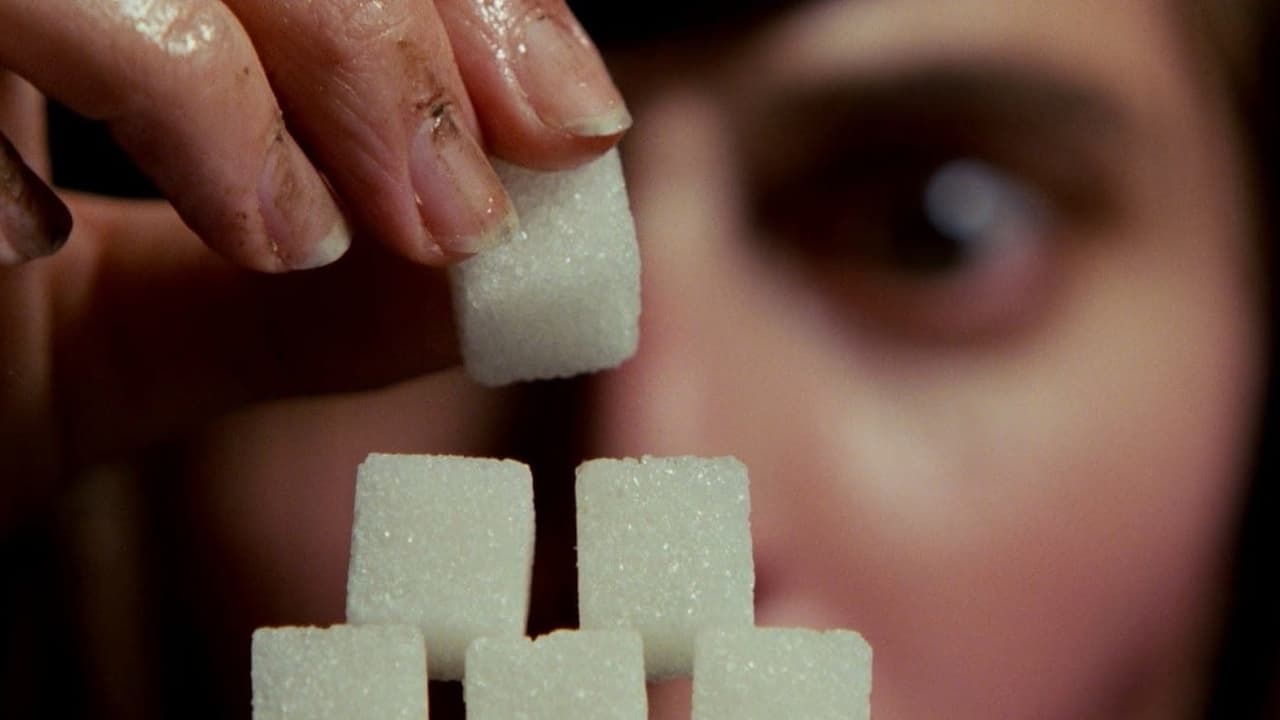
At the heart of the film's success is Jacki Kerin's performance as Linda. It’s a wonderfully understated portrayal of a woman gradually coming undone. She doesn't descend into hysterics; instead, Kerin conveys Linda's mounting fear through subtle shifts in expression, a widening of the eyes, a hesitant step. We see her trying to rationalize the inexplicable, clinging to logic even as the house seems determined to shatter it. It’s a performance that feels deeply authentic, grounding the supernatural elements in genuine human vulnerability. Does her inheritance include not just the property, but the madness apparently documented in her mother's journals?
Supporting her is a young John Jarratt as Barney, Linda’s concerned boyfriend. It's fascinating seeing him here, decades before his terrifying turn in Wolf Creek (2005), playing a far more conventional, supportive role. He represents Linda's connection to the outside world, the normality she's drifting away from. Alex Scott also adds a touch of quiet menace as Dr. Barton, the attending physician whose calm demeanor may hide something else entirely.
### Style Over Shock (Mostly)
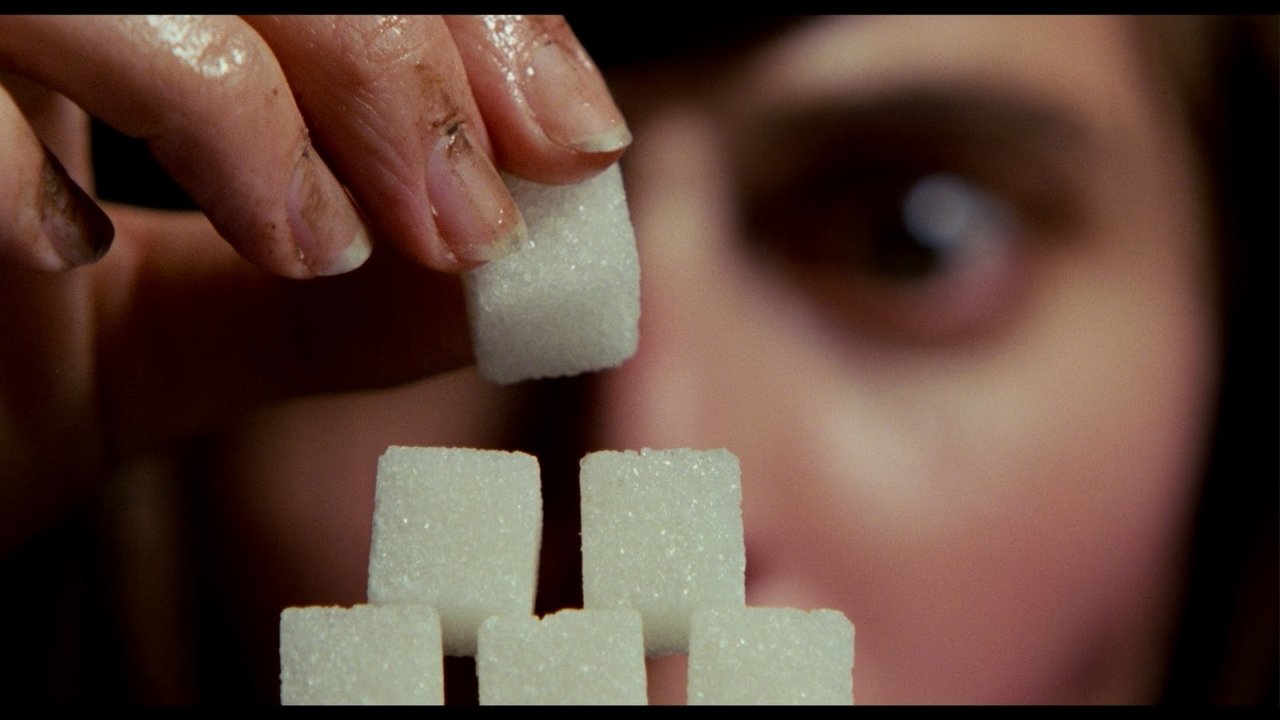
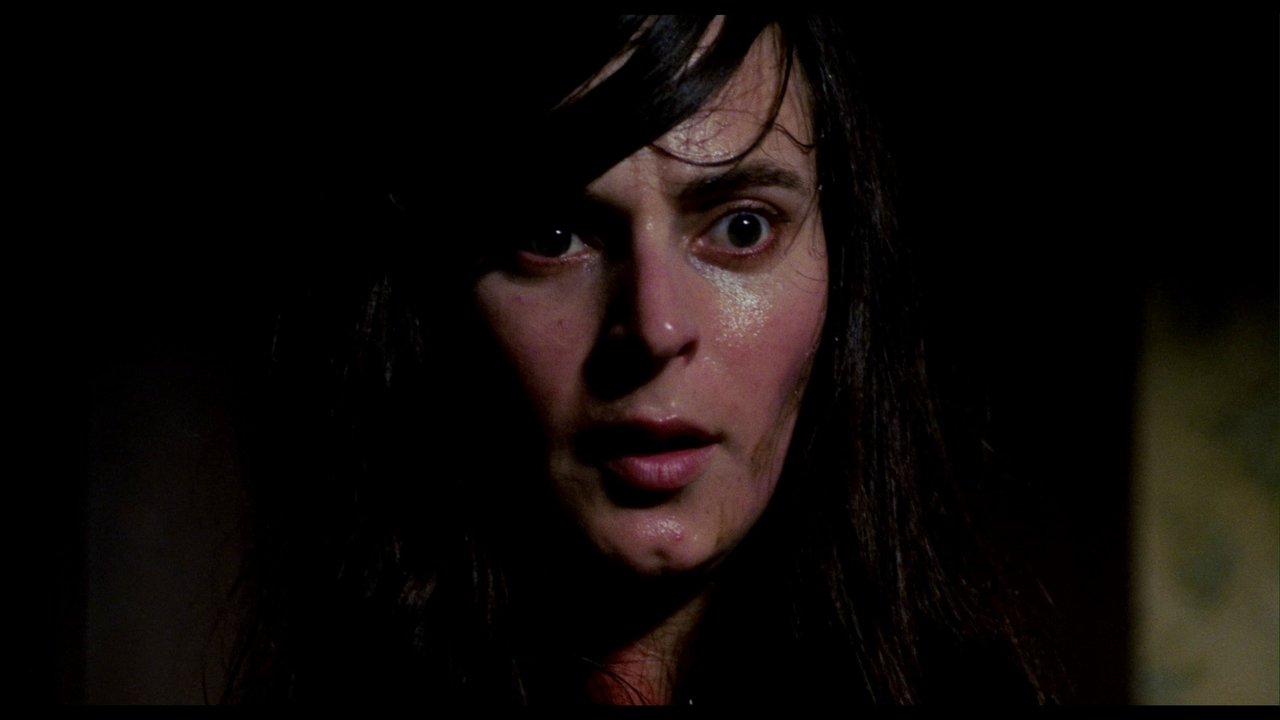
Next of Kin owes a debt to European horror, particularly the Italian giallo movement, with its stylistic flourishes, methodical pacing, and focus on psychological disintegration over relentless gore (though it certainly doesn't shy away from violence when the time comes). Williams and cinematographer Gary Hansen use deliberate camera movements, wide shots emphasizing Linda's smallness within the imposing structure, and unsettling close-ups that create a sense of invasive scrutiny. The score by Klaus Schulze (of Tangerine Dream fame, a band synonymous with evocative 80s synth scores) is crucial, building tension with minimalist electronic pulses and ambient dread rather than orchestral stings.
Interestingly, the film struggled to find an audience initially, particularly in its native Australia. It was perhaps too slow, too ambiguous for viewers expecting a straightforward slasher flick. It reportedly cost around AUD $1 million to make back in 1981/82, a respectable budget for an Australian film then, but it didn't make significant waves at the box office. Its reputation grew over time, primarily through word-of-mouth and its eventual release on VHS, where it became something of a cult discovery for those willing to dig a little deeper in the horror section. It’s a film that rewards patience, letting its secrets unravel slowly before culminating in a truly shocking and visceral final act that shifts gears dramatically. Spoiler Alert! That explosive climax, shifting from psychological dread to outright survival horror, feels earned precisely because of the meticulous build-up.
### Rediscovered Dread
The film’s resurgence in recent years owes a debt to champions like Quentin Tarantino, who famously programmed it at his QT Fest in Austin, Texas, calling it a masterpiece. This helped bring it to the attention of a new generation of genre fans. Seeing it now, it feels remarkably prescient, exploring themes of inherited trauma and the inescapable pull of the past that remain potent today. It avoids many of the cheaper tricks common in horror, relying instead on carefully crafted suspense and that overwhelming sense of atmosphere.
Does it feel dated? Perhaps in its pacing for some modern viewers accustomed to quicker cuts and constant stimuli. But the core elements – the chilling setting, Kerin's terrific central performance, the unsettling ambiguity, and that unforgettable climax – remain incredibly effective. It’s a film that understands that true horror often lies not in what jumps out at you, but in what waits, patiently, in the shadows of the familiar. I remember renting this one based purely on the vaguely sinister cover art, expecting something entirely different, and being utterly captivated by its unique, creeping dread. It’s a feeling that lingers.
Rating: 8/10
Justification: Next of Kin earns its high marks for its masterful creation of atmosphere, Jacki Kerin's compelling lead performance, its intelligent direction, and a genuinely surprising and impactful final act. It skillfully blends psychological horror with slasher elements, building suspense deliberately and effectively. While its slow pace might deter some, it's integral to the film's power. A point or two might be deducted for minor plot conveniences or that very deliberate pacing which won't connect with everyone, but its strengths as a unique and unsettling piece of Ozploitation cinema are undeniable.
Final Thought: Some films shout, others whisper secrets that crawl under your skin. Next of Kin is firmly in the latter camp, a chilling reminder that sometimes the most terrifying ghosts are the ones waiting for us in the places we call home.