### A Psychedelic Trip Through Time and Metal
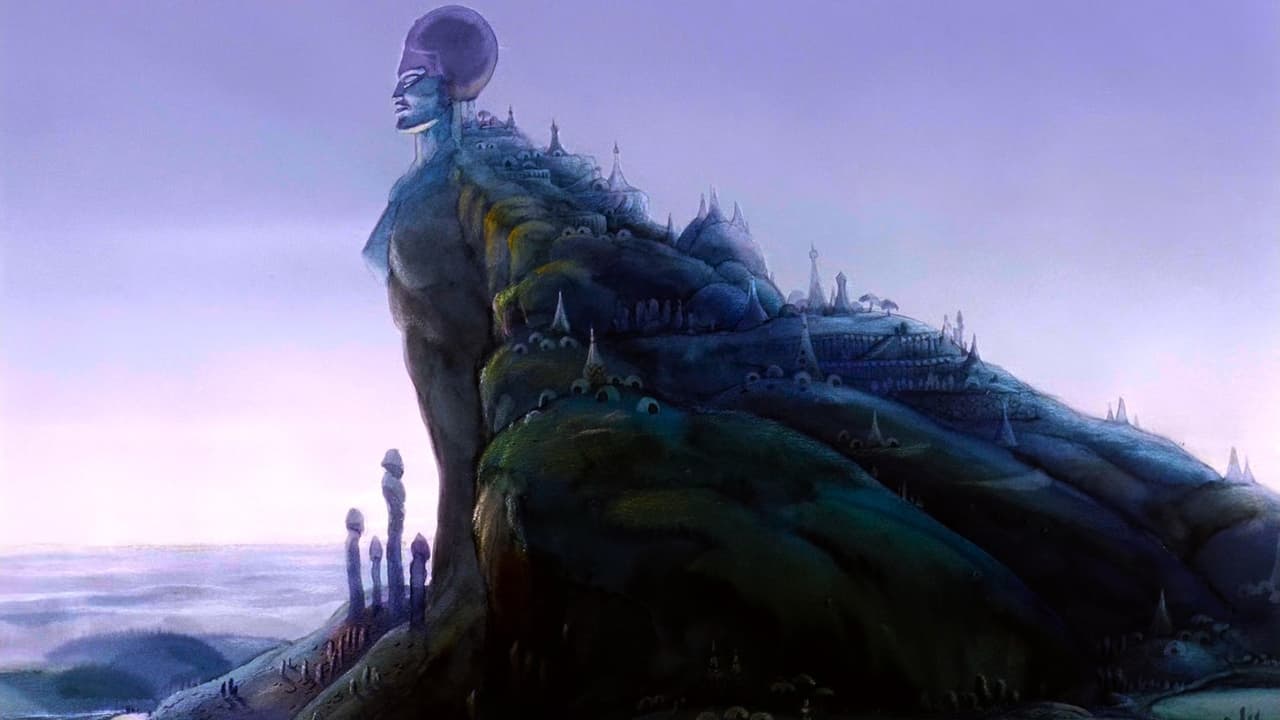
Stumbling across the VHS box for Gandahar (or perhaps its US release title, Light Years) back in the day felt like uncovering a secret. Tucked between familiar blockbusters and cartoon fare, its cover art hinted at something utterly alien – dreamlike landscapes, strangely organic technology, and figures that seemed plucked from a surrealist painting. This wasn't your standard Saturday morning cartoon fodder; this was something else. And indeed, slipping that tape into the VCR opened a portal to a truly unique and often mesmerizing animated world, courtesy of French animation auteur René Laloux.
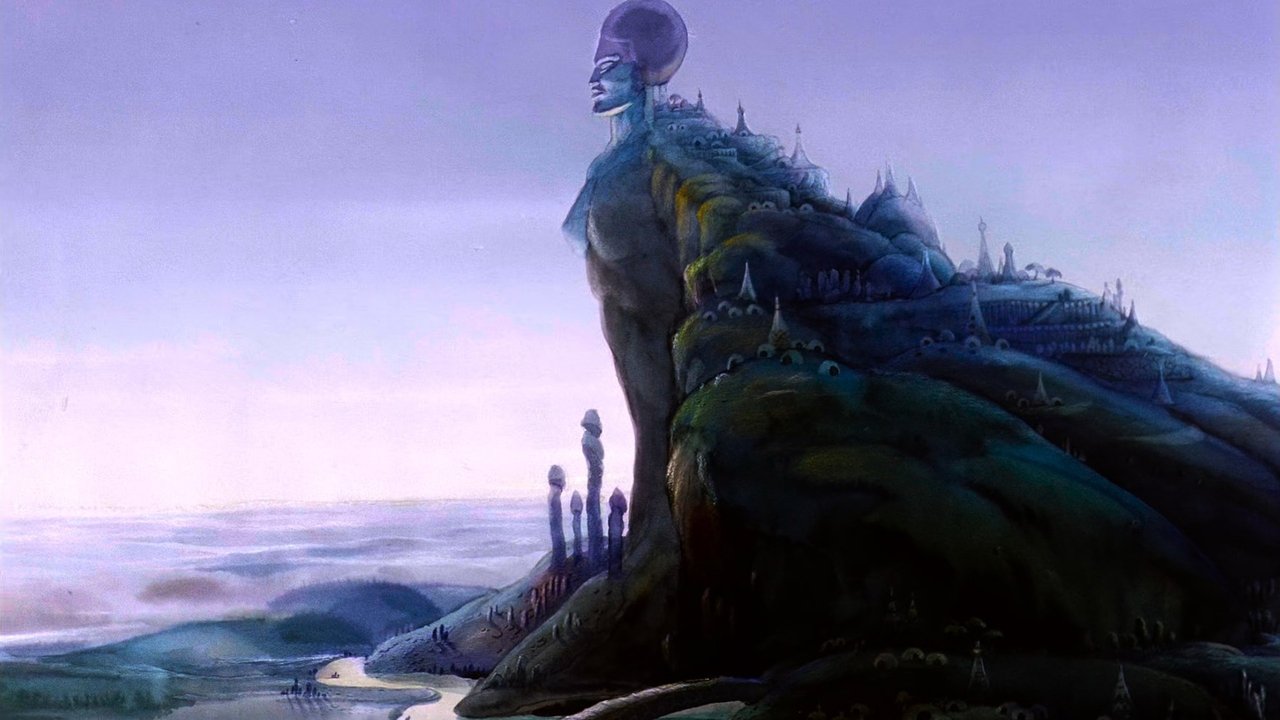
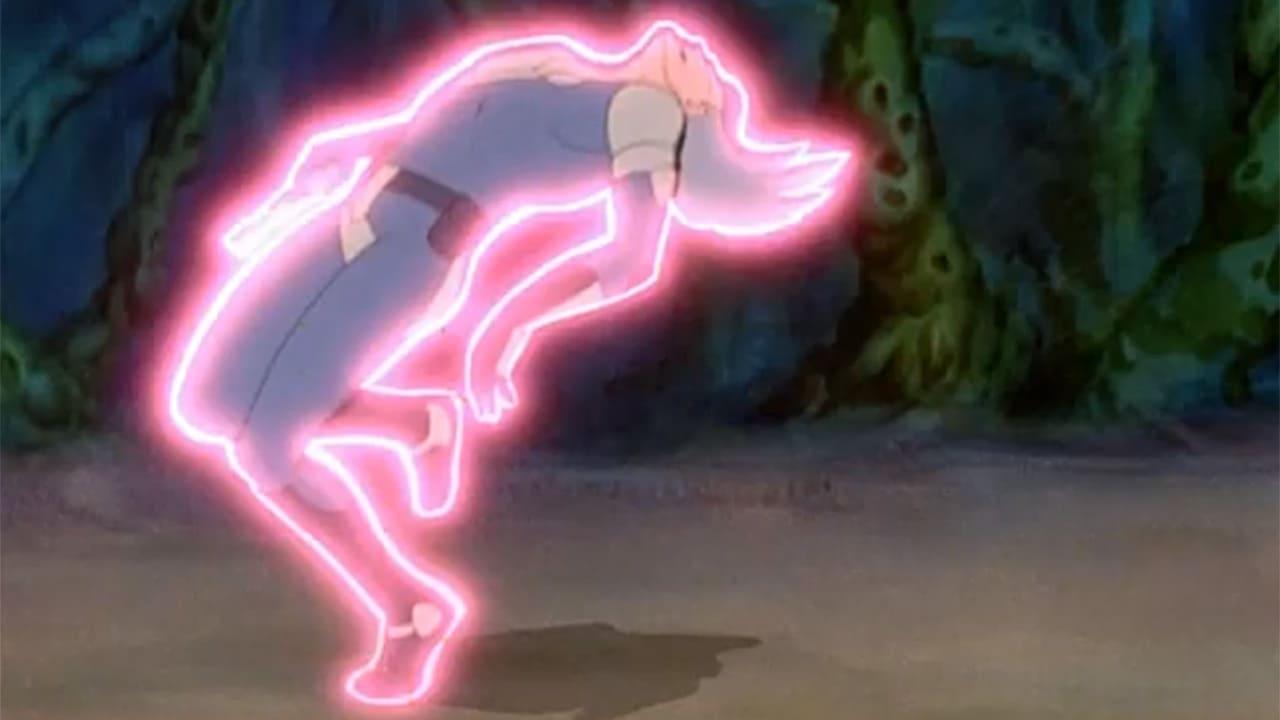
If you knew Laloux's name at all, it was likely from his earlier, equally mind-bending masterpiece, Fantastic Planet (1973). Gandahar carries that same DNA of thoughtful, philosophical science fiction wrapped in stunningly original visuals. Released in 1987 and based on Jean-Pierre Andrevon's novel Les Hommes-machines contre Gandahar, the film transports us to a utopian paradise, Gandahar, where the populace lives in idyllic harmony, having mastered advanced genetics but eschewed harsh technology. It's a world of serene beauty, pastel colours, and inhabitants seemingly content in their blissful existence. But paradise is abruptly threatened by the arrival of the Men of Metal – cold, black, robotic figures who march relentlessly, turning living beings into petrified statues with beams of light before marching them away.
Into the Strange Unknown
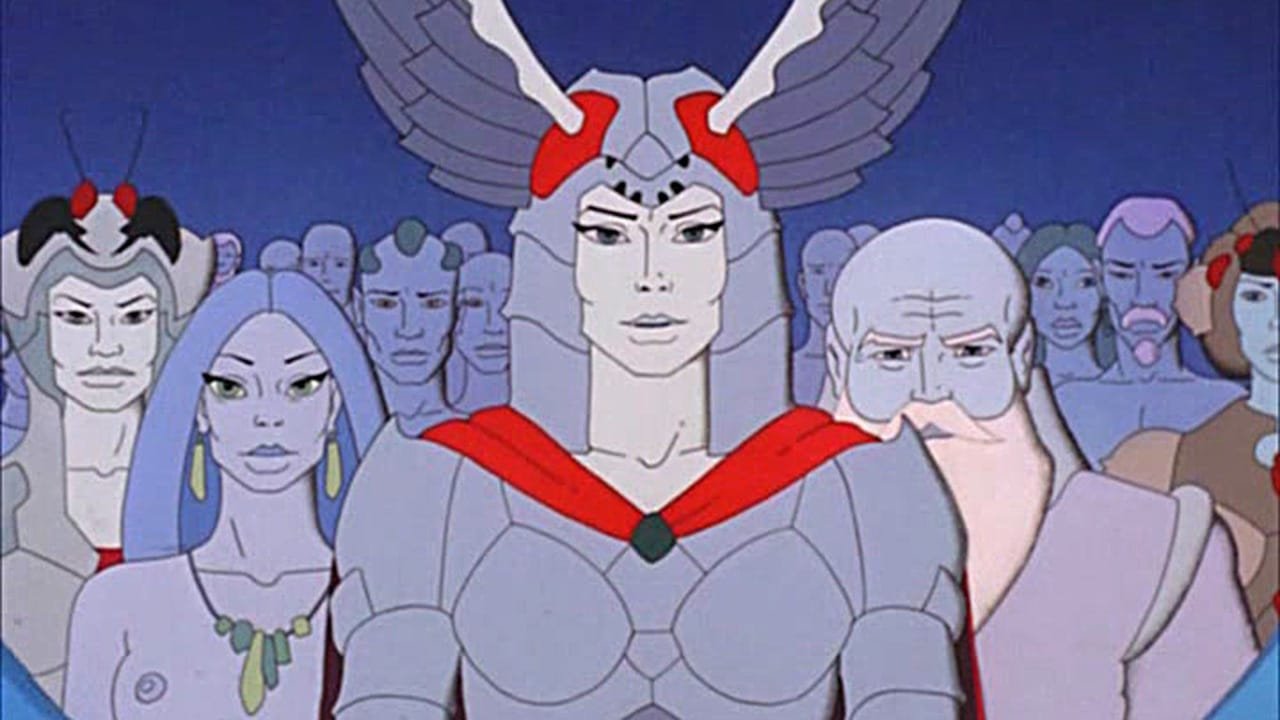
Our guide through this unfolding crisis is Sylvain (Pierre-Marie Escourrou in the original French, voiced by Glenn Close's husband John Shea in the English dub), a young Gandaharian tasked with investigating the metal menace. His journey takes him across bizarre landscapes populated by strange creatures, including the Deformed – failed genetic experiments banished by the Gandaharians – and leads him to confront uncomfortable truths about his own perfect society. He also encounters the beautiful Airelle (Catherine Chevallier / Jennifer Grey in the English version), adding a touch of romance to the existential quest.
What truly sets Gandahar apart, then and now, is its visual style. Forget the crisp lines of Disney or the dynamic action of anime; Laloux crafts a world that feels hand-painted, fluid, and deeply organic. The character designs are unconventional, the backgrounds lush and imaginative, evoking the feel of European comic art like Moebius. There's a deliberate, almost languid pace to the animation that forces you to soak in the atmosphere, making the sudden appearances of the stark, unfeeling Men of Metal all the more jarring. It's a visual feast, even if the animation itself might feel less fluid than what audiences were becoming accustomed to by the late 80s.
Sci-Fi Brain Food and Retro Fun Facts
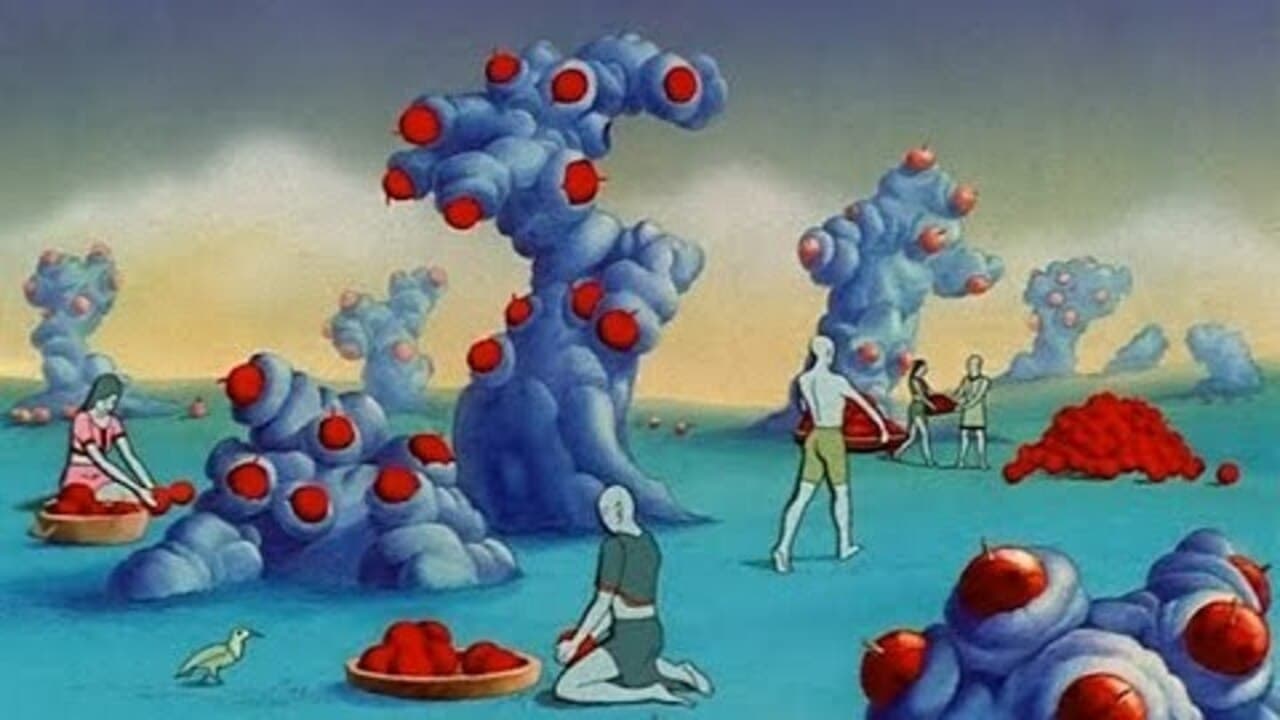
Beyond the visuals, Gandahar offers surprisingly chewy science fiction concepts. The central mystery involves not just space, but time, leading to a mind-bending temporal paradox that feels genuinely clever. Themes of utopia's potential stagnation, the ethics of genetic manipulation, and the fear of an unfeeling, mechanized future resonate strongly. It's animation aimed squarely at an older audience, unafraid to be weird, philosophical, and even a little unsettling.
Here's a fascinating piece of VHS-era history: the English version, Light Years, wasn't just dubbed; it was adapted with story and dialogue input from none other than sci-fi literary giant Isaac Asimov! His involvement, brought about by producer Harvey Weinstein (a name now viewed very differently, of course), aimed to make the film more accessible to American audiences. While Asimov reportedly streamlined some dialogue and slightly altered the ending, his touch adds another layer of sci-fi credibility. Interestingly, the Light Years version also toned down some of the nudity and more mature elements present in Laloux's original French cut, a common practice for international animation releases back then. Even with these changes, the core strangeness and beauty remained intact. The film carried a modest budget but its unique artistry far outweighs any financial limitations.
A Journey Worth Remembering?
Gandahar isn't a perfect film. Its deliberate pacing can sometimes feel slow, and the narrative, while intriguing, occasionally gets lost in its own philosophical musings. Some viewers might find the characters a bit underdeveloped compared to the richness of the world they inhabit. Yet, its sheer originality and artistic ambition make it a captivating watch. Seeing those armies of black robots marching against the lush, organic backdrop of Gandahar is an unforgettable image, a striking visual metaphor that sticks with you.
It never achieved mainstream fame, remaining a cult curiosity whispered about by animation fans and sci-fi aficionados. But finding it felt like discovering a hidden gem, a testament to a time when animation could be wildly experimental and deeply personal. It didn’t offer the easy thrills of a summer blockbuster, but it provided something arguably more lasting: a sense of wonder, a touch of the truly alien, and plenty to ponder long after the tape finished rewinding.
VHS Heaven Rating: 8/10
Gandahar earns a strong 8 for its breathtaking artistic vision, its willingness to tackle mature sci-fi themes through animation, and its status as a truly unique artifact of its era. While the pacing might test some patience and the English dub feels slightly different from the original intent (Laloux himself wasn't entirely pleased with the Light Years version), the sheer beauty, strangeness, and intellectual ambition make it a standout. It's a film that transports you, not just to another world, but perhaps to another state of mind.
For those seeking animation beyond the usual, Gandahar remains a strange, beautiful, and unforgettable trip – a flickering transmission from a paradise lost, well worth tuning in for.