Nausicaä of the Valley of the Wind
Picture this: a world consumed by a creeping, toxic jungle, vast insects roaming the wastelands, and humanity clinging to existence in isolated pockets. It sounds like standard post-apocalyptic fare, perhaps, but the film that brought this vision to life in 1984 was anything but standard. Nausicaä of the Valley of the Wind wasn't just another animated feature; it was a breathtaking glimpse into a future crafted with artistry, heart, and an ecological conscience decades ahead of its time. For many of us digging through the treasures of the video store racks, finding this tape felt like uncovering a secret, a portal to a kind of animation we hadn't quite seen before.
Beyond the Spore-Filled Breeze
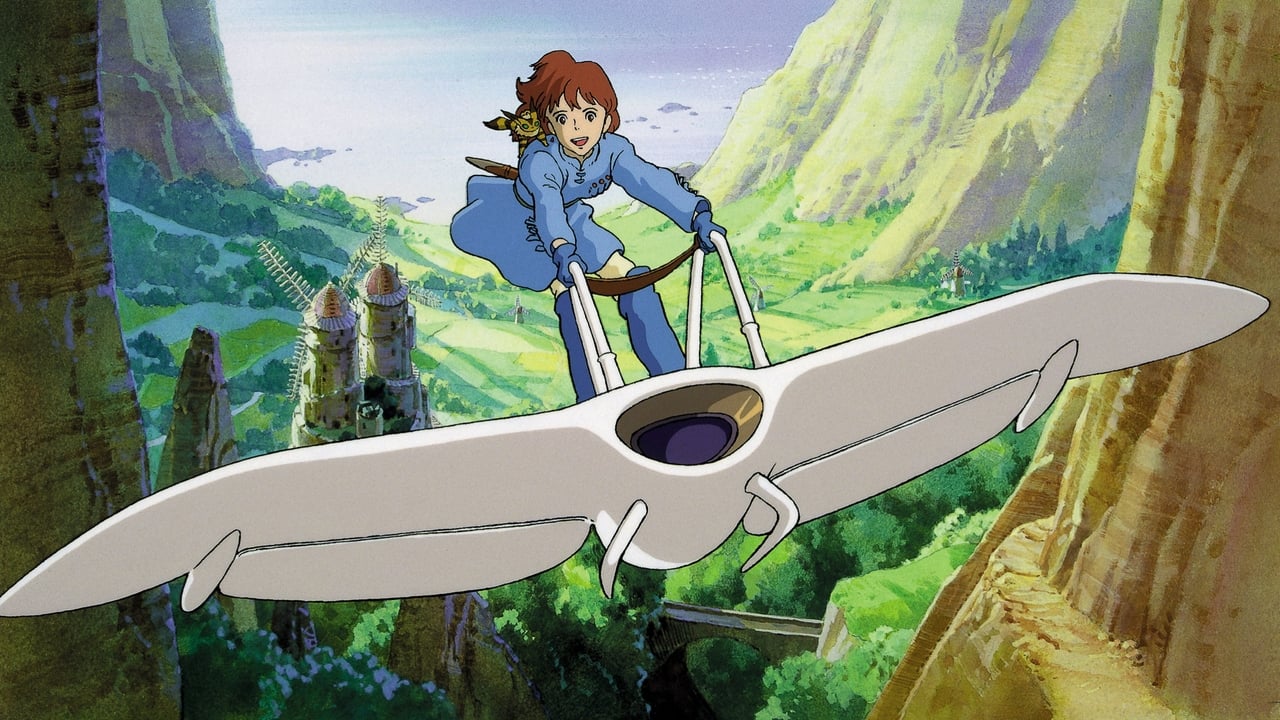
Directed and written by the now-legendary Hayao Miyazaki, based on his own sprawling manga series, Nausicaä transports us 1,000 years after the "Seven Days of Fire," an apocalyptic war that scorched the Earth and birthed the Toxic Jungle (or Fukai). This poisonous forest is home to colossal, often terrifying, insect life, most notably the giant, armored Ohmu. Humanity survives in scattered settlements, constantly threatened by the jungle's expansion and the lingering tensions between rival kingdoms. Our entry point is the eponymous Valley of the Wind, a serene, pastoral refuge shielded by sea breezes, led by a wise, ailing king and protected by his courageous daughter, Princess Nausicaä.
A Princess Who Flies and Understands
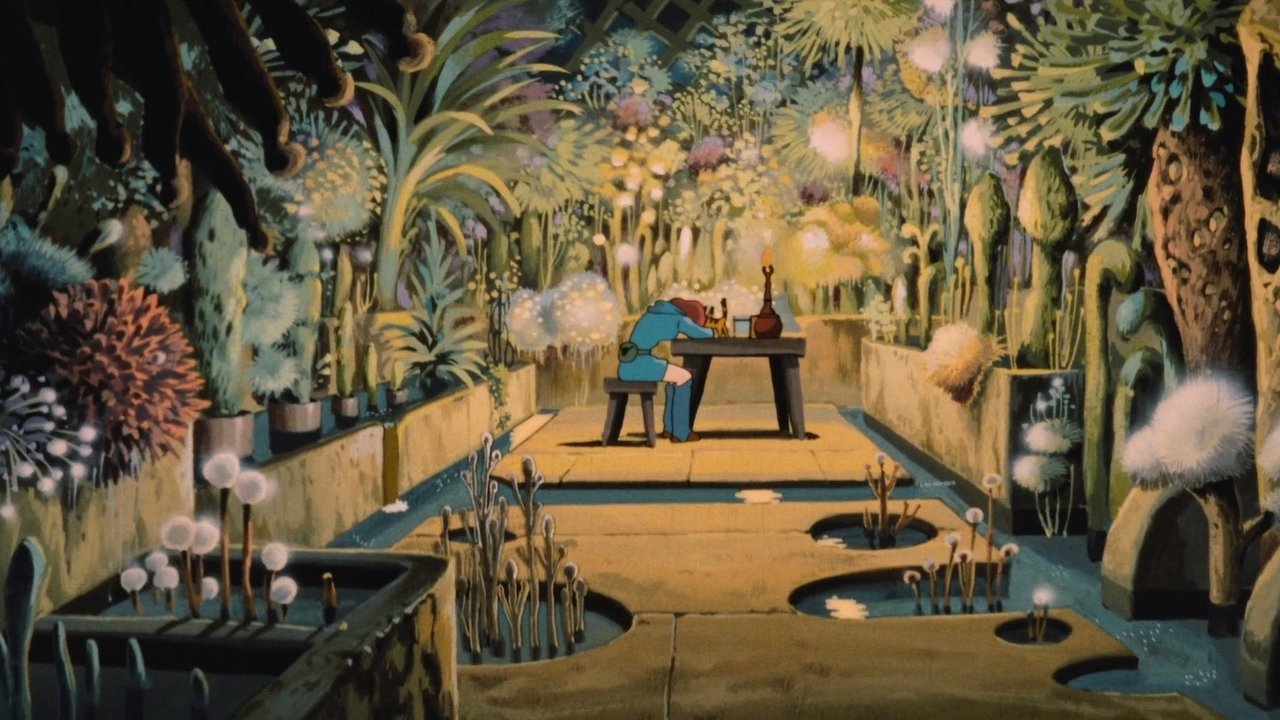
Forget damsels in distress. Nausicaä, voiced with gentle strength by Sumi Shimamoto, is one of cinema's great heroines, animated or otherwise. She’s a skilled pilot, zipping through the skies on her elegant glider, the Mehve (and who didn't dream of piloting one of those?). More importantly, she possesses a profound empathy, not just for her people, but for the feared creatures of the Toxic Jungle, particularly the Ohmu. She understands the delicate balance of her world and seeks harmony rather than conquest. Watching her navigate complex political intrigue – particularly the arrival of the militaristic Tolmekians and their destructive ambitions involving an ancient Giant Warrior bioweapon – while staying true to her compassionate core is utterly compelling. Supporting characters like the wise mentor Lord Yupa (Goro Naya) and the determined young pilot Asbel (Yoji Matsuda) add depth to this rich tapestry.
An Animated Epic is Born
Even today, the sheer visual ambition of Nausicaä is stunning. Produced by Topcraft (many of whose key staff, including Miyazaki, Isao Takahata, and composer Joe Hisaishi, would form Studio Ghibli because of this film's success), the animation boasts a level of detail and fluidity that was simply groundbreaking in 1984. The world-building is immense: the alien beauty of the Toxic Jungle, the intricate designs of the airships and technology, the expressive, nuanced character animation. The flight sequences are exhilarating, capturing a sense of freedom and wonder. And the Ohmu? They are incredible creations – terrifying in their stampeding fury, yet strangely majestic, their shifting eye colors conveying complex emotions. This wasn't just cartooning; it was world-crafting on an epic scale.

Retro Fun Facts: The Ghibli Seed and a Botched Dub
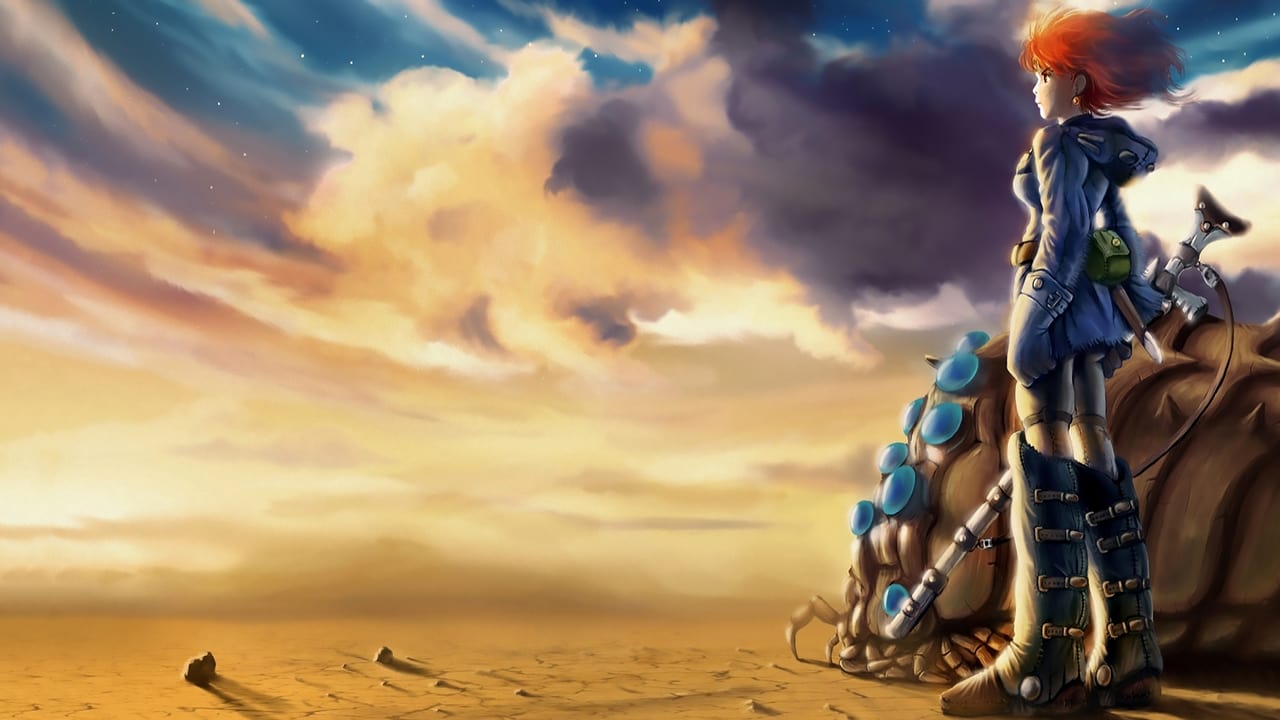
Nausicaä holds a special place as the catalyst for Studio Ghibli. Its critical and commercial success in Japan (grossing ¥1.48 billion, roughly $7 million USD back then, a significant sum for animation) provided the clout and finances needed for Miyazaki and his collaborators to establish their own animation house just a year later in 1985. Because of this direct lineage, it's often honorary included in the Ghibli canon, despite technically predating the studio.
But its journey to Western audiences, particularly on VHS, wasn't always smooth. Many of us might have first encountered a severely edited version called Warriors of the Wind. Released by New World Pictures in 1985, this cut hacked out nearly 30 minutes, changed character names, drastically altered the plot, and slapped on inappropriate, action-movie cover art featuring characters not even in the film! It misrepresented Miyazaki's thoughtful story as a generic action romp. This experience famously led Miyazaki and Ghibli to enforce a strict "no cuts" policy for future international releases – a blessing for fans worldwide. Discovering the uncut, original Nausicaä later felt like watching an entirely different, infinitely superior film.
It's also fascinating to note that the film only covers roughly the first quarter of Miyazaki's manga, which he continued to write until 1994. The manga delves even deeper into the world's complex history and moral ambiguities. And we can't forget the score! This marked the first collaboration between Miyazaki and composer Joe Hisaishi, a partnership that would define the sound of Ghibli for decades to come. Hisaishi's blend of synthesizers and orchestral sweep perfectly captures the film's unique mix of futuristic wonder and ancient melancholy.
A Message That Echoes Through Time
Beyond the thrilling adventure and stunning visuals, Nausicaä resonates powerfully because of its themes. Its potent environmental message – exploring pollution, humanity's destructive relationship with nature, and the possibility of coexistence – feels more relevant today than ever. It doesn't offer easy answers, presenting a world where the lines between "good" and "evil," "natural" and "unnatural," are beautifully blurred. Nausicaä's journey is one of understanding, urging compassion and dialogue over violence and fear. It’s a sophisticated, moving narrative that treats its audience, young or old, with intelligence.
---
VHS Heaven Rating: 9.5/10
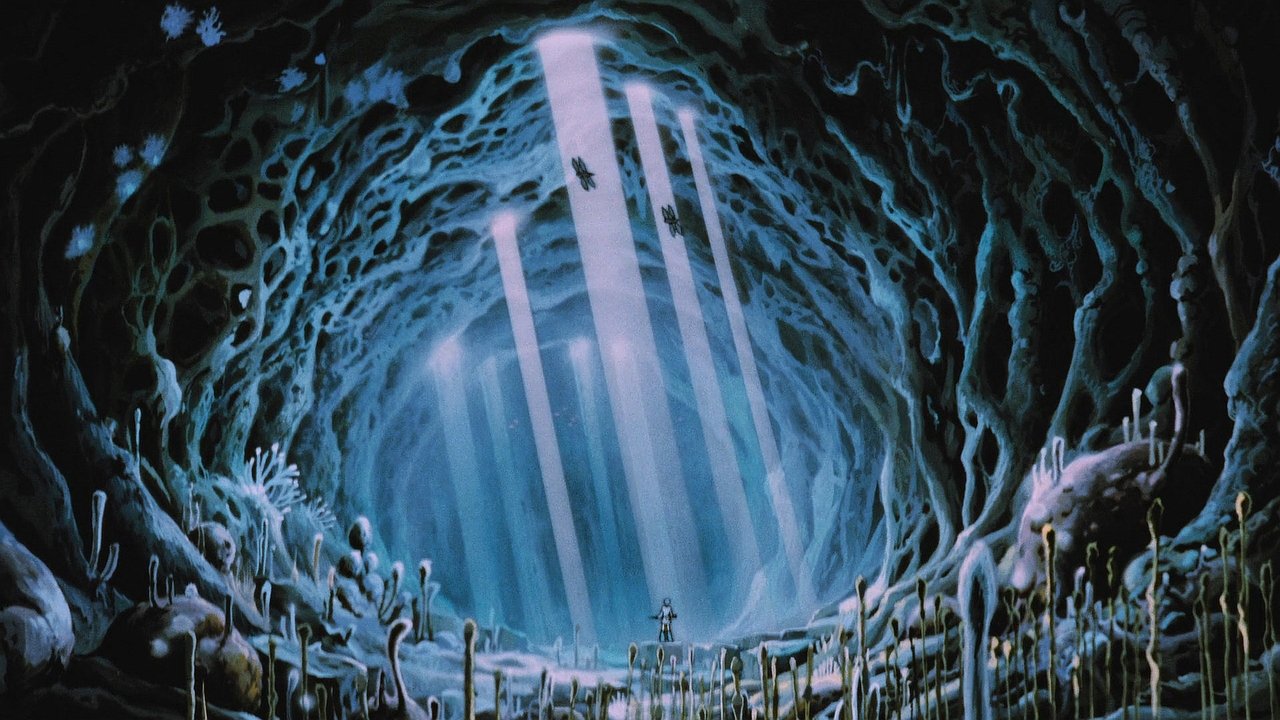
Nausicaä of the Valley of the Wind isn't just a great animated film; it's a landmark piece of imaginative storytelling. Its breathtaking artistry, compelling heroine, intricate world-building, and deeply resonant themes were extraordinary in 1984 and remain potent today. While the animation occasionally shows its age compared to later Ghibli productions, its ambition and heart are timeless. Finding the real Nausicaä on tape (or later, DVD/Blu-ray) after potentially suffering through Warriors of the Wind felt like discovering a lost masterpiece. It’s a film that truly captured the imagination, offering a sense of wonder and a thoughtful perspective that stays with you long after the credits roll.
It’s more than just an anime; it's a foundational epic, a soaring flight of fantasy that helped launch arguably the greatest animation studio in the world. A true treasure from the dawn of a new era in animation.