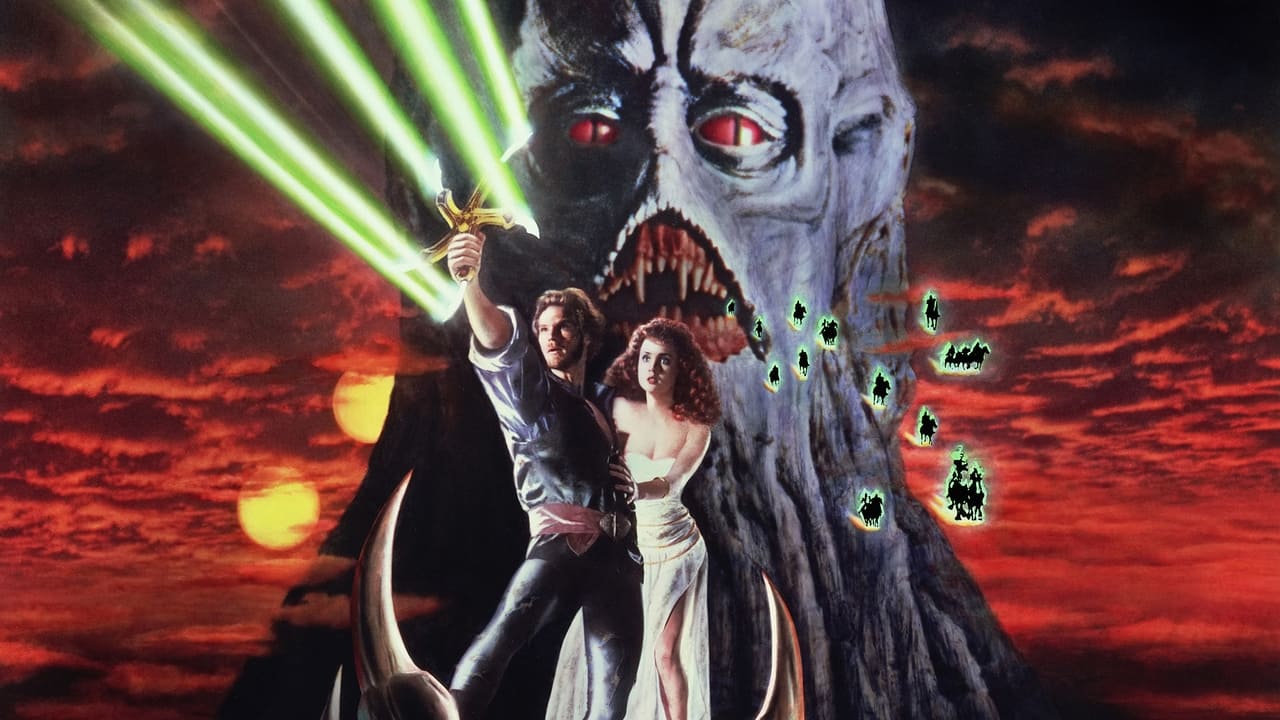
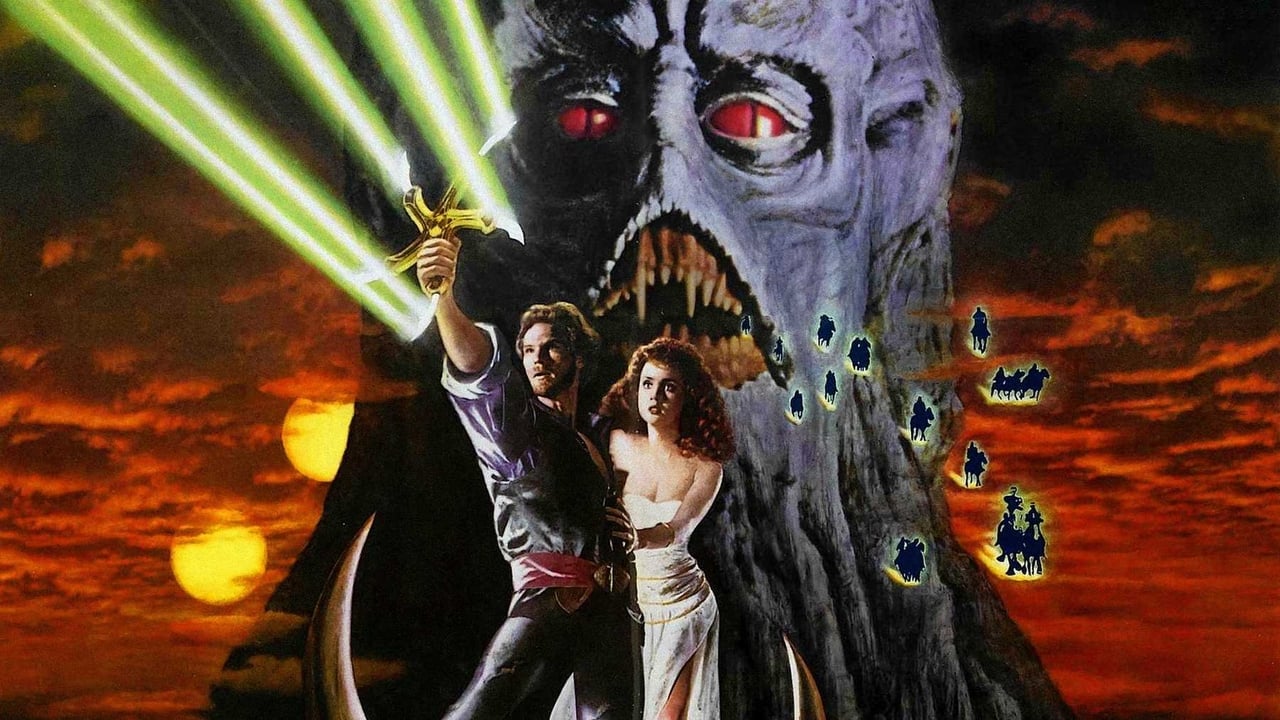
Picture this: a colossal mountain, black as obsidian and bristling with jagged peaks, detaches itself from the heavens, spitting fire as it descends upon a tranquil, medieval world. This isn't just any mountain; it's the Black Fortress, star-traveling citadel of the aptly named Beast and his army of Slayers. That's the jaw-dropping opening gambit of Krull, the 1983 fantasy epic that dared to crash-land science fiction smack dab in the middle of a sword-and-sorcery tale. For many of us browsing the aisles of the local video store, the distinctive VHS cover, maybe featuring that star-shaped weapon, was an irresistible lure into a truly unique adventure.
Swords, Sorcery, and... Lasers?
Directed by Peter Yates, a filmmaker more readily associated with gritty thrillers like Bullitt (1968) or the charming coming-of-age story Breaking Away (1979), Krull was a bold departure. Working from a script by Stanford Sherman, the film throws familiar fantasy tropes into a blender with high-tech invaders. We have a prophesied king, Prince Colwyn (Ken Marshall), destined to wield a powerful artifact; a fair princess, Lyssa (Lysette Anthony), kidnapped on her wedding day; and a quest to rescue her from the clutches of an otherworldly evil. But instead of just orcs and goblins, Colwyn faces Slayers who fire energy weapons and whose slain bodies dissolve, leaving behind only writhing parasitic creatures. It’s a strange brew, one that perhaps didn't quite land with mainstream audiences or critics back in '83, contributing to its unfortunate status as a box office disappointment (grossing only around $16.5 million against a reported budget of $27 million – a hefty sum for the time!).
A Quest Forged in Ambition
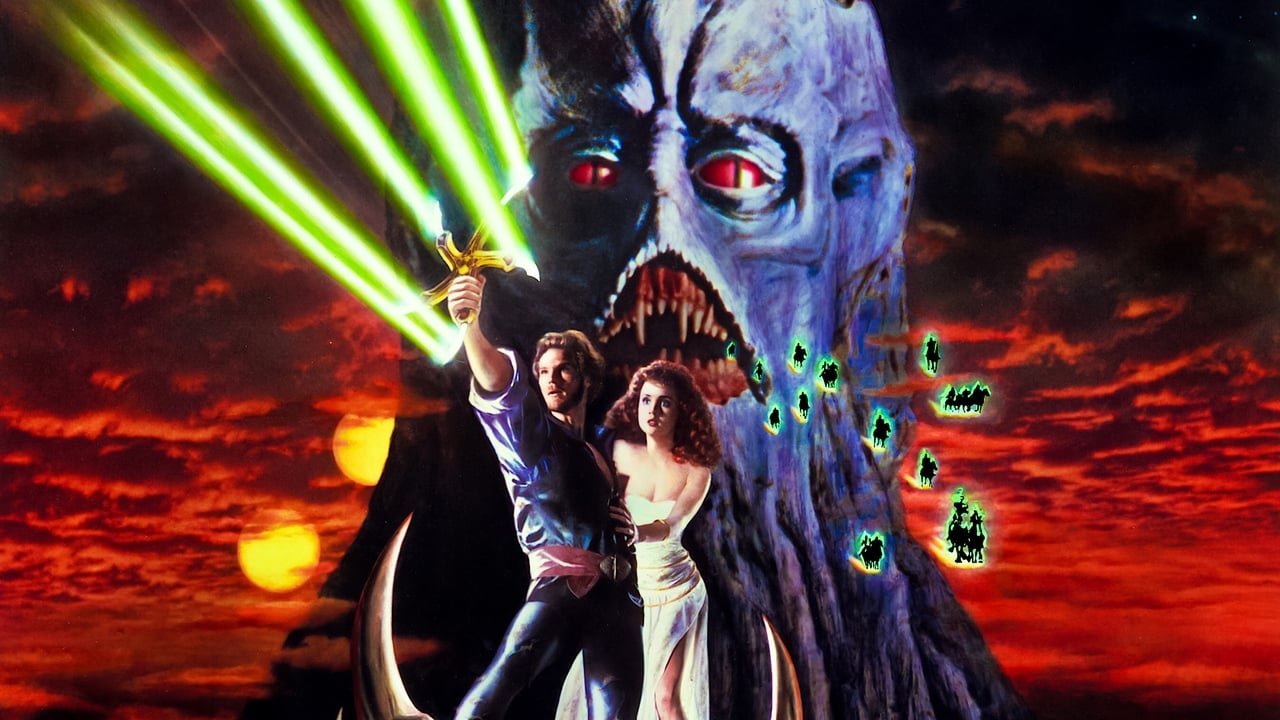
Despite its initial commercial stumbles, Krull oozes ambition. The quest narrative sees Colwyn gathering a motley crew, not quite a fellowship, but certainly memorable. We have the wise, slightly world-weary wizard Ynyr, played with gravitas by the wonderful Freddie Jones. There’s the tragic figure of the Cyclops, Rell, whose single eye sees his own death but allows him to guide the heroes. And eagle-eyed viewers will spot future stars Liam Neeson and Robbie Coltrane among the band of roguish adventurers lending Colwyn their aid (and often, comic relief). Their journey takes them across stunning landscapes – the production made excellent use of sweeping vistas in the Italian Dolomites, juxtaposed with colossal sets built at Pinewood Studios in England. Reportedly, the swamp set alone, constructed on the famous 007 Stage, was one of the largest interior sets built at the time, showcasing the film's commitment to visual scale.
The Weapon Every Kid Coveted
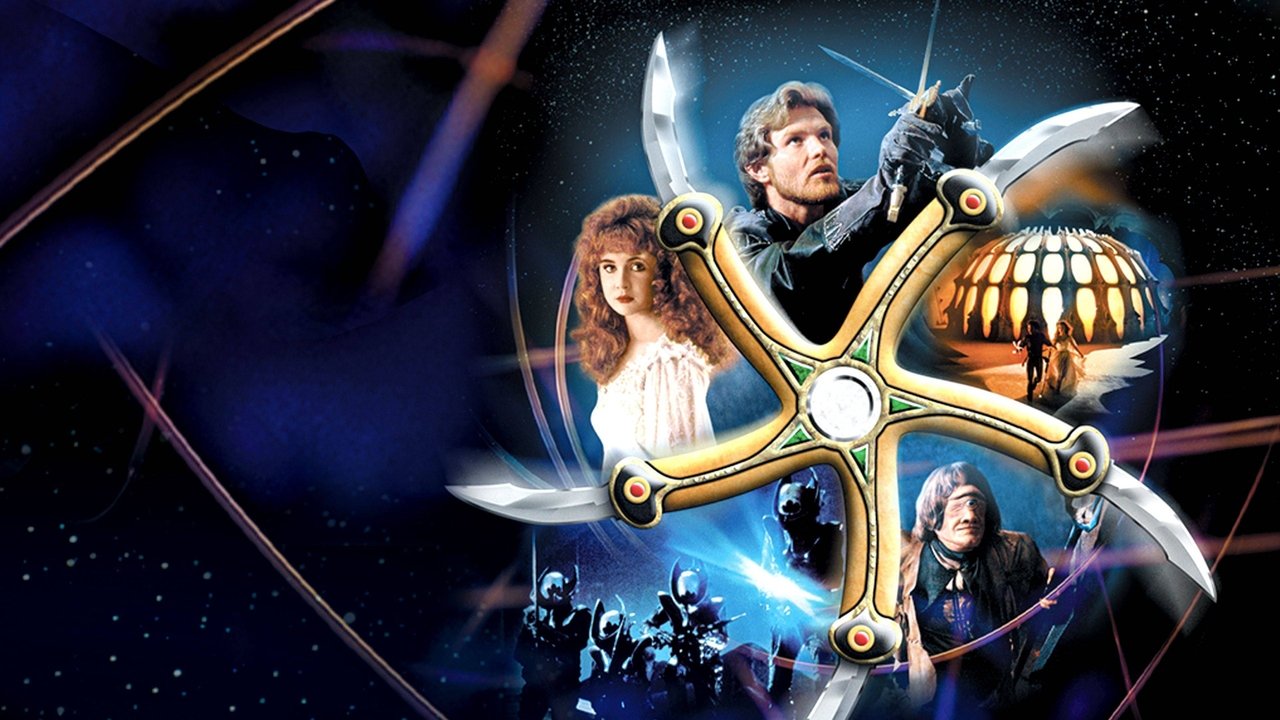
Let’s be honest, though. For many of us, the absolute standout element of Krull was, and perhaps still is, the Glaive. That five-bladed, magically returning throwing star wasn’t just a weapon; it was the coolest fantasy gadget imaginable. Seeing Colwyn summon it from molten rock and later use it in the climactic battle… well, it captured the imagination like few movie props before or since. I distinctly remember playground debates about how exactly it worked and wishing desperately for a toy version (which, sadly, wasn’t quite as impressive as the movie promised). The film’s practical effects, while occasionally showing their age now, still hold a certain charm. The memorable sequence involving the treacherous journey through the lair of the Crystal Spider, achieved through meticulous stop-motion animation, remains a standout piece of 80s fantasy filmmaking craft.
The Sound of Epic Fantasy
Elevating the entire spectacle is the truly magnificent score by the late, great James Horner. Fresh off his work on Star Trek II: The Wrath of Khan (1982), Horner delivered a sweeping, romantic, and thunderously heroic orchestral score that perfectly captures the film’s epic scope. It’s the kind of music that makes even mundane scenes feel grand, lending emotional weight to Colwyn’s quest and Lyssa’s plight. The main theme is instantly recognizable and ranks among Horner's best early works, a precursor to the iconic sounds he would bring to films like Aliens (1986) and Braveheart (1995).
A Cult Classic's Enduring Charm
Is Krull a perfect film? No. The pacing occasionally drags, some dialogue might induce a slight chuckle today, and lead actor Ken Marshall, while earnest, doesn't quite possess the magnetic charisma the role demands. And yes, the decision to dub Lysette Anthony's entire performance with the voice of American actress Lindsay Crouse remains a slightly baffling choice, lending an oddly detached quality to the princess. Yet, these quirks are arguably part of its enduring appeal. Krull feels like a film born entirely of the 80s – ambitious, slightly weird, utterly sincere, and visually inventive within the constraints of its era. It didn’t try to be Star Wars or Conan the Barbarian; it tried to be Krull, a singular vision blending disparate genres into something unique.
***

VHS Heaven Rating: 7/10
Krull might have stumbled commercially, but its sheer imagination, iconic weapon, stunning score by James Horner, and ambitious blend of sci-fi and fantasy earned it a treasured spot on many VHS shelves and a lasting cult following. It embodies that specific type of 80s fantasy epic – earnest, visually rich, a little bit clunky, but possessing a unique charm and adventurous spirit that’s hard to resist. The Glaive alone is worth the price of admission (or the rental fee, back in the day).
For fans of ambitious fantasy that dared to be different, Krull remains a journey worth taking, a glittering, five-bladed artifact retrieved from the dusty vaults of 80s cinema.