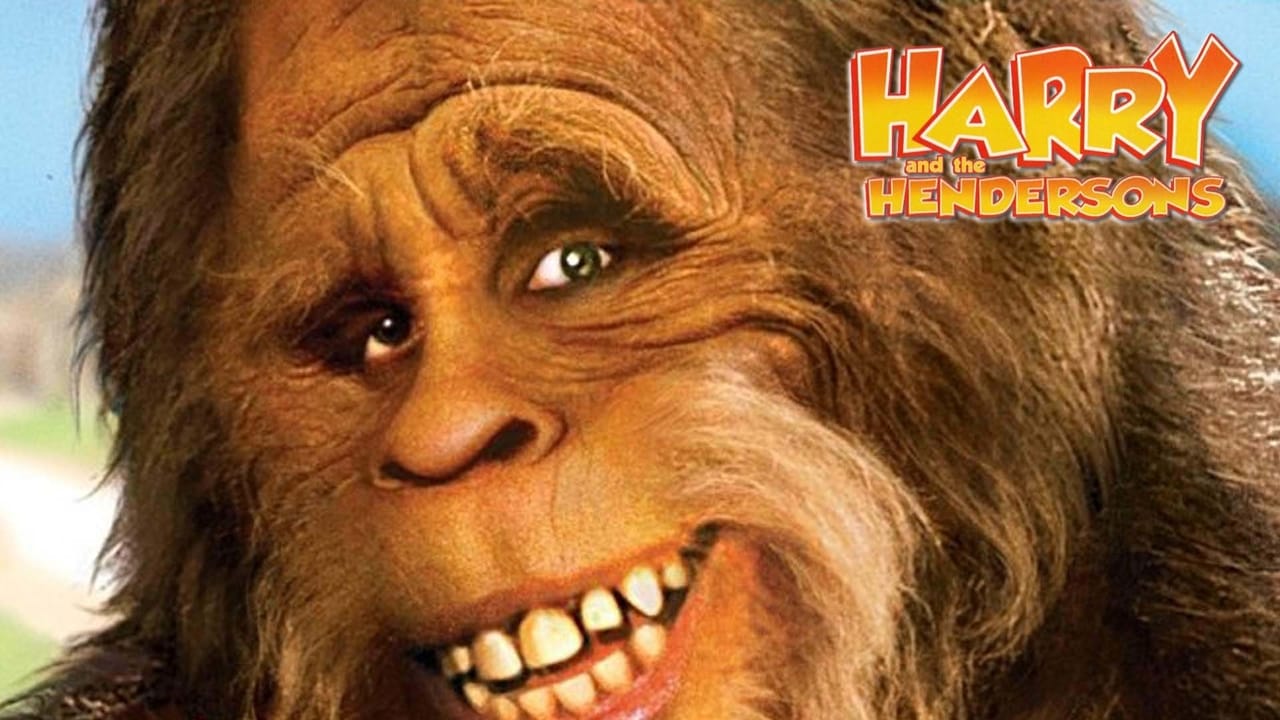
It begins with a station wagon, a camping trip ending, and a sudden, thudding impact on a lonely Pacific Northwest road. What the Henderson family initially fear is tragedy quickly transforms into something far more unbelievable: they’ve hit a Sasquatch. And thus kicks off Harry and the Hendersons (1987), a film that took the well-trodden Bigfoot myth and infused it with a surprising amount of heart, humor, and genuinely groundbreaking creature effects. For many of us browsing the aisles of the video store back then, the oversized, furry figure on the VHS cover promised an adventure unlike any other.
Bringing Bigfoot Home
Directed and co-written by William Dear (who would later bring us the charming baseball fantasy Angels in the Outfield in 1994), the film smartly centers on the relatable chaos of the Henderson family. John Lithgow, already a versatile and acclaimed actor known for everything from The World According to Garp (1982) to Footloose (1984), absolutely shines as George Henderson. His initial panic and pragmatism ("We hit a Bigfoot! With the station wagon!") slowly melts into bewildered affection and fierce protectiveness. Alongside him, Melinda Dillon as Nancy Henderson provides the warm, grounding presence, while Margaret Langrick and Joshua Rudoy as the kids, Sarah and Ernie, embody the childhood wonder of discovering something truly magical, even if it's currently wrecking their living room. The family dynamic feels authentic, anchoring the extraordinary events in a believable suburban reality.
The Star of the Show Isn't Human
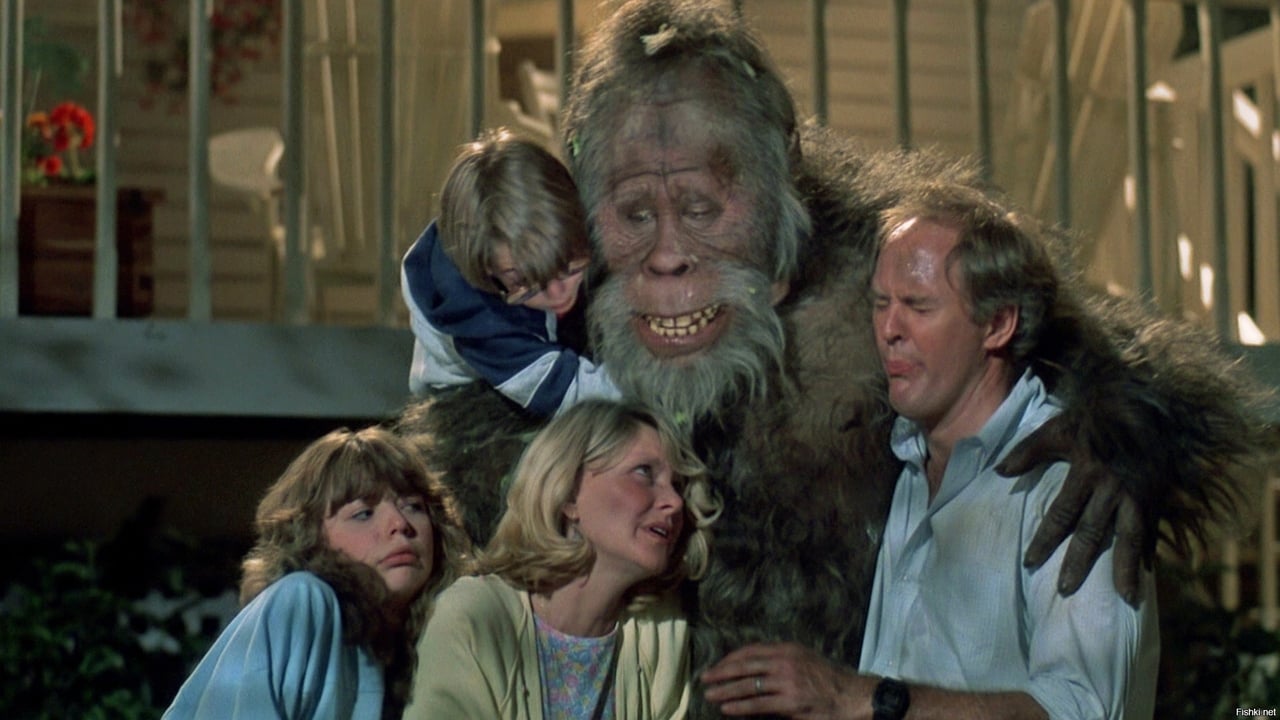
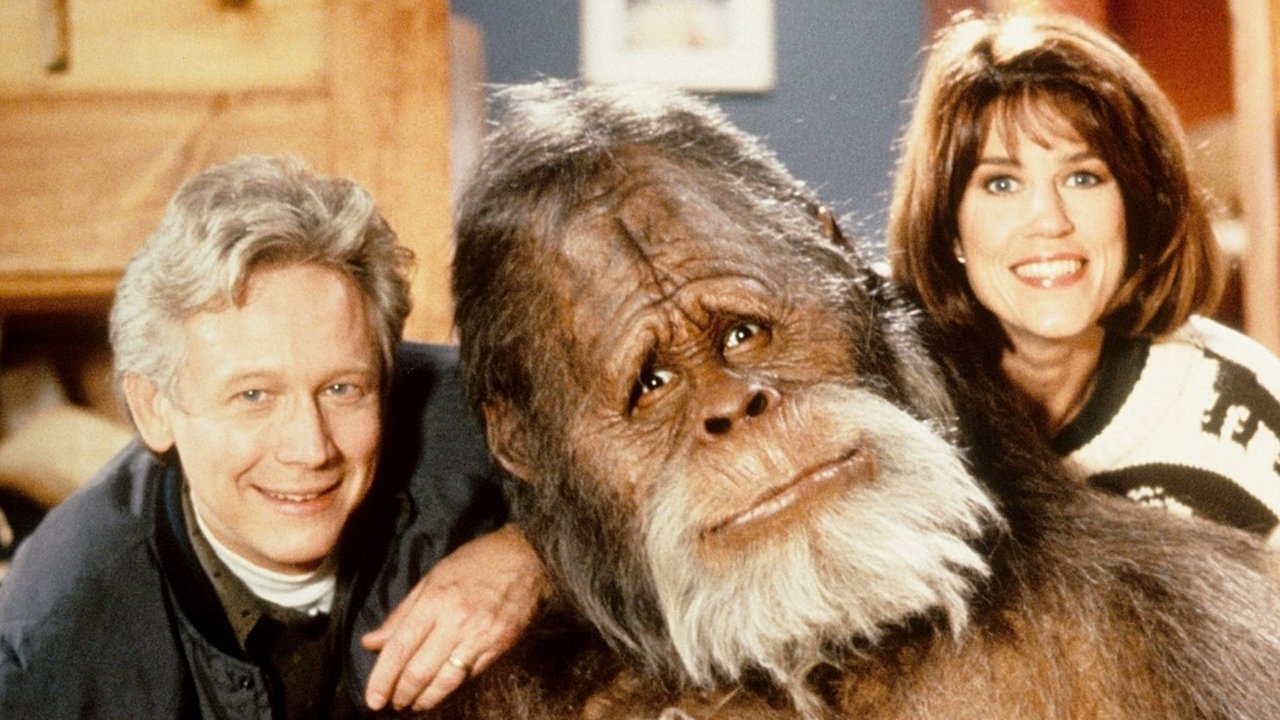
Let's be honest, though: the real star here is Harry. Brought to life by the legendary Rick Baker and his team, the creature suit wasn't just technically impressive; it was revolutionary. This wasn't the blurry Patterson-Gimlin figure or a snarling monster. Baker's creation, which deservedly won the Academy Award for Best Makeup, gave Harry a startling range of expressions – curiosity, confusion, sadness, gentleness. Inside the incredibly complex and reportedly very hot suit was the towering Kevin Peter Hall (who, in the very same year, was terrifying audiences as the titular hunter in Predator!). Hall's physical performance imbued Harry with a personality that transcended the limitations of latex and fur. He conveyed so much through posture and subtle movements, making Harry feel less like a special effect and more like a genuine character we could root for. It’s a testament to both Baker's artistry and Hall's performance that Harry remains one of cinema's most endearing cryptids.
More Than Just Fur and Funny Business
While the film certainly delivers laughs – Harry trying to comprehend television, his disastrous attempts at hiding, the sheer culture clash of a giant forest creature navigating household appliances – Harry and the Hendersons possesses a surprising emotional depth. It touches on themes of tolerance, understanding the unknown, and environmentalism, albeit with a light 80s touch. The relationship that develops between Harry and the Hendersons, particularly George, is the film's core. It’s about looking past appearances and finding connection, a message that resonated then and still holds up now. There’s a genuine sweetness to scenes like George trying to explain human ways to Harry, or the creature’s quiet moments of observing the family.

Retro Fun Facts: Behind the Bigfoot
Beyond the Oscar win, this $10 million production managed to charm audiences, pulling in around $50 million worldwide – a solid hit that proved families were eager for this kind of fantasy. Filming took place largely on location in the scenic forests of Washington state, lending an authentic backdrop to the Bigfoot tale. Interestingly, the success of the film led to a syndicated television series of the same name which ran for three seasons from 1991-1993, further cementing Harry's place in pop culture, even if the show couldn't quite capture the magic (or budget) of the original film's creature effects. The challenges of making that suit work on screen were immense; Baker and his team pushed the boundaries of animatronics and puppetry to give Harry those subtle facial movements that made him so believable.
A Heartfelt Relic of the VHS Era
Watching Harry and the Hendersons today feels like revisiting a cherished memory. Sure, some elements might feel a little earnest or perhaps the pacing belongs distinctly to the 80s, but the film's charm is undeniable. Its blend of adventure, comedy, and genuine warmth made it a staple of family movie nights and a frequent flyer in many a VCR. It represented a kind of optimistic fantasy filmmaking that felt particularly welcome during the era – the idea that maybe, just maybe, the monsters aren't really monsters after all. While critics at the time were somewhat mixed (it holds a 44% on Rotten Tomatoes, though audiences score it much higher), its enduring appeal speaks volumes. We might not have all literally wanted a Bigfoot moving in, but the idea of discovering something wondrous and protecting it? That tapped right into the adventurous spirit fostered by so many great 80s films.
Rating: 7/10
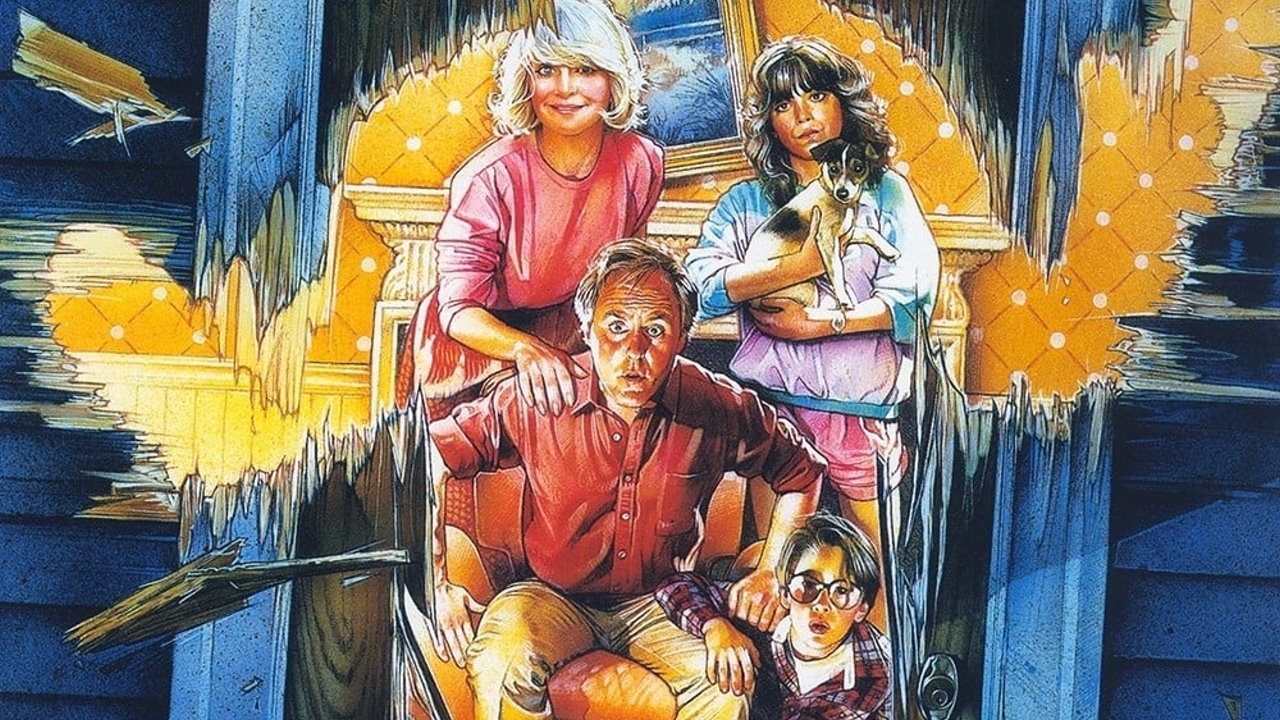
Harry and the Hendersons earns a solid 7 for its groundbreaking and Oscar-winning creature effects, John Lithgow's wonderful lead performance, its successful blend of humor and heart, and its enduring nostalgic charm. It loses a few points for some slightly dated elements and predictable plot beats, but its core message and unforgettable central character make it a truly special entry in the 80s family film canon.
It’s a film that reminds you that sometimes, the biggest discoveries aren't treasures or lost cities, but the unexpected connections we make, even if one of you happens to be covered in fur.