Alright, settle in, pop that tape in the VCR (you might need to adjust the tracking), and let's talk about a film that perfectly encapsulates that feeling of browsing the "Martial Arts" aisle at the local video store, hoping for gold: 1987’s Karate Warrior (or Il ragazzo dal kimono d'oro, if you’re feeling fancy). This wasn't likely sitting next to the Oscar winners, oh no. This was nestled amongst the ninjas, the kickboxers, and the revenge flicks – a gleaming promise of underdog triumph and flying fists, Italian style.
### Straight Outta the Karate Kid Playbook... Sort Of
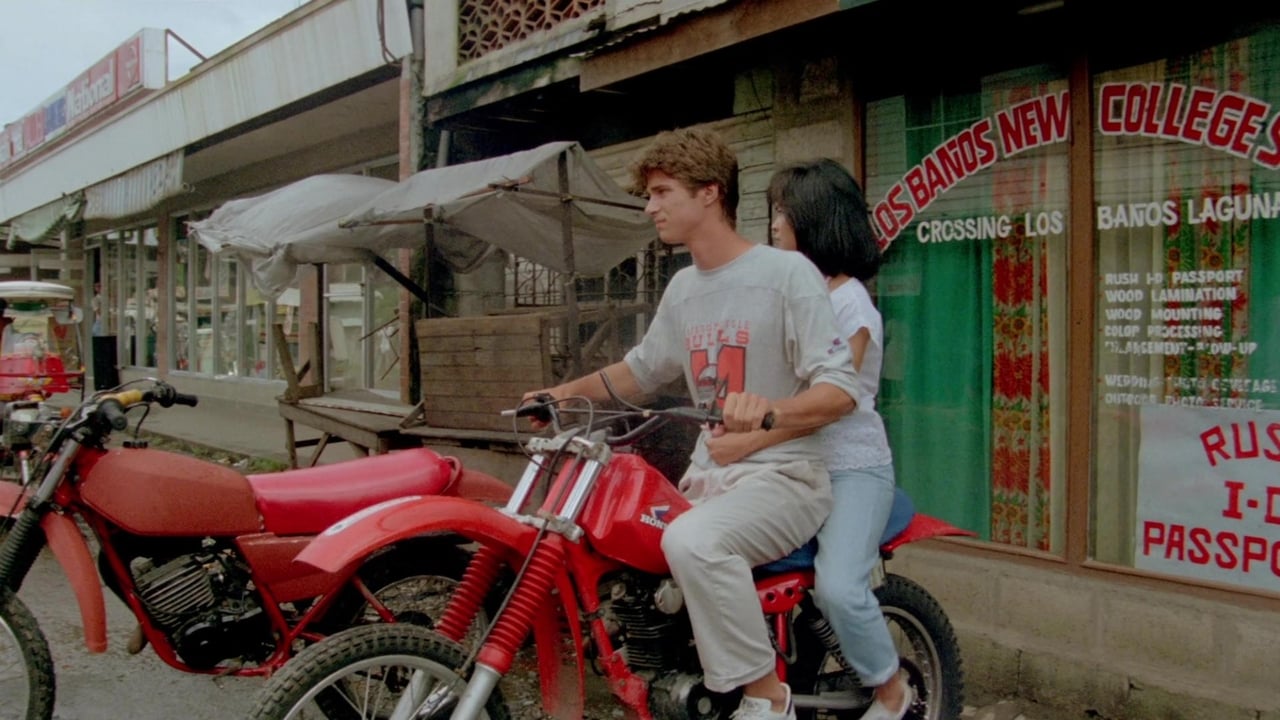
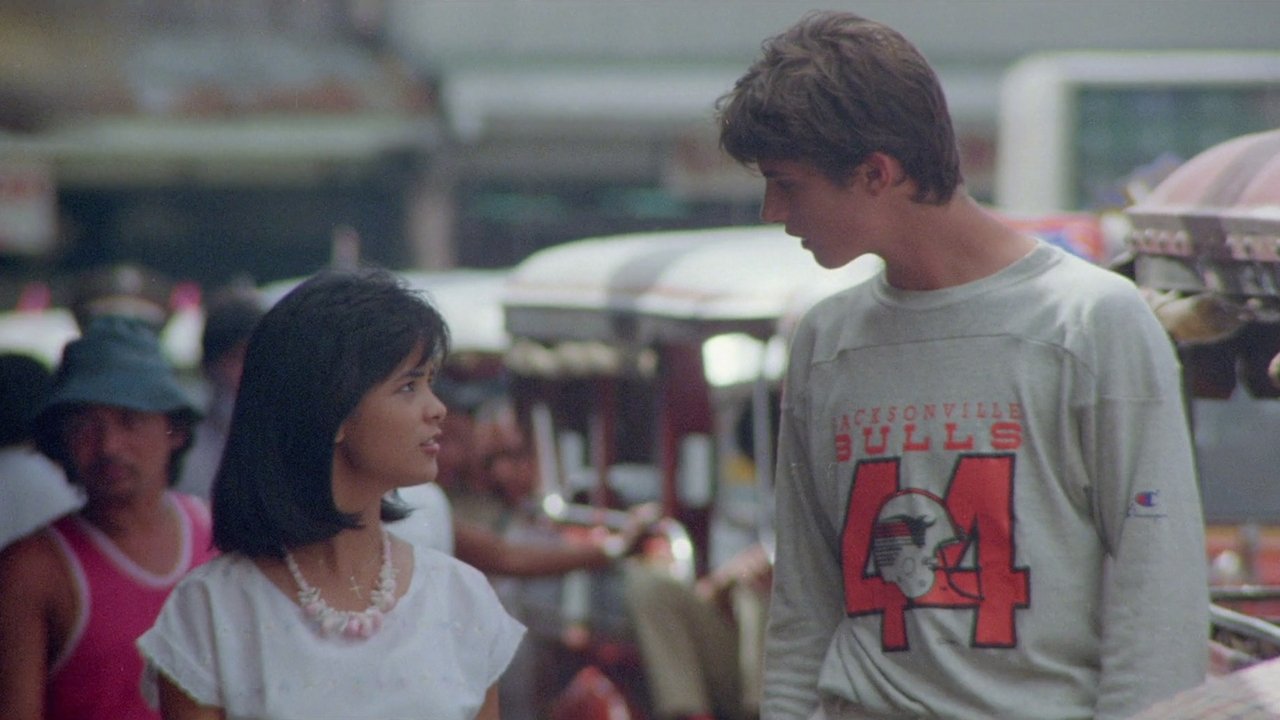
Let's be upfront: Karate Warrior wears its inspiration proudly, maybe a little too proudly, on its white gi sleeve. We have Anthony Scott (Kim Rossi Stuart), a young American who moves to the Philippines with his father. He quickly runs afoul of the local rich bully, Quino (Enrico Torralba), who happens to be a karate champ with a bad attitude. Sound familiar? Anthony gets beaten up, finds a wise, enigmatic mentor in Master Kimura (Jared Martin), learns karate through unconventional methods, and prepares for the inevitable tournament showdown.
Yes, the DNA of The Karate Kid (1984) is spliced right into this film’s core. But here's the thing – for many of us digging through those VHS bins, we weren't necessarily looking for originality above all else. We were looking for more. More training montages, more bullies getting their comeuppance, more wise masters dropping cryptic advice. And Karate Warrior, bless its cotton socks, delivered exactly that, albeit with a distinctly European, lower-budget flavour.
### Italian Craftsmanship, Global Ambition
This film is a fascinating product of its time – an Italian production, helmed by exploitation maestro Fabrizio De Angelis (often working under the export-friendly pseudonym Larry Ludman, famous for films like Thunder Warrior and Killer Crocodile), clearly designed to cash in on a global phenomenon. De Angelis, along with prolific screenwriter Dardano Sacchetti (who penned scripts for Italian horror legends like Lucio Fulci and Mario Bava!), knew how to assemble a familiar package with just enough energy to work. Retro Fun Fact: Sacchetti actually has a story credit on Fulci's infamous The Beyond (1981) – quite a different vibe from karate tournaments!
Shooting in the Philippines gave the film an exotic backdrop on presumably a tighter budget than its Hollywood counterpart. You can almost feel the humidity through the slightly fuzzy VHS transfer. The casting of Jared Martin as Master Kimura was a smart move for international appeal. Many would have recognised him from his prominent role as Dusty Farlow in the smash-hit TV series Dallas. His presence lent a certain B-movie credibility, providing a calm, slightly mysterious centre to Anthony's frantic journey. Retro Fun Fact: Martin reportedly enjoyed the experience of filming in the Philippines, embracing the mentor role with a quiet dignity that anchors the film.
### The Thrill of Practical Fights (and Training!)
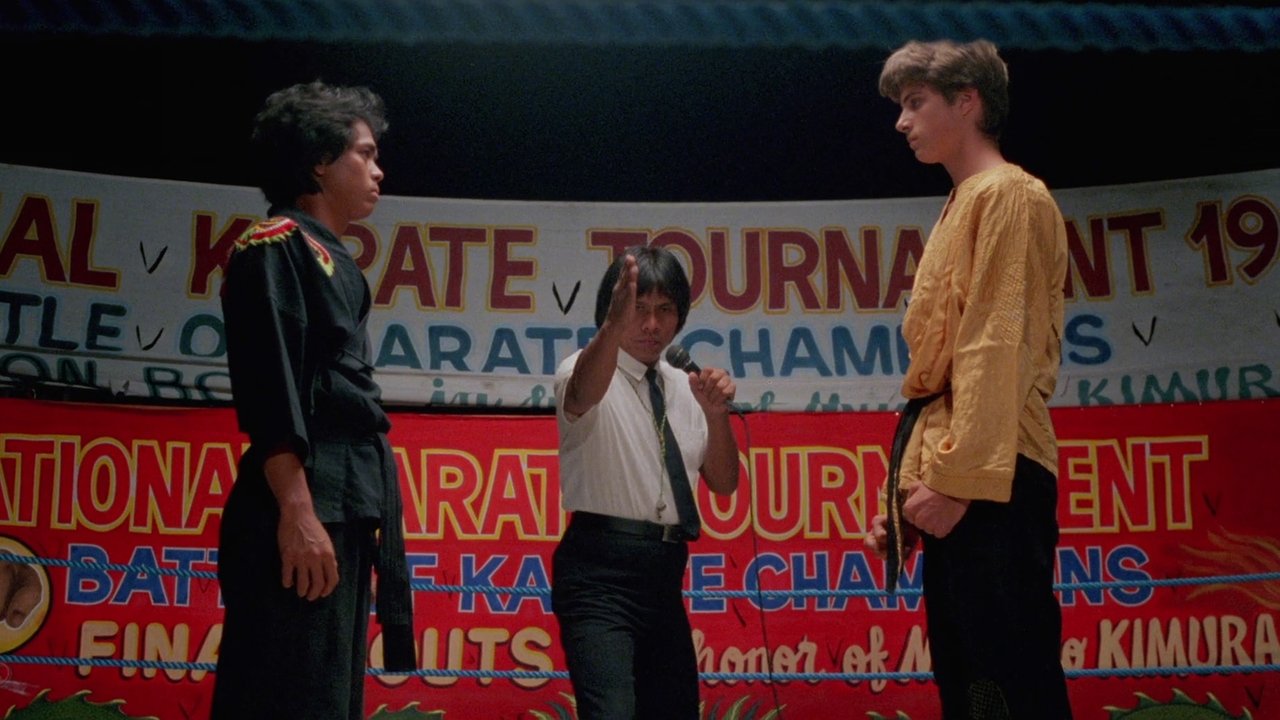
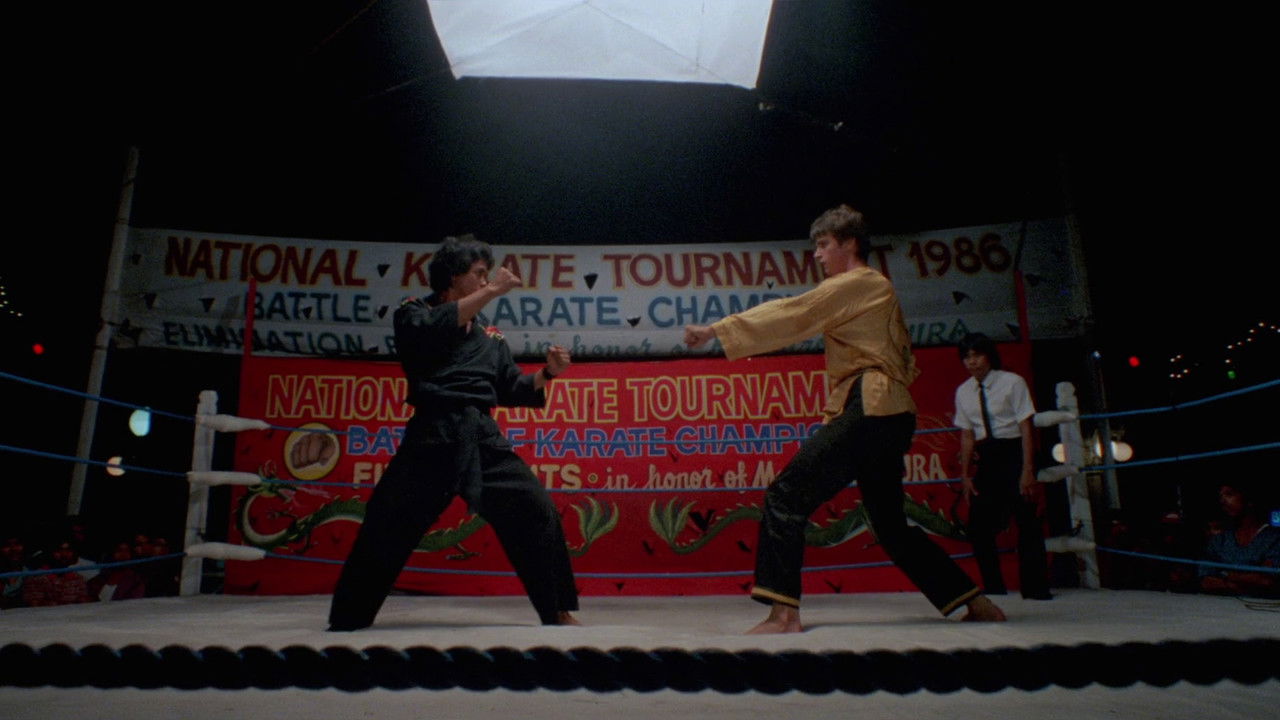
Okay, let's talk action. The fights in Karate Warrior don't have the slick choreography or bone-crunching impact of later martial arts classics. But what they do have is that wonderful 80s practical feel. You see the effort, the actual physical contact (sometimes maybe a little too gentle), the lack of digital trickery. When Anthony takes a hit, it’s Kim Rossi Stuart (or his double) hitting the mat. Remember how satisfying those training montages felt? Watching Anthony learn to focus, balance on poles, or practice his katas under Kimura’s watchful eye tapped right into that aspirational fantasy. It wasn't about complex wire-fu; it was about discipline and the promise that you could maybe do this too (after rewinding the tape a few times to catch the moves).
Compared to today's often CGI-heavy action sequences, there's a certain raw charm here. The tournament finale, while predictable, delivers the expected payoff. The hits feel grounded, the stakes (within the film's world) feel real enough. Was the choreography sometimes a bit repetitive? Sure. Did some kicks look like they wouldn't bruise a peach? Absolutely. But it felt tangible in a way that resonates with that VHS-era aesthetic.
### A Star is Born (Sort Of)
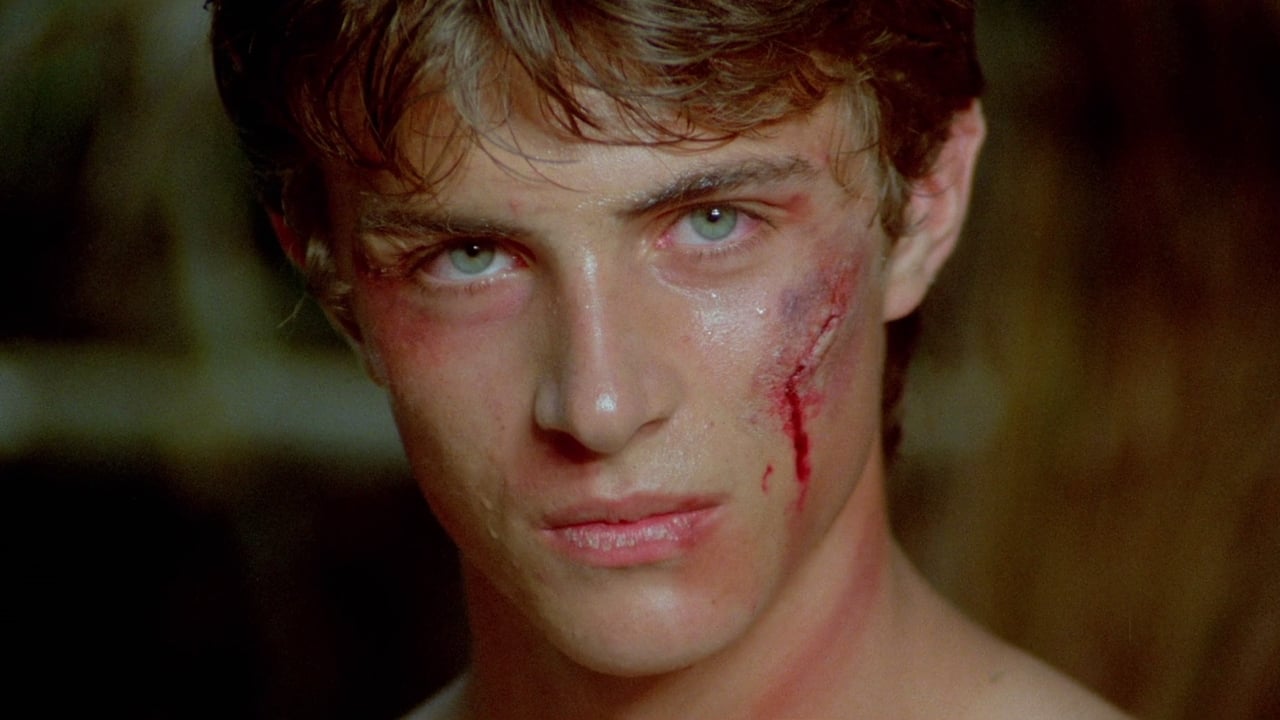
This was an early leading role for Kim Rossi Stuart, who brings a youthful earnestness to Anthony. He’s believable as the determined underdog, even if the script doesn't give him deep emotional wells to draw from. He would, of course, go on to become a very respected and prominent actor in Italian cinema, making Karate Warrior a fascinating early entry on his resume. The supporting cast does its job, particularly Enrico Torralba as the sneering villain Quino, fulfilling the archetype perfectly. Jannelle Barreto as the love interest, Lia, adds a touch of sweetness, though her role is fairly standard for the genre and era.
### The Verdict: A Charming VHS Time Capsule
Karate Warrior isn't high art, nor is it trying to be. It's an imitation, yes, but it's an affectionate imitation made with energy and a clear understanding of its target audience. It knows what buttons to push: the underdog story, the mentor-student relationship, the triumphant finale. It captured just enough lightning in a bottle to spawn a surprising number of sequels (five more, believe it or not!), cementing its place as a minor cult favourite for those who stumbled upon it during countless video store expeditions. Retro Fun Fact: The success of the first film led to Karate Warrior 2 the very next year, continuing Anthony Scott's adventures, a testament to its appeal in the home video market.
Watching it today evokes pure nostalgia. It’s like finding an old mixtape – maybe not every track is a chart-topper, but the whole thing takes you right back. The slightly awkward dialogue, the synth-heavy score, the earnest performances, the utterly predictable plot – it all coalesces into something undeniably charming.
Rating: 6/10
Justification: It loses points for its blatant derivativeness and budget limitations impacting the polish. However, it gains points for its earnest charm, the nostalgic pull, Jared Martin's solid presence, Kim Rossi Stuart's early potential, and perfectly capturing the spirit of an 80s direct-to-video martial arts flick. It delivers exactly what it promises on the VHS box art.
Final Thought: Karate Warrior is the movie equivalent of comfort food cinema from the video store era – maybe not gourmet, but deeply satisfying if you grew up hungry for more crane kicks and tournament trophies. A true slice of 80s Italian genre filmmaking trying, and mostly succeeding, to play in the Hollywood sandbox. Wax on, indeed.