Alright, rewind your minds with me. Picture this: it’s late, the only light is the flickering glow of the CRT, and you’ve just slotted a tape into the VCR. The tracking might be a little fuzzy, the sound occasionally warbles, but what unfolds on screen is pure, unadulterated Hong Kong action alchemy. Tonight, we’re pulling Jackie Chan’s 1982 directorial effort, Dragon Lord (Long xiao ye), off the shelf, and folks, this one’s a fascinating beast, a bridge between old-school kung fu flicks and the jaw-dropping stunt extravaganzas that would define his career.

### More Than Just Fists and Fury
Right off the bat, Dragon Lord feels… different. Directed by Jackie Chan himself – only his second time helming after the superb The Young Master (1980) – the film doesn't just dive headfirst into wall-to-wall combat. Instead, the first half plays out almost like a lighthearted period comedy, focusing on the mischievous antics of Dragon Ho (Jackie Chan) and his pal Cowboy (Mars, a stalwart of Jackie’s legendary stunt team). They’re chasing girls, slacking off on their studies, and getting involved in elaborate, almost Rube Goldberg-esque schemes. It's charming, if a bit meandering, showcasing Jackie's deep love for the physical comedy of silent film stars like Buster Keaton.
This lighter touch initially feels like a departure, and indeed, the film famously ran into production trouble. It went significantly over budget and schedule, partly because Jackie Chan was pushing the boundaries of what could be done on screen. One legendary piece of trivia? The intricate jianzi (think a heavily feathered hacky sack) game sequence reportedly required a mind-boggling 2,900 takes for one specific, perfect shot. That’s the kind of obsessive perfectionism that defined his practical approach, even this early on. You can almost feel the exasperation of the Golden Harvest executives, but watching that scene today, with its incredible coordination and timing, you understand the drive.
### When Games Turn Dangerous
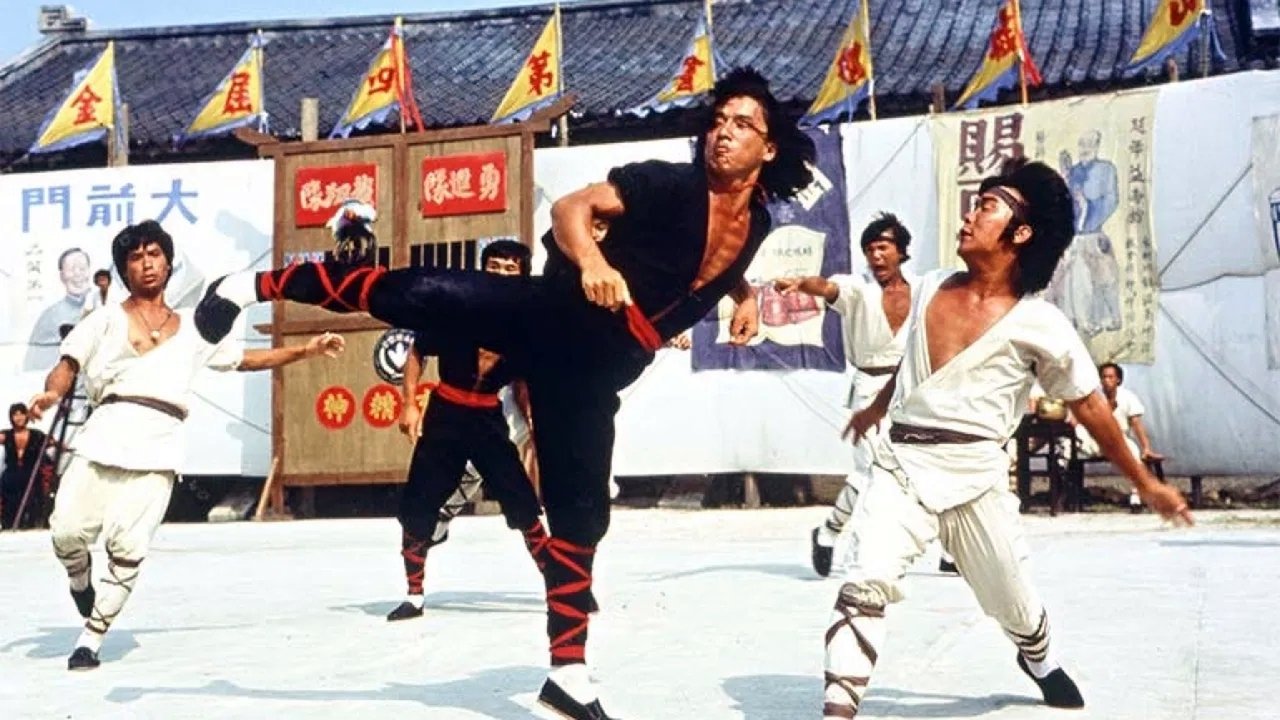
The film really finds its action footing in two key set pieces that foreshadow the glorious insanity of later Jackie Chan classics like Police Story (1985). The first is a wild, chaotic competition inspired by the Cheung Chau Bun Festival, involving teams scrambling up a precarious tower of buns. Forget wires and digital doubles; this is pure, large-scale human effort and danger. Watching dozens of stunt performers climbing and tumbling en masse has a raw, visceral energy that modern CGI struggles to replicate. It’s messy, it feels unpredictable, and you genuinely wince when someone takes a hard fall onto the (hopefully) padded ground below. Wasn't that kind of organised chaos amazing to witness back then?
But it's the film's finale that truly stamps Dragon Lord into the annals of action history. Our heroes inadvertently stumble upon a gang of ruthless antique smugglers led by the imposing Big Boss, played with chilling authority by Korean Hapkido master Hwang In-shik. Hwang, who had already faced off against Bruce Lee in Way of the Dragon (1972) and given Jackie a brutal beating in The Young Master, brings genuine menace. The resulting showdown in a barn is a masterclass in intricate choreography, environmental destruction, and sheer physical punishment.
### The Pain is Real
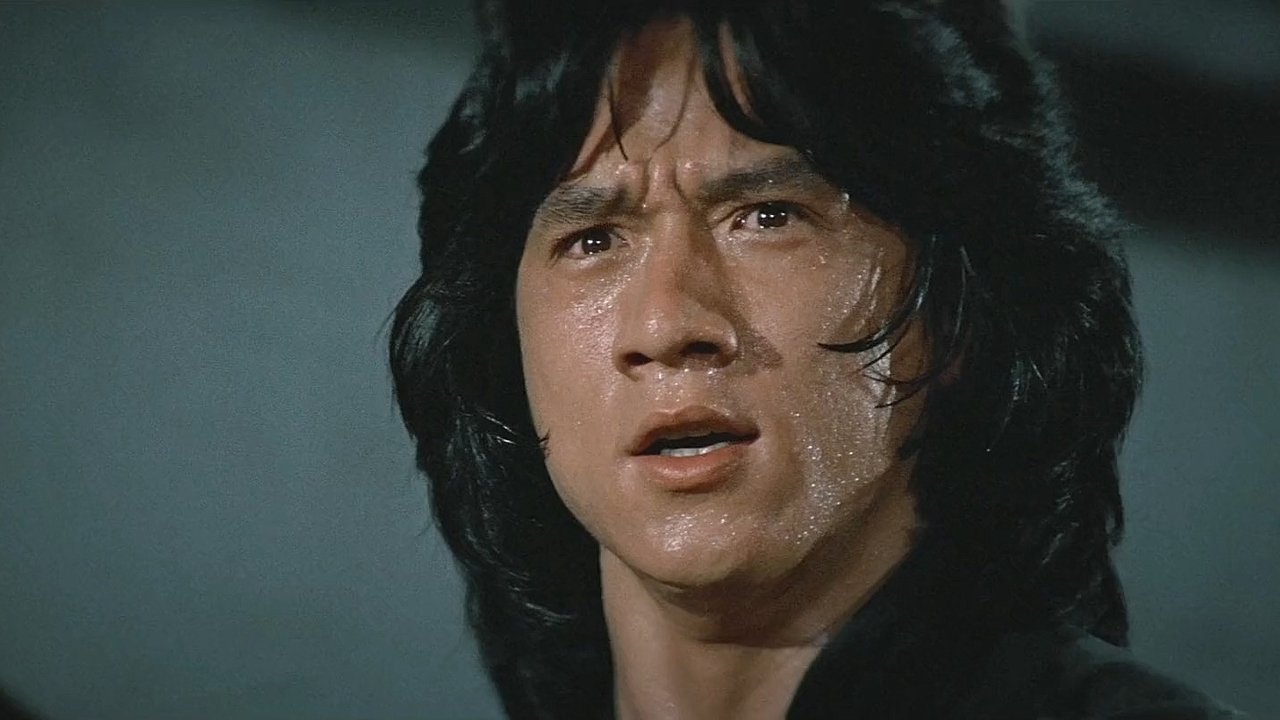
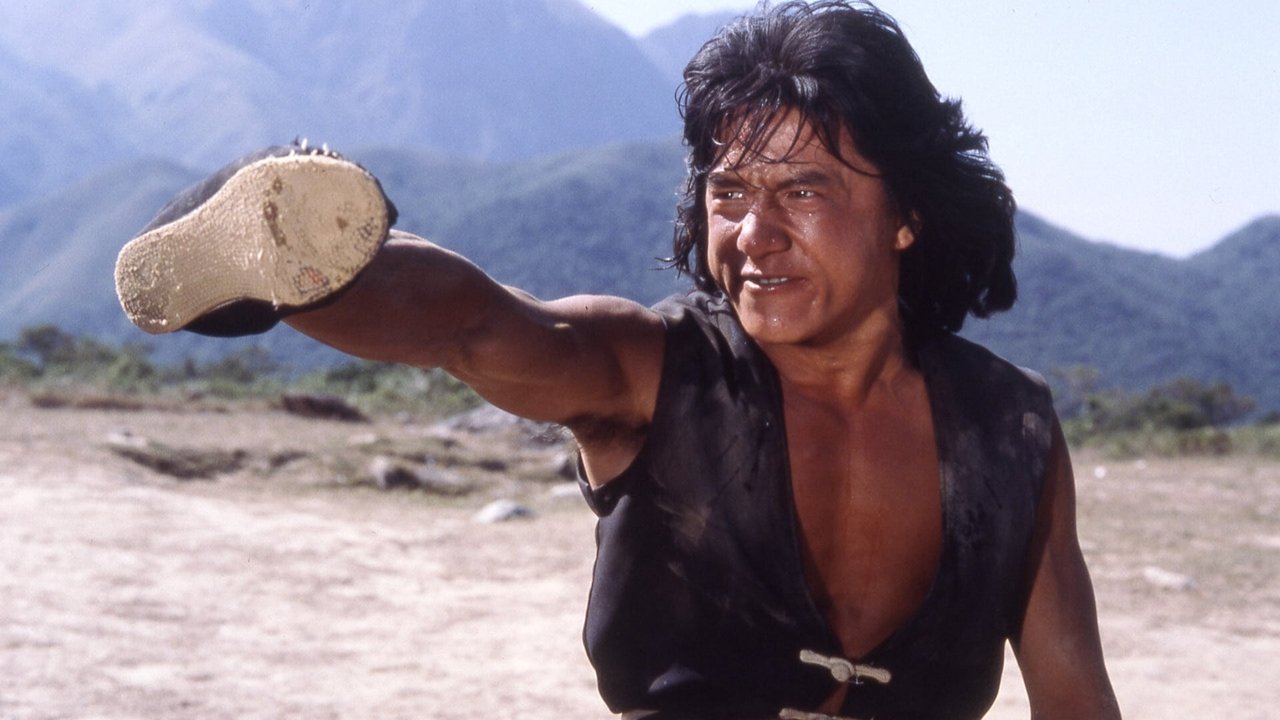
This final fight sequence is where Dragon Lord truly shines and earns its place in VHS Heaven. Forget graceful, balletic wuxia – this is brutal, close-quarters combat where every blow feels impactful. Jackie Chan utilizes ladders, sacks of grain, ropes, and the very structure of the barn itself as weapons and obstacles. The stunt work is astonishingly complex and visibly dangerous. There’s a sequence involving a fall from a high beam that is pure, nerve-shredding practical stunt work. While Jackie's infamous chin injury occurred filming Project A shortly after, the sheer number of bumps, bruises, and near-misses accumulated by the stunt team here must have been staggering. You see performers taking genuine risks, landing hard, and pushing their bodies to the limit. Remember how convincing those impacts looked before digital trickery smoothed everything over? That raw authenticity is the magic of this era.
The film wasn't Jackie Chan's biggest contemporary hit; its somewhat uneven tone and unconventional structure perhaps confused audiences expecting a straightforward martial arts film. Originally titled Young Master in Love, the shift to Dragon Lord likely aimed to better sell the action spectacle packed into the final act. Critics were probably divided too. Yet, for fans who appreciate the evolution of action filmmaking and the sheer audacity of practical stunt work, Dragon Lord is a crucial and wildly entertaining entry in the Jackie Chan canon. It showcases his growing confidence as a director, his willingness to experiment with genre, and his relentless dedication to pushing the boundaries of physical performance.
Rating: 7.5 / 10
Justification: While the plot meanders and the pacing is uneven in the first half, the sheer invention and brutal physicality of the jianzi game, the bun festival scramble, and especially the stunning final barn fight elevate Dragon Lord significantly. It's a vital transitional film showcasing Jackie Chan's burgeoning genius for stunt-based action comedy, packed with the kind of practical, painful-looking stunts that made us rewind our VHS tapes over and over.
Final Thought: Dragon Lord might feel a bit like two different movies stitched together, but when the action hits, it hits with the force of a real sack of grain – a dusty, slightly lumpy, but undeniably impactful gem from the golden age of practical mayhem. Definitely worth digging out of the crate.