Okay, let's get this straight: a fabulously wealthy, utterly insufferable heiress falls off her yacht, gets amnesia, and the carpenter she stiffed convinces her she's his wife and the mother of his four rowdy boys? If you pitched that today, studio executives might gently show you the door while checking their liability insurance. And yet, back in 1987, director Garry Marshall and writer Leslie Dixon somehow spun this slightly bonkers premise into Overboard, a romantic comedy that remains stubbornly, surprisingly charming, largely thanks to the undeniable spark between its leads.
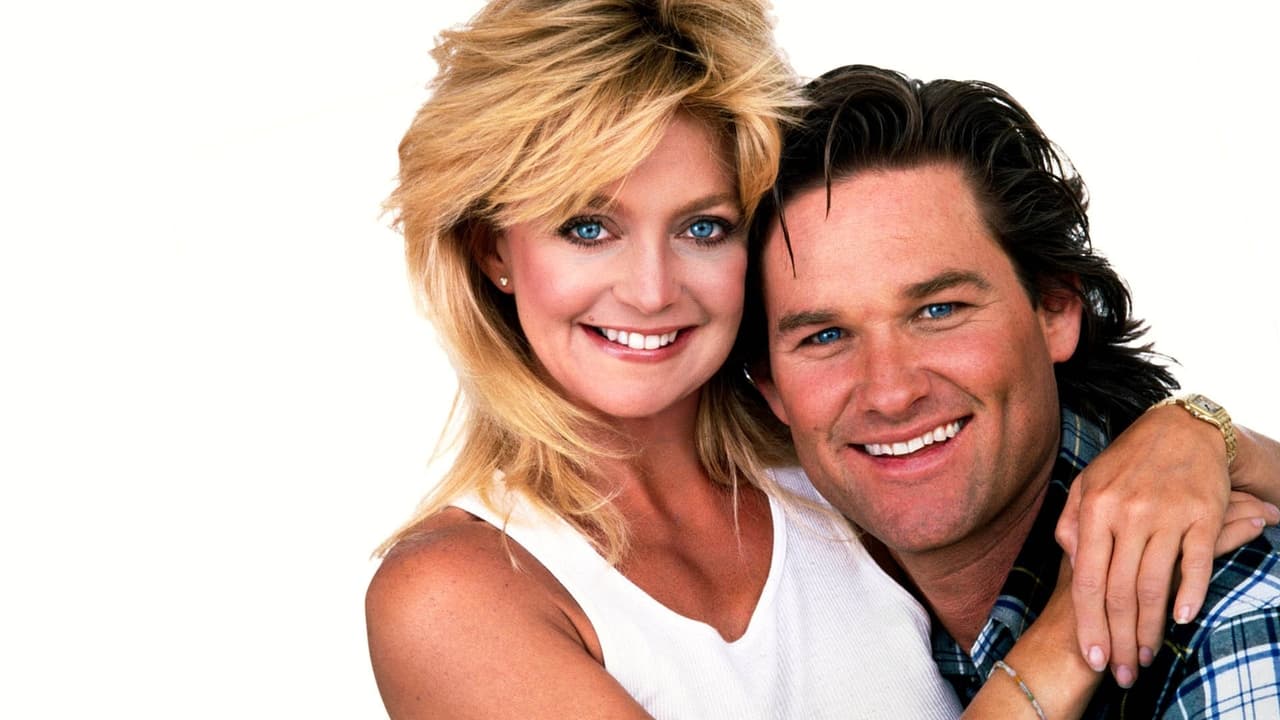
This wasn't just movie magic chemistry, folks. This was Goldie Hawn and Kurt Russell, one of Hollywood's most enduring real-life couples, lighting up the screen. Their palpable affection and effortless timing elevate what could have been a one-note joke into something genuinely warm. Seeing them together here, it feels less like acting and more like we're getting a playful glimpse into their own dynamic, albeit filtered through outrageous circumstances.
### From Luxury Yacht to Humble Shack
The film wastes no time establishing Joanna Stayton (Goldie Hawn at her most hilariously haughty) as a woman whose connection to reality is as tenuous as her grasp on basic human decency. She’s demanding, condescending, and treats working-class carpenter Dean Proffitt (Kurt Russell, rocking peak 80s woodsman charm) with appalling disdain after hiring him to remodel her yacht's closet. When she refuses to pay him over a dispute about the type of wood used (Oak vs. Cedar – the horror!), and subsequently tosses him and his tools overboard, you actively want something to knock her down a peg or two.
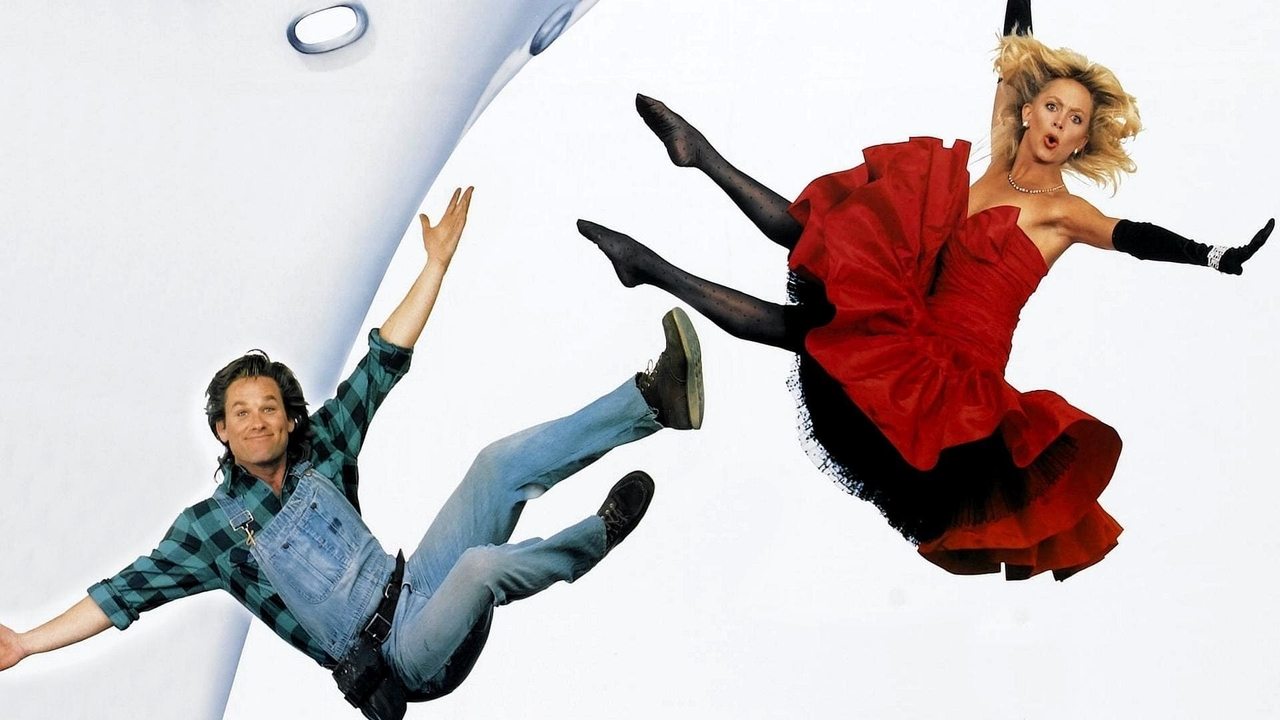
Fate, conveniently, obliges. A nighttime tumble into the ocean leaves Joanna washed ashore with no memory of who she is. Seeing his chance for revenge (and maybe some free childcare), Dean claims the bewildered amnesiac – now dubbed "Annie" – as his wife. The setup is pure screwball comedy, a classic fish-out-of-water scenario cranked up to eleven. Watching the pampered Joanna grapple with leaky roofs, mountains of laundry, and four hellion boys who view her arrival as fresh torment material provides the film's comedic engine. Hawn, a master of physical comedy, sells Annie’s bewildered frustration beautifully, transitioning slowly from baffled horror to grudging competence, and eventually, genuine affection.
### Finding the Heart in the Hubbub
While the premise walks a fine ethical line (gaslighting someone with amnesia isn't exactly Rom-Com 101), Garry Marshall, who would later give us Pretty Woman (1990), softens the edges with his signature warmth. He focuses less on the cruelty of Dean's deception and more on the humanity Annie discovers in her new, chaotic life. The transformation isn't just about learning to cook or clean; it's about finding value in connection, responsibility, and simple pleasures – things her vast fortune couldn't buy. Russell makes Dean more than just a vengeful trickster; he’s a struggling single dad genuinely trying to make a better life for his kids, and his growing feelings for Annie feel surprisingly earned.
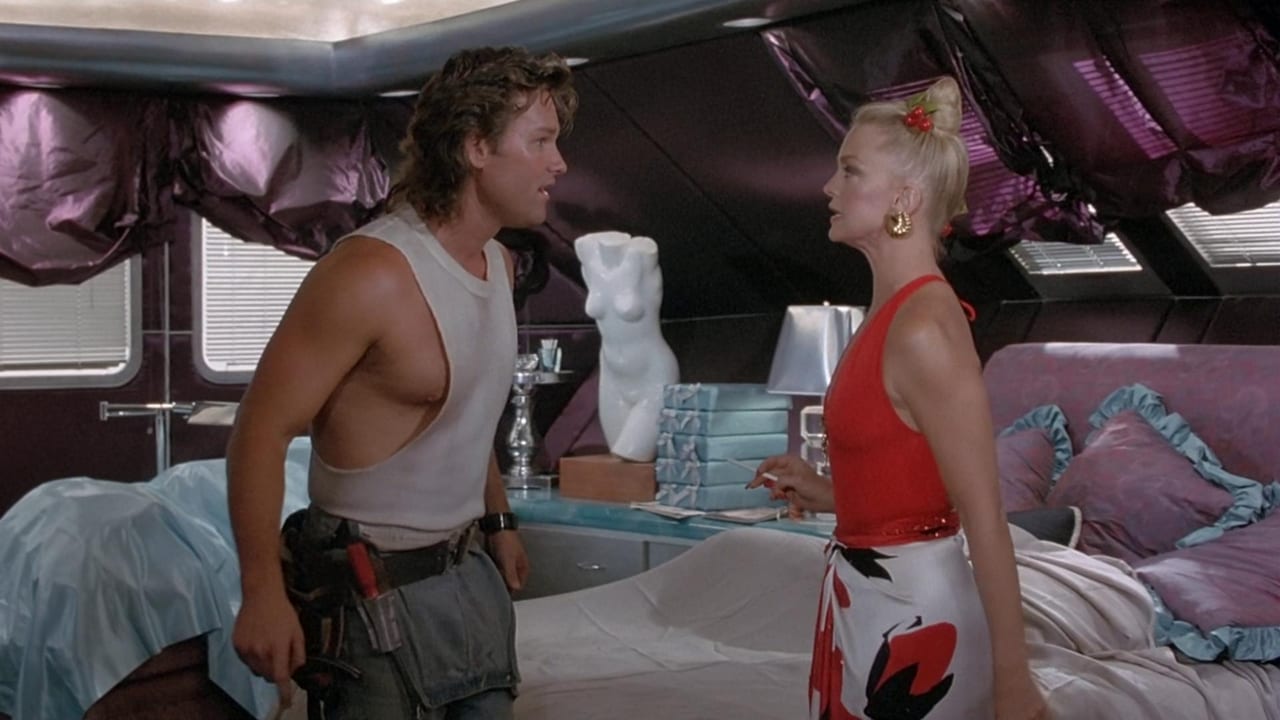
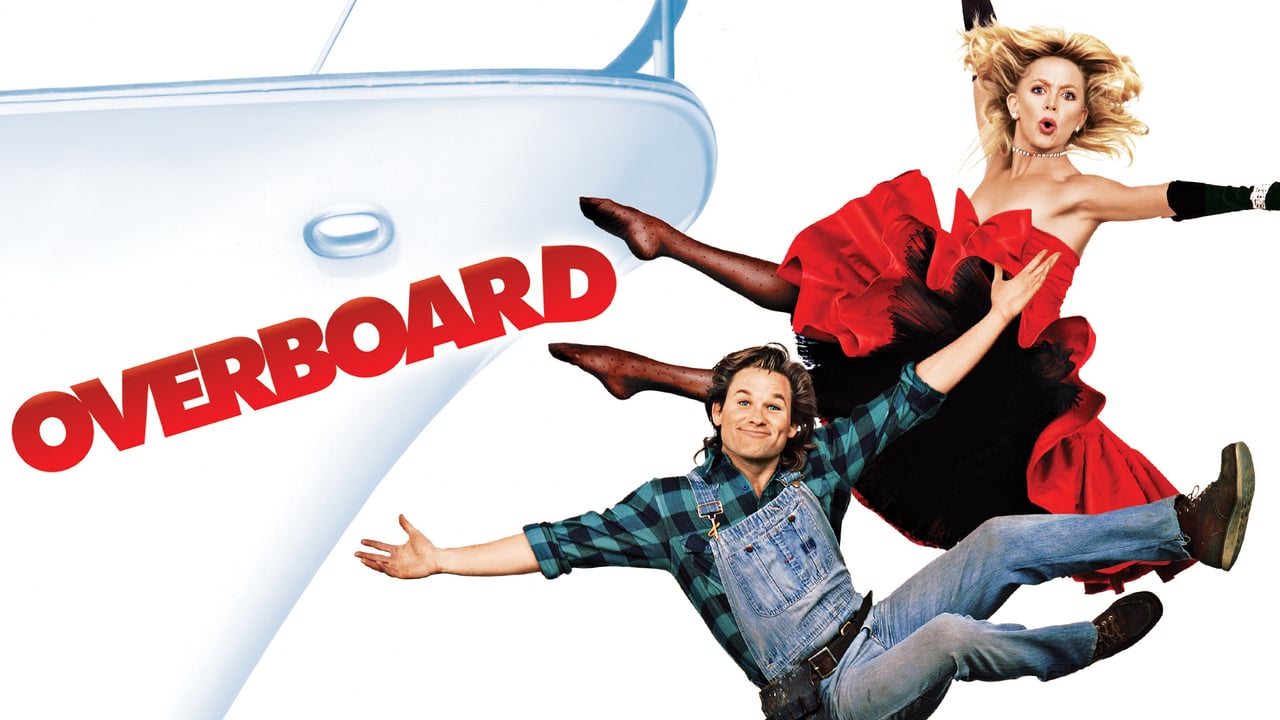
Retro Fun Fact Alert: That incredible yacht, the 'Stayton,' was actually a real vessel called the Attessa. Reportedly costing a fortune even back then, its sheer opulence provided the perfect visual contrast to Dean's ramshackle life in Elk Snout, Oregon (actually filmed primarily in picturesque Fort Bragg, California). The stark difference perfectly encapsulates the film's central class conflict.
The supporting cast adds layers of charm. Edward Herrmann is wonderfully slimy as Grant Stayton III, Joanna’s neglectful, upper-crust husband who’s initially thrilled she's gone missing. And the four boys, while initially presented as near-feral agents of chaos, eventually become catalysts for Annie’s maternal instincts to emerge. Their gradual acceptance of her, and hers of them, forms the movie’s surprisingly tender core.
### More Than Just a Laugh?
Writer Leslie Dixon (who later penned Mrs. Doubtfire) apparently conceived the idea after reading a story about an heiress and thinking it would be funnier if the roles were reversed from the usual "rich man, poor woman" trope. It’s a clever twist that allows for exploration of class dynamics, albeit through a comedic lens. The film doesn't shy away from showing the grit and grind of Dean's life, making Annie’s eventual adaptation feel like a genuine achievement.
Another Nugget for You: The film’s initial box office wasn't spectacular – pulling in around $26.7 million on a $22 million budget. Not a flop, but certainly not the runaway hit it perhaps deserved to be. Its status as a beloved comfort watch grew significantly over the years, largely thanks to home video and cable reruns. It found its audience, proving that sometimes word-of-mouth and sheer rewatchability build a legacy just as strong as opening weekend numbers.
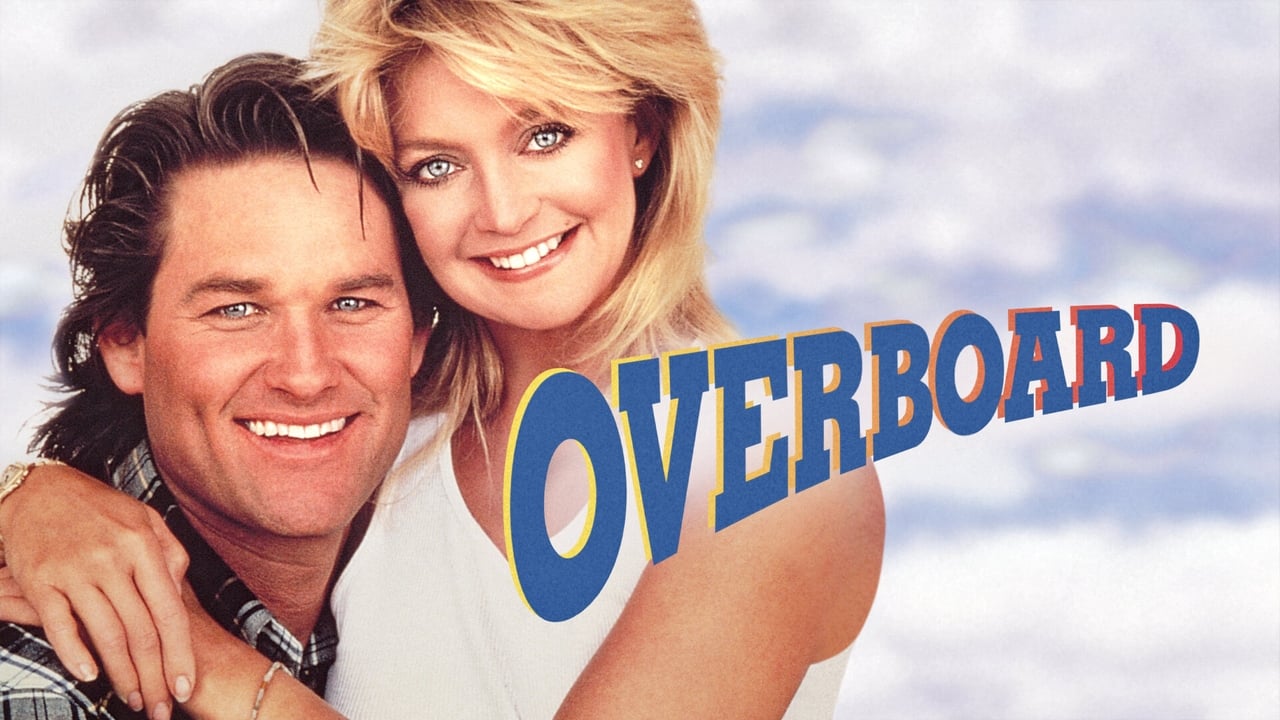
Of course, it's undeniably a product of its time. The gender politics are occasionally wobbly by today's standards, and the central premise requires a healthy suspension of disbelief. But the sheer star power, the genuine laughs, and the surprisingly effective emotional beats make it easy to forgive its flaws. It's the kind of film that just feels good to watch – a cinematic equivalent of comfort food.
Rating Justification: 7.5/10 - Overboard scores highly for the undeniable, electric chemistry between Hawn and Russell, which carries the entire film. Hawn's comedic performance as Joanna/Annie is pitch-perfect, navigating the character's transformation with hilarious skill. The supporting cast adds charm, and Garry Marshall's direction provides a warm, fuzzy feeling despite the ethically dubious premise. It loses points for that very premise feeling dated and slightly uncomfortable under modern scrutiny, and for a plot that relies heavily on convenient amnesia tropes. However, its genuine heart, consistent laughs, and status as a beloved comfort classic elevate it significantly. The rewatch factor is high, purely for the joy of seeing the leads together.
Final Thought: Like finding that perfectly worn-in VHS tape on the shelf, Overboard might have a few wrinkles and raise an eyebrow or two with its setup, but press play, and the irresistible charm of its stars makes you forget all about it. It’s a reminder that sometimes, the best movie magic isn’t about explosions or effects, but about two people simply clicking on screen.