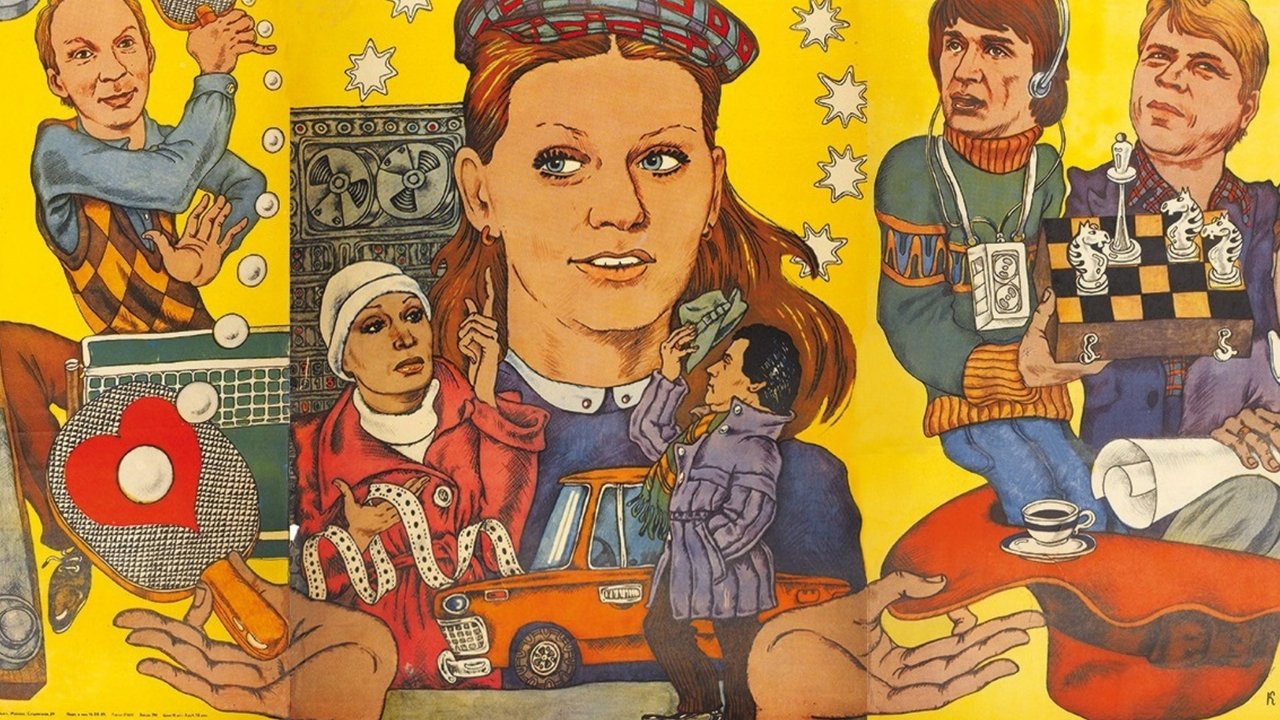
Okay, pull up a comfy chair, maybe grab a cup of tea – or something stronger if the mood strikes – because we're digging into a real gem from the Soviet cinematic archives today, one that might have bypassed your local Blockbuster back in the day but holds a special kind of warmth: Gerald Bezhanov’s 1985 romantic comedy, The Most Charming and Attractive (Samaya obayatel'naya i privlekatel'naya). Does the idea of applying sociological principles and psychological auto-suggestion to the quest for love sound… distinctly unromantic? Well, that’s precisely the delightful irony at the heart of this wonderfully human film.
### Project: Prince Charming
Meet Nadya Klyueva, played with infinite relatability by the superb Irina Muravyova (who many will remember from the Oscar-winning Moscow Does Not Believe in Tears). Nadya is an engineer at a research institute, intelligent, kind, unassuming, and decidedly single. Her life is one of comfortable routine, shared lunches with her equally single friend Klara, and perhaps a quiet resignation to her romantic prospects. That is, until a chance encounter with Susanna (Tatyana Vasileva), an old school friend turned glamorous sociologist who views Nadya’s situation not as fate, but as a problem solvable with data and applied technique.
What follows is less a makeover montage and more a hilarious, often poignant, social experiment. Susanna, brimming with confidence and armed with theories about fashion, body language, and "autotraining" (think intense self-affirmations), takes Nadya on as her personal project. The goal? To systematically attract the attention of the institute’s resident heartthrob, the effortlessly charming Volodya Smirnov (Aleksandr Abdulov, a titan of Soviet-era screen charisma). The ensuing attempts – calculated smiles, strategically 'casual' encounters, wardrobe adjustments dictated by sociological insight – are comedy gold, precisely because they feel both absurd and deeply recognizable. Haven't we all, at some point, tried to 'optimize' ourselves for love?
### The Science of the Heart
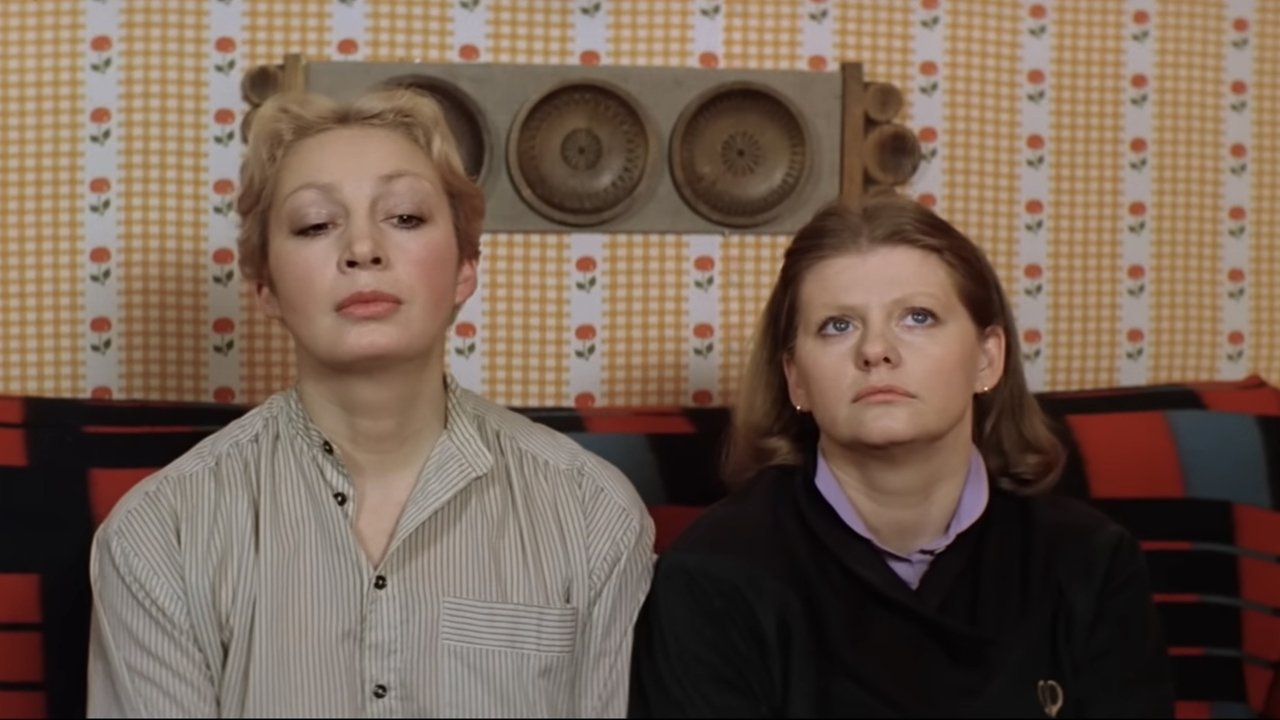
What elevates this beyond a simple Cyrano de Bergerac setup is the sheer conviction of the performances. Muravyova is the soul of the film. She perfectly captures Nadya’s initial skepticism, her gradual hopefulness, the awkwardness of adopting Susanna's prescribed behaviours, and the quiet dignity that remains even when things go sideways. You root for her not just to find love, but to find herself amidst the noise of societal expectation and friendly intervention. Her vulnerability feels utterly authentic; you see the flicker of doubt in her eyes even as she repeats Susanna’s mantras.
Tatyana Vasileva as Susanna is a force of nature. She’s pushy, perhaps overly analytical, yet her affection for Nadya feels genuine. She embodies that friend we all know – the one full of unsolicited advice delivered with absolute certainty. Her performance is broad but never cartoonish, providing the perfect catalyst for Nadya’s transformation and the film’s comedic energy. And Aleksandr Abdulov? He effortlessly embodies the kind of handsome, popular colleague who seems utterly unattainable, making Nadya’s (and Susanna’s) focus on him completely understandable.

### More Than Just a Rom-Com: A Soviet Snapshot
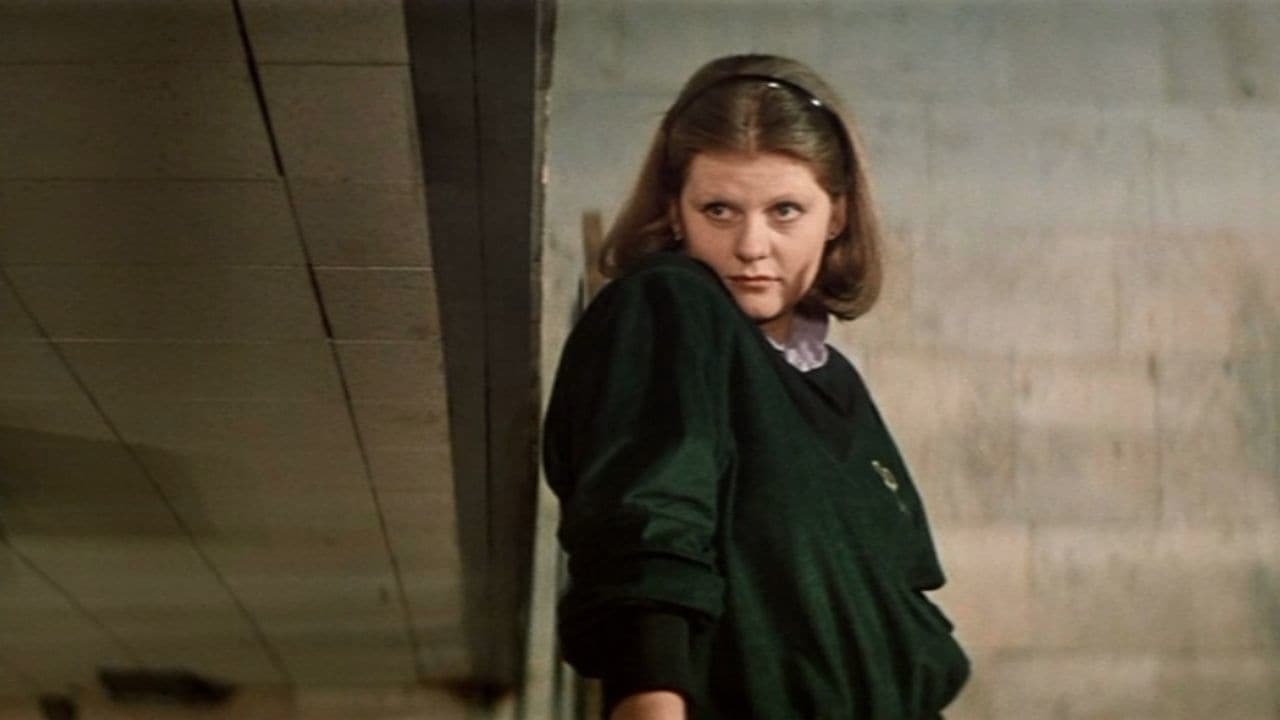
Watching The Most Charming and Attractive today is like opening a time capsule to mid-80s Moscow. The research institute setting, with its specific bureaucratic rhythms and workplace camaraderie, feels vividly real. The fashion – oh, the glorious Soviet 80s fashion! – the hairstyles, the sparse apartment interiors, the communal lunches; it's all captured with an unvarnished charm. This wasn't just escapism; it resonated deeply with its audience, reportedly drawing over 50 million viewers in the USSR upon release. It spoke to the everyday realities, aspirations, and anxieties of Soviet women in a way that felt both funny and true.
Director Gerald Bezhanov, who also co-wrote the script, apparently took inspiration from Western romantic comedies but filtered it through a distinctly Soviet lens. There's a fascinating undercurrent here about individuality versus the collective, about societal pressures (particularly the expectation for women to marry), and about the search for genuine connection in a world that often felt prescribed. Trivia buffs might appreciate knowing the script reportedly underwent significant revisions, leaning more heavily into the comedic aspects, which certainly paid off. The film doesn't preach; it observes, often with a wry smile.
### The Enduring Charm
Does Nadya get her man? Does the scientific method triumph over matters of the heart? The film handles its resolution with a satisfying blend of humor and warmth, ultimately questioning whether the target of the charm offensive was ever as important as the journey of self-discovery it accidentally triggered. What stays with you isn't just the laughter, but Nadya's quiet evolution and the film's gentle probing of what truly makes someone "charming and attractive." Is it the clothes, the walk, the practiced lines? Or is it something deeper, something that can't be mapped out on a sociologist's chart?
This film is a reminder that fantastic, relatable stories were being told everywhere, even behind the Iron Curtain, often reflecting universal human experiences through a unique cultural prism. Finding a copy might take a bit more effort than grabbing a Hollywood blockbuster off the shelf back then – maybe a specialty store, a tape trade, or later, the wonders of the internet – but the reward is a film brimming with sincerity and wit.
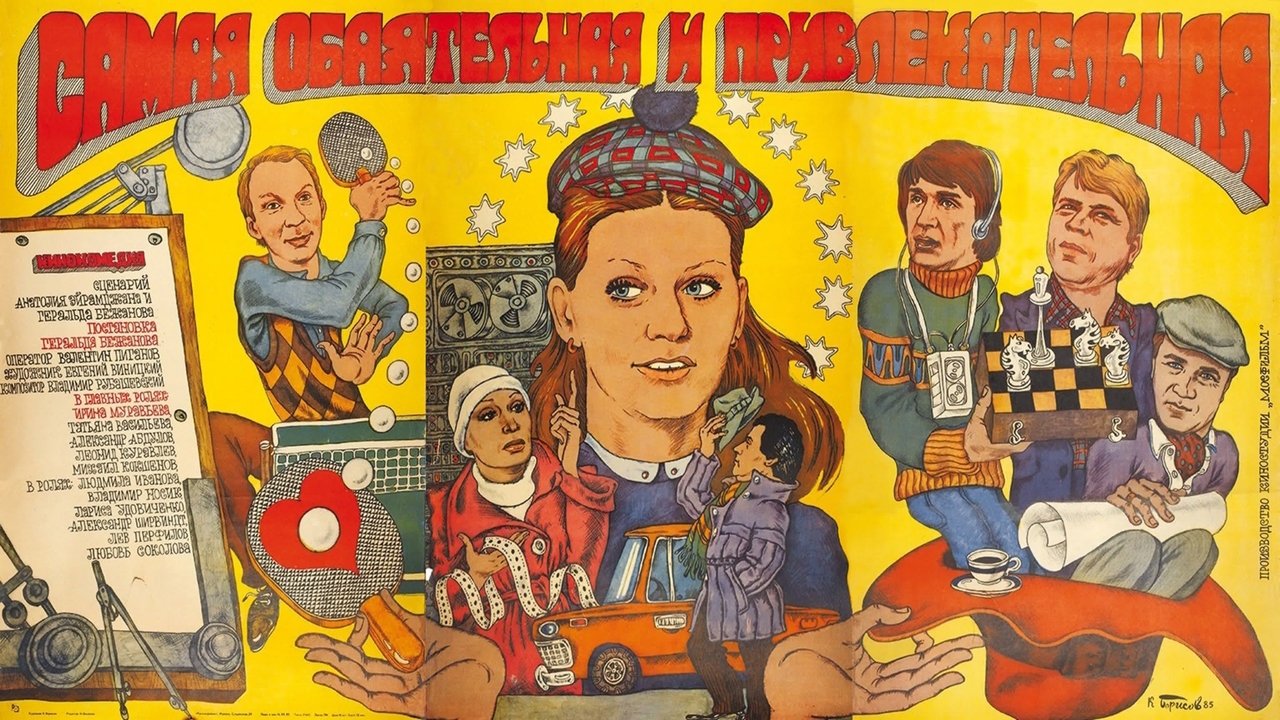
Rating: 8.5/10
Justification: This score reflects the film's exceptional lead performances, particularly Muravyova's deeply relatable turn, its genuinely funny and insightful script, and its value as both a charming romantic comedy and a fascinating cultural artifact. It avoids schmaltz, offers gentle social observation, and boasts an enduring warmth that transcends its specific time and place. While perhaps a touch dated in its specific social context for some modern viewers, its core themes and wonderful character work make it a standout.
Final Thought: Long after the credits roll, you're left not just smiling, but pondering: was Susanna's "science" completely wrong, or did it simply help Nadya uncover a confidence that was there all along? A truly charming thought from a truly charming film.