Alright fellow tapeheads, settle back into that comfy armchair, maybe crack open a beverage that isn’t New Coke, and let’s rewind to a comedy that hit differently back in the neon glow of 1984: The Lonely Guy. Finding this gem tucked away on the shelf at Video Village always felt like discovering a secret handshake. It wasn't the boisterous, party-hearty comedy plastered everywhere; it had a quirkier, almost bittersweet edge, carried aloft by the unique comedic genius of Steve Martin.
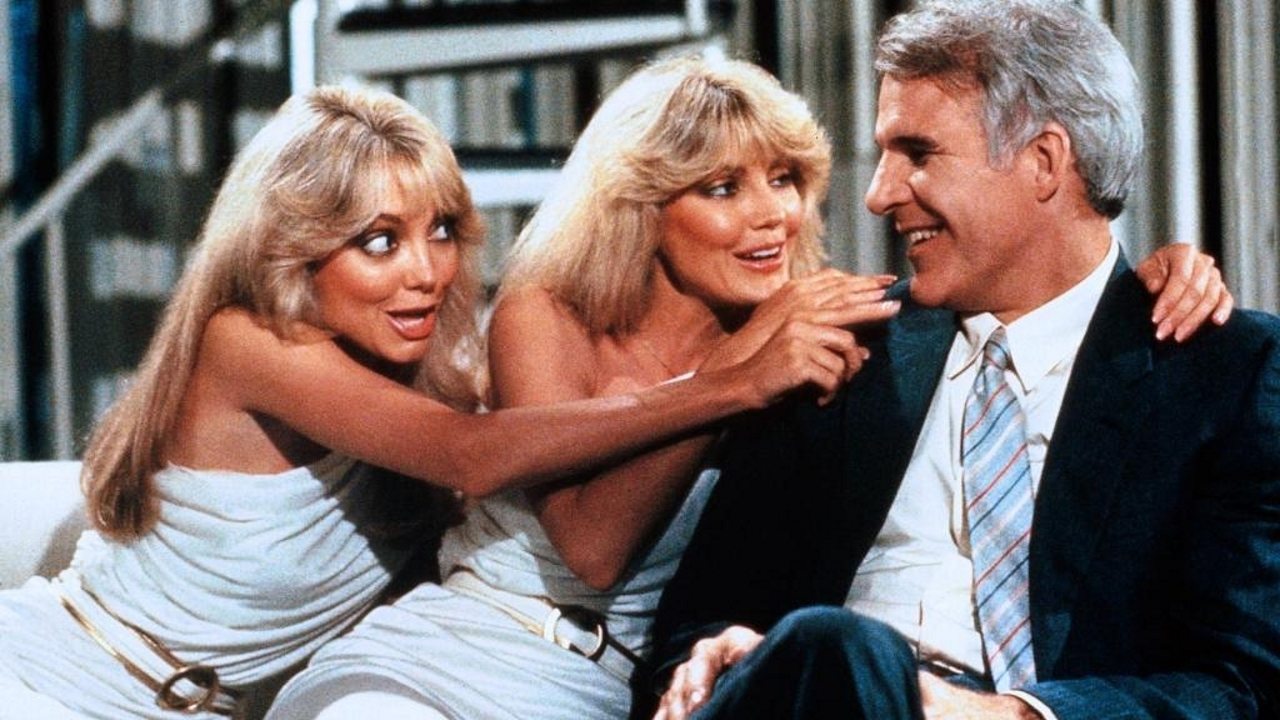
This wasn't quite the "wild and crazy guy" Martin of his stand-up fame or even the pure physical absurdity of The Jerk (1979). Here, Martin plays Larry Hubbard, a greeting card writer (an inherently slightly sad profession, let's be honest) who walks in on his girlfriend (played with icy perfection by Robyn Douglass) cheating on him. Suddenly, Larry is thrust into the uncharted, often awkward, territory of singledom. What elevates this beyond a standard rom-com setup is its surprisingly poignant, sometimes surreal exploration of loneliness itself.
### Finding Humor in the Hurt
Directed by the versatile Arthur Hiller – a filmmaker who could deftly swing from the tear-jerking romance of Love Story (1970) to the buddy-comedy thrills of Silver Streak (1976) – The Lonely Guy manages a tricky balancing act. It finds genuine laughs in the indignities of being alone in a couples' world, but it never completely loses sight of the underlying ache. Remember Larry’s initial attempts at navigating single life? The sad little meals for one, the hesitant attempts at conversation, the sheer awkwardness of entering a party solo? It felt relatable, even amidst the gags.
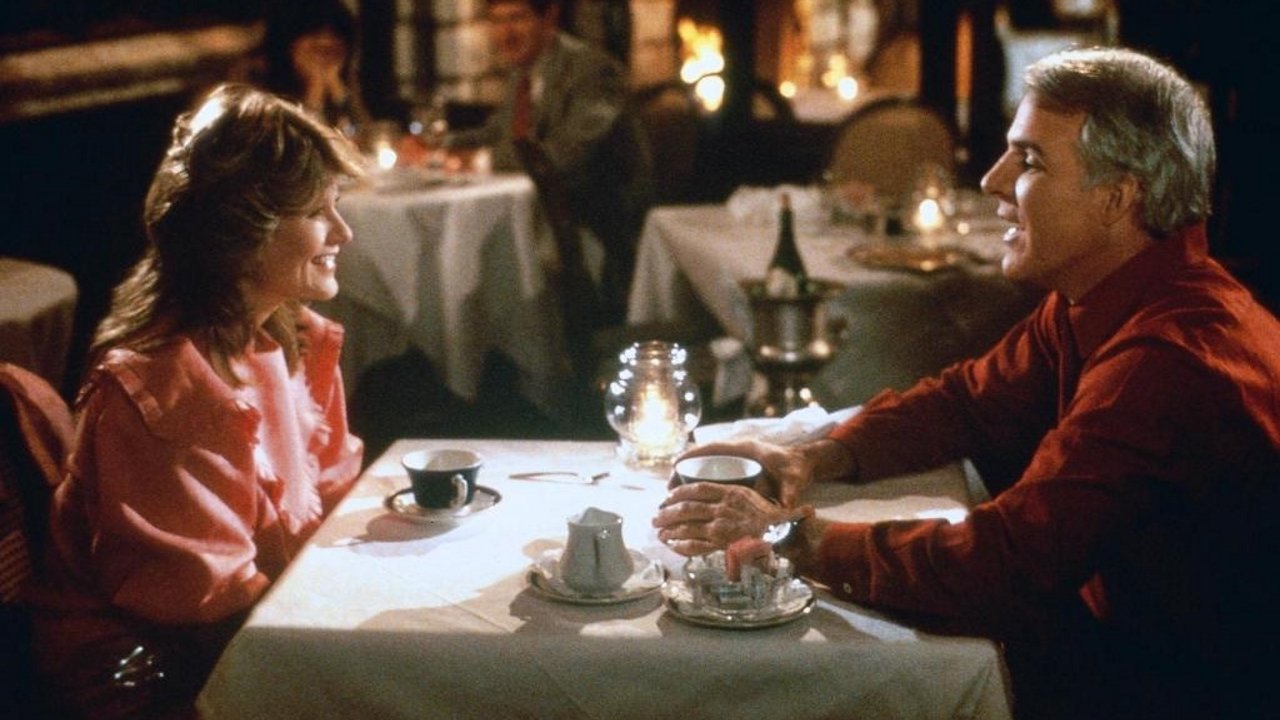
This blend of melancholy and mirth is perfectly embodied by Martin’s performance. He brings his trademark physical precision – watch the way he navigates a crowded room or attempts suave conversation – but layers it with a vulnerability that feels authentic. It’s a performance that invites empathy as much as laughter. Retro Fun Fact: The film itself was adapted from the humor book "The Lonely Guy's Book of Life" by Bruce Jay Friedman, who also co-wrote the screenplay with TV comedy legends Ed. Weinberger and Stan Daniels (key figures behind classics like The Mary Tyler Moore Show and Taxi). That pedigree hints at the smarter, character-driven humor at play here.
### The Master of Deadpan Misery
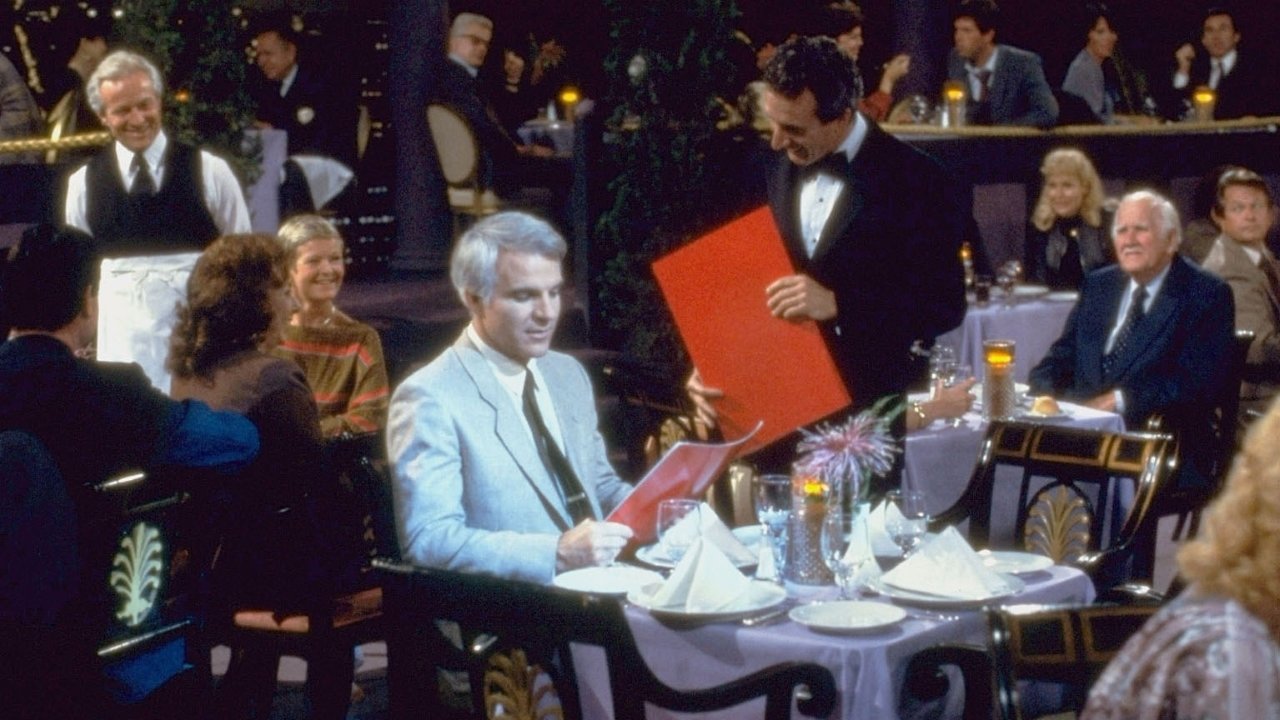
You absolutely cannot talk about The Lonely Guy without bowing down to the altar of Charles Grodin. As Warren Evans, a fellow lonely guy who becomes Larry’s sort-of mentor in misery, Grodin delivers a masterclass in deadpan brilliance. Warren has embraced loneliness, weaponized it, even. His advice to Larry, delivered with that signature flat affect, is comedy gold. Their shared scenes, particularly the sequence where Warren demonstrates the art of dining alone without pity, are highlights. Grodin’s ability to convey profound sadness and absurdity simultaneously, often without cracking a smile, is just unparalleled. Their chemistry is less about buddy-comedy banter and more about two slightly broken souls finding solace in shared awkwardness.
### Surreal Touches and 80s Charm
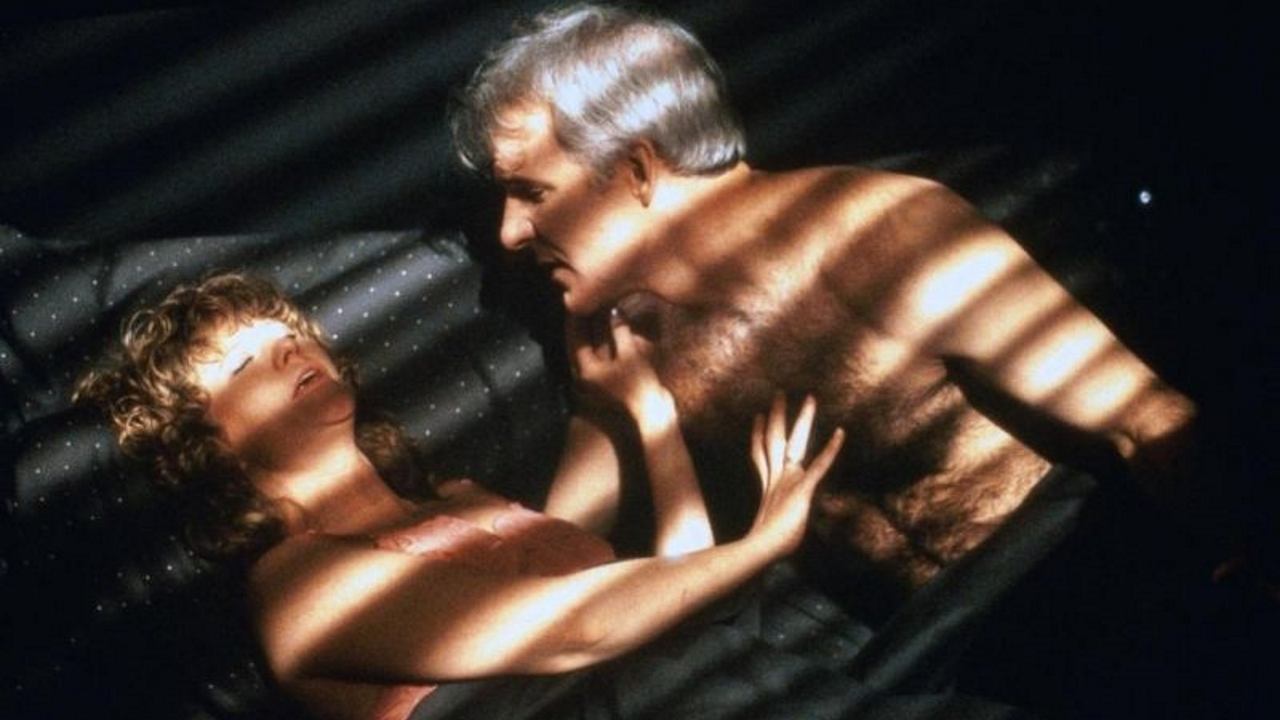
The film isn't afraid to get weird, which is part of its enduring charm. The moment Larry becomes a bestselling author about being lonely, leading to talk show appearances (featuring actual hosts like Merv Griffin and pop psychologist Dr. Joyce Brothers playing themselves), feels perfectly pitched for the era's burgeoning self-help craze. There’s a delightful absurdity to the idea of loneliness becoming trendy. Retro Fun Fact: Keep an eye out for a blink-and-you'll-miss-it cameo from Loni Anderson, who was married to Burt Reynolds at the time – a little slice of 80s Hollywood popping up.
The film also captures a specific feel of early 80s New York City – maybe not as gritty as some portrayals, but definitely recognizable. The look, the fashion (oh, the sweaters!), the slightly muted color palette all contribute to the atmosphere. It wasn’t a massive box office smash upon release (grossing around $20 million against an $11 million budget), perhaps because its blend of tones was harder to market than a straightforward gag-fest. But like so many films from the era, it found a dedicated following on home video – that magical second life afforded by the glorious VHS tape.
### Why It Still Connects
Watching The Lonely Guy today is like revisiting an old friend. Sure, some elements feel distinctly of their time, but the core themes – the fear of being alone, the struggle to connect, the absurdity of social rituals – remain surprisingly resonant. Martin’s heartfelt performance, Grodin’s comedic genius, and the film's willingness to mix laughter with a touch of genuine sadness make it stand out from the pack. It’s a gentler, more thoughtful comedy than many of its contemporaries.
Rating: 7.5 / 10
Justification: The film earns its score through the brilliant central performances of Martin and Grodin, its unique blend of humor and pathos, and its surprisingly timeless exploration of loneliness. While some gags might feel a bit dated and the pacing occasionally reflects its era, the core emotional intelligence and comedic highlights hold up remarkably well. It’s a smart, funny, and unexpectedly touching film that might hit even closer to home now than it did back then.
Final Thought: The Lonely Guy is that perfect rental night discovery – a comedy with a quiet heart, proving that even in the sometimes-loud landscape of 80s cinema, there was room for laughter tinged with a little bit of soul-searching, best appreciated with the comforting whir of a VCR.