Alright, fellow tapeheads, dim the lights, adjust the tracking, and let that familiar magnetic hiss fill the room. Tonight, we’re digging deep into the grimy, glorious recesses of the video store shelves – way past the glossy blockbusters – to unearth a true pearl of putrescence, a genuine artifact of outsider art that could only have crawled out of the 1980s: James M. Muro’s 1987 cult meltdown masterpiece, Street Trash. Forget subtlety; this film grabs you by the eyeballs and doesn't let go until the VCR clicks off.

Junkyard Jamboree, Brewed with Bad Intentions
Set amidst the decaying splendor of a Brooklyn scrap yard, Street Trash introduces us to a community of homeless individuals living by their own bizarre code. Our main points of (often shaky) focus are Fred (Mike Lackey) and his younger brother Kevin (Mark Sferrazza), just trying to survive the daily grind of dereliction. But survival gets a whole lot trickier when a local liquor store owner discovers a dusty crate of old booze in his cellar – "Tenafly Viper" – and decides to unload it on the local down-and-outs for a dollar a bottle. Bad move. Turns out, this vintage refreshment isn't just past its prime; it causes anyone who drinks it to melt into a pulsating, technicolor puddle of goo.
This wasn't just some random idea; writer Roy Frumkes (who famously documented George A. Romero's work in Document of the Dead) originally conceived Street Trash as a short student film. Expanding it into a feature involved navigating a notoriously troubled production, plagued by funding issues that somehow only seem to add to the film's frantic, unhinged energy. You can almost feel the desperation behind the camera translating into the chaos on screen.

A Symphony of Splatter: The Practical Effects Miracle
Let's be honest, the plot – involving turf wars with psychotic Vietnam vet Bronson (Vic Noto, chewing scenery with gusto) and various grimy subplots – is really just a loose framework to hang some of the most outrageously creative and repulsive practical effects sequences ever committed to film. This is where Street Trash truly earns its cult stripes. Remember how real those bullet hits looked back then, before digital blood spray became the norm? Now imagine that visceral impact applied to human liquefaction.
When someone takes a swig of Viper, the results are spectacular. We're talking vibrant blues, greens, yellows, and reds bubbling up as bodies dissolve in gloriously graphic detail. The infamous toilet melt scene? Pure, unadulterated 80s gross-out genius. It's messy, it's imaginative, and it feels tangible in a way that slick CGI rarely achieves today. These weren't computer-generated pixels; this was latex, methylcellulose, food coloring, and who knows what other volatile concoctions being physically manipulated on set by artists pushing the boundaries of low-budget gore. The sheer audacity is something to behold. It’s a testament to the grimy ingenuity that defined so much indie horror filmmaking of the era.

Grit, Grime, and Gonzo Filmmaking
Director James M. Muro (often credited as Jim Muro) makes his directorial debut here, and you can see the raw talent, particularly in the kinetic camerawork. There’s a restless energy, lots of handheld shots navigating the junkyard squalor, that perfectly matches the film's punk-rock aesthetic. It’s fascinating to note that Muro largely abandoned directing after this, instead becoming one of Hollywood's most sought-after Steadicam operators and cinematographers, working on massive productions like Titanic (1997), Terminator 2: Judgment Day (1991), and Heat (1995). Watching Street Trash, you can almost see the genesis of that fluid camera movement, even amidst the filth and fury.
The performances are… well, they fit the material. Mike Lackey as Fred has a certain down-and-out charm, and Bill Chepil brings a gruff authority to Bill the cop. But it's Vic Noto as Bronson who really goes for broke, delivering a performance that’s equal parts terrifying and absurdly comical. Nobody's winning an Oscar here, but they perfectly inhabit this bizarre, low-life world. The dialogue is often crass and offensive by today's standards, but it feels authentically part of the film's deliberate provocation.
Reception and Radioactive Legacy
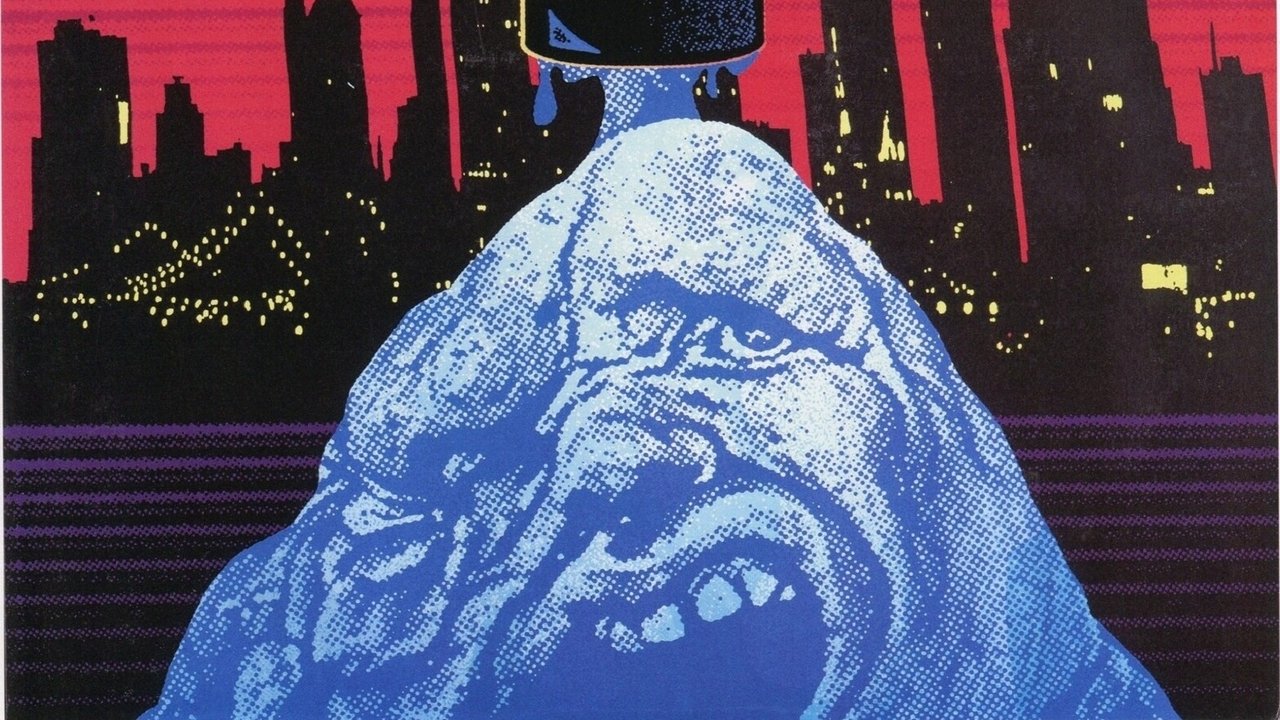
Unsurprisingly, Street Trash wasn't exactly embraced by mainstream critics upon release. It was too dirty, too mean-spirited, too much for many. Yet, it quickly found its audience on VHS, passed around like forbidden contraband among horror hounds and cult film fanatics. I distinctly remember the lurid cover art practically screaming from the rental shelf, promising something wild and transgressive. It delivered. It became a staple of midnight movie screenings and a benchmark for extreme B-movie horror-comedy. Its influence might be subtle, but you can see echoes of its gleeful grossness in later splat-stick films.
The Verdict
Street Trash is not a film for the easily offended or those seeking narrative coherence. It's a raw, nasty, and frequently hilarious blast of pure exploitation cinema, powered by astonishingly creative practical effects and a complete disregard for good taste. It's a snapshot of a time when low-budget horror could be truly dangerous and unpredictable.
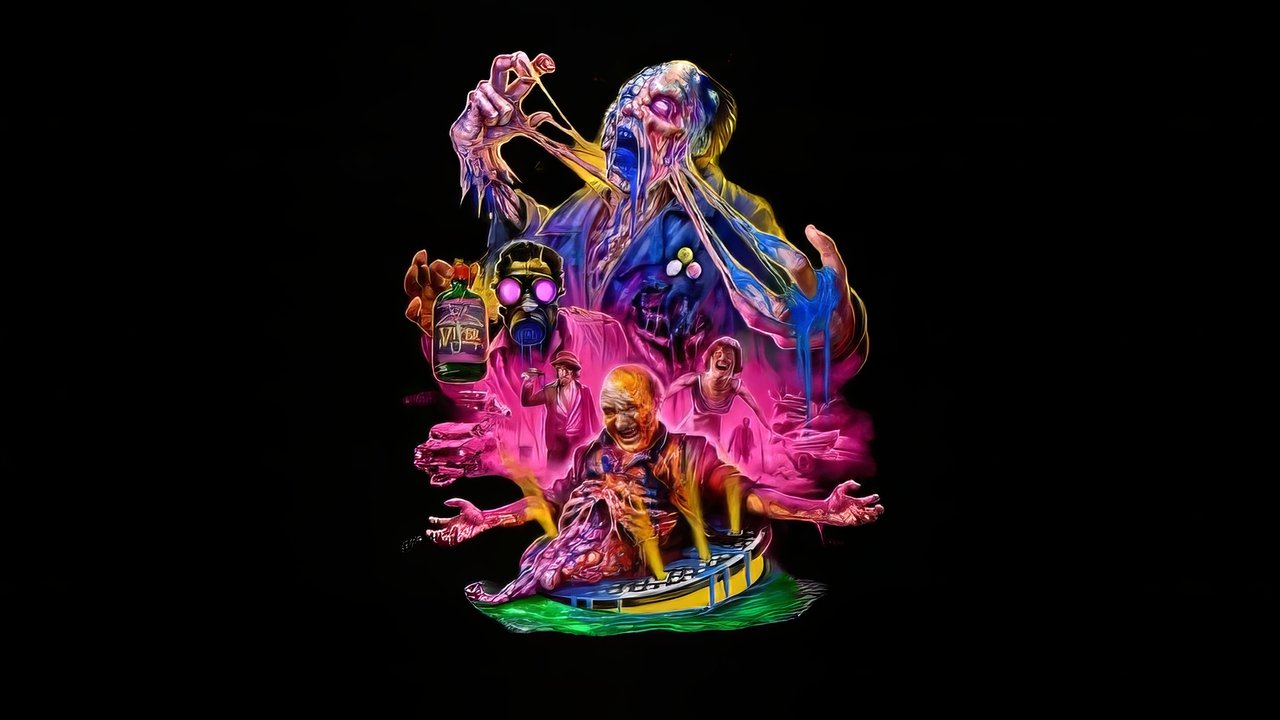
Rating: 7/10
Why this score? While the plot meanders and the acting is rough, the film scores huge points for its unforgettable, state-of-the-art (for its time and budget) practical gore effects, its unique atmosphere, and its sheer cult audacity. It’s a landmark of 80s melt movie extremity, warts and all.
Final Thought: Crack open Street Trash if you crave a taste of truly unfiltered, dangerously potent 80s B-movie brewing – just maybe keep a mop handy. This Viper still bites.