There are films that linger in the shadows of memory, tucked away on dusty shelves, spoken of in hushed tones. And then there's Nekromantik. Holding the worn, probably bootlegged, VHS copy felt like handling something illicit, something that hummed with a dangerous energy. This wasn't your typical Friday night rental; this was a descent into a particular kind of German angst and transgression, filmed with a starkness that crawls right under your skin. It promised something profoundly disturbing, and frankly, it delivered in ways few films dared.

Love Among the Ruins
At its decaying heart, Nekromantik (1988) introduces us to Rob (Daktari Lorenz) and Betty (Beatrice Manowski). Rob works for Joe's Street Cleaning Agency (JSA), a company specializing in gruesome accident cleanups. His job provides... unique opportunities. When he brings home a complete, waterlogged corpse retrieved from the scene of an accident, it’s not presented as horror, but as a bizarrely intimate gift for Betty. What follows is a ‘ménage à trois’ that pushes the boundaries of cinematic taboos, exploring themes of love, death, and alienation through the lens of necrophilia. The narrative, such as it is, drifts through their increasingly detached lives, punctuated by moments of shocking intimacy with the decomposing third member of their household.
The Texture of Decay

Shot predominantly on Super 8, the film possesses a grainy, almost home-movie aesthetic that paradoxically amplifies its horror. This isn't the slick, stylized dread of Hollywood; this feels raw, immediate, uncomfortably real. Director Jörg Buttgereit, working with a shoestring budget (reportedly around DM 40,000 – pocket change even then), turns limitations into strengths. The lo-fi visuals, the sometimes-unsteady camerawork, the washed-out colours – it all contributes to an atmosphere of profound urban decay and emotional numbness. It’s a world where the living seem almost as dead as the corpse they cherish. This gritty realism, born partly from necessity, makes the transgressive acts feel less like fantasy and more like a grim documentary from the fringes of society. Remember how certain low-budget horrors felt more unsettling because they lacked polish? Nekromantik weaponizes that feeling.
Adding to the disquieting atmosphere is the score, composed by Hermann Kopp, Daktari Lorenz, and John Boy Walton. Often melancholic, sometimes surprisingly romantic piano melodies drift over scenes of absolute depravity. This jarring contrast between the repellent visuals and the oddly beautiful music is perhaps the film's most insidious trick, creating a profound sense of unease and forcing the viewer into a deeply uncomfortable headspace. It refuses to simply repel; it aims to disturb on a more fundamental, emotional level.
Forged in Controversy
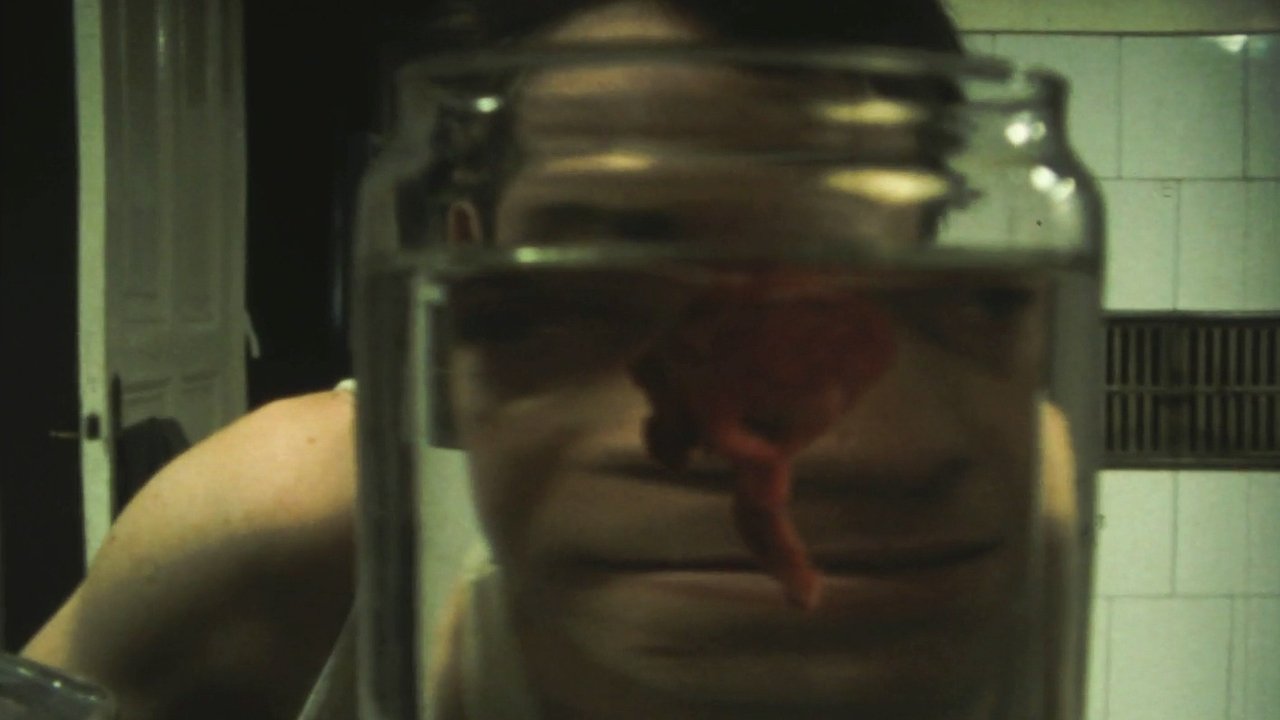

You can't discuss Nekromantik without acknowledging its notorious reputation. This film wasn't just controversial; it was actively seized and banned in numerous countries, becoming a symbol of extreme cinema. Buttgereit and co-writer Franz Rodenkirchen weren't interested in courting mainstream acceptance. The infamous scene involving the rabbit, for instance, utilised footage of a real rabbit being skinned (reportedly sourced, not filmed by the production specifically for the movie, though details remain murky and contested), adding another layer of grim reality that appalled censors and audiences alike. It's a detail that speaks volumes about the film's unflinching, punk-rock approach to confronting the audience with the visceral facts of life and death. The commitment of actors Daktari Lorenz and Beatrice Manowski is nothing short of astounding, navigating incredibly challenging material with a strange sort of conviction that anchors the film's bizarre reality. Their performances are less about traditional acting and more about embodying a state of profound alienation.
More Than Just Shock?
Is Nekromantik merely provocation, a cinematic middle finger to good taste? While the shock value is undeniable, there's arguably more going on beneath the surface. Some read it as a bleak satire of bourgeois relationships, suggesting the dead lover offers a more stable, less demanding connection than a living partner. It explores the ultimate objectification, perhaps, but also a desperate, albeit twisted, search for intimacy in a world that feels cold and indifferent. The juxtaposition of tenderness (stroking decaying flesh) and utter horror creates a space for uncomfortable questions about the nature of love, loneliness, and our societal discomfort with the physical realities of death. It doesn’t offer answers, only a lingering disquiet.
Final Rot
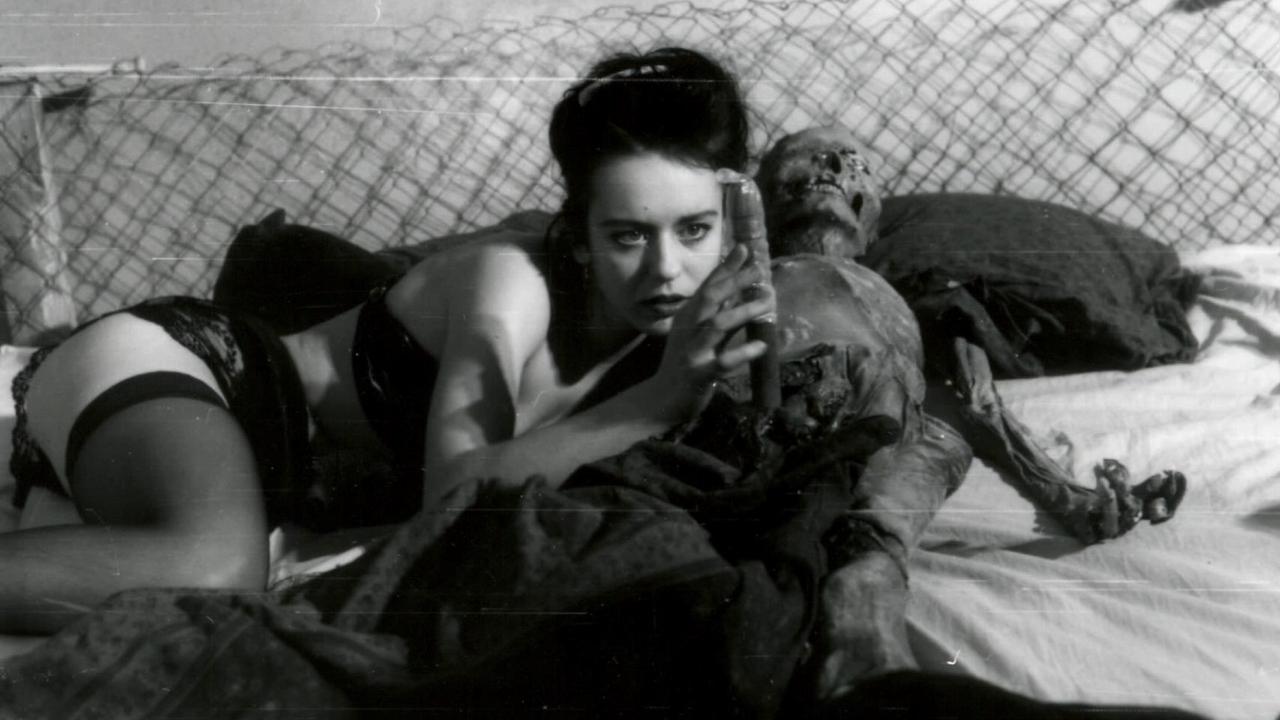
Nekromantik is not an easy watch. It’s crude, challenging, and deeply disturbing. Its technical limitations are part of its grimy charm and effectiveness. It’s a film that stays with you, not necessarily because you enjoyed it in the conventional sense, but because it dares to show you something unforgettable, something from the absolute edge of cinematic expression. It remains a potent artifact of the VHS underground, a testament to DIY filmmaking pushing boundaries to their breaking point.
Rating: 7/10 - This score reflects its undeniable power as a piece of transgressive art and its enduring cult status, acknowledging its effectiveness in achieving its unsettling goals despite (or perhaps because of) its technical crudeness. It's a landmark of extreme cinema, but its repellent subject matter and lo-fi execution make it a deeply acquired taste.
Nekromantik isn't just a movie; it's an experience, a dare, a film that truly tested the limits of what could be committed to tape and whispered about in the darkest corners of the video store. Love it or loathe it, you won't forget it.