Okay, rewind that tape. Hear that familiar whir and click as the VCR loads? Good. Because tonight, we’re diving headfirst into a pivotal moment in Bond history, a film that landed on rental shelves like a well-aimed throwing knife: 1987’s The Living Daylights. This wasn't just another mission; it was the dawn of a new Bond, and pulling this tape off the 'New Releases' wall felt like witnessing a changing of the guard right there in your living room.
### Enter Dalton, Stage Left
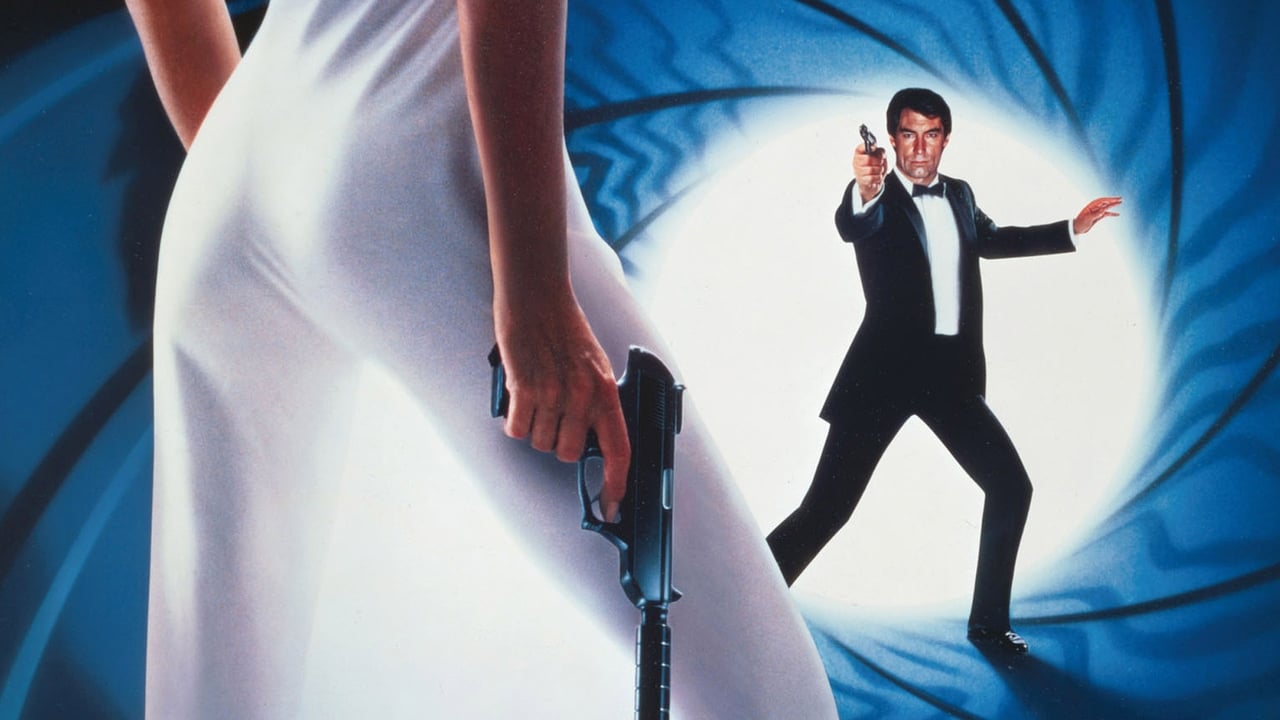
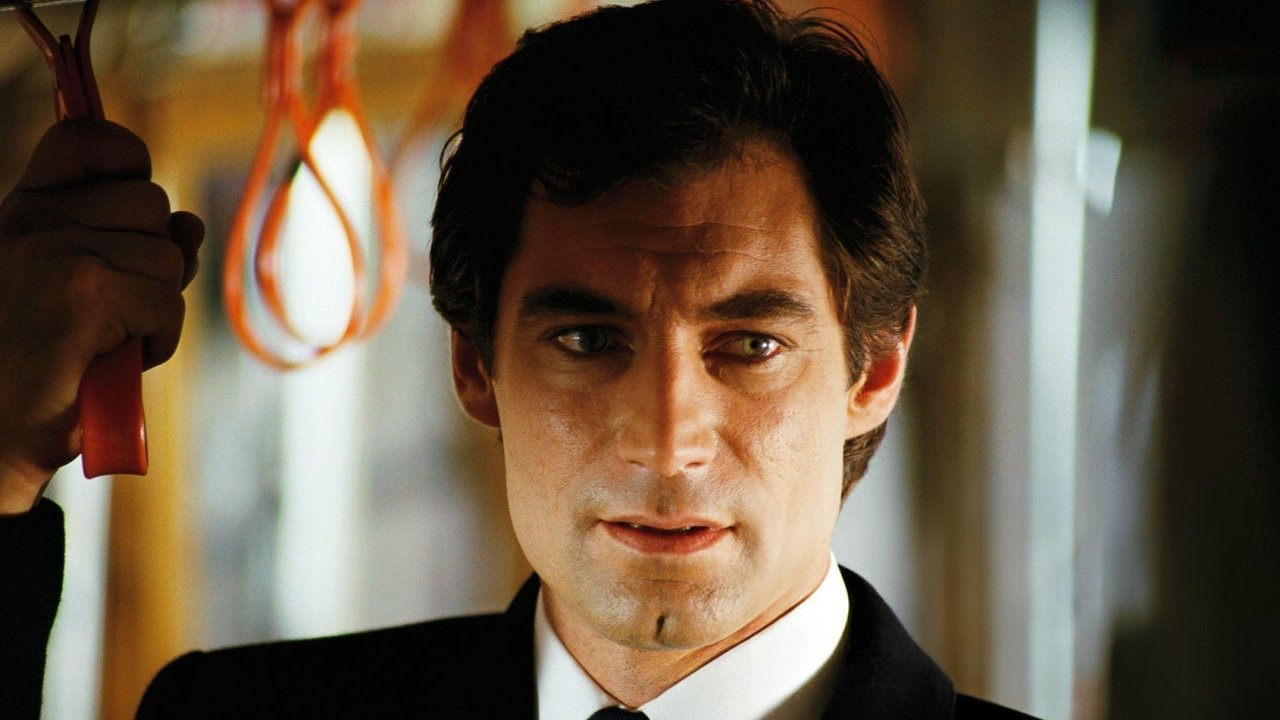
Forget the raised eyebrow and the safari suits for a moment. After the increasingly lighthearted, almost self-parodic final entries of the Roger Moore era, The Living Daylights felt like a deliberate course correction. Enter Timothy Dalton, an actor with serious stage pedigree, bringing a simmering intensity and a closer adherence to Ian Fleming's original, often darker, characterisation. It was jarring for some, thrilling for others. I distinctly remember thinking, "Whoa, this guy actually looks like he could kill someone." It was a palpable shift. Landing Dalton wasn't straightforward, either; Pierce Brosnan was famously offered the role first but couldn't escape his contractual obligations to TV's Remington Steele. Fate, eh? Brosnan would get his turn, but Dalton seized this moment, giving us a Bond who felt genuinely weary of the world but fiercely committed to the mission.
### Cold War Chills and Cello Cases
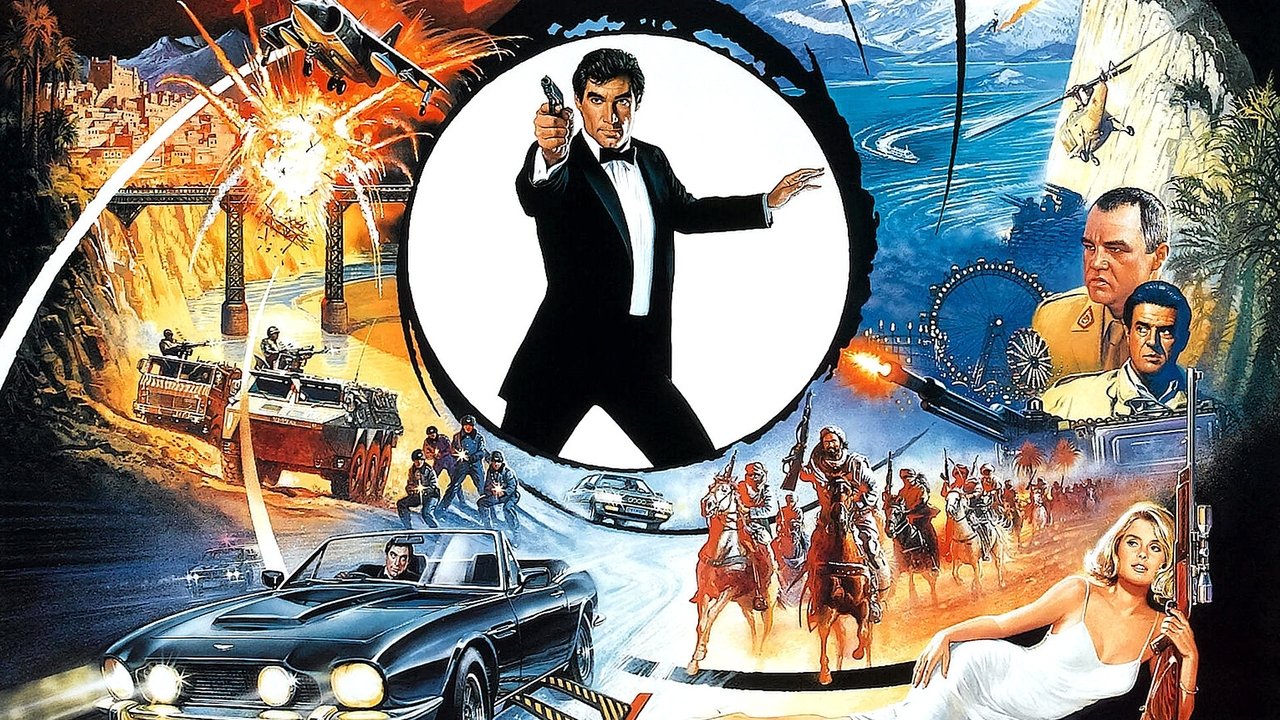
The plot whisks us away on a classic Cold War caper, kicking off with the dramatic defection of Soviet General Koskov (Jeroen Krabbé, masterfully slimy) in Bratislava, aided by Bond. The wrinkle? Bond deliberately foils an assassination attempt on Koskov by sparing a beautiful cellist sniper, Kara Milovy (Maryam d'Abo). This act of mercy, or perhaps keen observation, sets the stage for a twisty narrative involving rogue KGB elements, a flamboyant American arms dealer (Joe Don Baker having a blast as Brad Whitaker), Afghan mujahideen freedom fighters (Art Malik is charismatic as Kamran Shah), and, of course, a conspiracy far bigger than a simple defection. Directed by Bond veteran John Glen (who helmed five 007 entries back-to-back!), the film navigates its complex plot with a steady hand, grounding the espionage in tangible, real-world stakes that felt particularly potent in the late 80s. You could almost feel the Berlin Wall in the background, even when the action moved to Vienna or Morocco.
### Action You Can Feel (Literally)
Let's talk about what made The Living Daylights pop on those fuzzy CRT screens: the action. John Glen was a master of practical stunt work, and this film is a showcase. That pre-title sequence in Gibraltar? Absolutely breathtaking. Remember Bond clinging to the roof of that runaway Land Rover careening down the Rock? That wasn't CGI trickery; that was pure, unadulterated stunt work, meticulously planned and executed with nerve-shredding precision by performers like B.J. Worth and Jake Lombard. It looked dangerous because it was dangerous – tragically underscored by the death of a stuntman during second unit filming for this very sequence, a stark reminder of the risks taken for our entertainment in that era.

And the Aston Martin V8 Vantage! Making a glorious return after years of Lotus Esprits, this souped-up beast was pure 80s muscle, complete with laser hubcaps, missiles, skis, and that all-important self-destruct button. The chase sequence across a frozen lake (filmed mainly in Austria, standing in for Czechoslovakia) felt visceral and crunchy, the crunch of metal and ice far more satisfying than the often weightless digital mayhem of today. Then there's the climactic fight dangling from a cargo plane's net high above Afghanistan – Bond versus the imposing Necros (Andreas Wisniewski, a truly memorable, Walkman-wearing henchman). The wind whipping, the sheer height... it’s a masterclass in practical tension. You believed they were really up there.
### Sounds of '87
We can't discuss The Living Daylights without mentioning the music. This was legendary composer John Barry's final Bond score, and it's a magnificent swansong – moody, romantic, and perfectly complementing Dalton's darker portrayal. Then there's the title track by Norwegian pop superstars a-ha. It was a huge hit, undeniably catchy, but its synth-pop vibe felt… different. A definite product of its time, and reportedly, Barry wasn't exactly thrilled with the collaboration, preferring a more classic sound. Still, hearing those opening bars instantly transports you back to '87.
### The Verdict from the Video Store Counter
The Living Daylights was a breath of fresh, albeit colder, air for the franchise. It performed well commercially (raking in over $191 million worldwide on a $40 million budget – a solid hit) and critically, with many appreciating the return to a more serious tone. Dalton proved a capable, if perhaps less immediately charming, Bond, setting the stage for his even grittier follow-up, Licence to Kill (1989).
Looking back through the haze of tracking lines and slightly worn tape, The Living Daylights holds up remarkably well. It's a sophisticated, globe-trotting adventure with genuine tension and some of the series' best practical stunt work. Dalton's intensity feels earned, and the plot, while complex, feels grounded in a way that many later entries would abandon.
Rating: 8/10
Justification: Dalton's strong debut, outstanding practical action sequences that still impress, a gripping Cold War plot, and Barry's final, fantastic score make this a standout. It might lack the iconic villainy of some entries, and a-ha's theme is divisive, but it successfully revitalized Bond for a new era.
Final Thought: This was Bond getting his hands dirty again, a shot of gritty reality perfectly suited for the tangible feel of a VHS tape – a reminder that sometimes, the danger feeling real is the best special effect of all. Definitely worth rewinding.