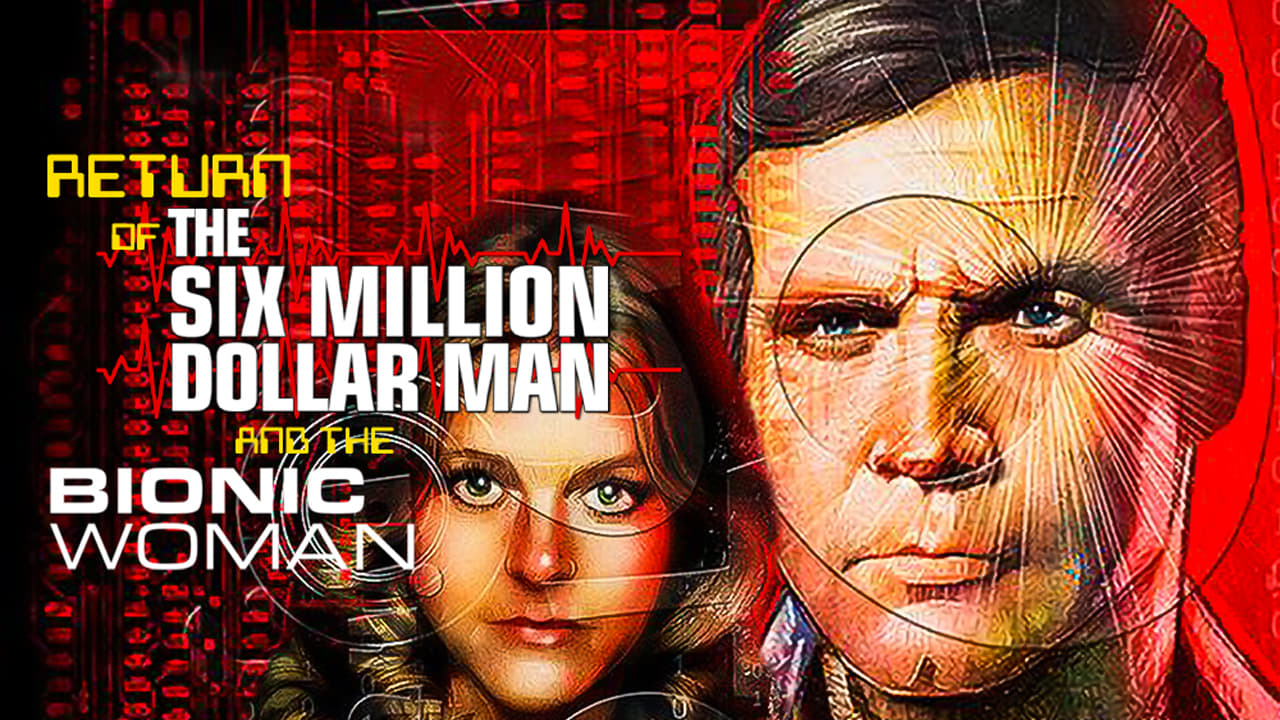
The Return of the Six-Million-Dollar Man and the Bionic Woman
Alright fellow tape travelers, slide that worn cassette into the VCR, maybe give the tracking a little nudge, and let's talk about a reunion that felt like finding a beloved old action figure in the attic: 1987's The Return of the Six-Million-Dollar Man and the Bionic Woman. Forget the gritty, R-rated action heroes dominating the multiplexes back then; this was network television dialing back the clock, bringing two of the most iconic figures of 70s sci-fi adventure back into our living rooms. It wasn't just a movie; it felt like catching up with old friends.
Better, Stronger, Familiar
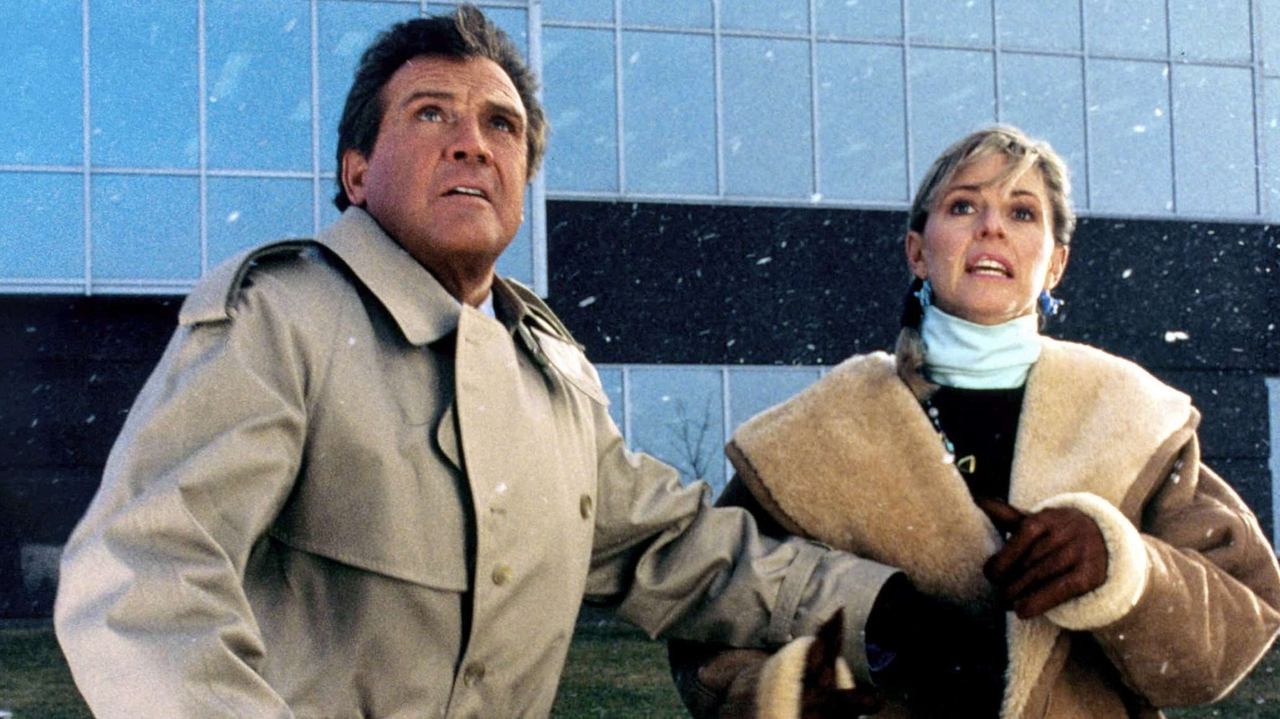
Seeing Lee Majors slip back into Steve Austin's Members Only-esque jacket (okay, maybe not that specific jacket, but the vibe!) and Lindsay Wagner return as the equally capable Jaime Sommers was pure, unadulterated nostalgia fuel. Nearly a decade had passed since their original shows went off the air, leaving fans wondering what became of the bionic couple whose romance was often teased but rarely cemented. This TV movie, spearheaded by writer Michael Sloan (who clearly had a knack for reviving classics, later giving us Kung Fu: The Legend Continues), aimed to answer that question, banking heavily on the audience's lingering affection. And honestly? It mostly worked. Both Majors and Wagner seemed comfortable, settling back into their roles with an easy chemistry that reminded us why we loved them in the first place. That slightly weary, seen-it-all look in Majors' eyes felt earned, while Wagner still projected Jaime's blend of vulnerability and strength. And crucially, Richard Anderson was back as the indispensable Oscar Goldman, grounding the bionic weirdness with his authoritative presence. His return felt absolutely essential; you simply couldn't have a proper reunion without Oscar orchestrating things from behind his OSI desk.
Updating the Tech, 80s Style
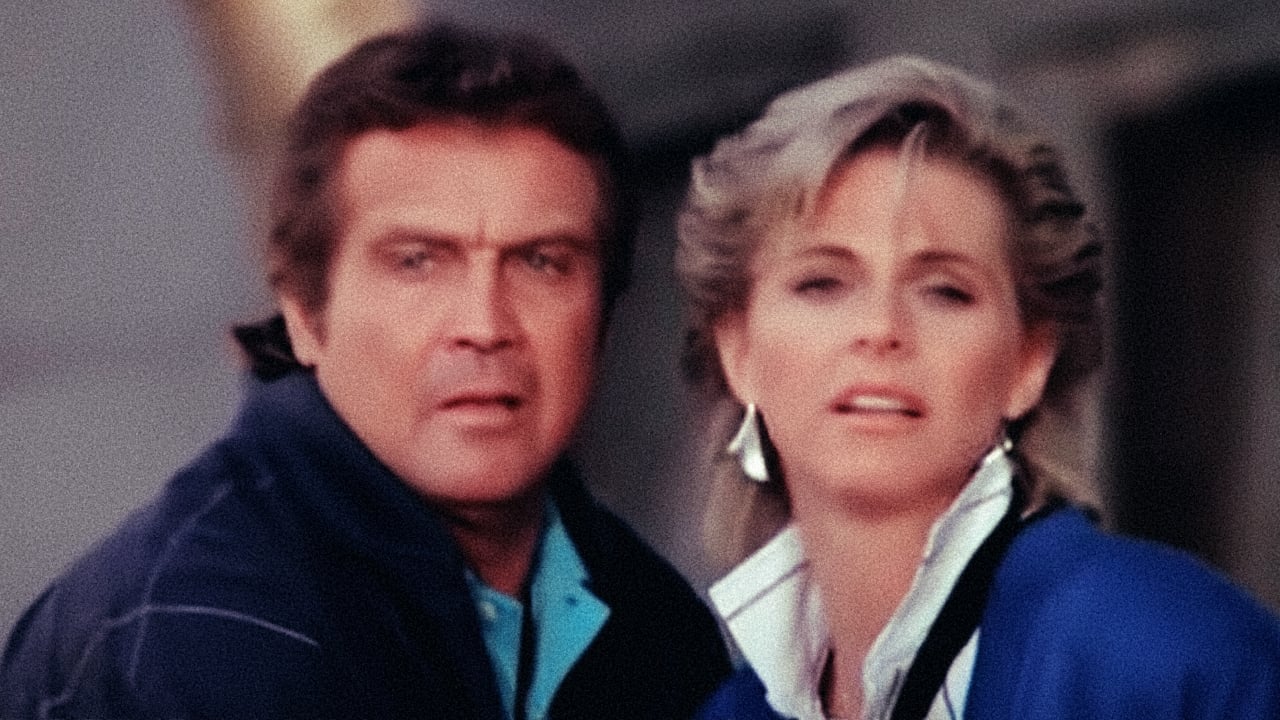
The plot hinges on Steve Austin trying to reconnect with his estranged son, Michael (Tom Schanley), now a hotshot Air Force pilot candidate. Naturally, things go sideways thanks to a shadowy mercenary group called Fortress, led by the scenery-chewing Martin Drain (played with gusto by Martin Landau, adding a touch of class). An accident leaves Michael near death, forcing Steve to make the impossible choice: give his son bionics. This "next generation" angle was a common trope in 80s revivals, a way to potentially pass the torch. Schanley does his best, but let's be honest, we were primarily here for Steve and Jaime.
What about the bionics themselves? Well, they felt... familiar. We still got the iconic chy-chy-chy-chy sound effect (did anyone else make that noise jumping off the couch?), the slow-motion running meant to convey super speed, and the close-ups of eyes focusing for telescopic vision. While maybe not groundbreaking even in '87 compared to theatrical releases, there was a certain charm to seeing these effects again. They weren't trying to reinvent the wheel, just polish it slightly for an 80s audience. It felt less about visceral, bone-crunching impact – which we were getting elsewhere – and more about that clean, almost superheroic power that defined the original shows. You have to remember, these characters came from a slightly more optimistic, technologically wondrous era of television sci-fi, a far cry from the cyber-punk dystopias starting to emerge.
Action by the Numbers, Heart by the Gallon
The action sequences, directed by TV veteran Ray Austin (who cut his teeth on countless episodes of beloved shows like The Saint and Space: 1999), are pure 80s television fare. Expect some explosions, fistfights where the punches land with amplified thwacks, and car chases that feel competent rather than breathtaking. There’s a certain functional quality to it all. Don't expect the meticulously choreographed chaos of a John McTiernan film from the same era. This was designed for the small screen, likely on a tighter budget and schedule than its big-screen cousins.
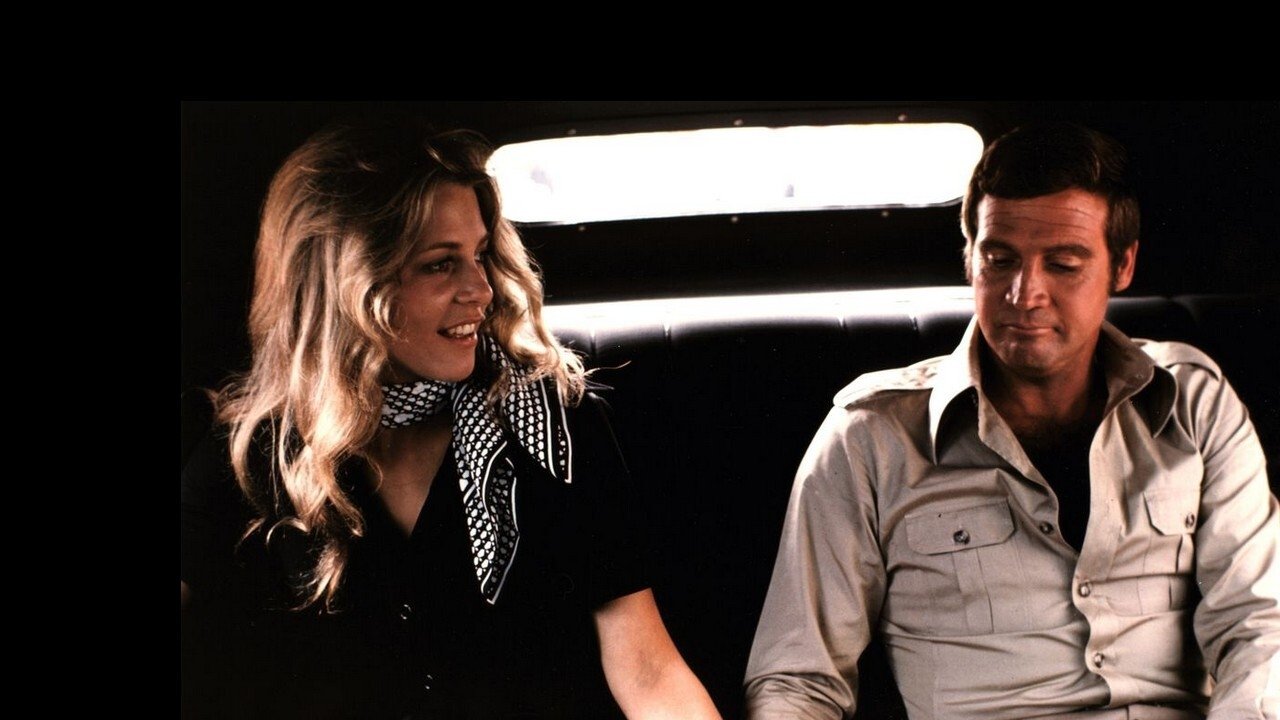
But where the movie truly succeeds is in the character moments. Steve grappling with his son's fate, Jaime offering support and showcasing her own capabilities, the gentle rekindling of their relationship – that's the core appeal. It plays heavily on our shared history with these characters. One fun tidbit: the original shows, based on Martin Caidin's novel Cyborg, often kept Steve and Jaime apart due to network shenanigans and separate series. These reunion movies were a chance for fans to finally see them operate as a true team, and eventually, a couple. This first reunion tested the waters, proving there was still an audience hungry for more bionic adventures.
Did It Hold Up?
Watching it now on a worn VHS (or maybe a convenient streaming service, let's be real), The Return of the Six-Million-Dollar Man and the Bionic Woman is undeniably dated. The pacing is pure 80s TV movie, the villains are a bit cartoonish, and the attempt to launch a "next generation" bionic hero feels a little forced. Yet, there's an undeniable warmth and charm to it. It's comfort food cinema, a nostalgic trip back to a time when seeing your childhood heroes return, even in a slightly lower-budget format, felt like a genuine event. It successfully paved the way for two more reunion movies, Bionic Showdown (featuring Sandra Bullock pre-stardom!) and Bionic Ever After?, allowing Steve and Jaime's story to finally reach a satisfying conclusion.
---
VHS Heaven Rating: 6/10
Justification: The score reflects the film's primary strength: potent nostalgia and the welcome return of beloved characters played by the original actors. Majors, Wagner, and Anderson slip back into their roles effortlessly. However, it's held back by standard 80s TV movie production values, somewhat predictable plotting, and action that feels functional rather than thrilling. It delivers exactly what it promised – a reunion – but doesn't quite recapture the magic or innovation of the original series.
Final Take: A must-see for fans of the original shows, delivering a satisfying dose of bionic nostalgia, even if the tech (and filmmaking) feels charmingly analogue by today's standards. It’s a reminder of a gentler, perhaps more earnest, era of televised sci-fi adventure.