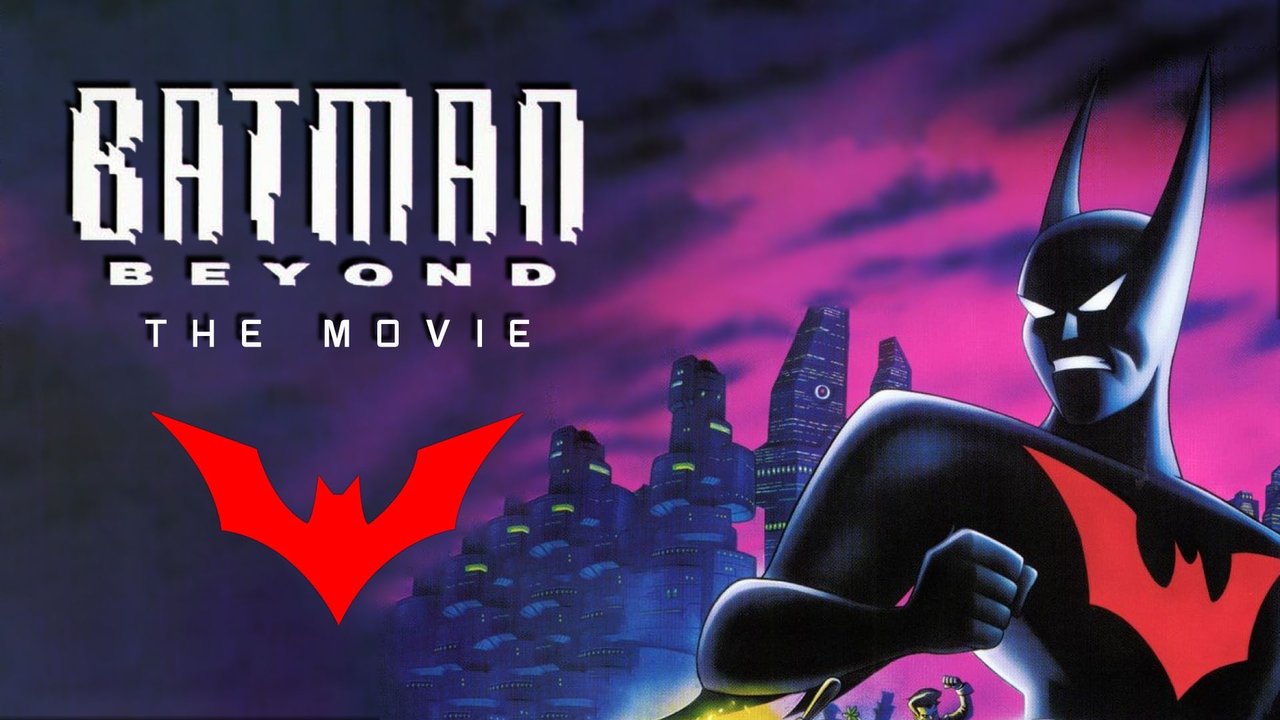
The glow fades from the familiar Warner Bros. shield, but the Gotham that emerges isn't the art-deco labyrinth we knew. Rain slicks neon-drenched streets, flying vehicles carve paths through towering, oppressive structures, and the darkness feels... colder. More invasive. This is Neo-Gotham, decades after Bruce Wayne hung up the cowl, and the first glimpse of it on a flickering CRT screen back in 1999 was a jolt – a future both dazzling and deeply unsettling. Batman Beyond: The Movie, though technically a compilation of the animated series' stunning opening episodes released straight to VHS, felt like a transmission from a grim tomorrow, a stark warning wrapped in sleek, cyberpunk visuals.

A Future We Didn't Ask For (But Couldn't Look Away From)
Forget the gothic romance of Batman: The Animated Series. Batman Beyond plunges us into a world suffocated by technology and corporate overreach. The most immediate shock? Bruce Wayne (Kevin Conroy, in a performance that chills to the bone) is old. Frail. Bitter. Haunted not just by past tragedies, but by the physical limitations that finally forced him into lonely seclusion within his cave. Seeing the iconic Batman brought low, resorting to desperate measures in the film's prologue, was a gut punch. It signaled immediately that this wasn't just a new suit; it was a fundamentally different, darker chapter. The series masterminds, Bruce Timm, Paul Dini, and Alan Burnett, weren't just continuing the legacy; they were bravely interrogating it, asking what happens when the Batman can no longer be Batman.
Enter the New Bat

Into this bleak landscape stumbles Terry McGinnis (Will Friedle, perfectly capturing teenage angst and burgeoning heroism). He's not driven by operatic tragedy like Bruce, but by the raw grief and anger of his father's murder – a crime seemingly orchestrated by the monolithic Wayne-Powers corporation, now run by the unnervingly smooth Derek Powers (Stockard Channing, dripping menace). Terry's accidental discovery of the Batcave and subsequent "borrowing" of a high-tech, prototype Batsuit isn't the hopeful passing of a torch; it's an act of desperation met with Bruce's weary resignation. The initial dynamic is pure friction – the impulsive youth versus the cynical mentor. Friedle, known then mostly for comedic roles like Eric Matthews on Boy Meets World, proved surprisingly adept at conveying Terry's anger, vulnerability, and eventual resolve. Hearing Conroy, the definitive Batman voice for a generation, deliver lines dripping with exhaustion and mistrust ("Get out of my cave!") was both jarring and brilliant, adding immense weight to this fractured vision of the future.
Neo-Gotham Noir
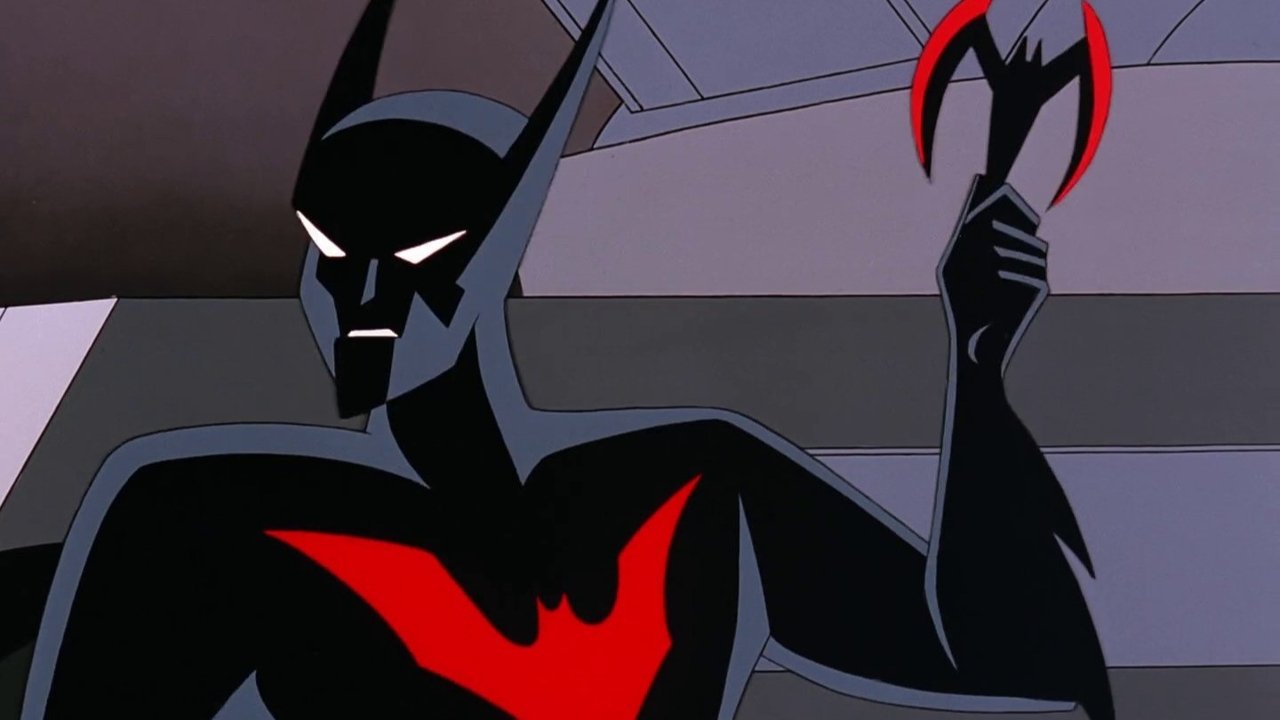
The "movie" essentially comprises the two-part "Rebirth" origin story and the subsequent four episodes, stitched together for the home video market. While this compilation structure might feel slightly episodic if you're expecting a traditional film narrative, it effectively introduces Terry's world and the threats lurking within Neo-Gotham's chrome canyons. The animation style, overseen by directors like Curt Geda, Butch Lukic, and Dan Riba, is sharper, more angular than TAS, reflecting the harsh environment. The character designs are lean, almost severe, and the action sequences showcase the new Batsuit's futuristic capabilities – cloaking, flight, enhanced strength – with kinetic flair.
The score deserves special mention. Composers Kristopher Carter, Michael McCuistion, and Lolita Ritmanis ditched the orchestral grandeur of Shirley Walker's iconic TAS themes for a driving, industrial techno sound. It perfectly captured the cold, electronic pulse of Neo-Gotham and the raw energy of this new, younger Batman. It felt alien, futuristic, and undeniably cool, reinforcing the sense that we were miles away from the Gotham we once knew.
Retro Fun Facts: Building the Future
- The initial concept for Batman Beyond was met with skepticism, even internally. The idea of replacing Bruce Wayne was almost heretical, but the creative team, fresh off the success of Superman: The Animated Series, was given the green light to innovate.
- Kevin Conroy reportedly darkened his voice significantly, adding gravel and weariness to portray the elderly Bruce, a stark contrast to his powerful prime Batman voice. It was a deliberate choice to emphasize the character's physical and emotional decay.
- The high-tech Batsuit went through numerous design iterations. Bruce Timm wanted something sleek and almost alien, moving away from the traditional cape and cowl silhouette while retaining the core intimidating elements. The final design, with its full face mask and retractable wings, became instantly iconic.
- The villain Blight, the radioactive form of Derek Powers, was visually striking. His skeletal, glowing form presented animation challenges but provided a potent physical threat embodying corporate corruption literally consuming someone from within. Stockard Channing's chillingly calm vocal delivery as Powers, even as he transforms, makes the character even more unnerving.
Does the Future Still Haunt?
Watching Batman Beyond: The Movie today evokes a specific kind of late-90s nostalgia – the excitement of a new animated direction, the darker themes pushing the boundaries of superhero storytelling for younger audiences, and the thrill of seeing the Batman mythos evolve. While technically a TV compilation on tape, its impact was cinematic. It successfully launched a beloved series that dared to imagine a future without Bruce Wayne under the cowl, exploring themes of legacy, corporate power, and the enduring need for a protector in the shadows. The relationship between Terry and Bruce forms the heart of the story, a compelling intergenerational dynamic that anchors the futuristic setting. Doesn't that final shot of Terry soaring through Neo-Gotham, with Bruce watching from the cave, still give you a thrill?
VHS Heaven Rating: 8/10
Justification: While technically a compilation, "Batman Beyond: The Movie" serves as a powerful, atmospheric introduction to a bold new era for the Dark Knight. The stunning animation, moody cyberpunk aesthetic, exceptional voice work (especially Conroy and Friedle), and compelling core relationship overcome the slightly episodic structure inherent in its TV origins. It successfully established a dark, intriguing future that felt both exciting and cautionary. A must-watch for fans of the DCAU and anyone who appreciates animation that isn't afraid to explore darker territory. It wasn't just a new Batman; it was a brave statement about the future of superhero storytelling, delivered directly to our VCRs.