Alright, fellow tape-heads, slide that worn copy of The Witches of Eastwick into the VCR, ignore the tracking fuzz for a second, and let’s talk about this deliciously strange brew from 1987. Forget your standard fantasy or comedy; this film arrived like a bolt from the blue, mixing A-list star power with suburban ennui and a healthy dose of the downright demonic. It felt utterly unique popping it out of its rental box, a promise of something glamorous, funny, and maybe just a little bit dangerous.
Something Wicked This Way Comes
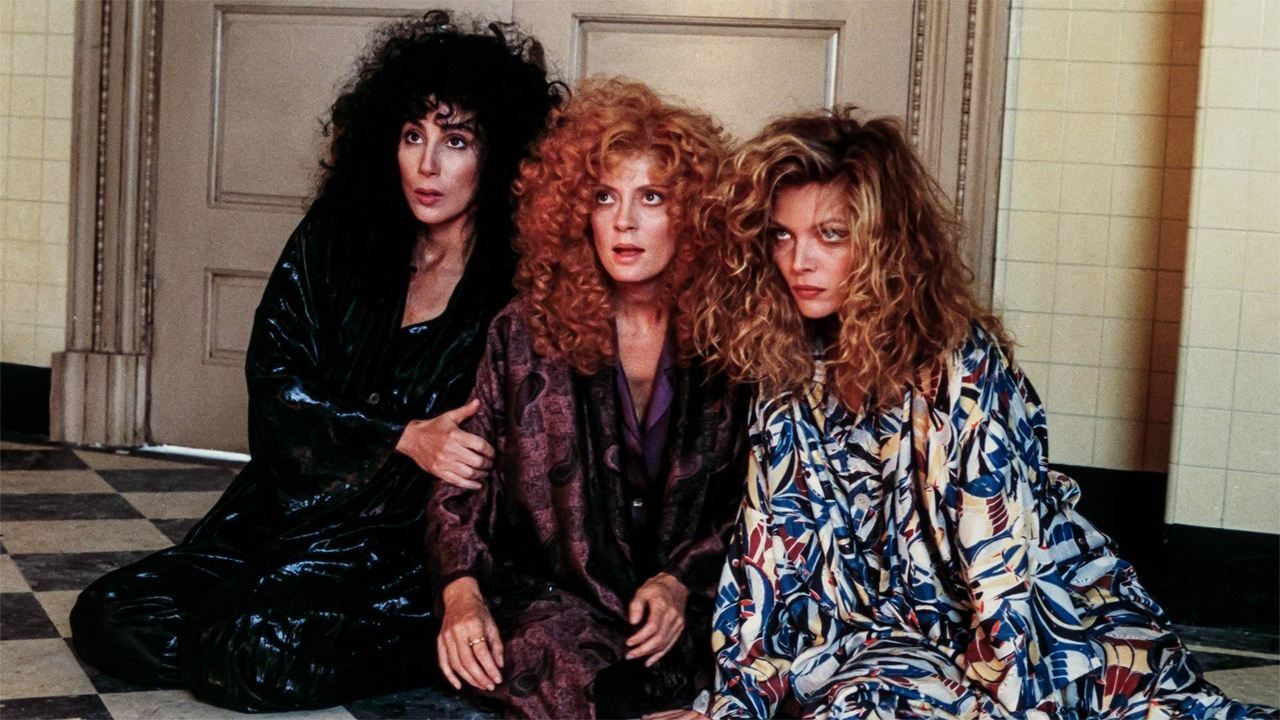
Picture this: the quaint, almost suffocatingly picturesque New England town of Eastwick. Here live three friends, Alexandra (Cher), Jane (Susan Sarandon), and Sukie (Michelle Pfeiffer), each talented, frustrated, and profoundly bored with their lives and the local men. Cher, already a bona fide superstar and recently Oscar-nominated for Silkwood (1983), brings her grounded cynicism as sculptor Alex. Sarandon, building a reputation for complex roles, embodies the repressed intensity of music teacher Jane. And Pfeiffer, on the cusp of major stardom after Scarface (1983), is luminous as the fertile writer Sukie. During one of their regular Thursday night gatherings, fueled by martinis and dissatisfaction, they idly wish for their perfect man – dark, exciting, someone to shake things up. Little do they know, they’ve just placed a classified ad straight to Hell, collect.
Meet the Devil in Designer Loafers
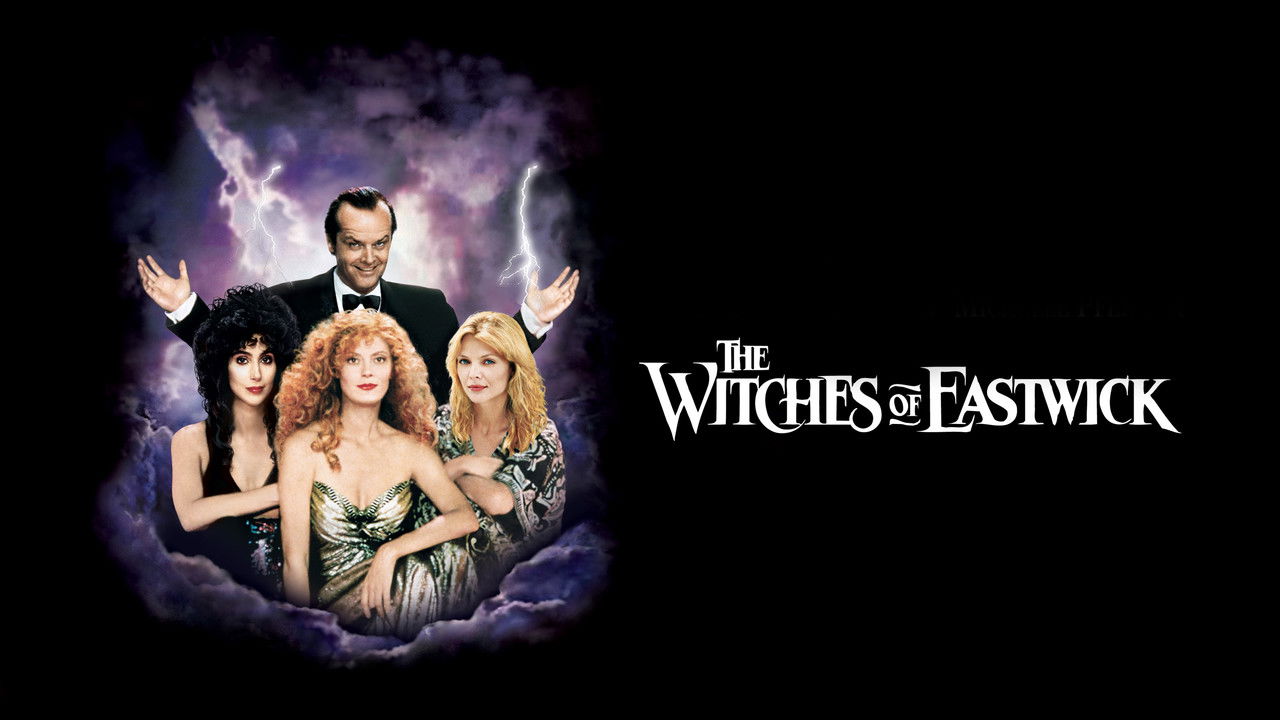
And who answers the call? None other than Daryl Van Horne, crashing into town in a swirl of charisma and chaos, embodied by Jack Nicholson in a performance that feels less like acting and more like he simply became this force of nature. It's almost impossible to imagine anyone else in the role now, though apparently, Bill Murray was considered early on – a fascinating thought, but Nicholson’s manic energy and barely concealed glee are just perfect. Fresh off Prizzi's Honor (1985), Nicholson devours the scenery here, but in the best possible way. He’s charming, repulsive, hilarious, and terrifying, often all within the same scene. Daryl buys the town's notorious Lenox Mansion (a real location scout find in Cohasset, Massachusetts, that added so much gothic atmosphere) and proceeds to systematically seduce each woman, awakening their dormant powers and desires.
The chemistry between Nicholson and the three leading ladies crackles. Each seduction scene is tailored, playing on Jane’s musical passion, Sukie’s writerly insecurities, and Alex’s earthy pragmatism. It’s a masterclass in manipulative charm, and watching the women slowly realize the true nature of their benefactor – and their own unleashed potential – is the film's core delight.
Mad Max Meets Magic?
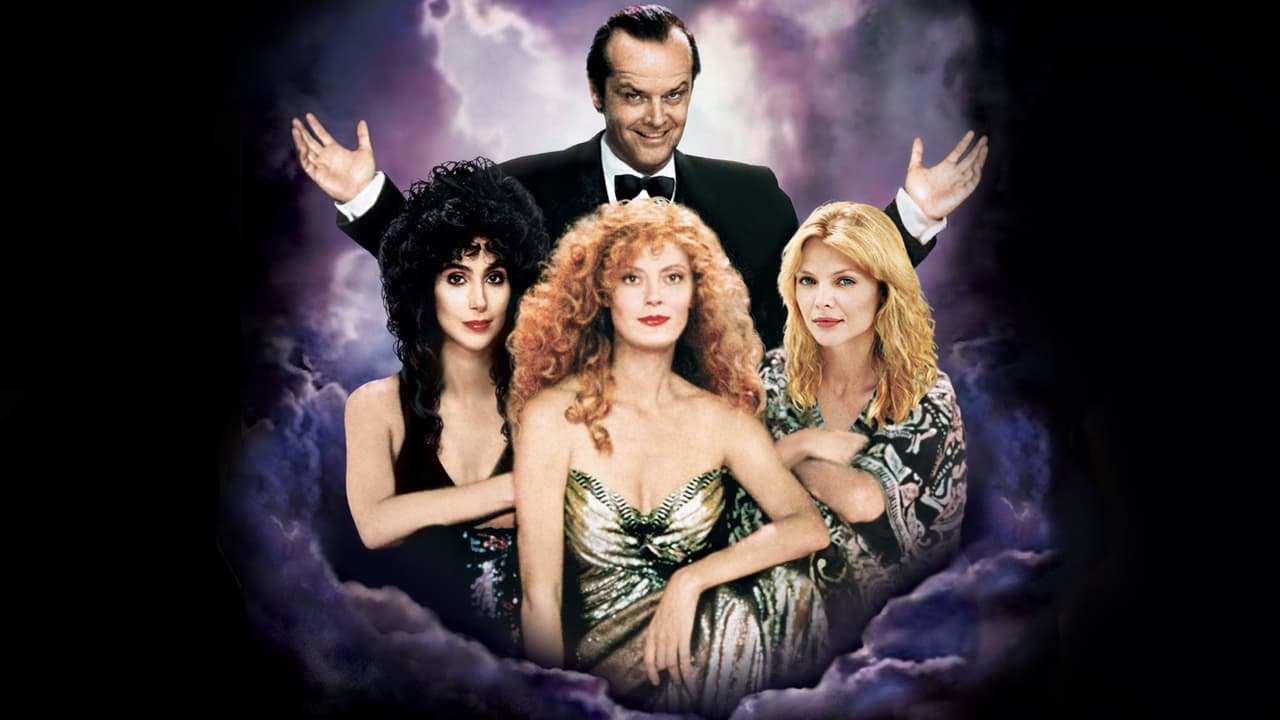
Now, here’s a brilliant bit of behind-the-scenes synergy: directing this A-list supernatural comedy was none other than George Miller, the Australian maestro who gave us the stark, high-octane dystopian visions of Mad Max (1979) and The Road Warrior (1981)! It seemed an odd fit on paper, but Miller brings a surprising visual flair and kinetic energy to the proceedings. He handles the shifts in tone – from witty drawing-room comedy to moments of genuine body horror and fantastical spectacle – with remarkable confidence. You can feel his distinct style, particularly as things escalate.
Remember that infamous cherry-spewing scene with Veronica Cartwright as the pious Felicia Alden? Pure, practical-effects-driven revulsion that had audiences gasping (and maybe laughing nervously). Miller, adapting Michael Cristofer's screenplay from John Updike's novel, wasn’t afraid to get messy. Forget smooth CGI – this was the era of latex, goo, and cleverly rigged physical gags. That scene reportedly took several takes to get right, involving tubes and precisely timed bursts of puréed cherries. It felt visceral and shocking on a grainy VHS tape in a way slicker modern effects often miss.
Conjuring Chaos and Practical Magic
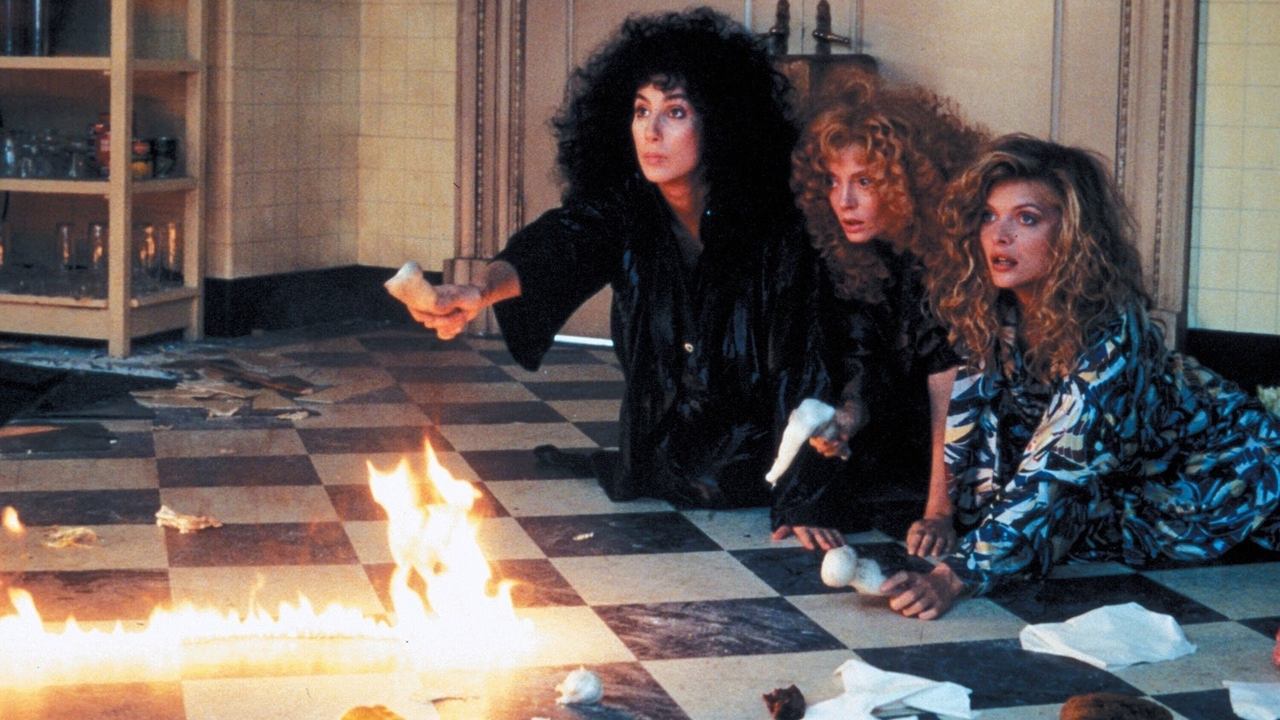
The film really leans into its practical effects, especially as the witches turn the tables on Daryl. The tennis match, where the ball zips around with impossible speed and force, feels genuinely chaotic thanks to clever editing and wire work. And the climax? A whirlwind of wind machines, breaking furniture, and Nicholson undergoing some truly grotesque (and darkly funny) transformations. This wasn't generated on a computer; you felt the tangible effort, the stunt performers risking bumps and bruises, the sheer physicality of it all. It gives the magic a weight, a realness that’s incredibly satisfying.
Adding immeasurably to the atmosphere is the fantastic score by the legendary John Williams. Far from his soaring adventure themes, this score is mischievous, seductive, and ultimately, powerfully operatic. It perfectly captures the film's blend of wit and wickedness. The film wasn't cheap, costing around $22 million back then (that's over $60 million today!), but it paid off, becoming a solid hit with audiences grossing nearly $64 million domestically, even if some critics were a bit bewildered by its tonal tightrope walk.
A Bewitching Brew That Still Bubbles
The Witches of Eastwick is a fascinating creature of the late 80s. It’s got big hair, questionable fashion choices (though Cher somehow pulls it all off), and that specific blend of glossy Hollywood production and slightly subversive weirdness that marked the era. It tackles themes of female friendship, empowerment, and the dark side of desire with a surprising amount of wit and style. The performances are universally strong, with the central quartet delivering iconic work.
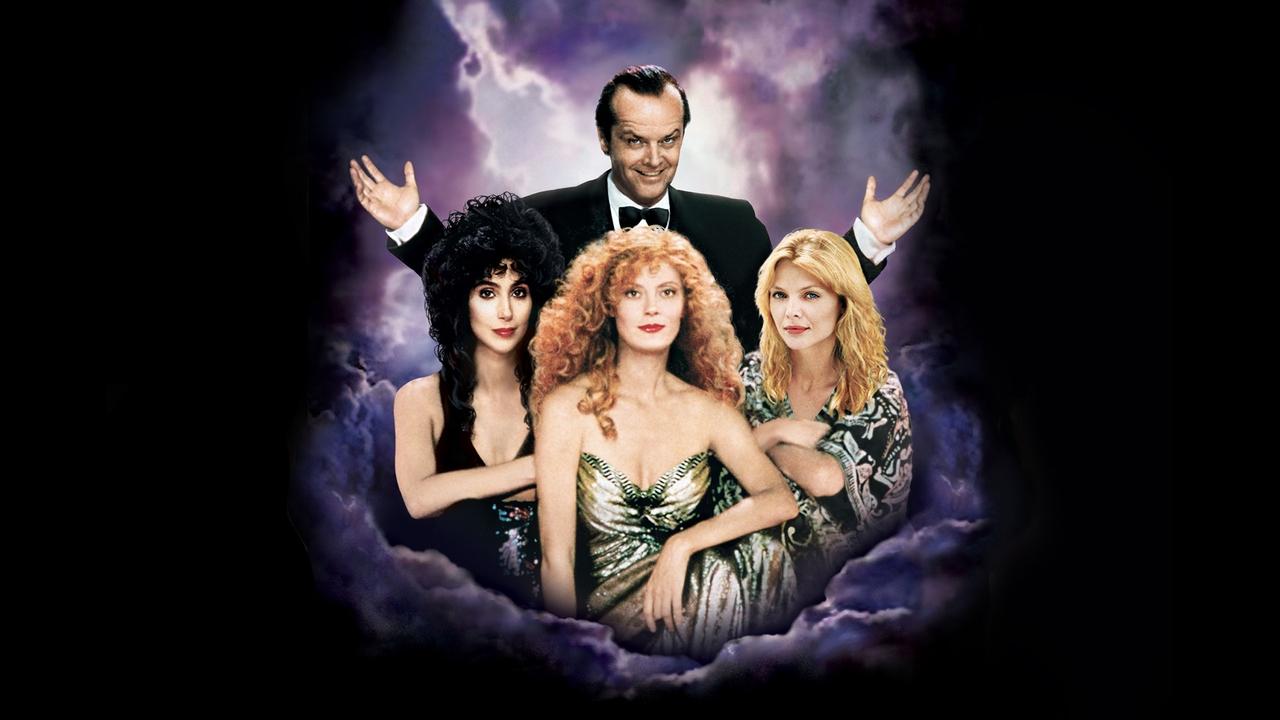
It's a film that feels both glamorous and slightly unhinged, perfectly capturing that moment when finding the right tape felt like uncovering a weird and wonderful secret. It might look a little dated around the edges, sure, but its core magic – the star power, the sharp writing, Miller's energetic direction, and those gloriously tangible effects – remains potent.
Rating: 8/10 - This rating reflects the sheer entertainment value, the iconic performances (especially Nicholson's), the successful blend of genres, and its memorable practical effects sequences. It loses a couple of points for some slightly uneven pacing in the middle and a climax that, while spectacular, perhaps goes a tad over the top even for this film. But the overall experience is undeniably fun and unique.
Final Thought: Pop this one in when you crave a reminder of when Hollywood could be big, bold, funny, a little scary, and unapologetically weird, all thanks to the dark magic conjured by incredible star power and some gloriously hands-on movie-making.