Alright, fellow tapeheads, gather ‘round the flickering glow of the CRT. Remember those late-night video store runs? Scanning shelf after shelf, past the big flashy box art, looking for something… different? Sometimes, you stumbled onto a tape whose cover promised one thing, but delivered an experience so utterly strange, so bafflingly brilliant, it imprinted itself on your brain forever. For me, and I suspect for many of you, 1989’s Vampire's Kiss was exactly that kind of find – a movie that doesn’t just feature Nicolas Cage, it unleashes him.

### More Than Just Fangs
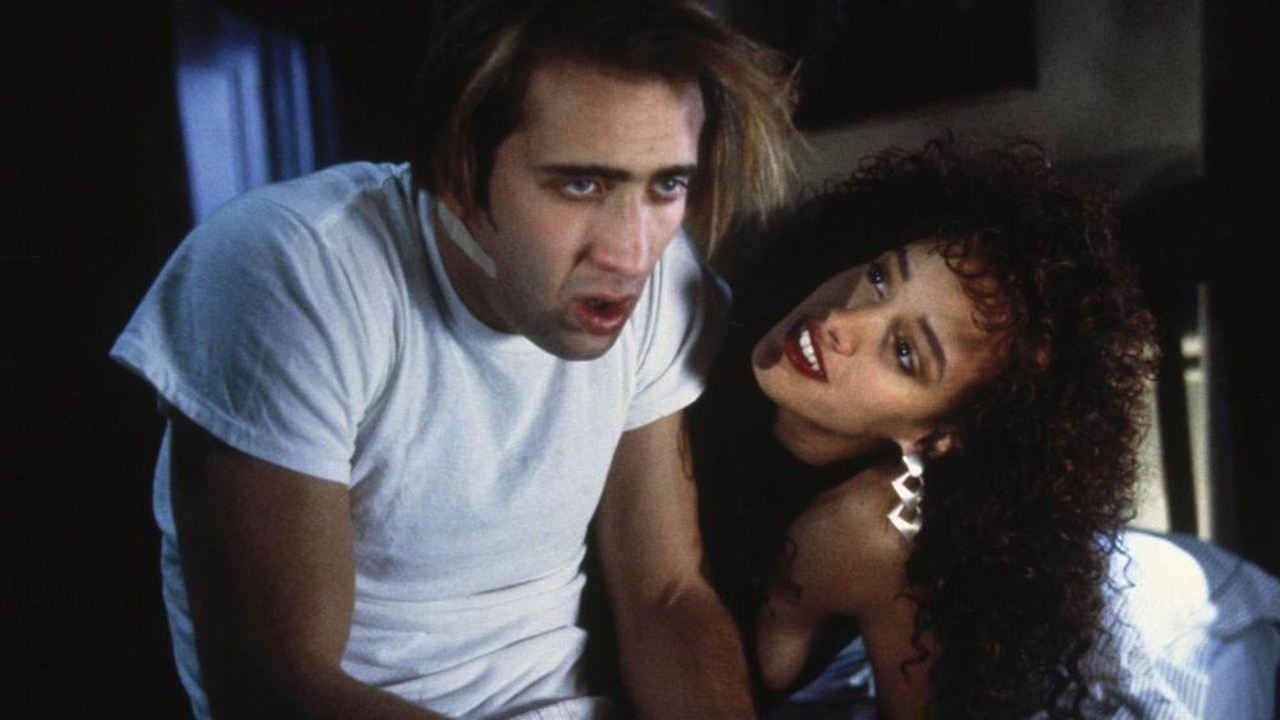
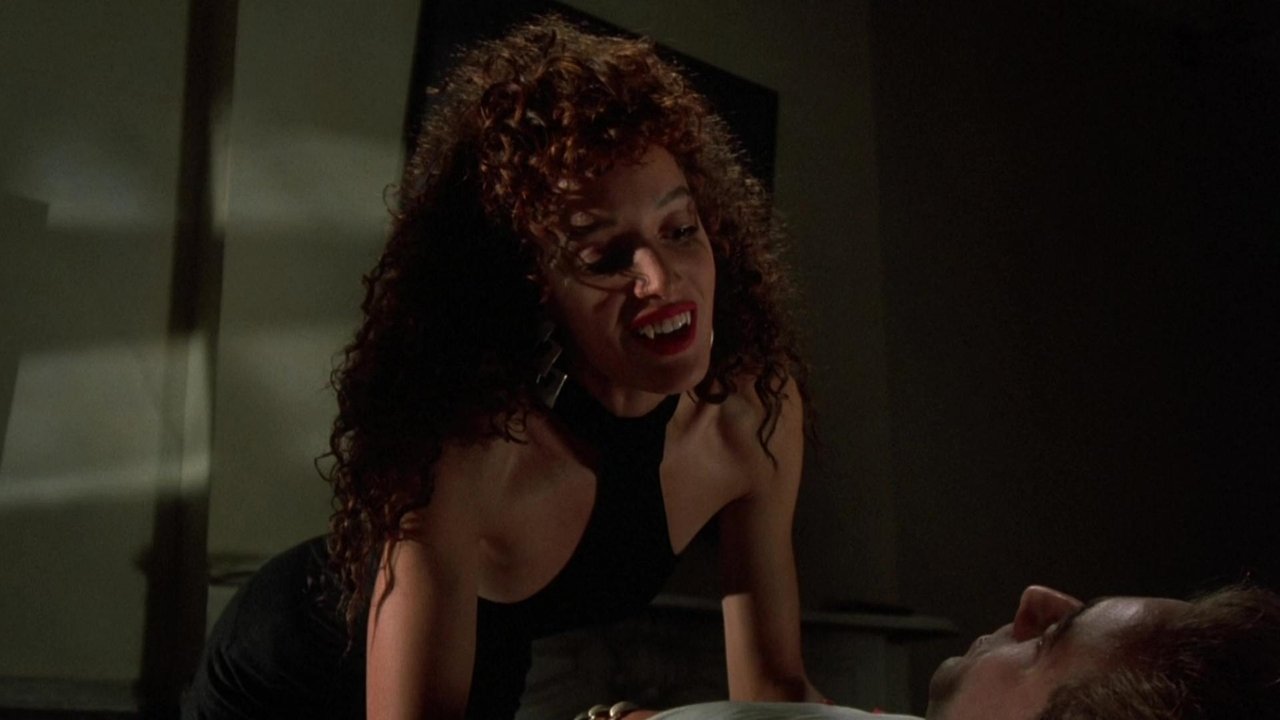
Forget suave Counts or gothic castles. Vampire's Kiss drops us straight into the soulless heart of late-80s Manhattan corporate culture. We meet Peter Loew (Nicolas Cage), a high-strung literary agent whose life is a whirlwind of sharp suits, pretentious pronouncements, and simmering workplace anxieties. His apartment overlooks the city, a glass cage for a man already trapped by his own neuroses. After a night with the mysterious Rachel (Jennifer Beals, adding an enigmatic allure), Peter becomes convinced she’s bitten him and that he’s slowly, inexorably turning into a vampire.
Is he really becoming a creature of the night, or is this a spectacular, horrifying mental breakdown playing out under the fluorescent lights of his high-rise office? That ambiguity is the engine driving this darkly comic descent. Director Robert Bierman crafts a film that feels increasingly unhinged, mirroring Peter’s own fractured reality. The New York City depicted here isn't glamorous; it's grimy, indifferent, a concrete maze reflecting Peter's internal chaos. You can almost smell the stale coffee and desperation.
### The Cage Unleashed
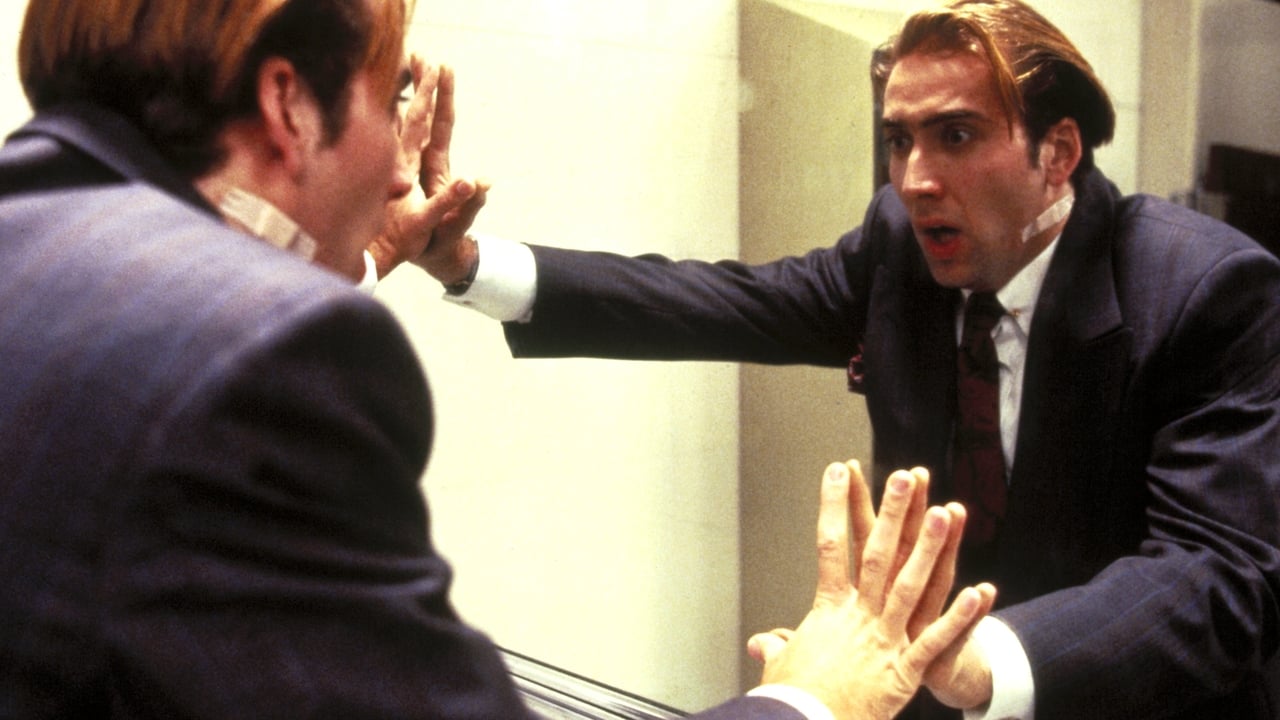
Let’s be honest: the gravitational center of Vampire's Kiss, the reason it’s etched into cult film history, is Nicolas Cage’s absolutely fearless, go-for-broke performance. This isn't just acting; it's a high-wire act without a net, performed over a pit of psychological horrors and unexpected hilarity. Before the internet meme-ified his more explosive moments, this was Cage pushing the boundaries of screen performance into uncharted territory. His physical transformations – the stiff-backed posture, the wild eyes, the bizarre, vaguely Transylvanian accent that comes and goes – are mesmerizing.
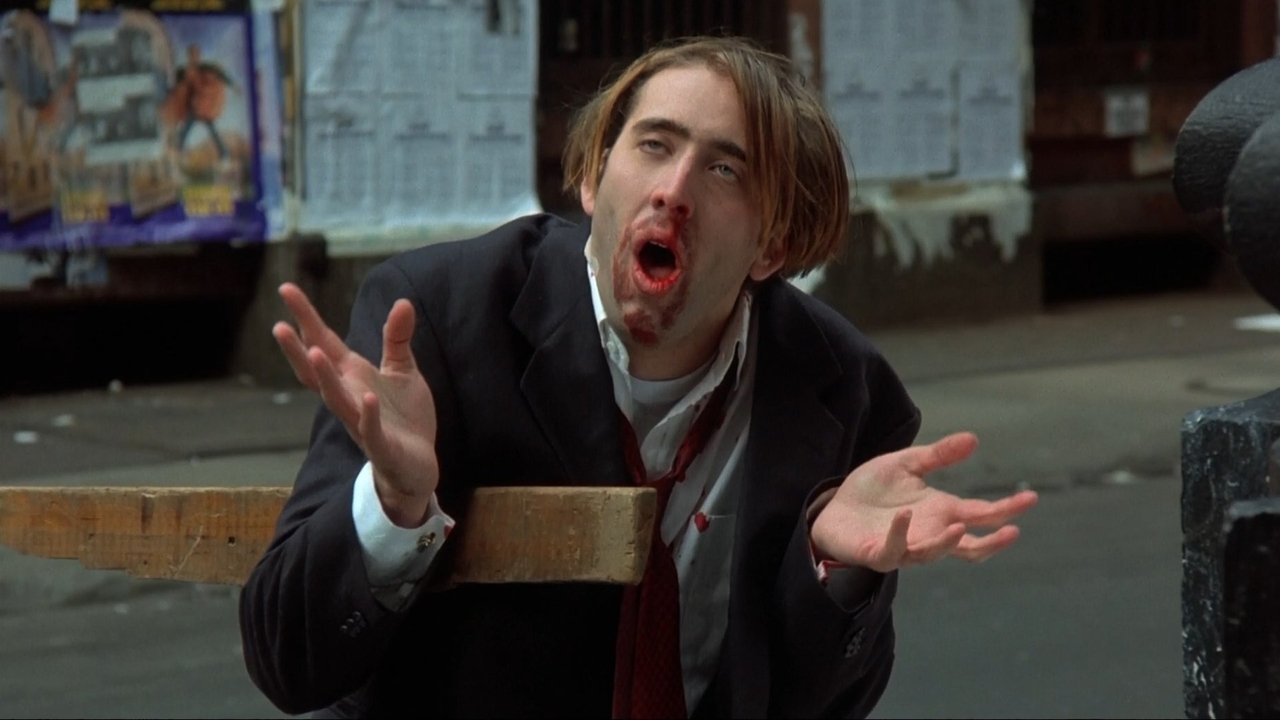
He fully commits to Peter Loew's unraveling psyche. Remember the scene where he meticulously recites the alphabet with escalating, terrifying intensity? It’s become legendary for a reason. It's deeply unsettling, yet somehow, darkly funny. And then there's that scene. Yes, the cockroach. Rumor became legend, but it's true: Cage reportedly insisted on eating a real, live cockroach on camera (apparently doing it twice!), much to the crew's (and probably the roach's) horror. It wasn't just for shock value; it was part of his immersion into Peter's utter degradation. It’s the kind of raw, dangerous commitment you rarely saw, even then, and certainly feels worlds away from today's meticulously controlled digital environments.
### Alva and the Office Nightmare
Caught in Peter's escalating madness is his timid secretary, Alva Restrepo, played with heartbreaking vulnerability by María Conchita Alonso. Their interactions are excruciatingly uncomfortable, highlighting the film's sharp critique of workplace harassment and toxic masculinity long before those terms were commonplace. Alva is just trying to do her job – filing contracts, navigating office politics – while her boss is literally losing his mind, demanding she search archives for a misplaced contract that becomes symbolic of his entire unravelling life. Her fear and frustration are palpable, grounding the film's more outrageous moments in a recognizably human struggle. Watching Peter torment Alva is genuinely difficult, a stark reminder that beneath the absurdity lies a vein of real-world cruelty.
Writer Joseph Minion, who penned Martin Scorsese’s equally surreal NYC nightmare After Hours just a few years prior, clearly has a fascination with urban alienation and sanity fraying at the edges. Vampire's Kiss shares that DNA, exploring what happens when the pressures of modern life become monstrous. The script is filled with oddly poetic, often nonsensical dialogue that Cage devours with gusto.
### From Flop to Cult Fave
Upon release, Vampire's Kiss baffled critics and audiences alike. It reportedly cost around $2 million (a modest sum even then, maybe around $5 million today) and barely made a ripple at the box office. Most people simply didn't know what to make of its jarring tonal shifts between horror, satire, and outright absurdity. Was it a comedy? A psychological thriller? A modern vampire tale? The answer, perhaps, is all and none of the above.
But like so many strange cinematic brews from the era, it found its true home on VHS. Renting this tape felt like discovering a secret – a bizarre, unforgettable transmission from the fringes of filmmaking. It wasn’t slick, it wasn’t always coherent, but it was undeniably alive. The practical, tangible feel of Peter's perceived transformation – the plastic fangs he buys, the way he stalks the streets – feels grounded in a way CGI struggles to replicate. It’s messy, physical, and utterly captivating in its strangeness.
Rating: 8/10
Justification: This score reflects the film's undeniable cult status, driven by one of the most iconic and committedly unhinged performances in cinema history. While its tonal shifts can be jarring and its pacing occasionally uneven, Vampire's Kiss is a brave, bizarre, and darkly funny exploration of madness and modern alienation. It’s not a smooth ride, and certainly not for everyone, but its audaciousness, Cage’s performance, and its unique place in 80s cult cinema make it essential viewing for adventurous film fans. It earns points for sheer, unforgettable audacity.
Final Thought: In the vast graveyard of forgotten 80s oddities, Vampire's Kiss still bares its plastic fangs with alarming, hilarious intensity – a truly wild ride you won't soon forget, especially if you remember the thrill of finding such glorious weirdness tucked away on a video store shelf. I'm a vampire! I'm a vampire! I'm a vampire!