"Now you will see a film... made for children... perhaps." So begins Jan Švankmajer's 1988 descent into Wonderland, and rarely has an opening pronouncement felt more like a whispered warning from the flickering shadows of a disturbed subconscious. Forget the saccharine pastels and whimsical tunes you might associate with Lewis Carroll's tale. Alice (originally Něco z Alenky, or "Something from Alice") is a different beast entirely – a tactile, unsettling journey dredged from the murky depths where childhood fears curdle into adult anxieties. Watching it, especially on a worn VHS tape where the grain seems to merge with the film's own textured reality, feels less like revisiting a story and more like succumbing to a fever dream.
A Wonderland Stripped Bare
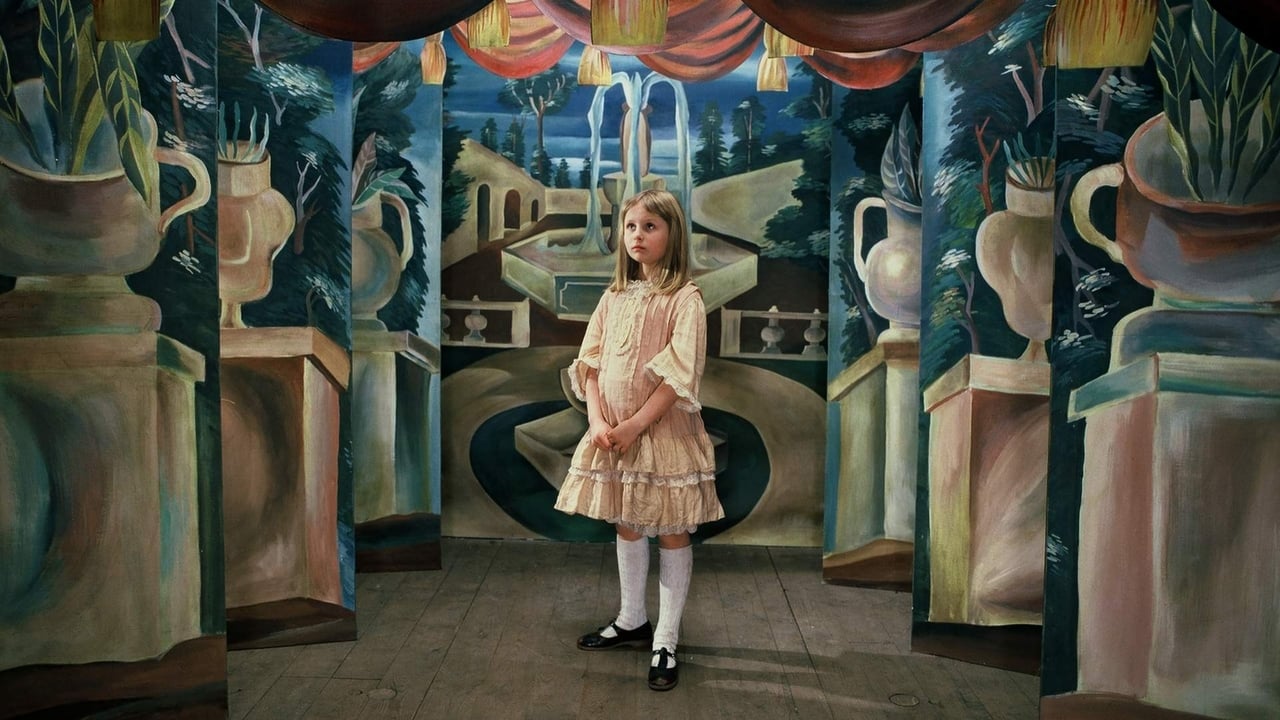
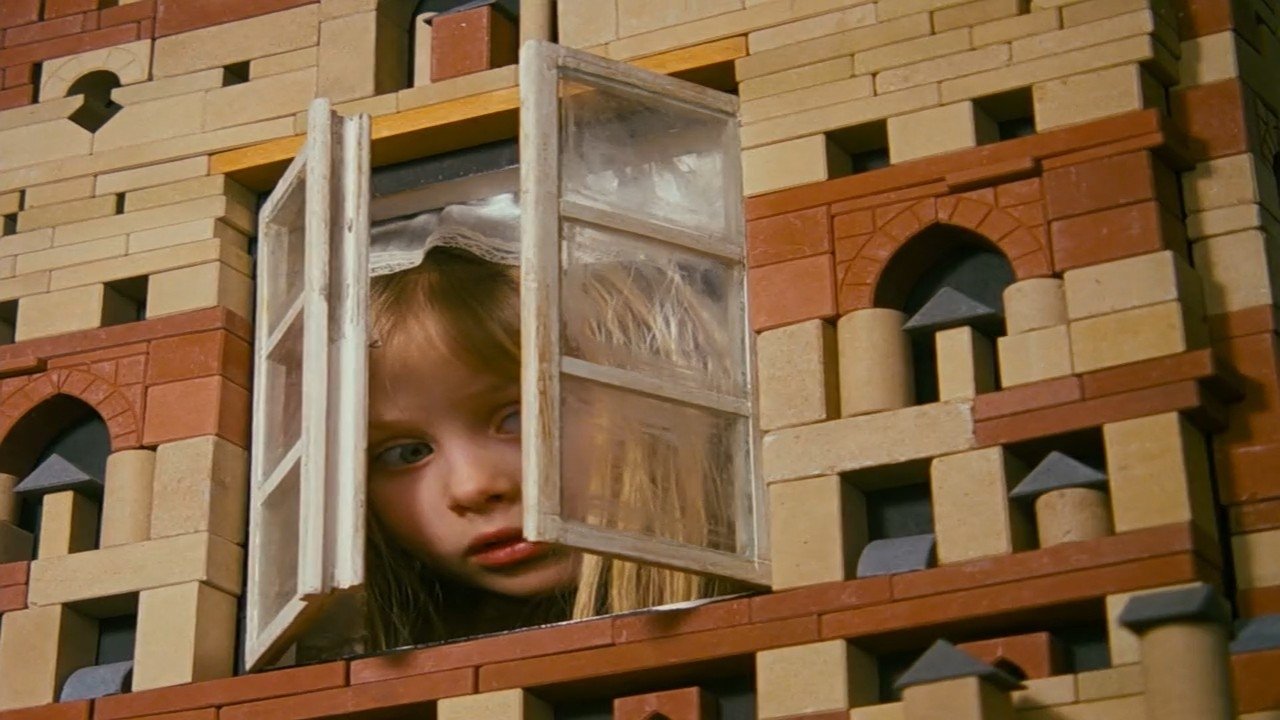
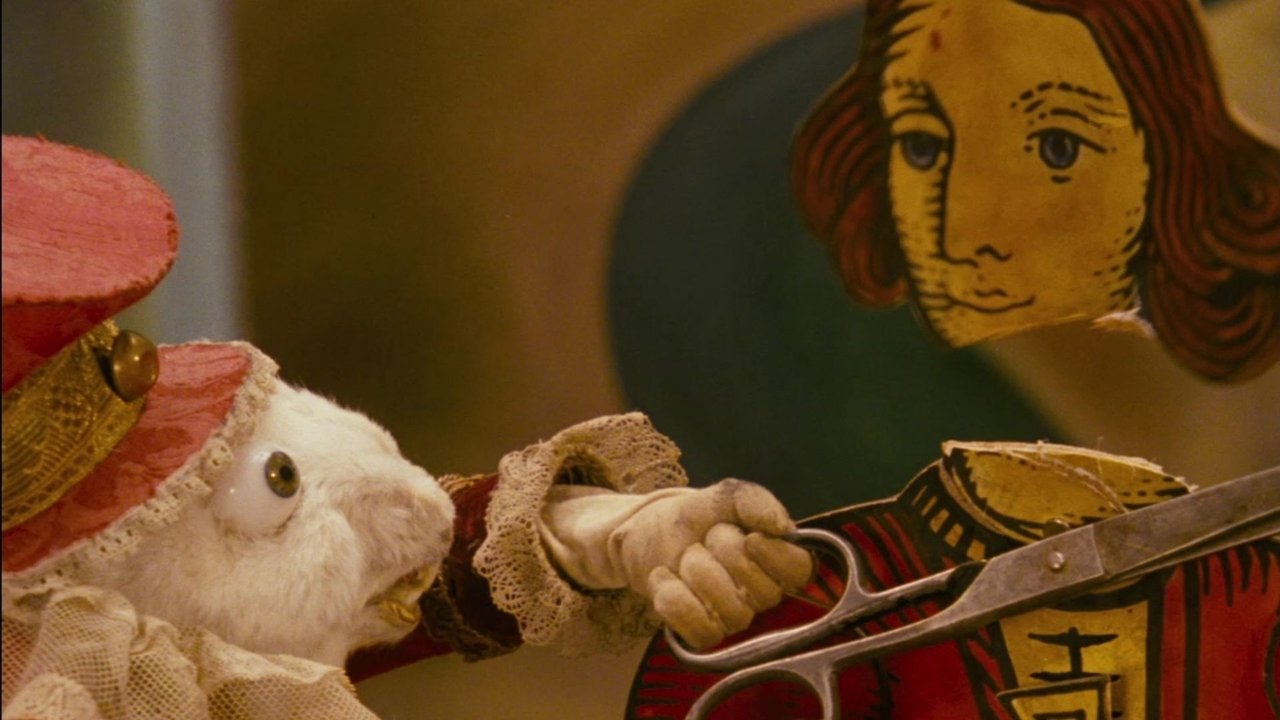
This isn't the manicured garden party of Disney. Švankmajer, a legendary Czech surrealist animator with roots deep in the subversive potential of puppetry and collage, strips Carroll's narrative down to its skeletal core, exposing the latent dread beneath the wordplay. His Wonderland is a cramped, decaying apartment building, rendered in claustrophobic close-ups and muted, dust-choked colours. The familiar characters are here, but hideously transformed through Švankmajer’s signature blend of stop-motion animation and live-action. Forget a pocket-watch-toting bunny in a waistcoat; our guide is a perpetually frantic, taxidermied rabbit, leaking sawdust from a wound crudely stitched shut, who pries himself free from a display case with agonizing effort. It’s grotesque, strangely pathetic, and utterly unforgettable. Doesn't that image alone tell you everything you need to know about the trip you're about to take?
The Uncanny Touch of the Real
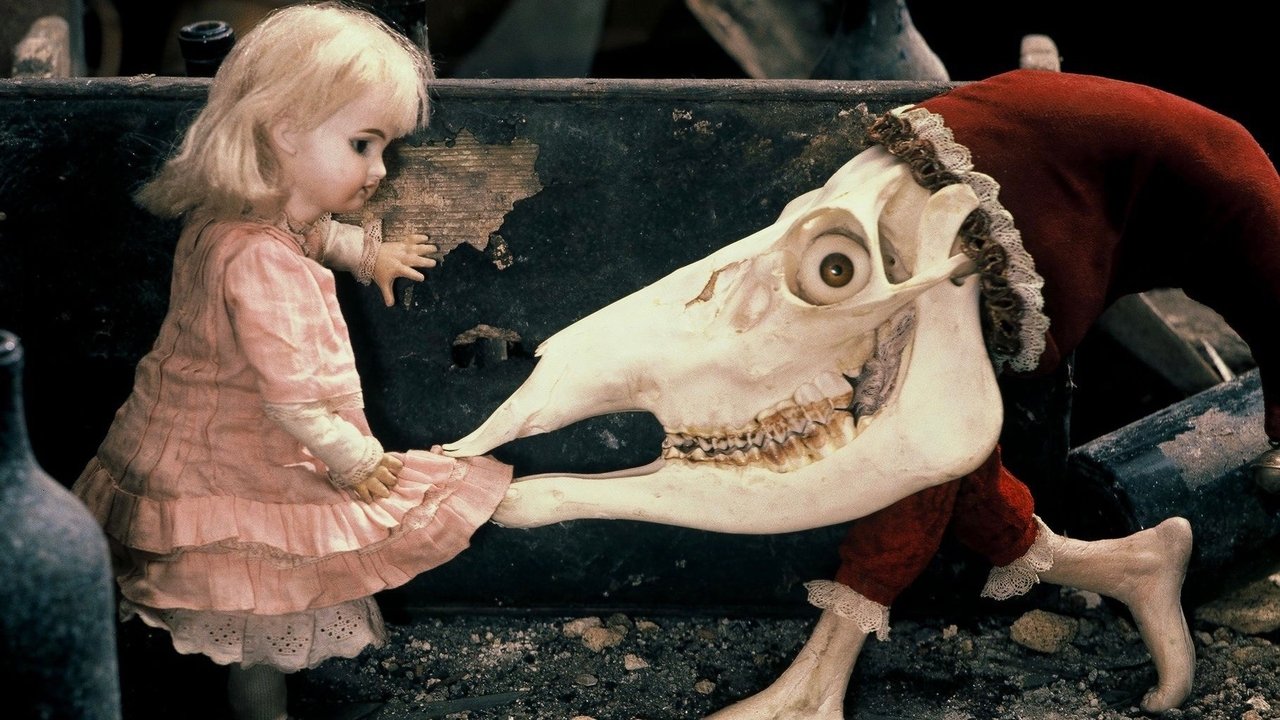
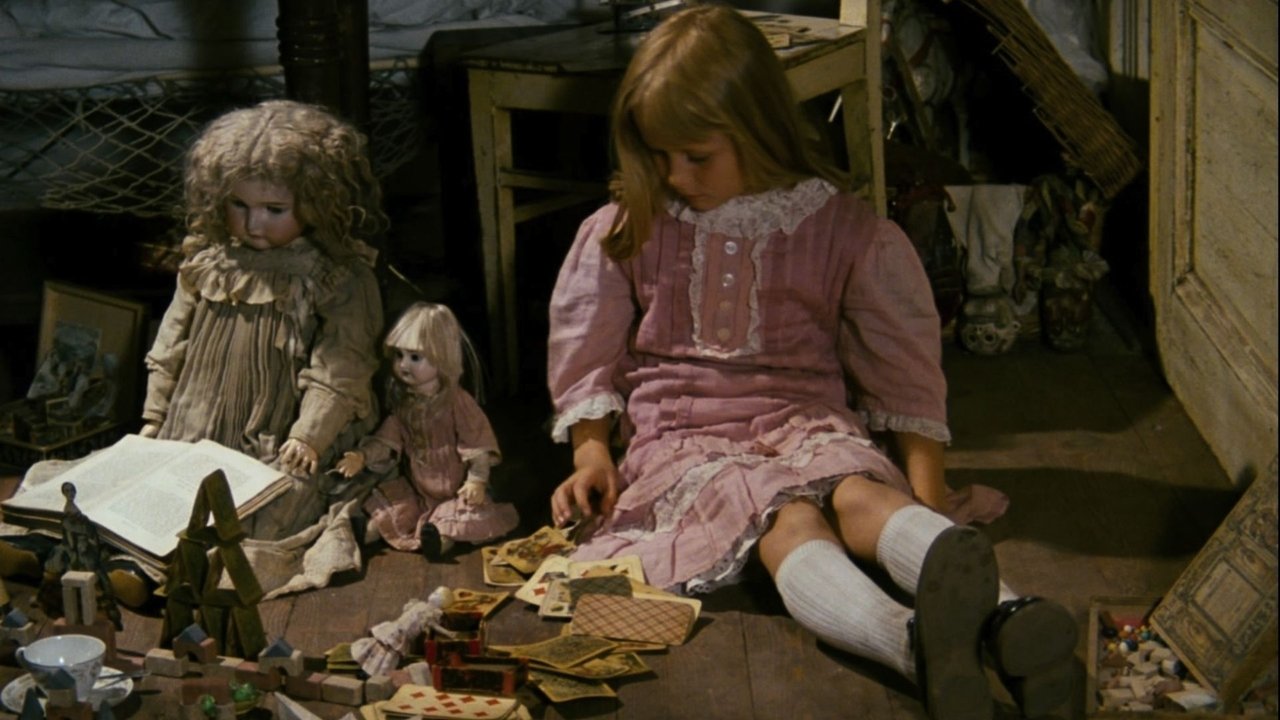
What truly sets Alice apart, burrowing under your skin in a way CGI rarely achieves, is its sheer tangibility. Švankmajer crafts his nightmare world from discarded objects, decaying food, animal bones, and unnervingly repurposed domestic items. The White Rabbit isn't just animated; he’s a physical object, his fur matted, his glass eyes staring blankly. When Alice shrinks and grows, it's often depicted through jarring scale shifts involving dolls or unsettlingly large props. Creatures are cobbled together from socks filled with mysterious contents, sporting clicking dentures, or skeletal birds animated with a jerky, unnatural gait. The sound design amplifies this: the scrape of wood, the crunch of unseen things, the wet slap of clay, the constant ticking and whirring – it creates an oppressive soundscape that feels disturbingly close. Švankmajer’s wife, the artist Eva Švankmajerová, was a key collaborator, her visual sensibilities deeply ingrained in the film's unsettling aesthetic, particularly the disturbing character designs and decaying textures. This wasn't just animation; it felt like forbidden alchemy performed on the detritus of the real world.
Our Sole, Somber Guide
Anchoring this bizarre odyssey is the remarkable Kristýna Kohoutová as Alice, the only live-action human we truly see (aside from brief glimpses of Alice's sister). Her performance is deliberately muted, her face often a mask of stoic observation rather than overt fear or wonder. Much of the film's narration comes from extreme close-ups of her mouth speaking Alice's lines directly to the audience, a stylistic choice that feels both intimate and unnervingly detached. It’s as if she’s narrating her own dissociation, trapped within this illogical realm, her childlike seriousness only highlighting the surrounding absurdity and menace. She interacts with the often-repulsive puppets and animated objects with a solemnity that sells the reality of her situation, making the viewer complicit in her disturbing adventure. Her lonely journey through these dilapidated rooms emphasizes the film's core feeling of isolation and entrapment.
Beyond the Looking Glass: A Surrealist's Vision
Švankmajer made no secret of his desire to create an unsentimental Alice, one truer to the dream logic and potential for terror inherent in Carroll's original text, filtered through his own surrealist lens. Years of working under shifting political climates in Czechoslovakia undoubtedly honed his ability to convey absurdity and oppression through metaphor, though Alice, being a co-production with Swiss, British, and West German companies, perhaps afforded him slightly more creative freedom than some of his earlier, state-circumscribed works. The production itself was painstaking. Stop-motion animation is notoriously laborious, and Švankmajer’s insistence on using real, often decaying, materials added another layer of complexity. Imagine the patience required to animate sawdust leaking frame by frame, or to give life to creatures fashioned from meat and bone. There are stories, perhaps apocryphal "dark legends" whispered among animation buffs, about the sheer stubborn will required to wrestle these unsettling visions onto celluloid with limited resources, turning budget constraints into stylistic choices. The result feels intensely personal, a direct transmission from the director's id.
A Stain on the Memory
Alice isn't a film you easily forget. It doesn’t offer jump scares, but rather a pervasive, creeping unease that lingers long after the tape clicks off. For those of us who stumbled upon it in the less curated aisles of the video store, perhaps mistaking it for a standard children's fantasy, the experience was likely jarring, even formative. It wasn't just different; it felt wrong in a way that was darkly compelling. It’s a challenging film, deliberately paced and often deeply uncomfortable, but its artistic integrity and singular vision are undeniable. It stands as a landmark of surrealist animation, influencing countless darker fantasy works and animators drawn to the uncanny potential of stop-motion (the Brothers Quay come immediately to mind). Its power lies in its refusal to comfort, its embrace of the grotesque, and its chilling transformation of the familiar into the profoundly alien.
VHS Heaven Rating: 9/10
This near-perfect score reflects Alice's stunning artistic achievement and its unparalleled success in crafting a deeply unsettling, unique atmosphere. It’s a masterclass in surrealist filmmaking and stop-motion animation, using tangible, often decaying materials to evoke a visceral sense of dread that remains potent. The commitment to its dark vision is absolute, and Kristýna Kohoutová provides a haunting anchor. It loses a single point only because its deliberate pace and profoundly disturbing nature make it undeniably challenging and perhaps alienating for some viewers unprepared for its particular brand of nightmare fuel.
Final Thought: Forget whimsical wonderlands; Jan Švankmajer's Alice is where childhood dreams decay into visceral, unforgettable works of art. It remains one of the most potent and disturbing adaptations ever committed to film, a true testament to the dark power of practical effects and surrealist vision that feels perfectly at home on a flickering CRT screen late at night.