Here we go, another dive into the dusty stacks of VHS Heaven. Sometimes, amidst the familiar comfort of blockbusters and B-movie thrills, you stumble upon a tape that feels less like a movie and more like a half-remembered dream captured on magnetic tape. That’s the peculiar territory we enter with Mamoru Oshii’s 1985 haunting masterpiece, Angel's Egg (Tenshi no Tamago). Forget clear narratives or easy answers; this is animation as pure, distilled atmosphere, a visual poem whispered from a dying world.
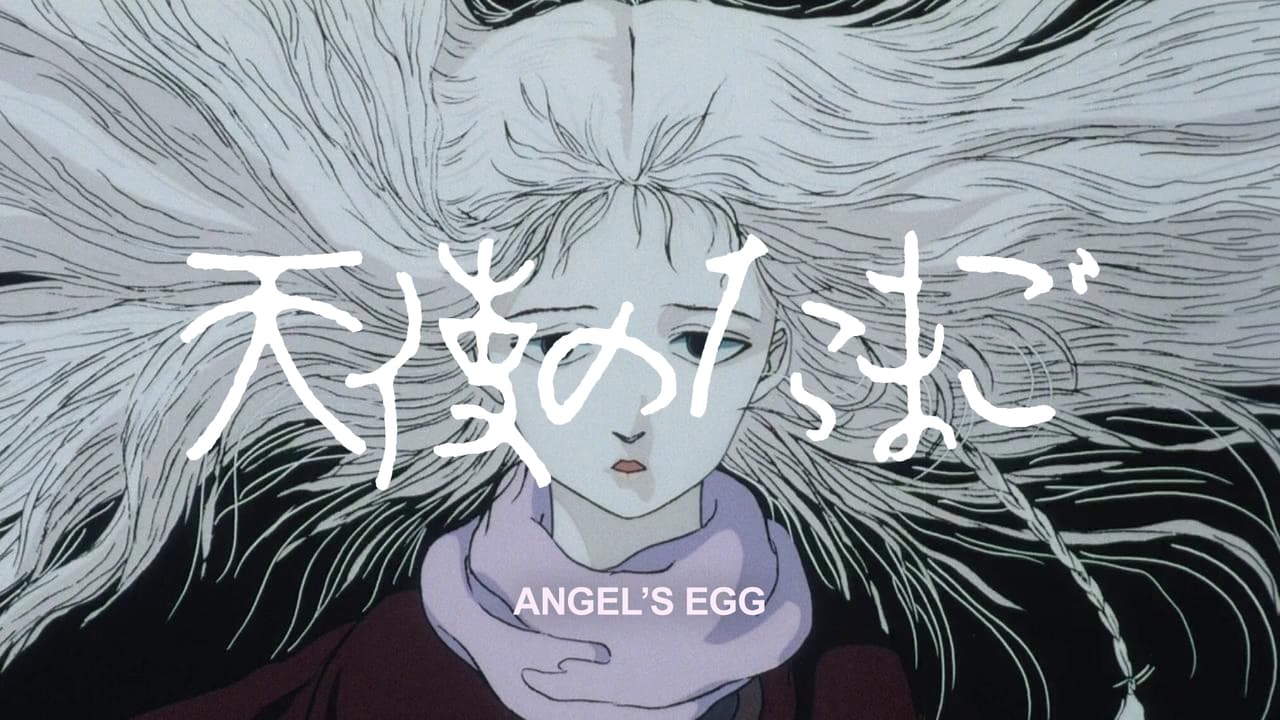
Finding this one back in the day? That was a quest in itself. Tucked away in the most obscure corner of the rental store, maybe in the 'Art House' or 'Imports' section if you were lucky, its stark cover art promised something... different. And different it certainly was. This isn't the Oshii who would later deliver the action-packed philosophy of Ghost in the Shell (1995); this is a younger, perhaps more introspective filmmaker crafting something deeply personal and profoundly strange.
A World Drenched in Silence and Shadow
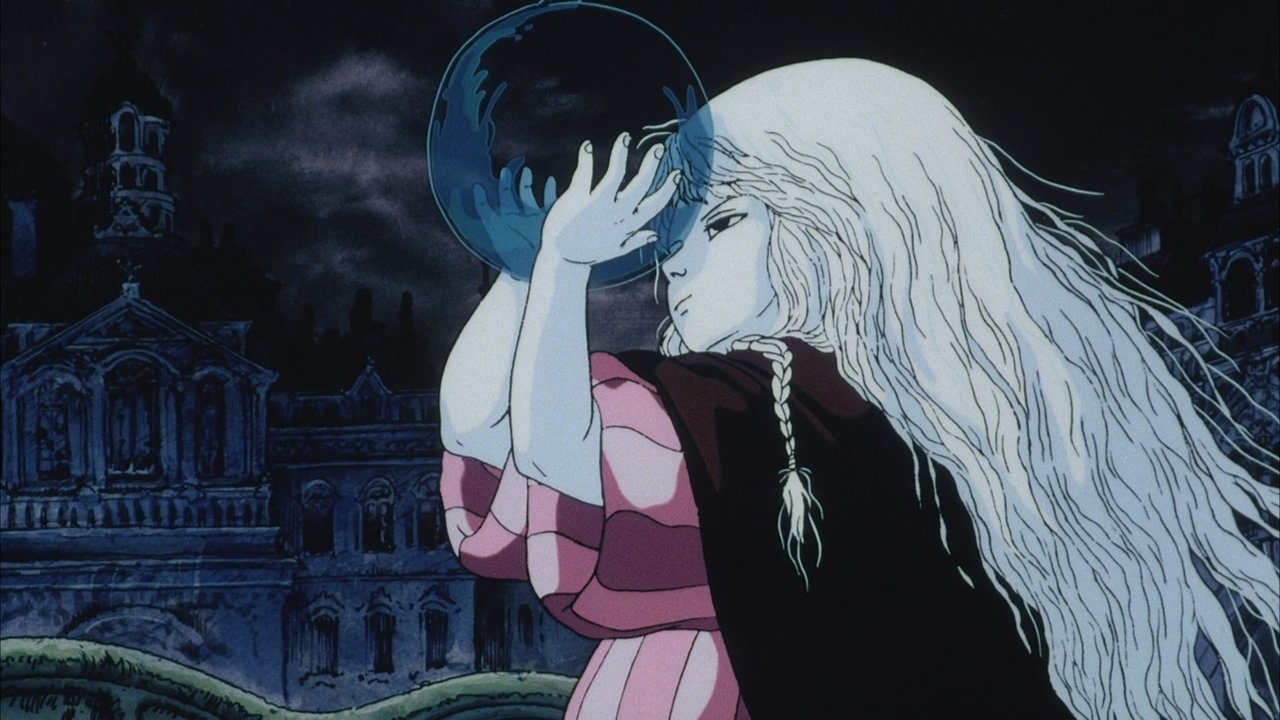
Angel's Egg presents a desolate, gothic cityscape seemingly abandoned by time and life. Rain falls perpetually. Strange, fossilized creatures adorn the architecture. Our focus is a young, unnamed girl (Mako Hyōdō) who diligently protects a large, smooth egg, carrying it beneath her dress like a fragile hope. Her solitary existence is interrupted by the arrival of a mysterious soldier (Jinpachi Nezu), carrying a cross-like weapon. Dialogue is almost non-existent; the story unfolds through breathtaking, painterly visuals and an immersive, melancholic score. What are they seeking? What does the egg represent? The film offers only whispers and shadows, leaving the viewer to piece together meaning from the evocative imagery.

The visual design is simply unforgettable, born from a legendary collaboration between Oshii and artist Yoshitaka Amano, whose distinctive, ethereal style would later define the look of the early Final Fantasy video games. Every frame is meticulously composed, dripping with mood – from the cavernous, empty halls to the chilling sight of fishermen hunting colossal, coelacanth-like shadows beneath the water's surface. This isn't just animation; it's moving art, demanding patience and contemplation. You don’t watch Angel's Egg so much as you absorb it.
Echoes in the Emptiness
What is it about? That remains the film’s most enduring question. Themes of faith, doubt, loss, and the cyclical nature of existence seem woven into its fabric. The soldier speaks cryptically of Noah's Ark, of a dove that never returned. Is the egg a symbol of potential rebirth, fragile faith in a faithless world, or merely an empty vessel? The ambiguity is deliberate, forcing introspection. It’s known that Oshii reportedly went through a period of questioning his own Christian faith around this time, and it’s hard not to see Angel's Egg as a deeply personal, almost abstract expression of that spiritual crisis. The film doesn't preach; it simply presents a haunting tableau and asks: what do you see? What lingers when belief fades?

The minimal voice work from Mako Hyōdō and Jinpachi Nezu is perfectly pitched. Their sparse lines land with immense weight, their tones conveying weariness, mystery, and a profound sense of isolation that dialogue-heavy films often struggle to achieve. The sound design itself becomes a character – the constant rain, the echoing footsteps, the unsettling creaks and groans of the decaying city.
A Cult Relic Unearthed
Interestingly, Angel's Egg was not well-received upon its initial release in Japan. Its abstract nature and glacial pace baffled many audiences expecting more conventional anime fare, especially coming after Oshii's work on the popular comedy series Urusei Yatsura. It was a commercial failure, a challenging artistic statement that found its audience slowly, over years, primarily through word-of-mouth and those elusive VHS tapes. Owning a copy, often a multi-generational dub with murky picture quality, felt like possessing a secret. Watching it on a flickering CRT, the rain-streaked visuals and deep shadows seemed almost enhanced by the format's limitations, adding another layer to its dreamlike quality. This film's journey from obscurity to cult classic is a testament to its unique power – it’s the kind of discovery that fuels a collector's passion.
The Verdict

Angel's Egg is undeniably challenging. It demands surrender to its mood and visuals, offering little in the way of conventional plot or character arcs. It's slow, deliberate, and profoundly melancholic. Yet, for those willing to immerse themselves, it offers an experience unlike any other – beautiful, unsettling, and thought-provoking. Its visual artistry is astonishing, and its atmosphere lingers long after the credits roll. It’s a film that rewards patience and multiple viewings, revealing new subtleties with each encounter. It's not for everyone, certainly not for a casual Friday night viewing, but as a piece of pure cinematic art and a cornerstone of cult anime, it’s essential.
Rating: 9/10 – A demanding but breathtakingly beautiful and atmospheric masterpiece. Its score reflects its artistic achievement and unique vision, acknowledging that its deliberate ambiguity and slow pace might alienate some viewers expecting traditional storytelling. The rating is earned by its unparalleled visual poetry, haunting atmosphere, and the profound questions it raises without easy answers.
It leaves you adrift in its beautiful, desolate world, contemplating the fragile things we carry and the shadows we pursue. What fragile 'egg' do we protect, and what happens when it cracks?