Okay, dim the lights, maybe grab a sugary cereal you haven't had in decades, and let's journey back. Not just to the 80s, but to a specific, hyper-colourful corner of it, beamed directly from Brazil onto potentially fuzzy CRT screens via a well-loved VHS tape. We're talking about the 1988 fantasy adventure Super Xuxa Contra Baixo Astral – or Super Xuxa Against the Down Mood for the Anglophones among us. Forget your standard Hollywood fare; this film is a vibrant, earnest, and sometimes utterly baffling slice of international pop culture, starring one of the biggest children's entertainers on the planet at the time.
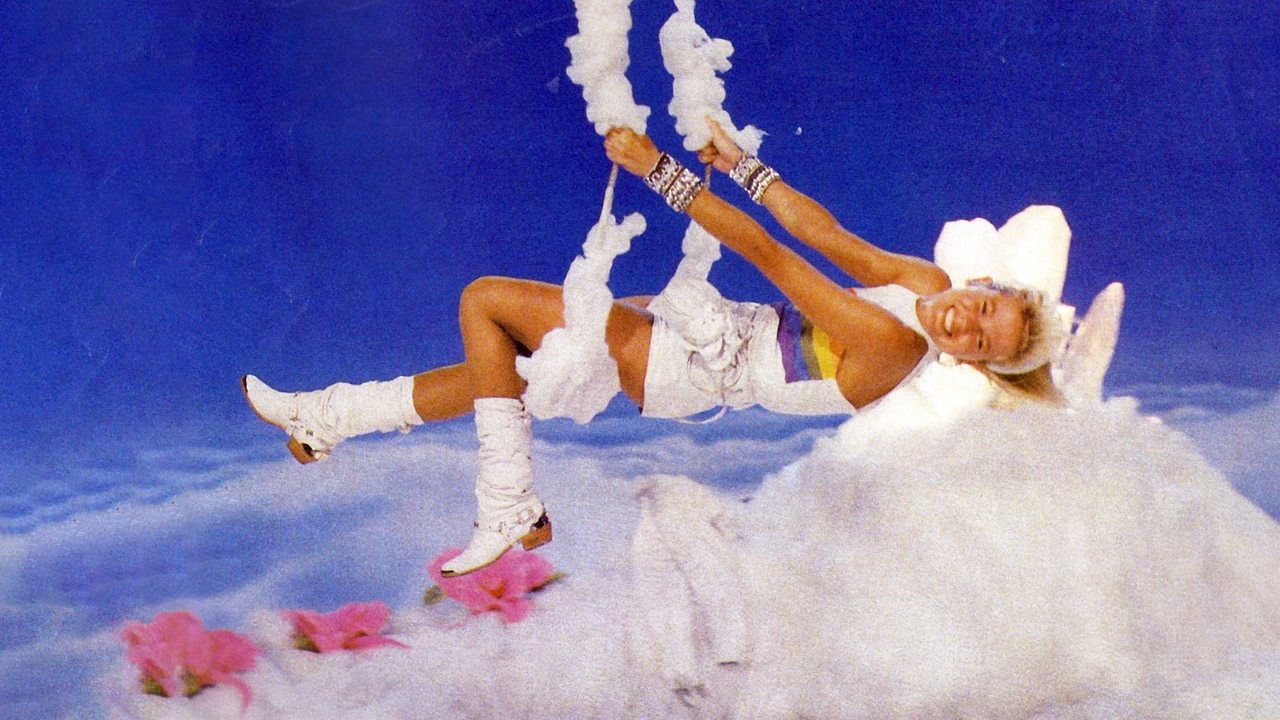
If the name Xuxa Meneghel doesn't immediately conjure images of platinum blonde hair, shoulder pads sharp enough to cut glass, and legions of adoring child fans (the "baixinhos"), then buckle up. Xuxa wasn't just a star in Brazil; she was a phenomenon, a multimedia empress presiding over television shows, music albums selling in the millions, and, naturally, movies. Super Xuxa was conceived at the absolute peak of "Xuxamania," designed as a vehicle to translate her positive, energetic persona into a cinematic battle against literal negativity. Co-written by Xuxa herself, alongside director Anna Penido and prolific Brazilian screenwriter Antônio Calmon (Vamp), the film aimed to be more than just entertainment; it was practically a mission statement set to a synth-pop beat.
### A Rainbow Against the Gloom
The premise is pure, unadulterated 80s fantasy logic. Xuxa, playing a heightened version of her optimistic TV personality, learns that an insidious villain named Baixo Astral (literally "Down Mood" or "Bad Vibes") is polluting the world with negativity, draining colours and joy, primarily by manipulating children through nefarious means like... surprisingly bleak puppet shows and smog. Guided by a wise crystal creature (because of course!), Xuxa must journey into the astral sewers – the grimy dimension where Baixo Astral reigns – to confront him, rescue a kidnapped child, Rafa (Jonas Torres, a familiar face from Brazilian telenovelas), and restore happiness to the world.

It's a classic good vs. evil story, filtered through a distinctly Xuxa lens. There are musical numbers, positive affirmations, and a belief in the inherent goodness of children that feels incredibly sincere, even when surrounded by some truly bizarre imagery. The film doesn't shy away from trying to visualise abstract concepts; Baixo Astral's realm is a dingy, industrial nightmare, contrasting sharply with the bright, almost oversaturated colours of Xuxa's world.
### The Spectre of Bad Vibes
Let's be honest: the absolute standout, the element seared into the memory of anyone who saw this as a kid (and possibly gave them a nightmare or two), is Baixo Astral himself. Played with magnificent, scenery-chewing menace by the late, great Guilherme Karan, Baixo Astral is a genuinely striking villain. Looking like a punk rock Nosferatu crossed with a sewer dwelling wizard, draped in black feathers and radiating pure, unadulterated spite, Karan commits fully to the role. He’s not just evil; he’s miserable, and he wants everyone else to be too. His raspy voice, delivered through gritted teeth, and his surprisingly intimidating presence elevate the film significantly. For a children's movie, he feels genuinely threatening, a physical embodiment of the oppressive feelings the film wants to combat. Reportedly, Karan’s imposing look owed much to heavy makeup and prosthetics, transforming the comedic actor known for lighter roles into this memorable antagonist.


### An Optical Effects Extravaganza (of its Time)
Visually, Super Xuxa is a product of its era and its likely moderate budget (though reportedly a success, pulling in over 2.8 million viewers in Brazil - a huge number for local cinema then). Forget slick CGI; this is a world built on practical sets, matte paintings, and glorious, sometimes wobbly, optical compositing. Director Anna Penido, who also helmed Xuxa's previous film Lua de Cristal (1990), leans into the artificiality, creating a storybook feel. Some effects are charmingly dated – glowing energy blasts, superimposed figures, slightly unconvincing flying sequences. Yet, there's a tangible quality to it all. The creature designs, like the fluffy pink sidekick Xixa and the wise crystal entity Tzargon, have a handmade appeal.
One particularly memorable sequence involves Xuxa navigating treacherous paths in Baixo Astral's realm, dodging slime and smoke. You can feel the practical challenges they must have overcome on set, likely involving lots of fog machines, strategically placed pipes, and maybe a few frustrated crew members trying to get the lighting just right on those dark, dank sets. These limitations often forced creative solutions, giving the film a unique visual texture you simply don't find anymore. It wasn't trying to mimic reality; it was building its own fantastical one, warts and all.
### Beyond the Baixinhos: Nostalgia and Curiosity
For those who grew up with Xuxa, watching Super Xuxa Contra Baixo Astral is like opening a time capsule. The music, the fashion, the unwavering optimism – it's potent nostalgia. It captured a specific cultural moment with sincerity. For viewers discovering it now, perhaps on a collector's forum or a deep dive into international cult cinema, it’s likely a curiosity. It’s undeniably strange at times, deeply earnest, and operates entirely on its own logic. The pacing can feel leisurely, the dialogue straightforward, and the message laid on thick. But dismissing it as just a "weird foreign kids' movie" misses the point. It’s a cultural artifact, a reflection of a massive star's influence, and a genuinely ambitious attempt to create a homegrown Brazilian fantasy epic for children.
Did it change cinema? No. Is it a flawless masterpiece? Absolutely not. But does it possess a unique charm, a memorable villain, and an undeniable snapshot of 80s pop culture optimism battling existential gloom? You betcha. It’s the kind of film that thrived in the VHS era – maybe you rented it out of sheer curiosity, maybe it was a cultural touchstone from your youth. Either way, it leaves an impression.

VHS Heaven Rating: 6/10
Justification: The film scores points for its sheer ambition within its context, the iconic villain performance by Guilherme Karan, and its status as a significant piece of Brazilian pop culture history. Its earnestness and vibrant, if dated, visuals offer definite nostalgic charm. However, it loses points for pacing issues, sometimes simplistic storytelling aimed squarely at young children, and effects that, while charmingly retro, were arguably creaky even by late-80s standards. It's a fascinating curiosity and a must-see for Xuxa fans or lovers of international oddities, but maybe not a universally accessible classic.
Final Thought: In a world still grappling with its own forms of "Baixo Astral," maybe there's something comforting about revisiting a time when the solution seemed as simple as a song, a spaceship shaped like lips, and the unwavering power of positive thinking beamed directly from a charismatic superstar. Weird, wonderful, and undeniably of its time.