Okay, fellow tape-heads, pop that worn copy of Beetlejuice into the VCR (you might need to fiddle with the tracking just right) because we're diving headfirst into one of the most gloriously weird, visually inventive, and hilariously macabre comedies ever to grace the shelves of the video store. Forget slick, modern haunts – this 1988 gem from a young Tim Burton feels like it was cobbled together in some mad genius's garage using clay, glue, leftover Halloween decorations, and pure, unadulterated imagination. And honestly? That’s precisely why we still love it.
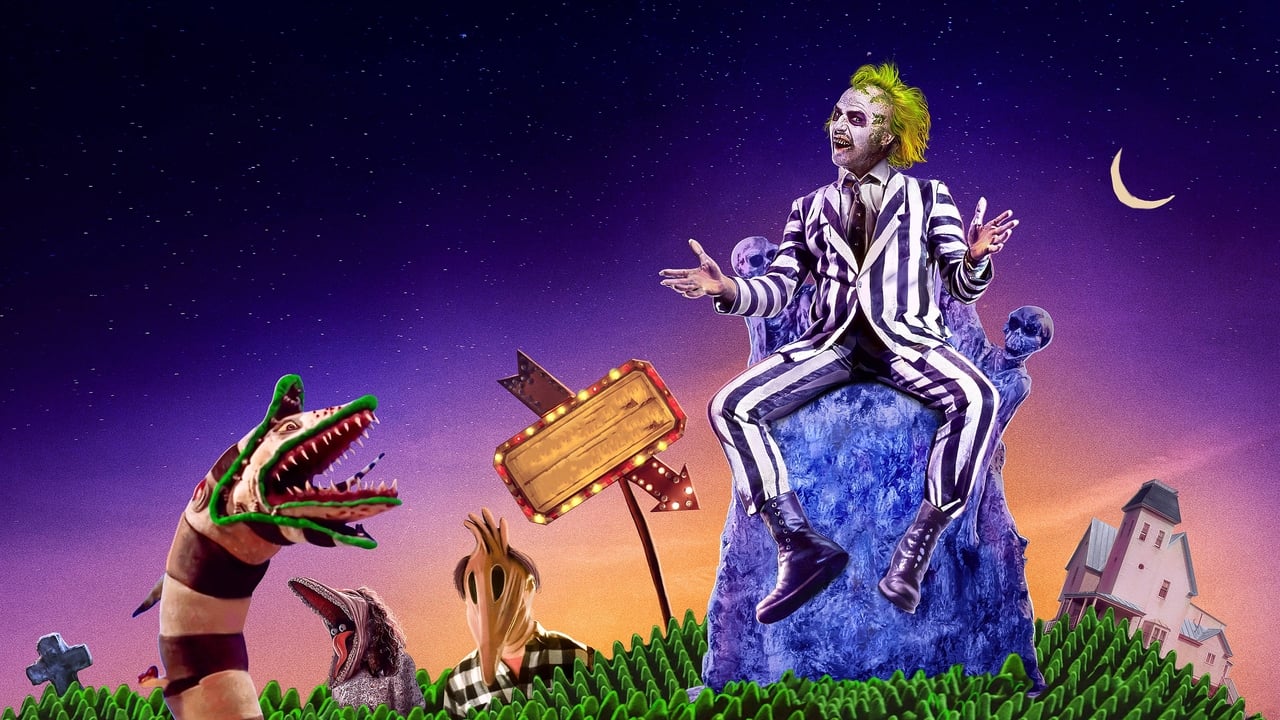
### Home is Where the Haunt Is
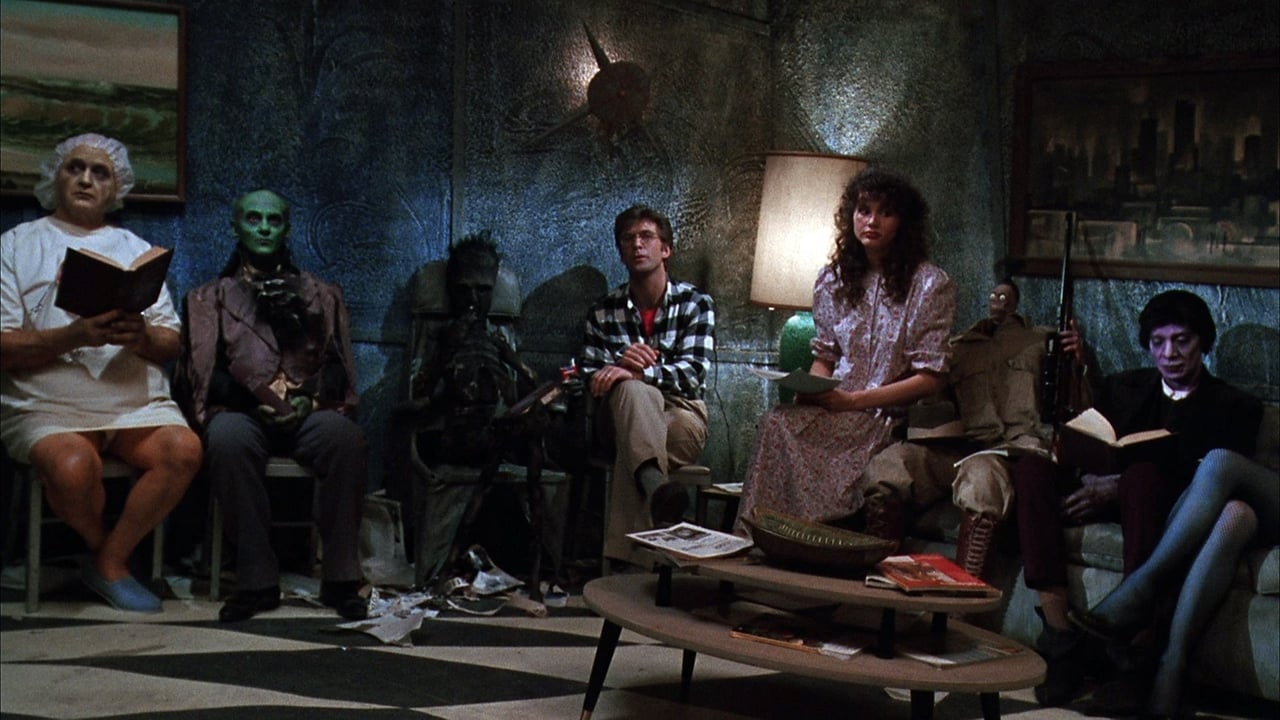
Remember the premise? Sweet, unassuming couple Barbara and Adam Maitland (Geena Davis and Alec Baldwin, radiating peak 80s nice-core energy) meet an untimely end right outside their beloved fixer-upper. Stuck haunting their own home, their version of the afterlife involves navigating baffling bureaucracy (that waiting room sequence alone is a masterclass in darkly comic world-building) and trying desperately to scare away the obnoxious new occupants: the Deetz family. And what a family! Charles Deetz (Jeffrey Jones) is the oblivious dad, Delia (Catherine O'Hara, in a performance of sublime artistic pretension and shrieking panic) is the insufferable stepmother, and then there’s Lydia.
### My Whole Life is a Dark Room
Ah, Lydia. Played with pitch-perfect adolescent gloom by a then-relatively unknown Winona Ryder, Lydia Deetz became an instant icon for every kid who felt like an outsider. She’s the only one who can see the Maitlands, forging an unlikely bond built on shared alienation and a fascination with the strange and unusual. Ryder nails the melancholic wit, making Lydia the sympathetic heart amidst the chaotic swirl of ghosts and garish sculptures. It’s hard to imagine anyone else in the role, which really launched her into the stratosphere.
### It's Showtime!
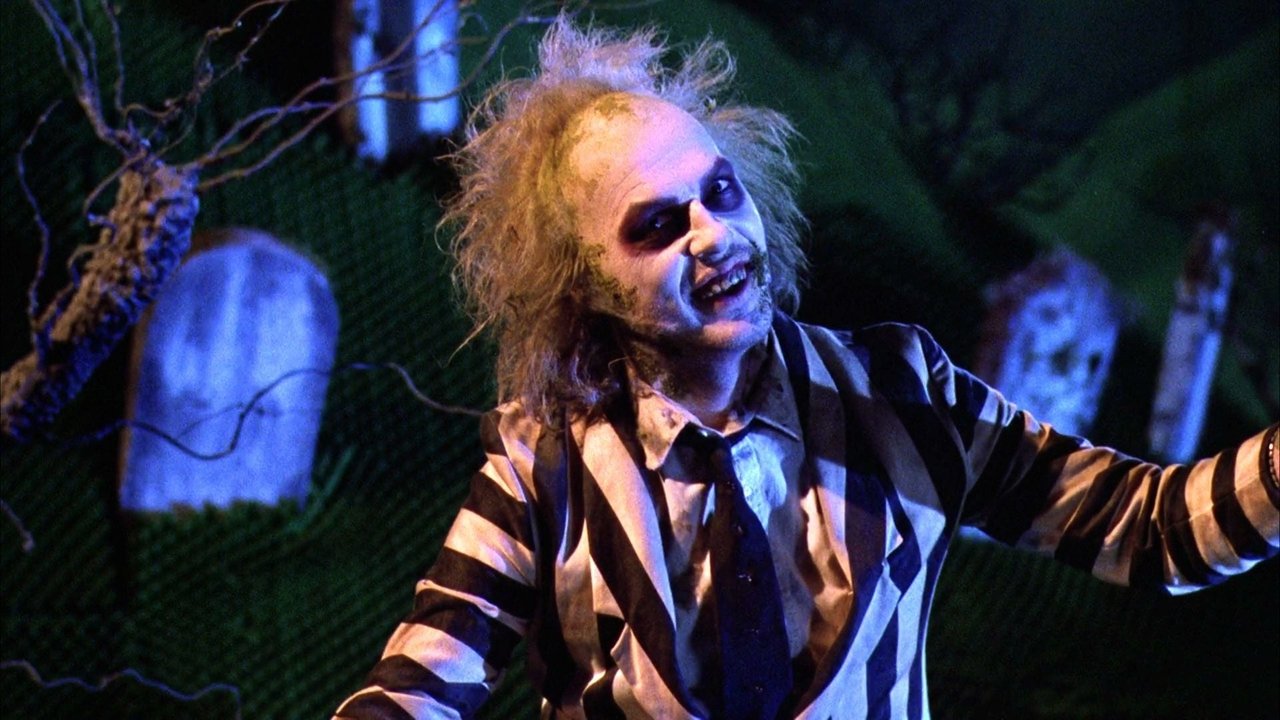
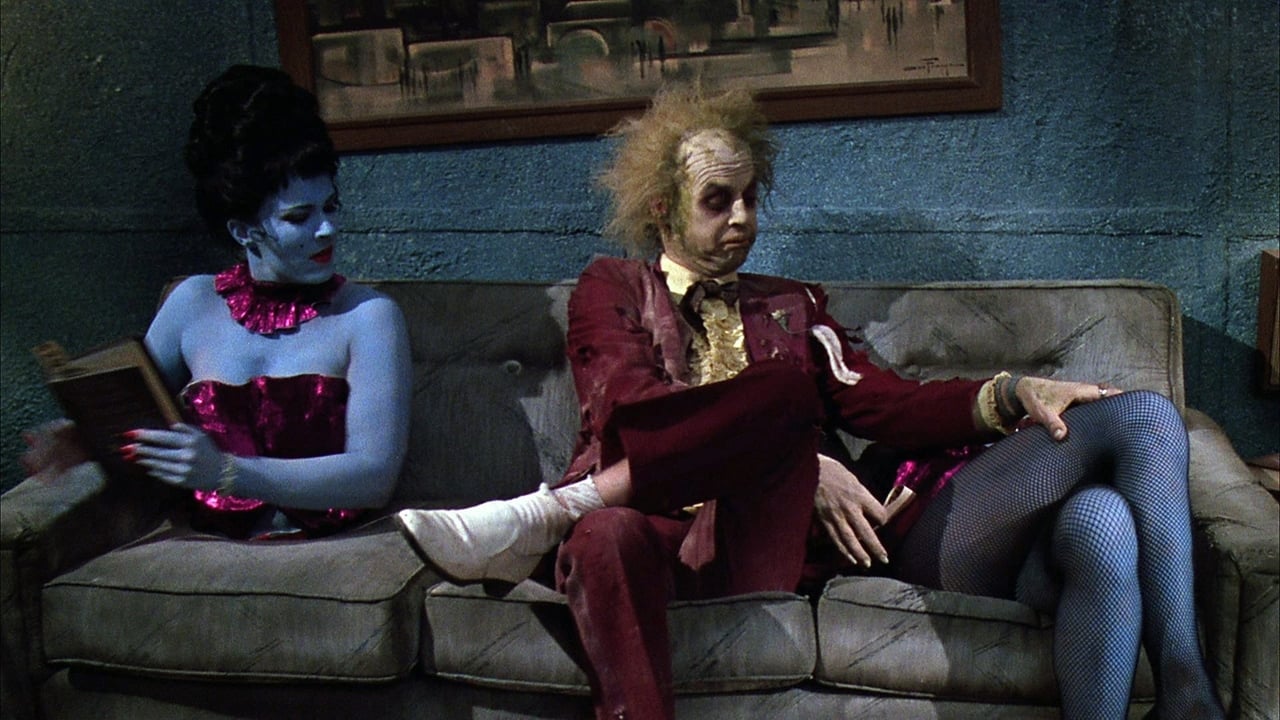
But let's be real: the main attraction, the bio-exorcist freelancer who promises to solve the Maitlands' pest problem (the living pests, that is), is the titular ghoul himself. Michael Keaton's Beetlejuice doesn't just chew the scenery; he swallows it whole, spits it out, molds it into something grotesque, and then tries to sell it back to you. Apparently, Keaton initially turned down the role, and names like Sammy Davis Jr. were floated around – can you even imagine? Thankfully, Keaton signed on and was given immense freedom to develop the character's look (the mold, the crazy hair) and manic persona, improvising wildly. He reportedly only worked on the film for about two weeks, yet his lecherous, hyperactive, utterly unhinged performance is burned into cinematic history. He’s repulsive, hilarious, and absolutely magnetic every second he’s onscreen.
### Handcrafted Mayhem and Practical Magic
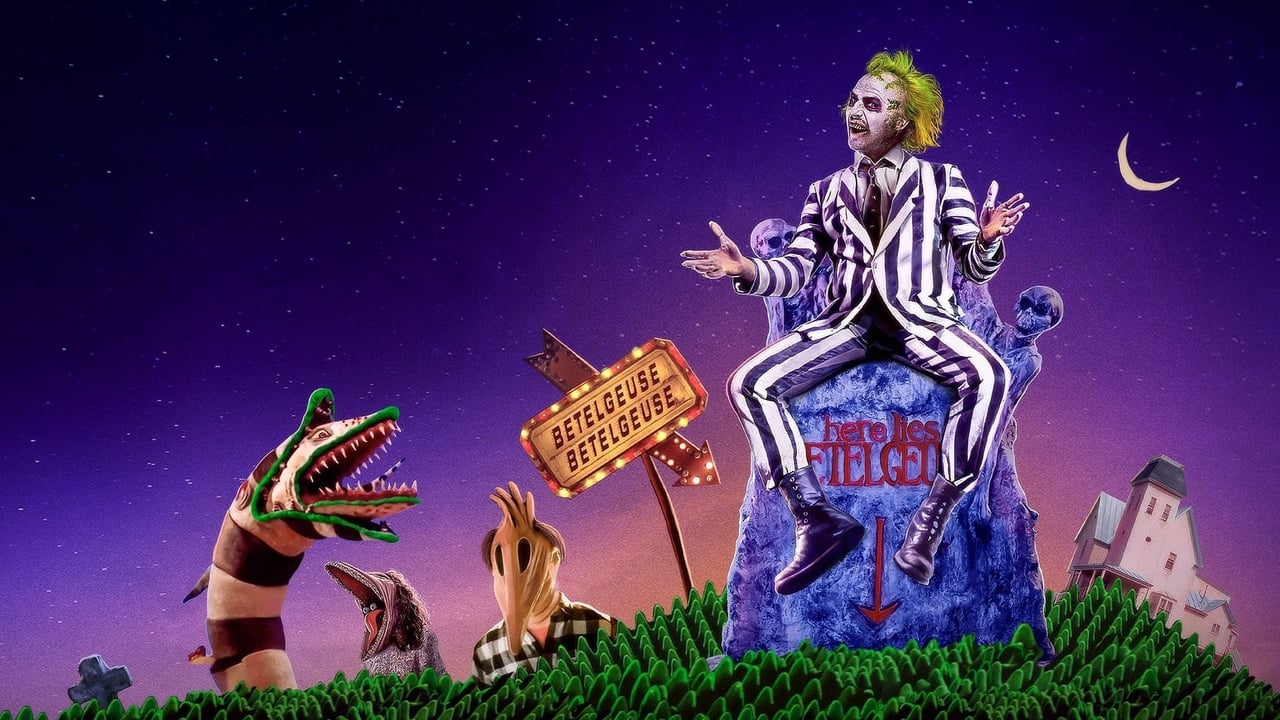
This is where Beetlejuice truly shines, especially watching it now with eyes accustomed to seamless CGI. Burton, working with a relatively modest $15 million budget (which it easily quadrupled at the box office, becoming a surprise hit), leaned heavily into old-school practical effects, stop-motion animation, and puppetry. And the results are tangible. Remember the sheer delightful jankiness of the sandworms erupting from the model landscape? Or the dinner party scene – arguably the film’s most famous sequence – where the possessed guests are jerked around like marionettes to Harry Belafonte's "Day-O (The Banana Boat Song)"? It’s brilliantly bizarre. Those stretched faces, the shrunken head hunter, Beetlejuice's carnival-ride transformations – they possess a quirky, tactile charm that often gets lost in today's pixel-perfect world. You can almost feel the latex and clay. This wasn't polished; it was gloriously, creatively weird, drawing inspiration from low-budget horror and cartoons.
The look of the film is pure Burton finding his distinctive gothic-meets-suburbia style, already hinted at in Pee-wee's Big Adventure (1985). The Maitland house transforms under Delia's "artistic" vision into a cold, postmodern nightmare, contrasting sharply with the cozy charm the ghosts remember. Much of the idyllic town exterior was actually filmed in East Corinth, Vermont, creating that perfect New England backdrop for the supernatural chaos. And complementing the visuals perfectly is Danny Elfman's score – playful, spooky, instantly recognizable, and utterly inseparable from the film's identity. It’s one of those scores that just is the movie.
### The Ghost with the Most Lasting Power
Beetlejuice wasn't just a movie; it became a phenomenon. It spawned a beloved animated series (which arguably softened the main character quite a bit), video games, and endless merchandise. Its influence is undeniable, cementing Tim Burton as a major directorial voice and proving audiences were hungry for dark fantasy blended with offbeat comedy. Decades of talk about sequels (including the infamous Beetlejuice Goes Hawaiian script) mostly came to nothing until very recently, but the original's strange magic remains potent. It captured a certain late-80s vibe – a willingness to be truly strange and embrace the macabre with a wink and a nudge.
---
VHS Heaven Rating: 9/10
Justification: This score reflects the film's sheer originality, iconic performances (especially Keaton and Ryder), unforgettable practical effects that ooze creativity, and Danny Elfman's perfect score. It’s a near-perfect blend of horror, comedy, and fantasy that defined a style and captured the imaginations of a generation. It loses a single point only because, let's be honest, the plot mechanics surrounding the afterlife rules can feel a touch conveniently arbitrary at times, but that’s easily forgiven amidst the glorious chaos.
Final Thought: Rewatching Beetlejuice feels like finding a beloved, slightly warped toy in the attic – its handcrafted weirdness and manic energy are a joyful jolt, reminding you that sometimes, the most memorable magic is the kind that looks like it might fall apart at any second... but gloriously doesn't. A true poltergeist party in a plastic case.