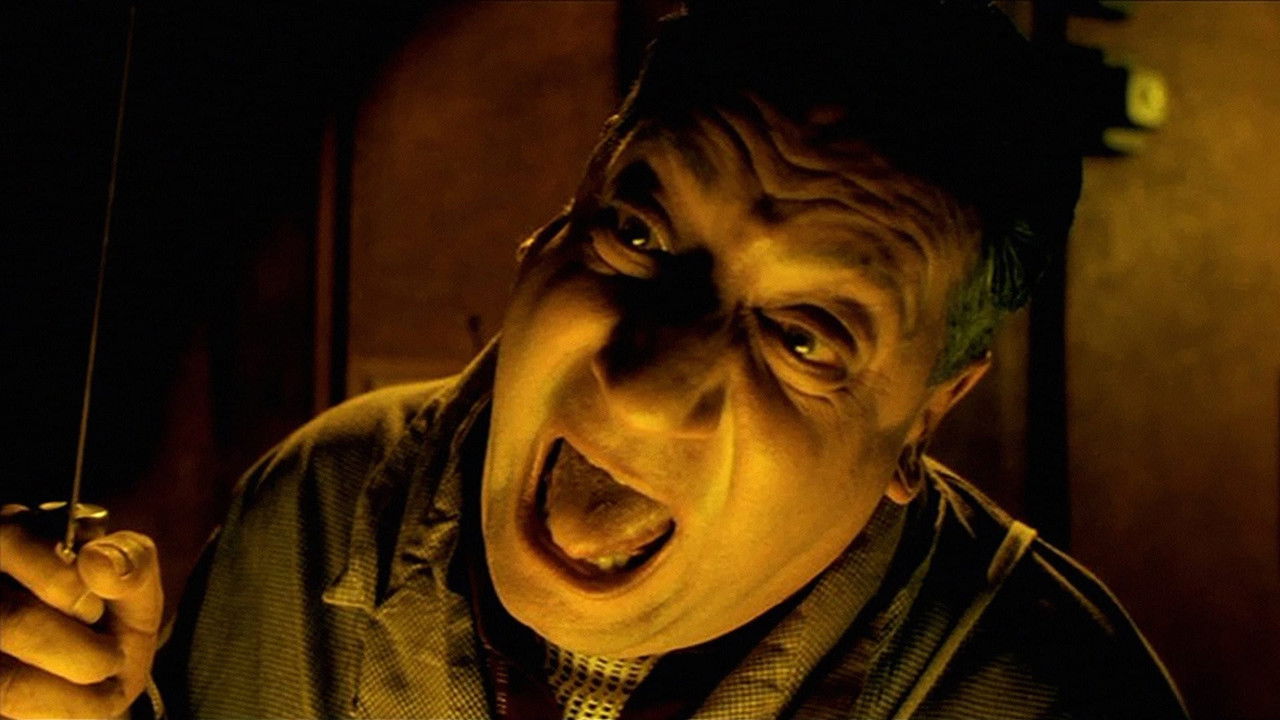
The air hangs thick and yellow, doesn't it? Like old nicotine stains bleeding through damp wallpaper. That's the first thing that hits you about Delicatessen (1991) – that pervasive, sickly sepia glow clinging to everything. It's the colour of decay, of desperation, settling over a dilapidated Parisian apartment building where the tenants share a grim little secret, and the landlord sharpens more than just his knives. Forget gleaming futures; this is a post-apocalyptic vision served rare, whispered through cracked plaster and the unsettling rhythm of dripping pipes.
The Butcher, The Clown, and The Cello
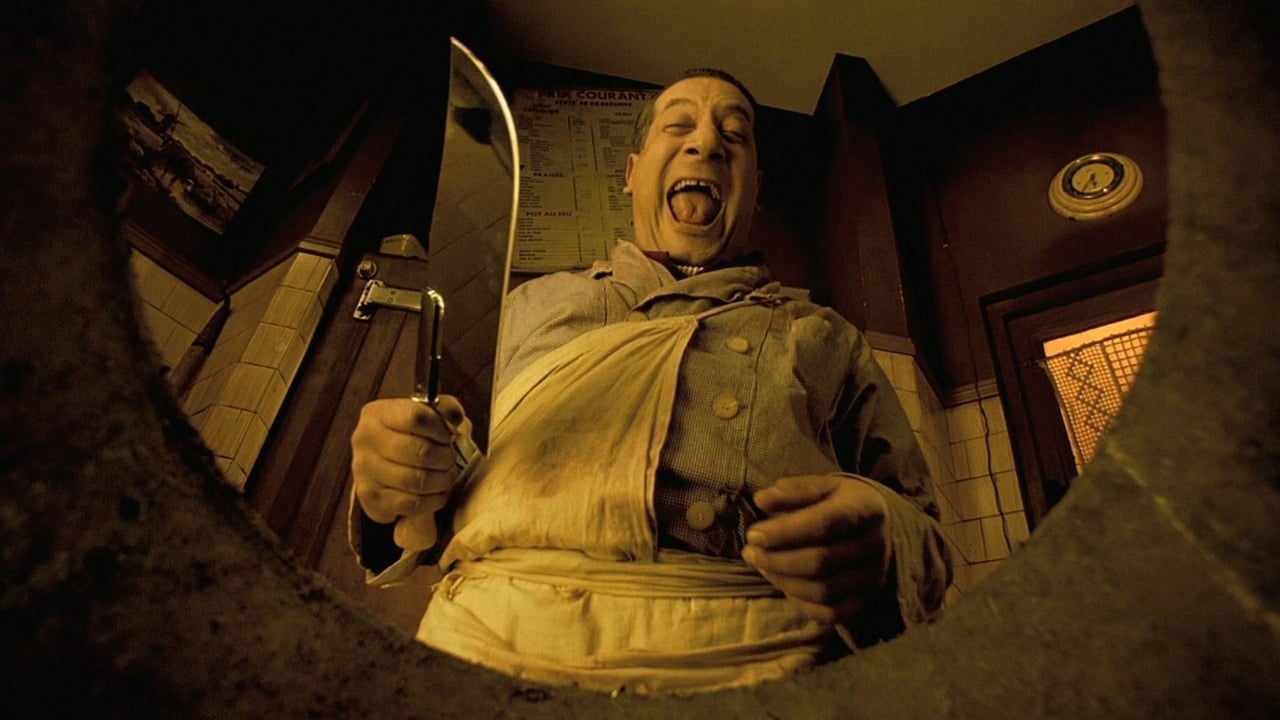
Welcome to the crumbling domain of Clapet (Jean-Claude Dreyfus), the butcher who owns the building and ensures his tenants... well, let's just say they contribute more than rent. In a world where grain is currency and meat is a dangerous luxury, Clapet's ground-floor shop is suspiciously well-stocked. Dreyfus embodies the role with a chilling blend of menace and mundane practicality; his cleaver isn't just a tool, it's a symbol of power in this desperate microcosm. Into this precarious ecosystem wanders Louison (Dominique Pinon), a gentle, unemployed circus clown seeking work as a handyman. Pinon, a frequent muse for co-director Jean-Pierre Jeunet, brings an essential innocence and Chaplinesque physicality that acts as the film's fragile heart. His arrival disrupts the grim status quo, especially when he captures the attention of Clapet's near-sighted, cello-playing daughter, Julie (Marie-Laure Dougnac). Their budding romance, tender and surreal amidst the squalor, becomes the catalyst for potential salvation... or just another item on the menu.
A Symphony of Squalor and Style
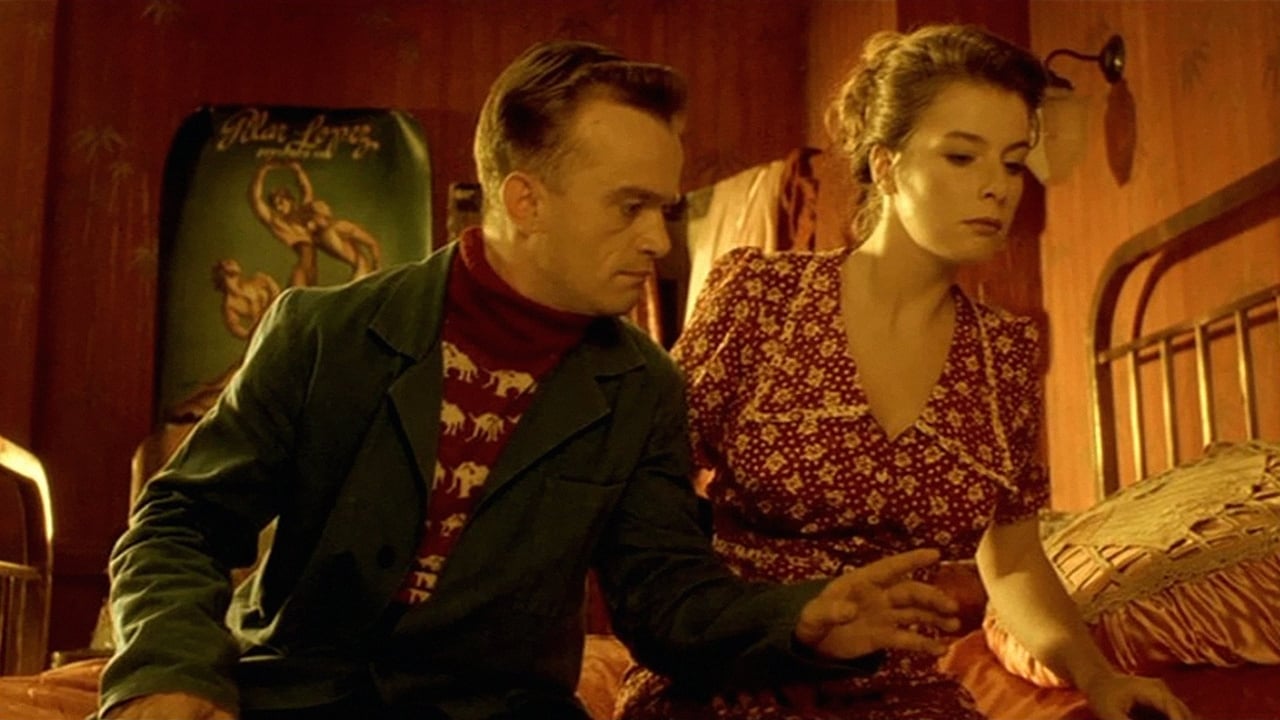
Directors Jean-Pierre Jeunet and Marc Caro, in their stunning feature debut, don't just tell a story; they craft a complete, hermetically sealed universe. Every frame is meticulously composed, often using unsettlingly wide lenses that distort the cramped interiors and exaggerate the characters' features, turning the building into a grotesque dollhouse. This wasn't some sprawling location shoot; much of Delicatessen was brought to life on soundstages at the Studios d'Arpajon outside Paris, allowing the filmmakers absolute control over their distinctive aesthetic. That signature ochre tint? Achieved through painstaking colour grading and yellow filters, bathing the grim proceedings in a jaundiced light that feels both nostalgic and nauseatingly immediate. It's a look they'd refine further in their equally bizarre follow-up, The City of Lost Children (1995), cementing their status as masters of macabre fantasy. While comparisons to Terry Gilliam (think Brazil (1985)) are often made – much to Jeunet’s occasional chagrin – the French duo forged a visual language uniquely their own.
One sequence perfectly encapsulates their genius: a symphony of domestic sounds – a squeaking bedspring, a rug being beaten, a tire pump inflating, Julie's cello practice – all weaving together into an intricate rhythmic tapestry that defines the interconnected lives (and potential deaths) within the building. It's darkly funny, technically brilliant, and speaks volumes about the characters without a word of dialogue.
More Than Just Meat
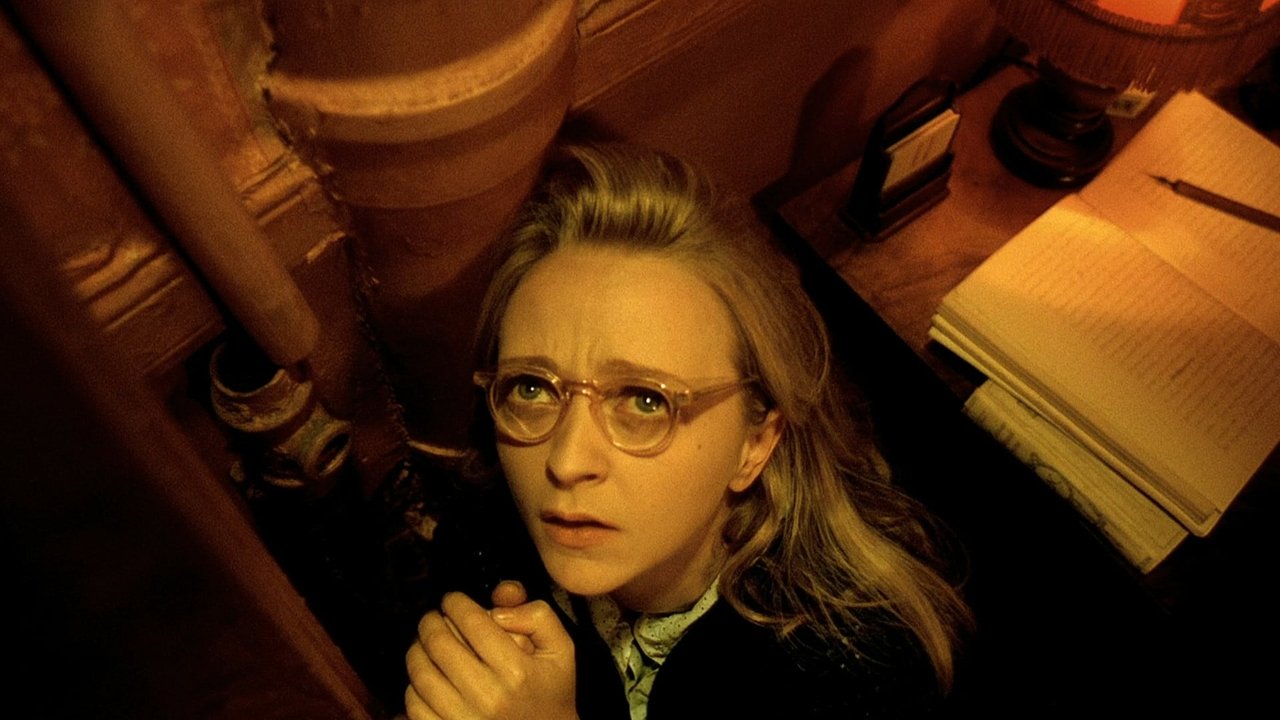
Beneath the cannibalistic premise and the visual invention lies a surprisingly potent blend of humour and tension. The film deftly walks a tightrope between slapstick (Louison's disastrous attempts at repairs) and genuine dread (the echoing thud of Clapet's cleaver). Supporting characters, like the perpetually suicidal Aurore or the frog-and-snail-farming brothers, add layers of eccentric detail that make this grim world feel strangely lived-in. The arrival of the Troglodytes – a band of incompetent, subterranean vegetarian freedom fighters contacted by Julie – pushes the surrealism further, injecting a dose of chaotic energy into the claustrophobic narrative. These aren't just quirks; they are survival mechanisms, bizarre adaptations to a world gone rotten. It’s this commitment to its own peculiar logic, even amidst the absurdity, that makes Delicatessen so captivating. It cost a relatively modest $3.8 million but became a sensation, sweeping the César Awards in France and finding a devoted audience worldwide, particularly on home video. Didn't this one just feel different sitting there on the rental shelf, promising something utterly unlike the usual Hollywood fare?
Lasting Flavour
Delicatessen remains a singular cinematic experience. It's a fairytale gone rancid, a post-apocalyptic comedy of manners where the stakes are literally life and death. The practical effects, the detailed production design, the committed performances – they all contribute to an atmosphere that is simultaneously whimsical and deeply unnerving. It doesn't rely on jump scares; its horror is brewed slowly, simmering in the background radiation of societal collapse and the quiet desperation of its characters. It proved that dark, challenging, visually inventive cinema could find an audience, paving the way for Jeunet's later international success with Amélie (2001), though this earlier work retains a sharper, more unsettling edge.
Rating: 9/10
This near-perfect score reflects the film's audacious originality, its masterful control of tone and atmosphere, its unforgettable visual style, and the sheer creative bravura on display. It loses a single point perhaps only because its intense peculiarity might not connect with absolutely everyone, but for fans of the strange and wonderful, it's a feast.
Delicatessen is one of those VHS discoveries that sticks in your mind – a bizarre, beautiful, and unsettling reminder that even in the darkest of times, humanity finds the strangest ways to survive, connect, and maybe even fall in love... just hope you're not invited for dinner.