There's a particular kind of unease that settles in when the familiar turns monstrous, when the comforting facade cracks to reveal something deeply unsettling beneath. It’s a feeling Costa-Gavras masterfully orchestrates in his 1988 thriller, Betrayed, a film that wraps its chilling exploration of domestic terrorism in the guise of a slow-burn romance, leaving the viewer grappling with uncomfortable questions long after the tape clicks off. This wasn't your typical Friday night rental fare, even nestled amongst the action and horror staples on the video store shelves; it aimed for something more disturbing, something closer to the bone.
### Heartland Shadows
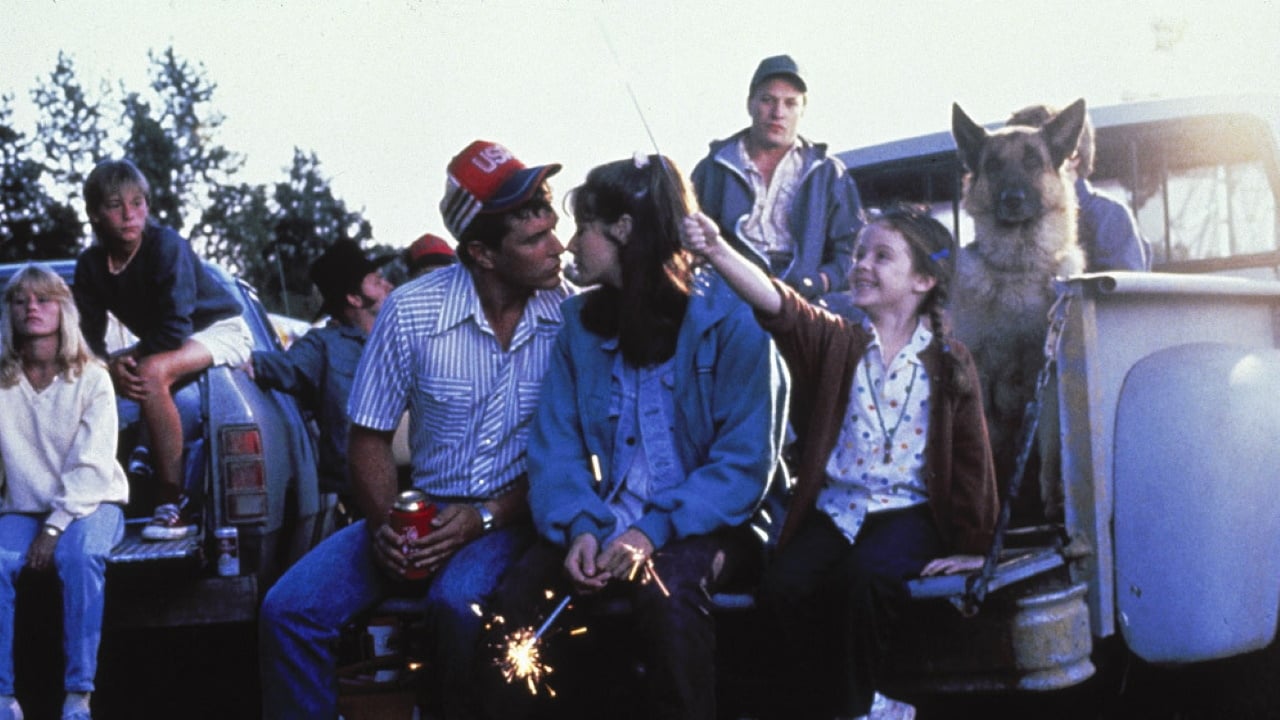
The setup, penned by the often-controversial Joe Eszterhas (who gave us the slick thrills of Jagged Edge (1985) and later, Basic Instinct (1992)), feels deceptively simple at first. Debra Winger, fresh off searing performances in films like An Officer and a Gentleman (1982) and Terms of Endearment (1983), plays Katie Phillips, an FBI agent sent undercover into America's heartland. Her mission: investigate the death of a controversial Chicago radio host and determine if charming, handsome farmer and Vietnam vet Gary Simmons (Tom Berenger, hot off his Oscar nomination for Platoon (1986)) is involved with a violent white supremacist group. Gary is presented as the picture of rural decency – a loving father, a respected community member, a man seemingly grounded in traditional values. And that's precisely where the film sinks its hooks.
### The Uncomfortable Dance
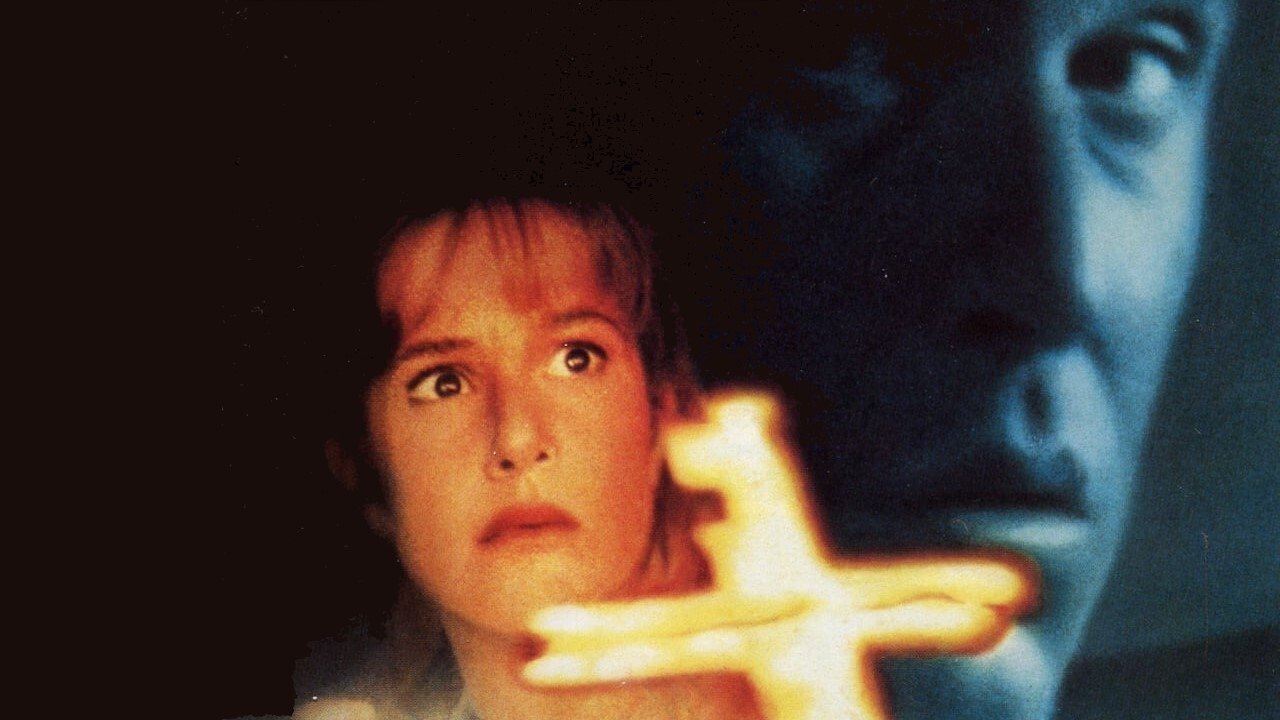
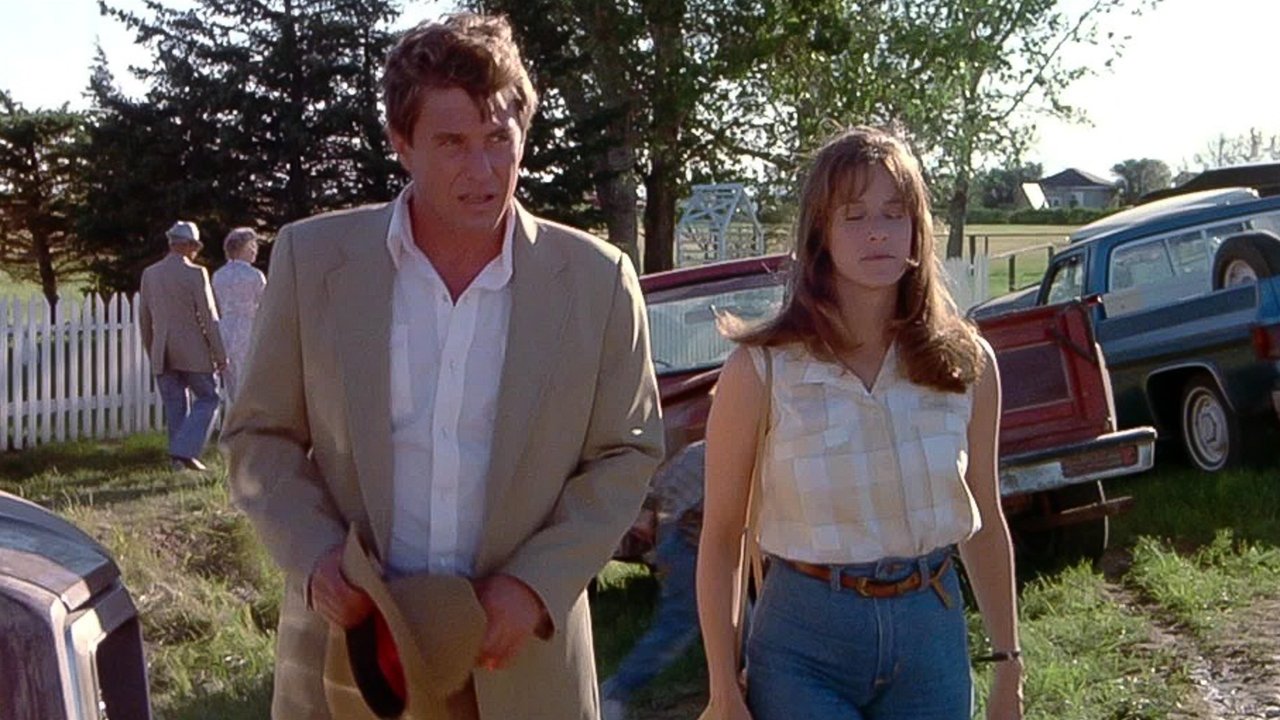
What makes Betrayed so potent, and perhaps so divisive, is its commitment to the central relationship. Costa-Gavras, a director renowned for his politically charged works like Z (1969) and Missing (1982), doesn't shy away from the genuine affection that blossoms between Katie and Gary. Winger is exceptional, conveying Katie's gradual lowering of defenses, her professional objectivity blurred by undeniable attraction and the warmth Gary and his children offer. You see the conflict warring within her – the duty clashing with burgeoning feelings, the horrible cognitive dissonance as she witnesses glimpses of the darkness Gary embodies. Is she falling for the man, or the meticulously crafted persona? Or, more disturbingly, are they inextricably linked?
Berenger, too, delivers a career-defining performance. He imbues Gary with such charisma and seeming sincerity that it's easy, perhaps even tempting for the viewer, to understand Katie's confusion. He's not a cackling, one-dimensional villain. He’s presented as a product of his environment, articulating grievances that, while twisted into violent ideology, touch upon anxieties felt by some in rural communities. This nuanced portrayal is key to the film's power; it forces us to confront the uncomfortable truth that hatred doesn't always wear a monstrous face. Sometimes, it looks like the friendly neighbor next door. The supporting cast, including John Heard (Big (1988), Home Alone (1990)) as Katie's conflicted FBI handler, adds layers to the tension, grounding the undercover stakes.
### Seeds of Hate in Fertile Ground

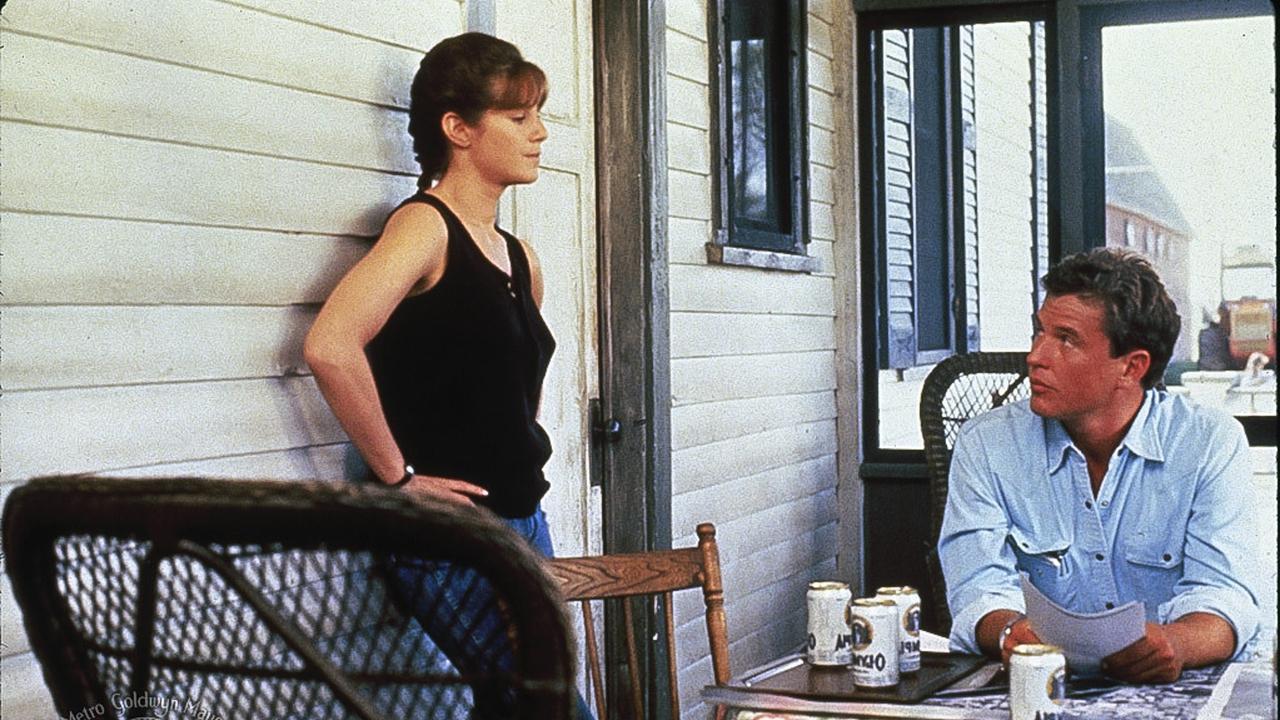
The film masterfully uses the idyllic Midwestern landscape – rolling fields, close-knit communities, Friday night football games – as a stark counterpoint to the poison festering beneath. The atmosphere is thick with unspoken tension, punctuated by moments of shocking violence that feel all the more brutal for their contrast with the pastoral setting. One notorious scene, depicting a "hunt" that serves as a grotesque initiation and test of loyalty, remains deeply disturbing precisely because it's presented not as some stylized horror set piece, but as a chillingly casual act within this specific subculture.
Interestingly, the script, originally titled "Summer Lightning," drew inspiration from real-life extremist groups active in the US at the time, like The Order. This grounding in reality lends the film a weight that transcends typical thriller tropes. It wasn't just entertainment; it felt like a warning flare sent up during a decade grappling with shifting social and political landscapes. This relevance likely contributed to its modest box office reception ($25.8 million gross against a $19 million budget – roughly $65 million gross vs $48 million budget today), as the subject matter was undoubtedly challenging for mainstream audiences expecting simpler good vs. evil narratives. Costa-Gavras reportedly clashed with Eszterhas over aspects of the script, wanting to ensure the political commentary wasn't lost amidst the thriller elements, a tension that arguably benefits the final film's unsettling ambiguity.
### Lingering Questions
Betrayed isn't a film that offers easy catharsis. It doesn't neatly resolve the emotional turmoil it stirs up. Katie's journey forces her, and us, to confront the terrifying ease with which ordinary lives can intersect with extraordinary evil. How deep do allegiances run? What compromises do we make for love, or duty, or belonging? Doesn't the film's exploration of extremism hiding within plain sight feel disturbingly relevant even decades later? It’s a movie that burrows under your skin, less about the "whodunit" and more about the "how could they?"
Rating: 8/10
The rating reflects the film's potent atmosphere, outstanding performances (especially from Winger and Berenger), and its brave, unflinching look at a deeply uncomfortable subject. It earns its points through sheer, sustained tension and the complex moral questions it poses. While the pacing might test some viewers accustomed to faster cuts, and the central romance remains ethically thorny by its very nature, the film's power lies in its refusal to simplify.
Betrayed is a challenging, expertly crafted thriller that lingers precisely because it offers no easy answers, leaving you pondering the darkness that can bloom in the most unexpected corners of the human heart – a truly unsettling gem from the back shelves of VHS Heaven.