Remember those slick, slightly overheated thrillers that seemed to dominate the video store shelves in the early 90s? The ones promising tangled webs of desire, betrayal, and maybe a touch of psychological warfare, all wrapped up in star power and moody lighting? 1992’s Final Analysis fits that bill perfectly, a film that swims so deeply in the waters of Hitchcockian homage it practically drowns in them – but does so with undeniable style. It's a film that asks: when does empathy become entanglement, and when does healing turn into manipulation?
A Tangled Couch
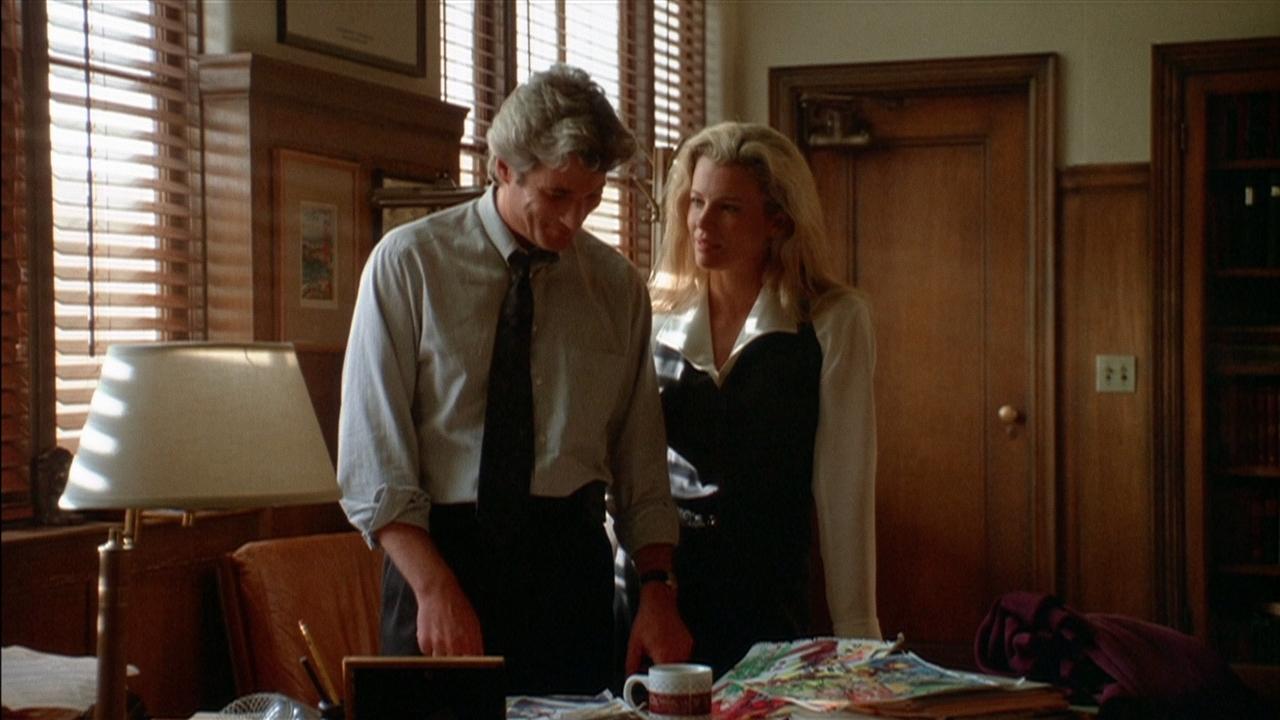
The premise itself feels classic, almost archetypal. Richard Gere plays Dr. Isaac Barr, a respected San Francisco psychiatrist drawn into the complex lives of two sisters. First comes Diana Baylor (Uma Thurman), seeking help with disturbing childhood memories. But it's her enigmatic, alluring older sister, Heather Evans (Kim Basinger), trapped in a seemingly abusive marriage to a menacing gangster type (a perfectly coiled Eric Roberts), who truly captures Barr's attention – and perhaps his professional objectivity. What begins as professional concern quickly spirals into a passionate affair, pulling Barr into a dangerous game where reality and perception blur, echoing classics like Vertigo with its San Francisco setting and themes of obsession.
Shadows and Seduction
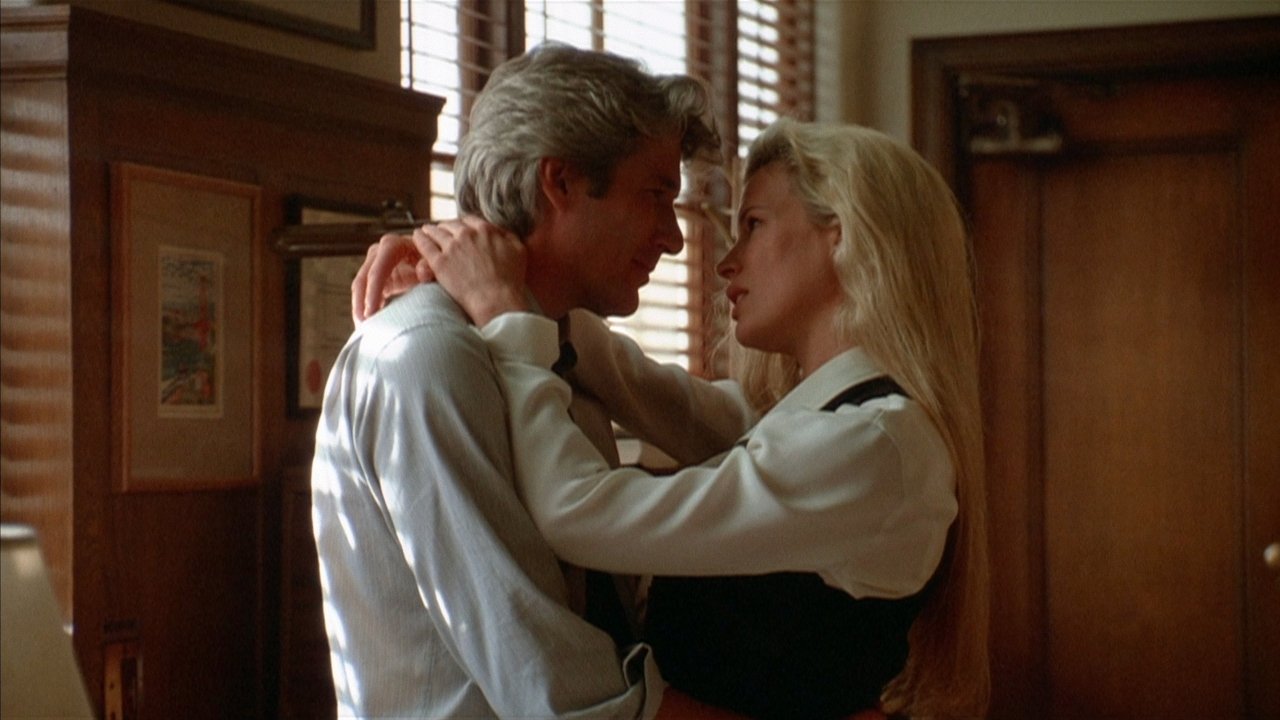
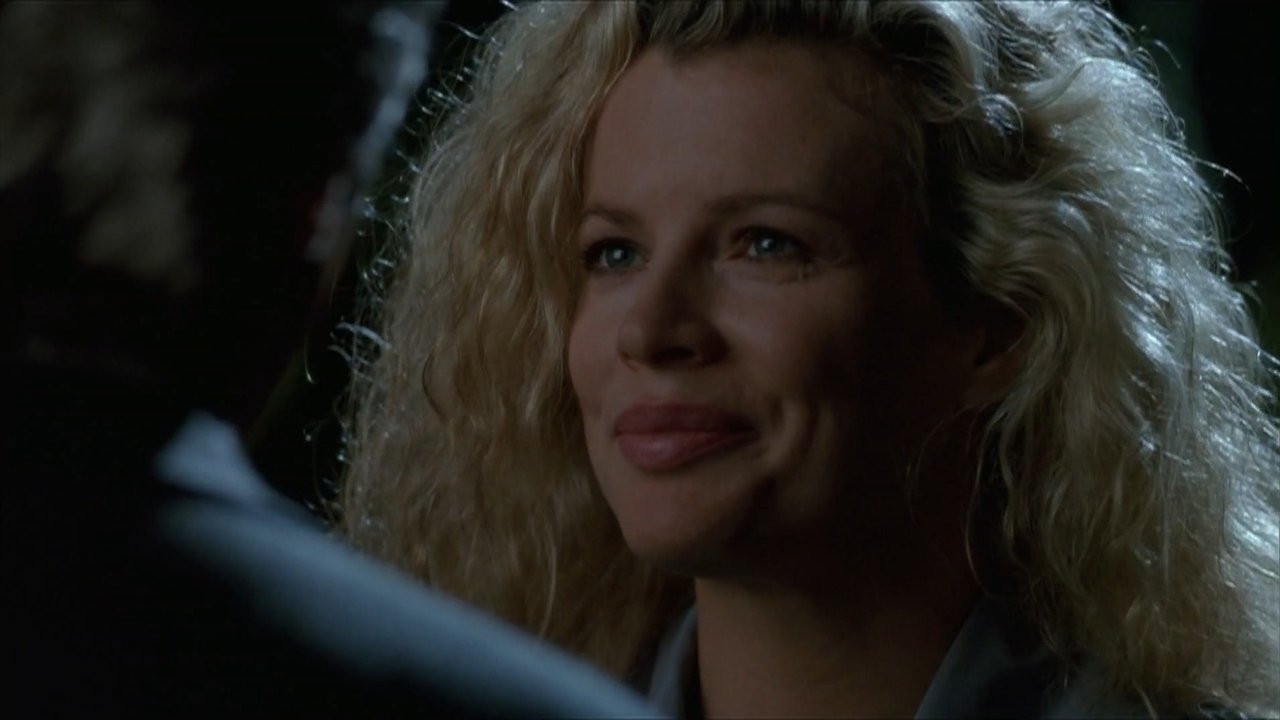
Director Phil Joanou, coming off the gritty crime drama State of Grace (1990), clearly aimed for something different here – a glossier, more commercially minded picture steeped in suspense traditions. The film looks fantastic, largely thanks to the legendary cinematographer Jordan Cronenweth. This was, sadly, Cronenweth's final film; battling Parkinson's disease, he reportedly directed much of the lighting setups via radio from a van near the set, a testament to his dedication. His work lends the film an incredible atmosphere – rain-slicked streets, shadowy interiors, dramatic silhouettes – creating a visual language that speaks volumes about the characters' hidden motives and the encroaching danger. The lighthouse sequence, in particular, is a masterclass in visual tension, using geography and weather to amplify the psychological stakes. It’s this potent atmosphere that lingers long after the credits roll, even when the plot mechanics start to creak.
Star Power Under Pressure
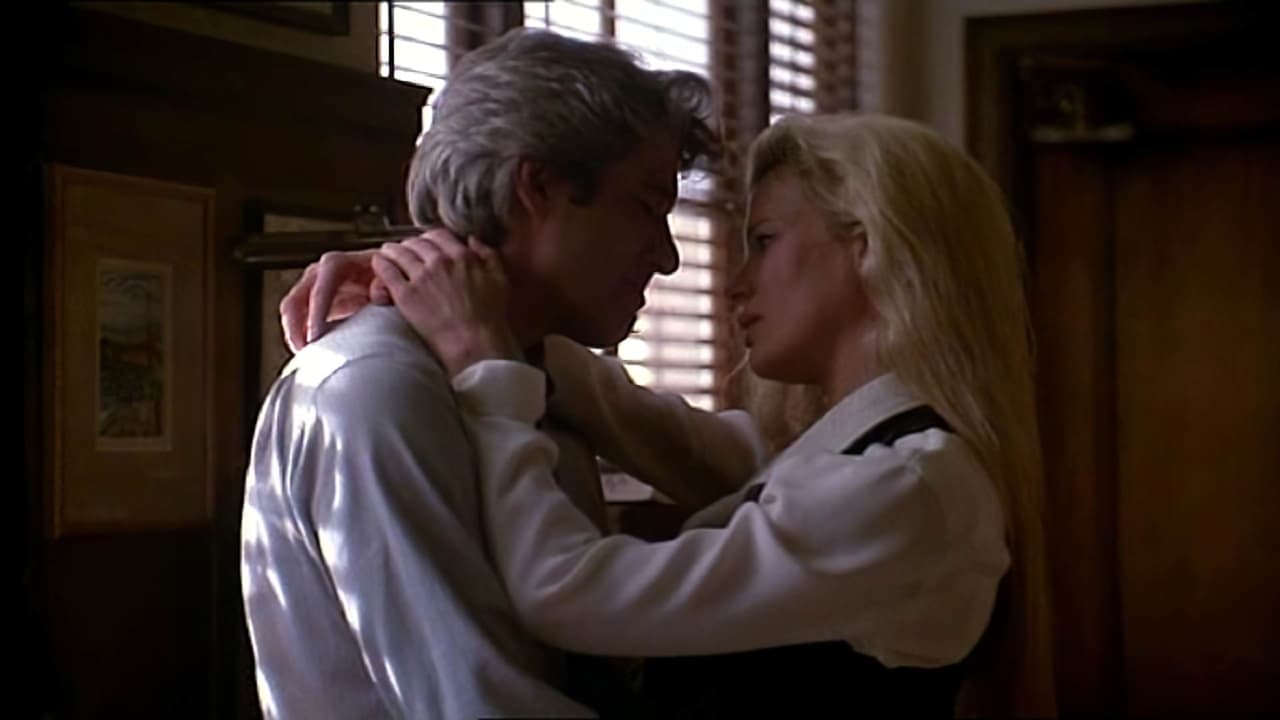
The casting feels very 'of its time'. Richard Gere and Kim Basinger reunited here after their steamy pairing in 1986's No Mercy. Gere brings his characteristic blend of earnestness and charm to Barr, making his gradual descent into the sisters' web believable, if perhaps a little too easily swayed for a supposedly brilliant psychiatrist. Is his vulnerability a flaw, or simply a reflection of how easily desire can cloud judgment? Basinger, meanwhile, leans into the femme fatale role with gusto. She embodies Heather's blend of vulnerability and calculated allure, though sometimes the performance feels more like an idea of a femme fatale than a fully fleshed-out person. The chemistry between them is palpable, but it serves a plot that occasionally strains credulity.
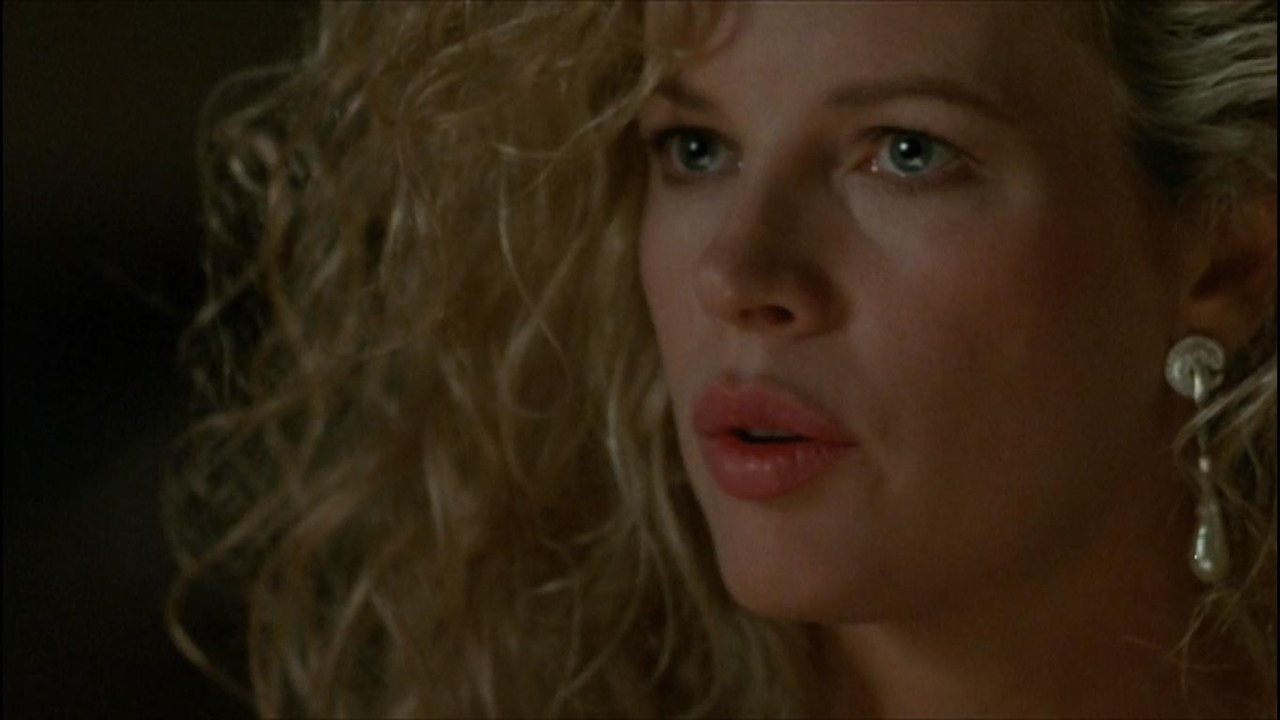
Uma Thurman, relatively early in her career between Dangerous Liaisons (1988) and Pulp Fiction (1994), offers a fascinating counterpoint as the seemingly more fragile sister, Diana. Her performance hints at deeper currents beneath the surface, though the script doesn't always give her enough room to explore them fully. And Eric Roberts as Jimmy Evans? He oozes menace effortlessly, a physical threat that grounds the psychological games in real danger.
Retro Fun Facts: Behind the Analysis
Digging into the history of Final Analysis reveals some interesting nuggets. The project reportedly kicked around Hollywood for nearly a decade before finally getting made. Wesley Strick's initial script was apparently much darker and more focused on the psychological manipulation, but underwent rewrites to heighten the thriller elements and romantic angle, likely aiming for broader appeal. Joanou himself admitted wanting to prove he could handle a more commercial, studio-driven picture after the intense, personal State of Grace. And while the film boasts that A-list cast and polished look, its box office performance was ultimately underwhelming – pulling in around $28.6 million domestically against a reported $32 million budget (roughly $63 million today). Perhaps audiences in 1992, the same year Basic Instinct exploded, found its Hitchcockian nods a little too familiar or its twists not quite sharp enough. Interestingly, the dramatic courtroom sequence features a cameo from acclaimed screenwriter Robert Towne (Chinatown) as Barr's own lawyer.
Where Does It Land?
Final Analysis is a fascinating artifact. It's undeniably stylish, dripping with atmosphere, and anchored by committed performances from its high-wattage cast. The Hitchcock homages are worn proudly on its sleeve – maybe a little too proudly for some. The plot, while initially intriguing, relies on twists that, upon reflection, feel increasingly convoluted and perhaps don't entirely hold up to scrutiny (Spoiler Alert: The reveal involving pathological intoxication feels like a particularly convenient, almost pulpy, narrative device). Yet, there's an undeniable pleasure in watching it unfold, in getting swept up in the mood and the sheer cinematic confidence on display. It’s the kind of thriller they don’t make quite like this anymore – glossy, adult-oriented, and utterly committed to its own dramatic reality, however far-fetched. Doesn’t that commitment itself hold a certain nostalgic appeal?
VHS Heaven Rating: 6.5/10
Justification: The film scores points for its exceptional visual style thanks to Jordan Cronenweth's masterful cinematography and Phil Joanou's atmospheric direction, creating a palpable neo-noir mood. The star power of Gere, Basinger, Thurman, and Roberts delivers committed, if sometimes uneven, performances that carry the narrative. However, the plot's reliance on increasingly implausible twists and its heavy-handed Hitchcockian borrowing prevent it from reaching true classic status. It’s a compelling watch, particularly for its era, but its narrative mechanics feel less sturdy than its impressive facade. The 6.5 reflects a film that's visually striking and engagingly performed, but ultimately hampered by a script that doesn't quite live up to its ambitions or influences.
Final Thought: More than just a thriller, Final Analysis feels like a time capsule – a glossy, self-aware slice of early 90s Hollywood trying to recapture classic suspense, succeeding more in mood than in watertight plotting, leaving us with a stylish, seductive, and slightly flawed memory.