It begins with silence, almost. Not the absence of sound, but the hushed reverence of a world apart. Wheat fields ripple under a vast sky, horse-drawn buggies replace cars, and life unfolds at a rhythm dictated by seasons and faith. Then, a single, shattering intrusion: a brutal murder in the cold, indifferent space of a Philadelphia train station bathroom, witnessed only by young Samuel Lapp, an Amish boy lost in the bewildering noise of the "English" world. This stark contrast, this collision of universes, is the quiet thunderclap that sets Peter Weir's masterful 1985 thriller, Witness, in motion.
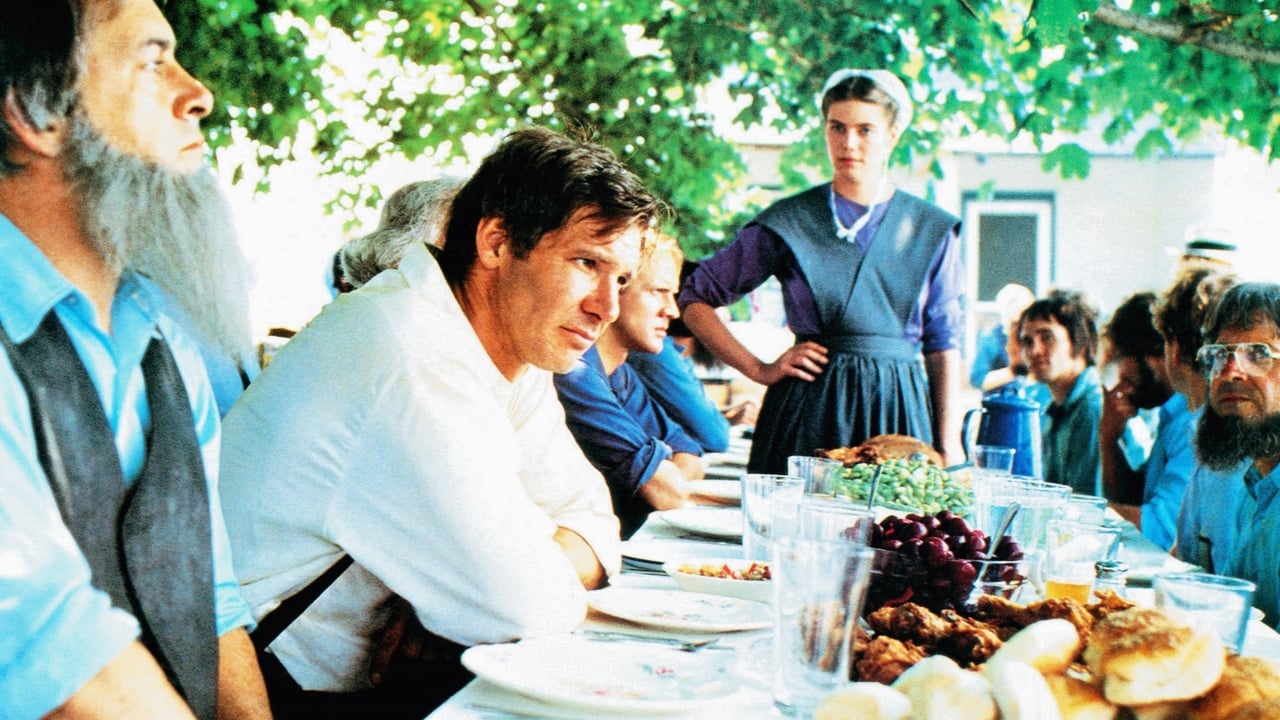
Watching it again now, decades after first sliding that well-worn VHS tape into the VCR, the film feels less like a conventional thriller and more like a study in displacement and unspoken understanding. It’s a story many remember primarily for Harrison Ford, but its enduring power lies equally in its profound sense of place and the quiet intensity of its performances.
A Stranger in a Strange Land
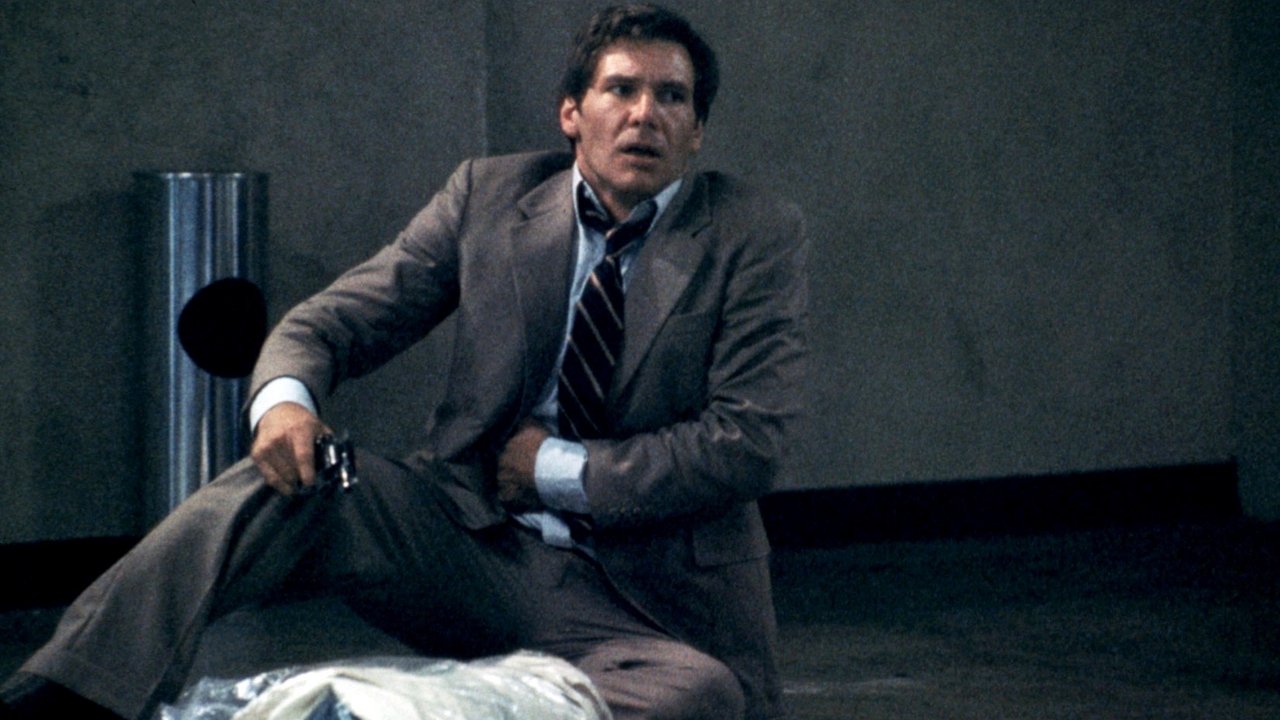
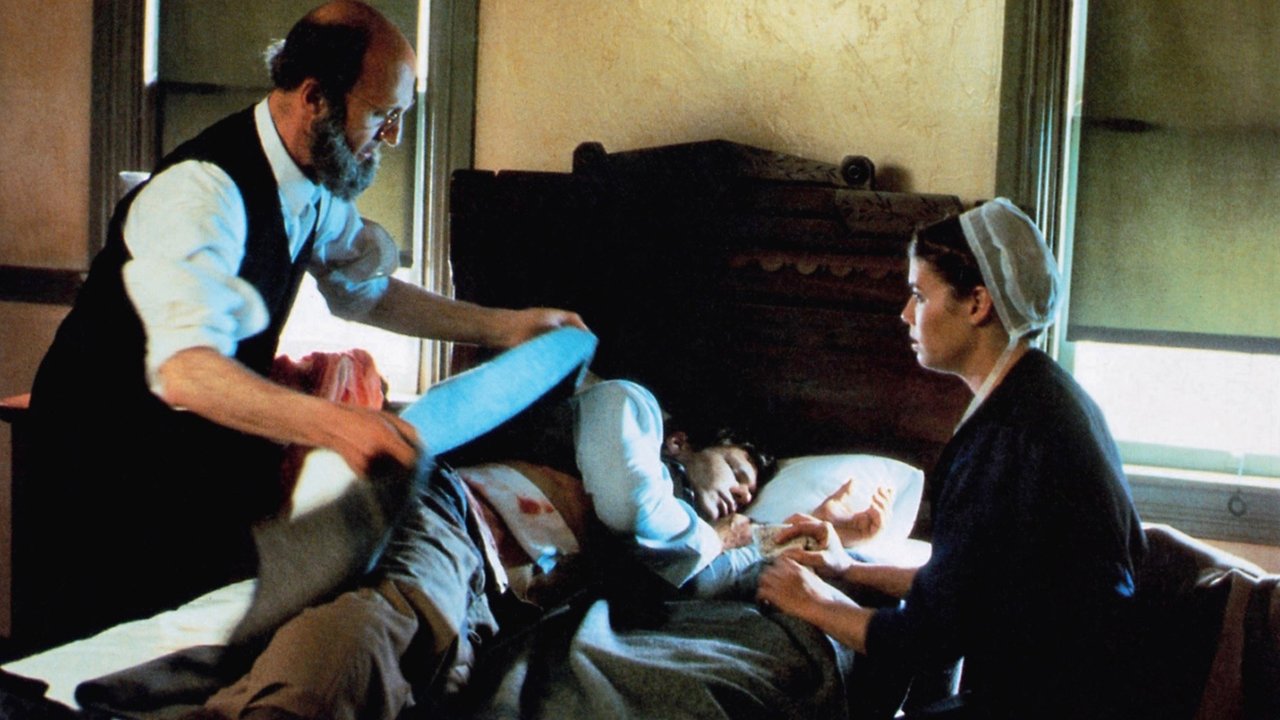
Harrison Ford, fresh off galactic smuggling and archaeological adventures, delivers one of the most nuanced performances of his career as Detective John Book. Injured and forced to hide amongst the very people whose innocent child holds the key to exposing police corruption, Ford sheds the swagger. He’s vulnerable here, physically and culturally adrift. His city instincts—suspicion, impatience, readiness for violence—are alien concepts in the pacifist Amish community. There's a fascinating tension in watching Ford navigate this world, his gruffness slowly softening, his guardedness gradually yielding to respect, and perhaps something more, for Rachel (Kelly McGillis), Samuel's widowed mother. Ford earned his only Best Actor Oscar nomination for this role, and it's easy to see why; he conveys Book’s internal conflict, the struggle between duty and burgeoning connection, often with just a look or a hesitant gesture.
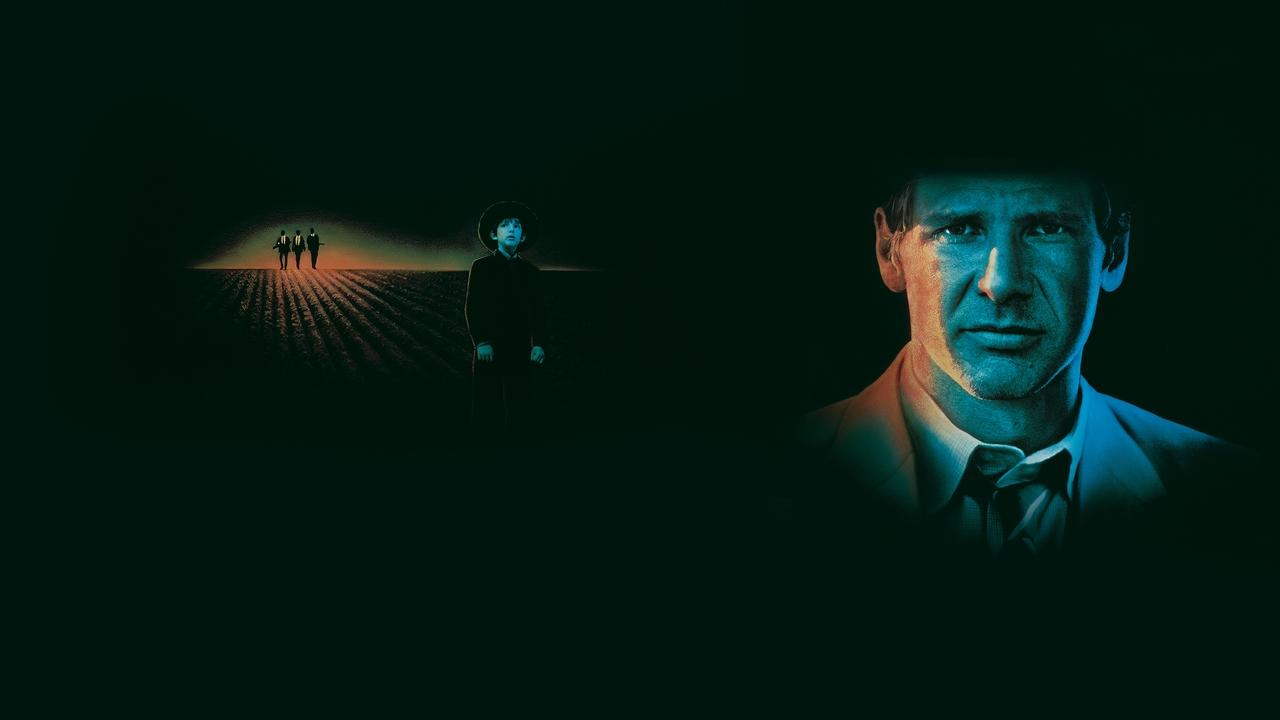
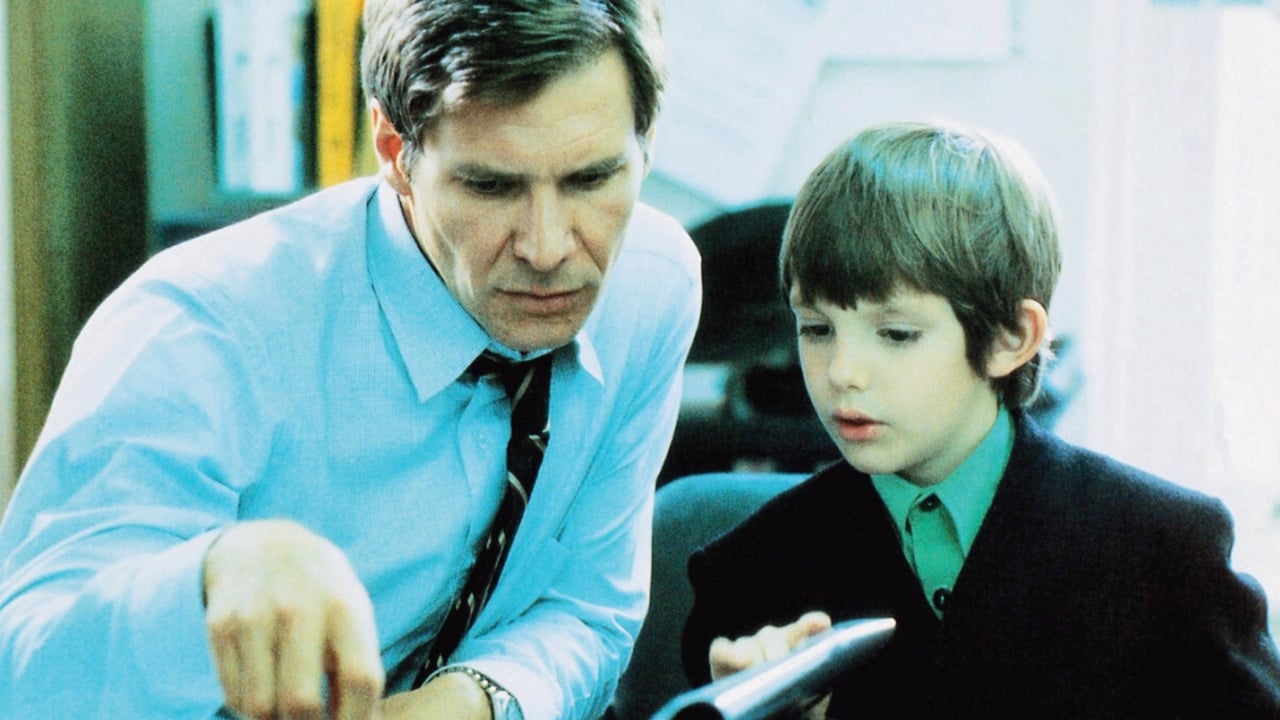
Opposite him, Kelly McGillis is luminous as Rachel. In a role that could easily have become passive, she imbues Rachel with quiet strength and deep conviction. Her attraction to Book, and the potential threat it poses to her way of life, plays out largely in her expressive eyes and the subtle shifts in her posture. It’s a performance of profound restraint, capturing the gravity of her impossible situation. And young Lukas Haas as Samuel? Simply astonishing. He carries the terrible weight of his secret with a maturity beyond his years, his wide eyes reflecting both childhood innocence and the trauma he’s endured.
Crafting Atmosphere
Peter Weir, known for films that often explore characters grappling with unfamiliar environments (Picnic at Hanging Rock, The Mosquito Coast), demonstrates his signature skill here. He masterfully contrasts the chaotic energy of Philadelphia with the deliberate, peaceful pace of Lancaster County. The cinematography by John Seale drinks in the pastoral beauty, framing the Amish lifestyle with an almost painterly quality, making the eventual intrusion of violence feel even more jarring. Weir allows silence to speak volumes, building suspense not just through action, but through lingering shots, unspoken tensions, and the palpable sense of two worlds brushing against each other.
The score by the legendary Maurice Jarre (Lawrence of Arabia, Doctor Zhivago) is another fascinating element. Jarre’s use of synthesizers, initially seeming incongruous against the 18th-century backdrop of Amish life, actually creates a unique sonic texture. It underscores Book's otherness and subtly heightens the suspense, acting almost as an invisible bridge between the modern threat and the traditional setting. It was a bold choice that paid off, earning Jarre a BAFTA award.
Building More Than a Barn
The production itself mirrors the film's themes of careful construction and cultural respect. Filming in and around Lancaster County, Pennsylvania, required delicate negotiations with the Amish community, who understandably guard their privacy. While many locals offered guidance and some non-camera-facing help, the filmmakers were careful to respect boundaries. Interestingly, the script, penned by Earl W. Wallace, William Kelley, and Pamela Wallace (who drew inspiration from a Gunsmoke episode), initially went by the title Called Home. It went on to win the Academy Award for Best Original Screenplay, a testament to its tight structure and compelling character arcs.
One of the film's most iconic sequences, the barn raising, is a beautiful piece of cinematic choreography. Though primarily using actors and stunt performers, the scene was meticulously planned with input from Amish consultants to ensure authenticity in the depiction of communal effort and traditional building techniques. It's a moment of pure visual storytelling, symbolizing community, cooperation, and the quiet strength Book comes to admire. There's also a fun bit of trivia that Harrison Ford, a skilled carpenter in his own right before hitting acting stardom, actually pitched in with some real construction work on set – life imitating art, perhaps?
The film was a significant success, made for around $12 million (roughly $34 million today) and grossing over $116 million worldwide (nearly $330 million adjusted). It proved that audiences were receptive to a thriller that relied more on character and atmosphere than constant action, and it cemented Weir's reputation in Hollywood while showcasing a different side of Ford. However, its success wasn't without ripples; some members of the Amish community later expressed concern about the increased tourism and potential misunderstandings the film generated, a complex legacy for a film that strived for sensitivity.
Enduring Resonance
Witness isn't just a fish-out-of-water story or a simple crime thriller. It asks resonant questions about violence, faith, duty, and the compromises we make for safety and for love. What happens when modernity's corruption seeps into a protected world? Can two people from vastly different realities truly connect? The answers aren't easy, and the film's slightly melancholic ending lingers long after the credits roll. It avoids easy resolutions, respecting the deep cultural divides even as it celebrates the possibility of human connection across them.
Rating: 9/10
This score reflects the film's masterful direction, outstanding performances (especially from Ford, McGillis, and Haas), its compelling blend of thriller suspense and poignant drama, and its successful creation of a unique, immersive atmosphere. It transcends its genre trappings to become something more resonant and thoughtful, earning its classic status.
Witness remains a potent reminder that sometimes the quietest films leave the loudest echo, a beautifully crafted piece that still feels remarkably fresh and affecting decades later. It’s more than just a star vehicle; it’s a collision of worlds handled with rare grace and intelligence.