Here’s a draft review for "Missing" (1982), following the guidelines:

***
There’s a particular kind of disorientation that hits you when watching Costa-Gavras’s Missing. It’s not just the shaky-cam confusion of a modern action sequence, but a deeper, moral vertigo. You’re placed squarely in the shoes of someone utterly lost, not just geographically, but ethically, adrift in a sea of political violence and bureaucratic lies. I recall seeing the stark VHS box for Missing nestled amongst the more colorful action and sci-fi fare at the local rental store – it looked serious, important, almost intimidating. And it was. This isn't a film you watch for escapism; it’s one that grabs you by the collar and demands you witness something difficult, something true.
An Ordinary Man in Extraordinary Peril
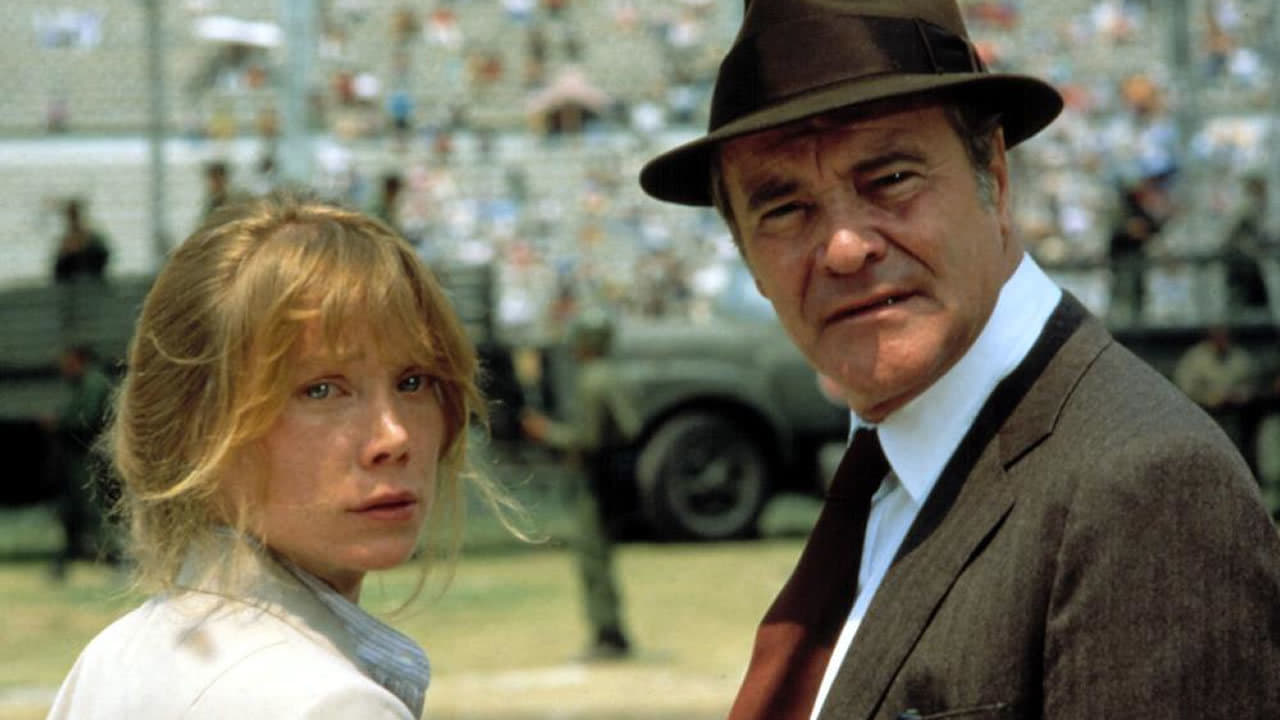
The setup is deceptively simple: Ed Horman (Jack Lemmon), a conservative, Christian Scientist businessman from New York, flies to an unnamed South American country (clearly intended to be Chile during the 1973 coup) to find his missing son, Charles, a young journalist and filmmaker. He’s met by his daughter-in-law, Beth (Sissy Spacek), a woman whose liberal values and lifestyle clash fundamentally with his own. Initially, Ed trusts the official channels, the American embassy reassurances, believing there must be some logical explanation, some mistake. Beth, having already navigated the terrifying chaos following the military coup, knows better. Their journey together forms the heart of this gripping 1982 political thriller.
A Masterclass in Tension and Truth
What elevates Missing beyond a standard procedural is the excruciatingly patient way Costa-Gavras, already renowned for political nail-biters like Z (1969) and State of Siege (1972), builds the atmosphere of dread. There are no easy answers, no clear villains twirling mustaches. Instead, we get obfuscation, polite denials, and the chilling indifference of power structures grinding over individual lives. The film masterfully contrasts the sun-drenched streets with the shadowy interiors of government buildings and hospitals, mirroring Ed Horman's slow dawning of a horrifying reality. Shot primarily in Mexico City and Acapulco due to the obvious political sensitivities of filming in Chile at the time, the production effectively captures the sense of a familiar world turned suddenly hostile and alien.
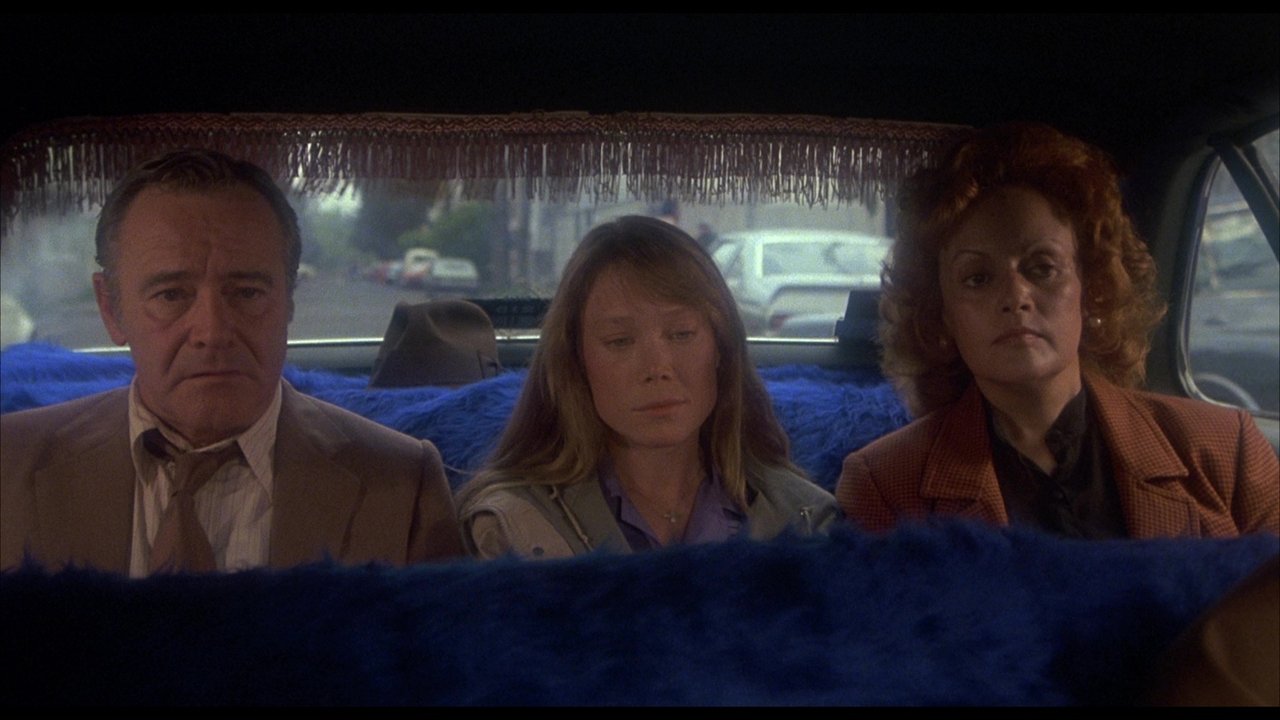
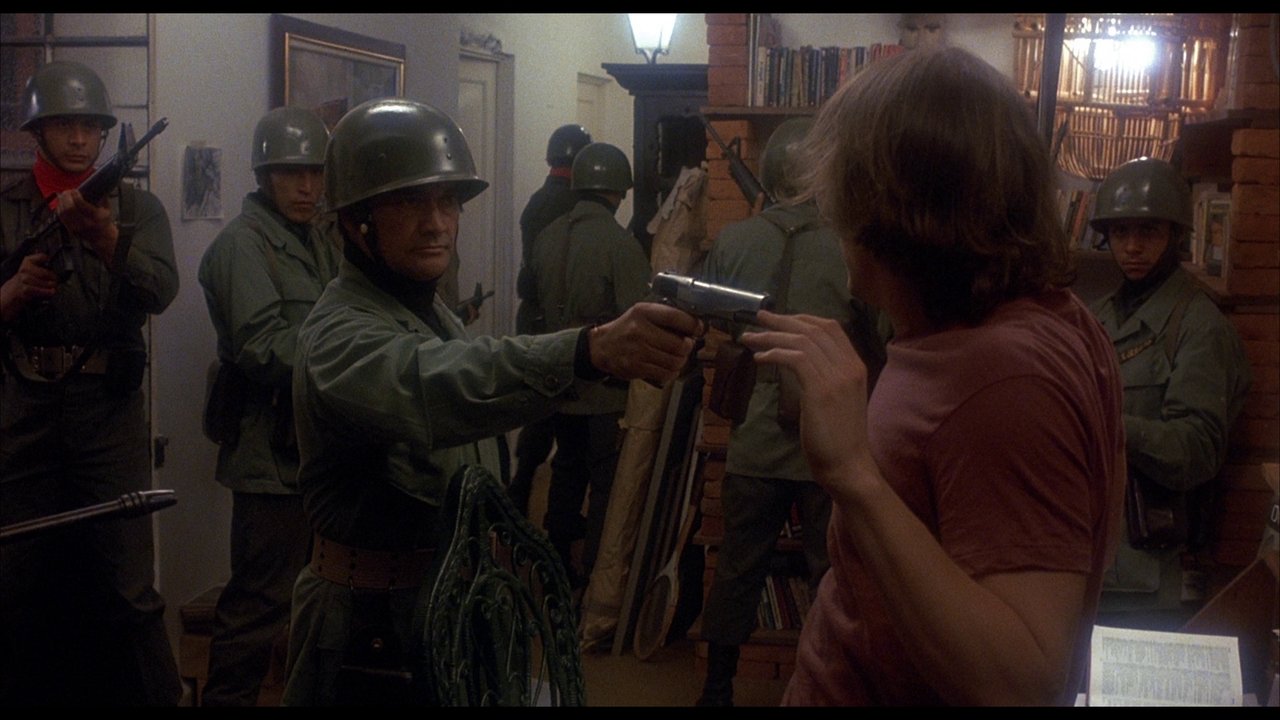
The screenplay, which deservedly won an Academy Award for Costa-Gavras and Donald E. Stewart (adapted from Thomas Hauser's book The Execution of Charles Horman: An American Sacrifice), is a marvel of showing, not telling. We learn about Charles primarily through the conflicting perspectives of his father and wife, piecing together a portrait of an idealistic young man caught in the gears of history. The dialogue feels achingly real, particularly the strained, evolving conversations between Ed and Beth.
Lemmon Against Type, Spacek’s Quiet Strength
The performances are simply outstanding. Jack Lemmon, known primarily for his comedic genius and everyman charm in films like Some Like It Hot (1959) or The Apartment (1960), delivers arguably the finest dramatic performance of his career. Watching Ed Horman’s tightly controlled facade crumble, his certainty replaced by confusion, then anger, and finally devastating grief, is heartbreaking. Lemmon doesn’t grandstand; his pain is etched in the lines on his face, the slump of his shoulders, the desperate hope flickering in his eyes. It’s a transformation that feels utterly authentic. Reportedly, Lemmon deeply researched the real Ed Horman, wanting to honour the man's experience.
Sissy Spacek, fresh off her Oscar win for Coal Miner's Daughter (1980), is equally compelling as Beth. She embodies a quiet resilience, a weariness born from witnessing the unspeakable, yet fueled by a fierce determination to uncover the truth. Her initial friction with Ed, born from mutual suspicion and differing worldviews, slowly melts into a shared purpose forged in tragedy. Their evolving relationship is the film’s emotional anchor, preventing it from becoming just a political polemic. It’s about two people finding common ground in the worst possible circumstances.
Retro Fun Facts & Lingering Questions
- The film generated significant controversy upon release, particularly from former U.S. State Department officials depicted (often under different names) who disputed their portrayal and the film's implication of U.S. complicity or awareness regarding Charles Horman's fate. Several lawsuits were filed, though ultimately dismissed.
- Despite its challenging subject matter and a modest budget of around $9.5 million, Missing was a critical success, earning multiple Oscar nominations (including Best Picture, Best Actor for Lemmon, and Best Actress for Spacek) and winning the prestigious Palme d'Or at the Cannes Film Festival (tied with Yol).
- The unnamed nature of the country, while fooling no one familiar with the events in Chile, was a deliberate choice by Costa-Gavras to universalize the themes of political oppression and foreign interference. Does that make its message stronger, or does specificity anchor such stories more effectively?
- Think about the contrast: In 1982, audiences were also flocking to see E.T. the Extra-Terrestrial and Blade Runner. Missing offered a starkly different, grounded, and deeply unsettling cinematic experience, a reminder of film's power to confront uncomfortable truths, something often found tucked away in the 'Drama' section of the video store.
The Verdict
Missing isn't an easy watch, nor should it be. It's a slow-burn thriller fueled by righteous anger and profound sorrow. It forces us to consider the human cost when political ideologies clash and bureaucratic machinery prioritizes expediency over individual lives. The performances by Lemmon and Spacek are career highlights, grounding the political narrative in palpable human emotion. Costa-Gavras directs with a steady, unflinching hand, creating a palpable sense of paranoia and helplessness that stays with you long after the credits roll. It's a film that felt vital in 1982, exposing a dark chapter many preferred to ignore, and its questions about truth, accountability, and the individual versus the state remain disturbingly relevant.
Rating: 9/10
Justified by its powerhouse performances, masterful direction creating unbearable tension, its courageous handling of a sensitive true story, and its lasting impact as a significant political thriller of the era. The slight deduction acknowledges that its deliberate pacing might test some viewers, but it’s integral to the film's suffocating atmosphere.
Missing is more than just a film; it’s a haunting reminder of the fragility of truth in the face of power, a feeling that sadly hasn't faded with the tracking lines on our old VHS tapes. What does it take for us to truly see what's happening right in front of us?