The air hangs thick and heavy, doesn't it? Like the stale, humid stillness before a Texas thunderstorm, the kind that promises violence rather than relief. That's the feeling Blood Simple leaves you with, a clammy unease that clings long after the final, brutal frame fades to black. Released in 1984, this wasn't just another crime thriller hitting the shelves of the local video store; it was the announcement of a major new filmmaking voice – or rather, two voices: Joel Coen and Ethan Coen. Their debut feature remains a masterclass in sustained tension, a sweaty, neon-drenched nightmare spun from the simplest, darkest threads of human nature: jealousy, greed, and paranoia.
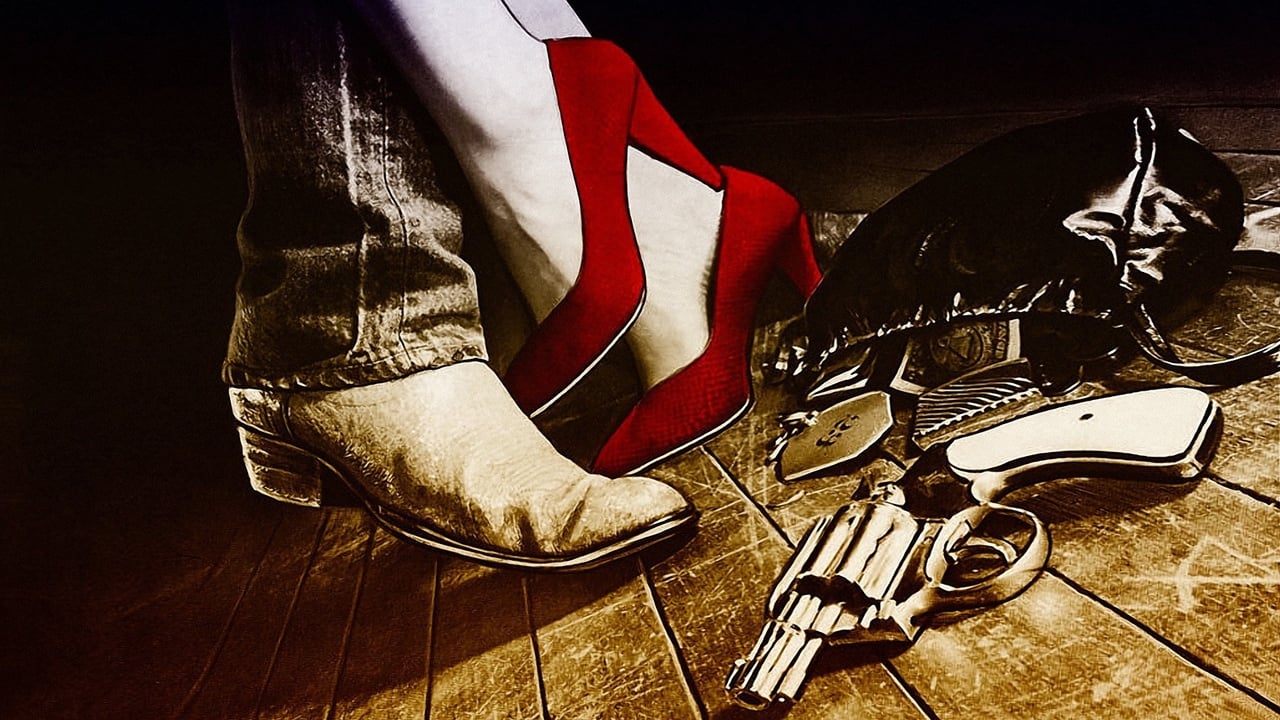
### Down Here, You're On Your Own
The plot, on the surface, feels deceptively straightforward, almost pulpy. Julian Marty (Dan Hedaya, perfectly embodying simmering resentment), a jealous bar owner, hires a sleazy private detective, Loren Visser (M. Emmet Walsh, in a career-defining, chillingly iconic role), to kill his cheating wife Abby (Frances McDormand, astonishing in her screen debut) and her lover Ray (John Getz), one of Marty's bartenders. But this is a Coen Brothers film, even in its infancy. Nothing stays simple for long. Double-crosses pile upon misunderstandings, and soon everyone is caught in a tightening spiral of violence where every shadow seems to hold a threat, and the truth is as murky as the swamp Visser frequents. The Texas landscape isn't just a backdrop; it's an accomplice – desolate highways, lonely bars bathed in sickly neon, and oppressive heat mirroring the characters' escalating desperation.
### The Sweat and the Shadow Play
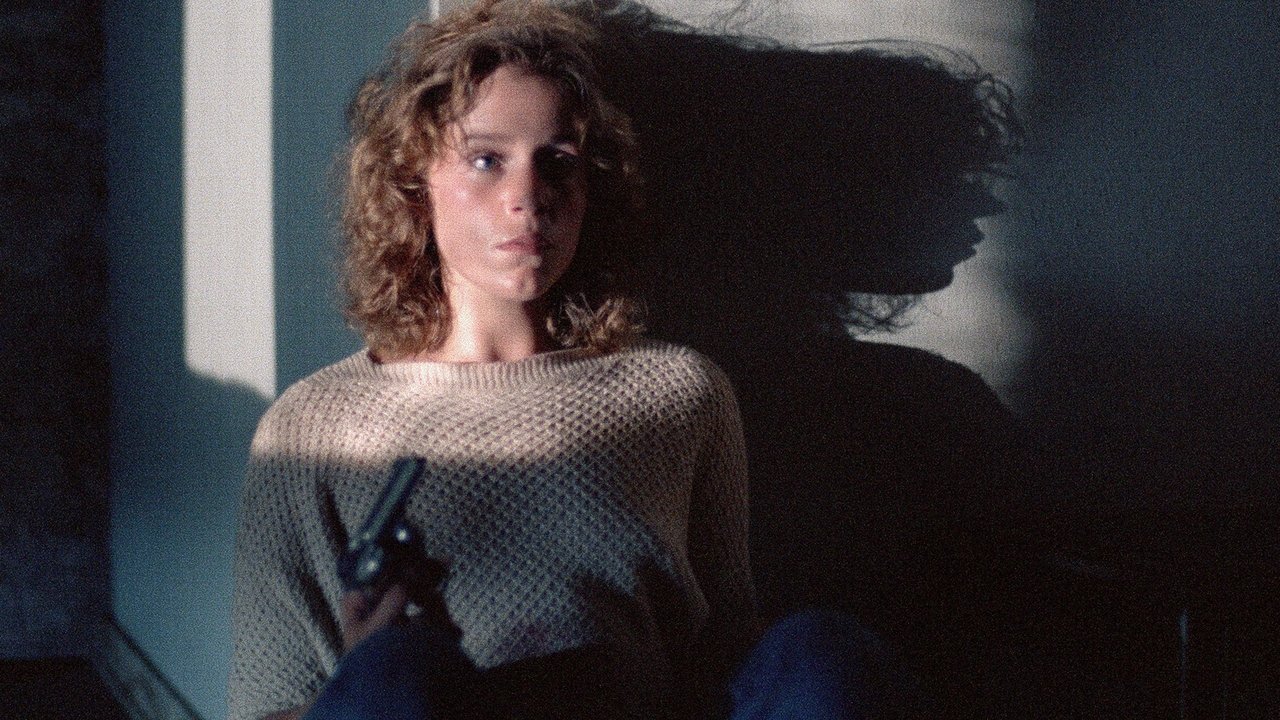
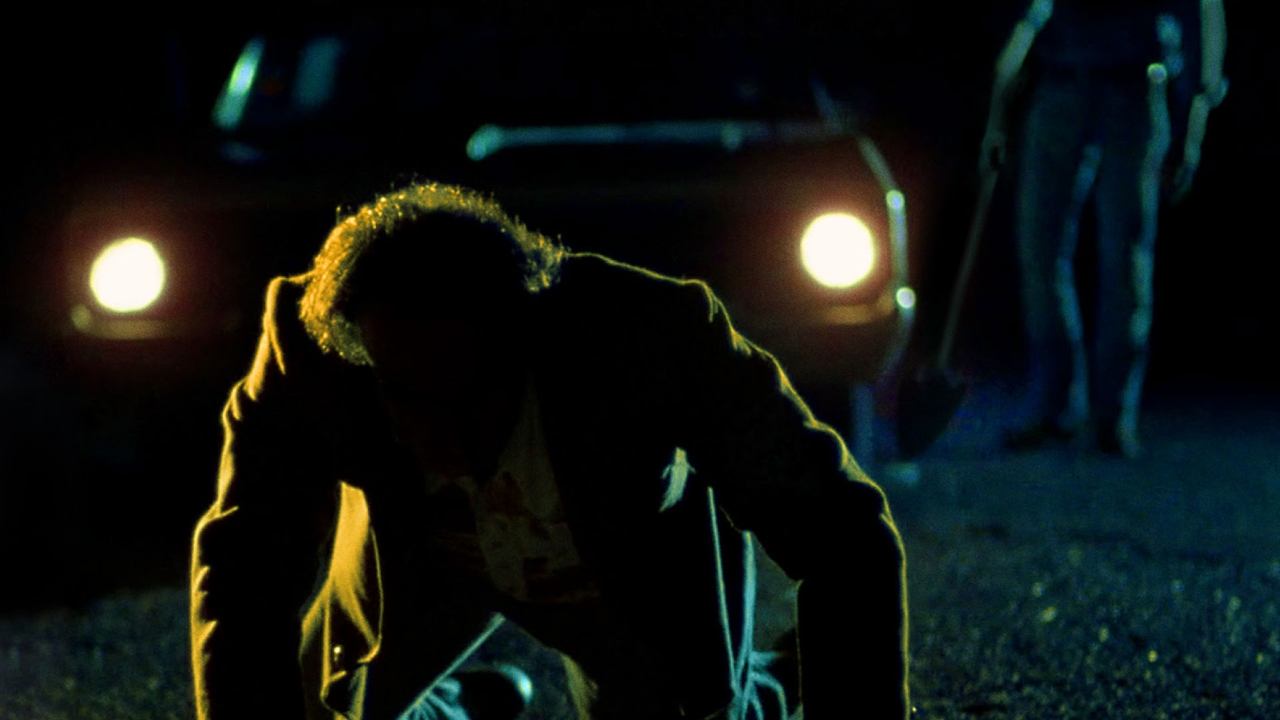
What elevates Blood Simple beyond its pulp roots is the sheer craft on display. The Coens, alongside cinematographer Barry Sonnenfeld (who would go on to direct films like The Addams Family (1991) and Men in Black (1997)), create a visual language steeped in dread. Low angles make figures loom menacingly, light slices through darkness dramatically (think of those beams cutting through the bullet holes in the wall), and the camera often glides with an unnerving inevitability, tracking characters towards their grim fates. Remember that sequence with Ray burying Marty, the headlights carving up the darkness, the sheer panic palpable? It’s pure cinematic tension, built through visuals and sound design rather than cheap jump scares. Carter Burwell's minimalist, haunting piano score underscores the isolation and dread, becoming as integral to the film's identity as the visuals.
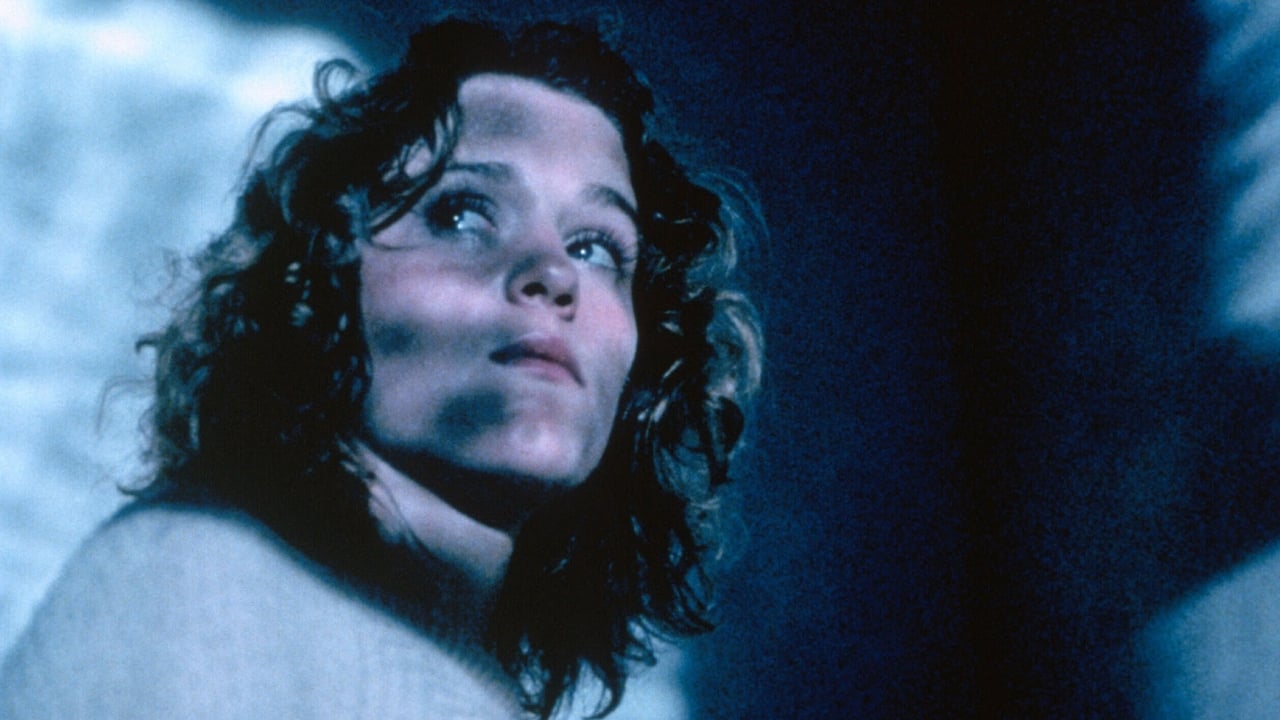
The film's famously tight $1.5 million budget, raised independently after the Coens crafted a compelling proof-of-concept trailer, forced a level of ingenuity that permeates the production. They couldn't afford expensive setups, so meticulous planning and storyboarding became paramount. This constraint arguably shaped their distinctive, controlled style right from the start. Finding the right Abby proved crucial; Frances McDormand, then roommate to Holly Hunter (who had initially been considered but was committed to a play), auditioned and landed the part, marking the beginning of a long and legendary collaboration with the Coens (and Joel, whom she later married). Her portrayal of Abby isn't a typical femme fatale; she's pragmatic, sometimes naive, and ultimately just trying to survive the escalating chaos swirling around her.
### That Ain't Dark, That's Visser
But let's talk about Loren Visser. M. Emmet Walsh delivers an all-time great screen villain performance. Decked out in his yellow safari suit, constantly chuckling with unnerving bonhomie, Visser is pure, reptilian menace disguised beneath a veneer of good-ol'-boy charm. He’s the embodiment of the film’s cynical worldview – amoral, opportunistic, and utterly terrifying in his casual disregard for human life. There’s a famous story about Walsh questioning the Coens about his character's motivation in one scene, and Joel reportedly replying, "He's just eeevil!" Walsh apparently loved that direction. Whether apocryphal or not, it captures the essence of Visser perfectly. His scenes, particularly the drawn-out, agonizing finale, are almost unbearable in their tension, a masterclass in slow-burn horror. Doesn't that final confrontation, shrouded in smoke and pierced by light beams, still feel incredibly potent?
The title itself, Blood Simple, is reportedly lifted from Dashiell Hammett's novel Red Harvest, referring to the state of mind people enter after prolonged exposure to violence – fearful, confused, thinking irrationally. It perfectly encapsulates the journey of Ray and Abby, whose attempts to cover up one crime only lead them deeper into a morass of paranoia and mistaken assumptions. The film brilliantly plays with perspective, often showing us just enough to think we understand the situation, only to pull the rug out later.
### A Noir Landmark Forged in Heat
Blood Simple wasn't just a calling card; it was a revitalization of the noir genre for the 1980s. It took the classic tropes – the illicit affair, the murder plot, the femme fatale (subverted), the relentless investigator (twisted into the villain) – and filtered them through a uniquely bleak, darkly comic, and highly stylized lens. Its success at the Sundance Film Festival (winning the Grand Jury Prize) helped launch not only the Coens and McDormand but also bolstered the burgeoning American independent film movement. It demonstrated that audacious, personal visions, even on a shoestring budget, could find an audience hungry for something different from mainstream Hollywood fare.

Watching it today, maybe on a worn-out tape or a pristine Blu-ray, the film has lost none of its power. The deliberate pacing, the stifling atmosphere, the brutal pragmatism of the violence – it all feels remarkably fresh and deeply unsettling. It’s a film that understands that true horror often lies not in the supernatural, but in the dark, unpredictable corners of the human heart and the terrifying consequences of simple mistakes amplified by fear.
VHS Heaven Rating: 9/10
This score reflects the film's masterful control of tone and tension, its groundbreaking visual style, an unforgettable villainous performance, and its significance as both a stunning debut and a landmark of 80s independent cinema. It’s a near-perfect exercise in neo-noir dread. Blood Simple is more than just the Coen Brothers' first film; it's a raw, potent statement of intent, a chilling reminder that down in the lonely heart of Texas, or anywhere else, things can go wrong very, very quickly. It’s a film that gets under your skin and stays there.