There’s a certain quiet vulnerability nestled within the frame of John Candy that often got overshadowed by the sheer force of his comedic presence. We remember the booming laugh, the physical comedy, the characters who filled the screen both literally and figuratively. But watching Only the Lonely (1991) again, maybe pulling that well-loved tape off the shelf in memory, it’s the gentle heart of his performance as Danny Muldoon, a Chicago cop tethered to his overbearing mother, that truly resonates across the years. It’s a film that asks, with surprising tenderness, what happens when loyalty to family bumps up against the unexpected chance for personal happiness.
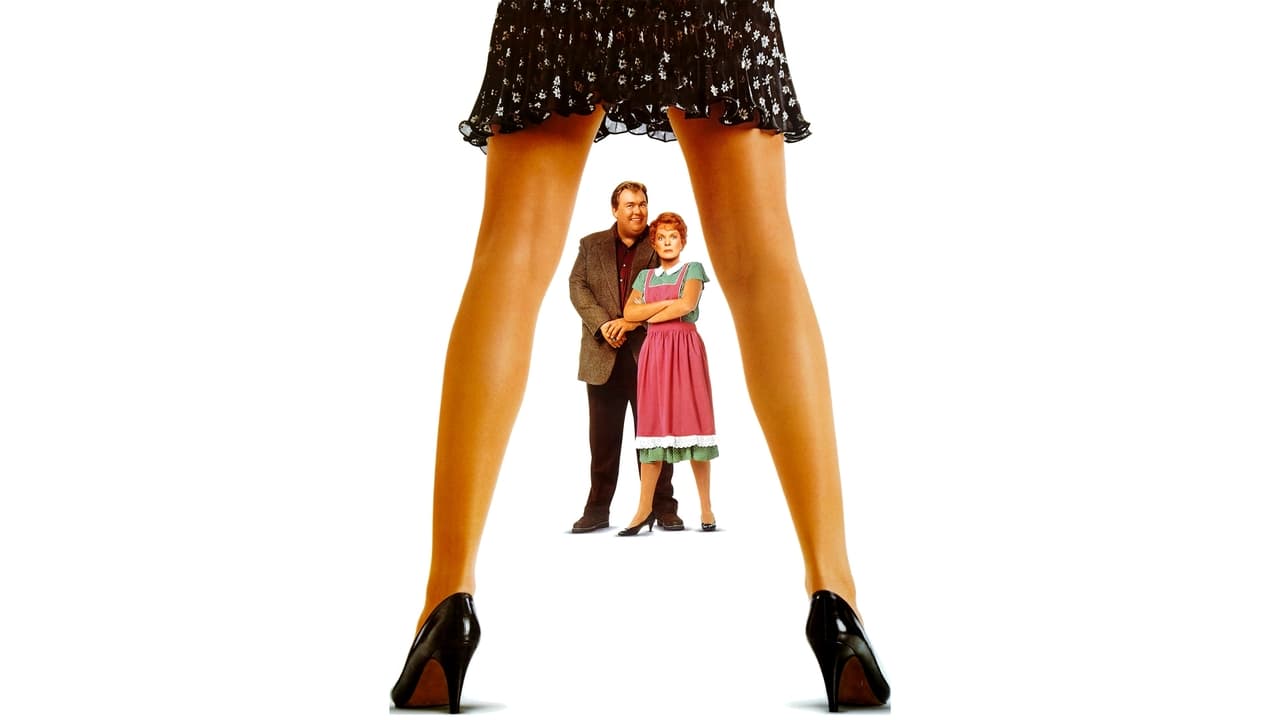
A Chicago Story, Through and Through
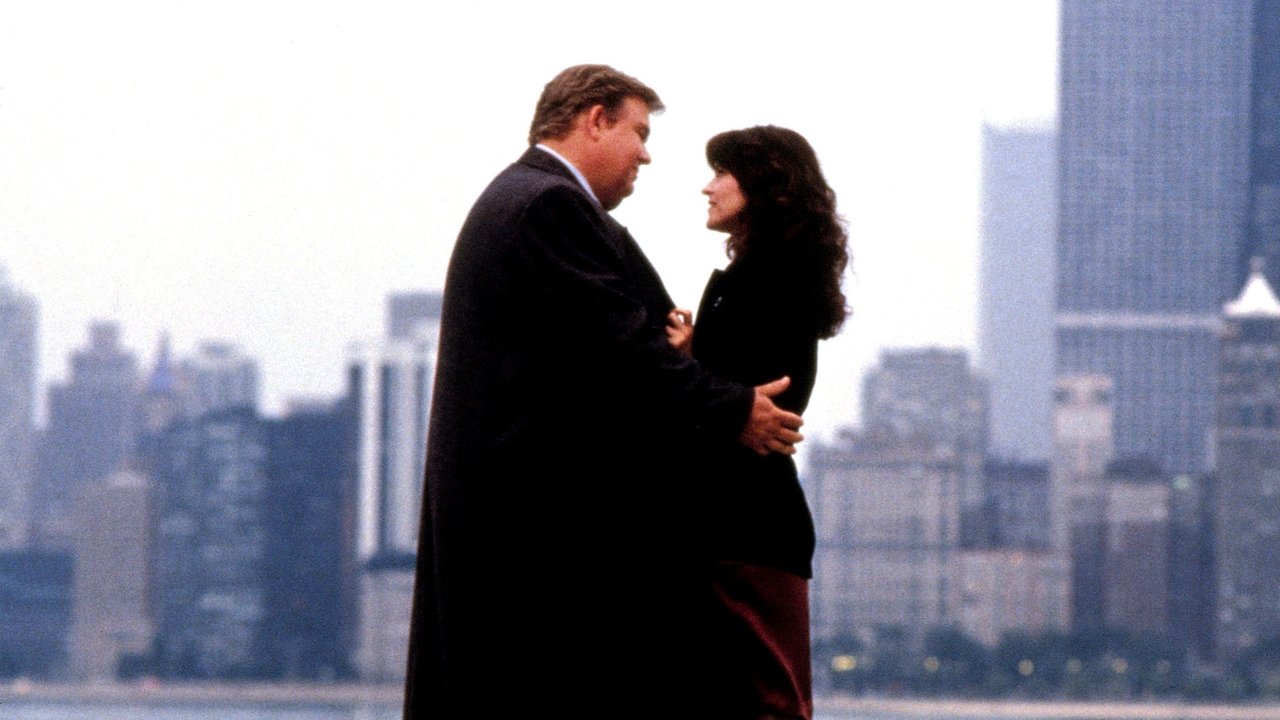
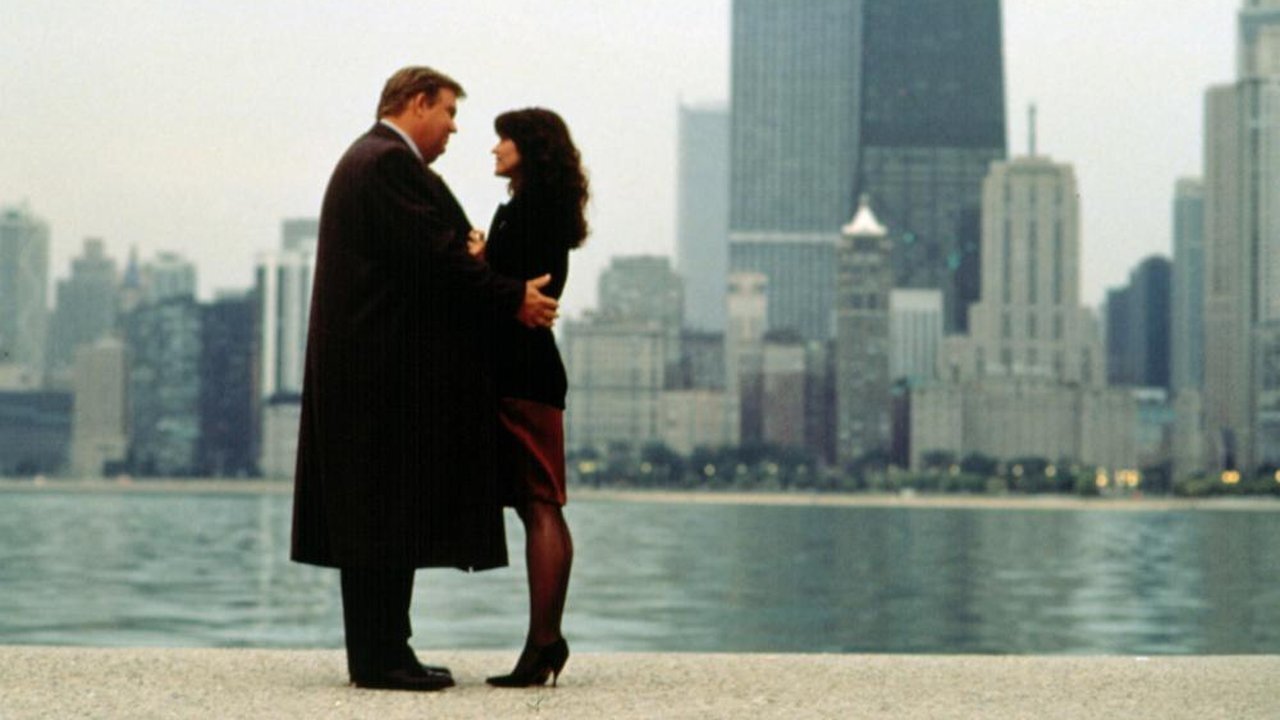
Right from the start, Only the Lonely wraps you in a specific kind of urban atmosphere. This isn't the slick, high-gloss city of many 80s and 90s films; this is Chicago, rendered with a lived-in authenticity by writer-director Chris Columbus, hot off the phenomenal success of Home Alone (1990). The streets feel real, the neighborhood bar (the iconic Emmett's Pub, for those who know their Chicago locations) feels familiar, and the dynamic between Danny and his fiercely Irish mother, Rose (Maureen O'Hara), feels grounded, albeit heightened for comedic and dramatic effect. Danny is a good son, maybe too good, living a life largely dictated by Rose's needs, prejudices, and pronouncements. His world is comfortable, predictable, maybe even a little stagnant. Until, that is, Theresa Luna (Ally Sheedy) walks into his life.
More Than Just Laughs: A Study in Connection
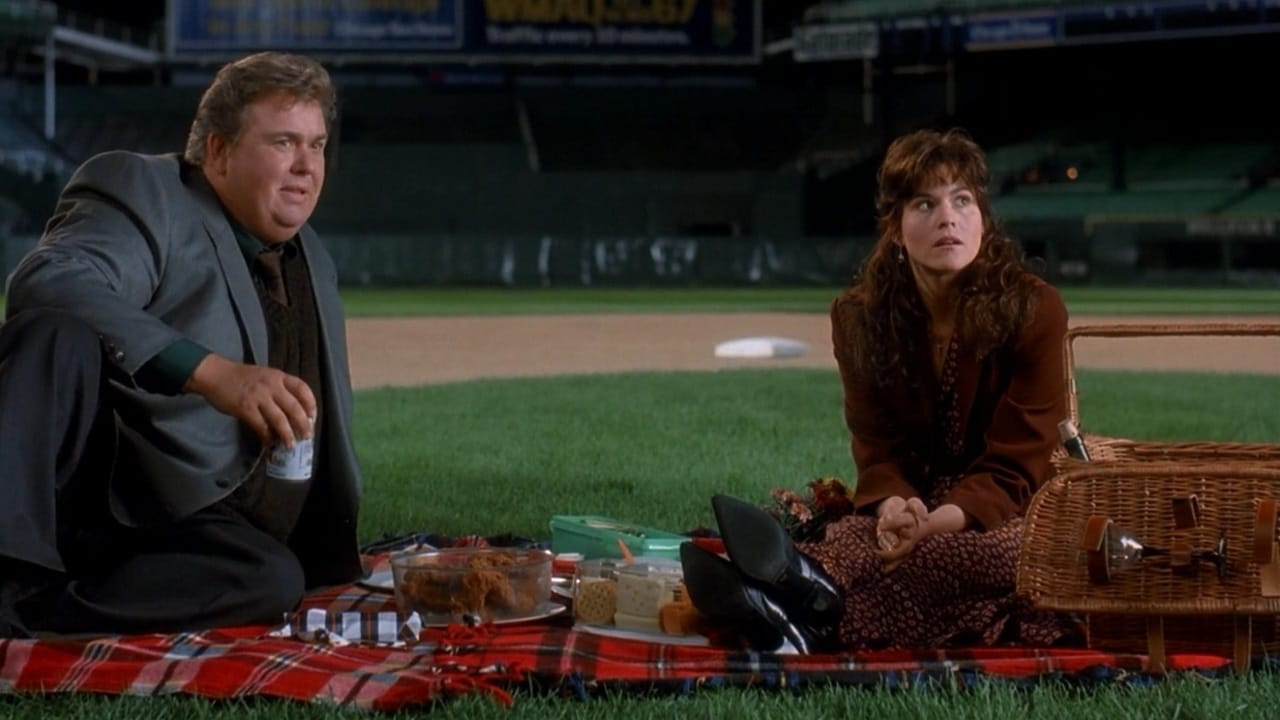
The true magic of Only the Lonely lies in its central performances. Candy delivers something special here. Yes, there are moments of his trademark warmth and humor, but they're filtered through Danny's inherent shyness and deep-seated sense of duty. Watch his eyes when he first connects with Theresa, the tentative hope warring with years of ingrained deference to his mother. It’s a beautifully understated portrayal of a middle-aged man discovering the possibility of a different life, and Candy sells every hesitant step. It felt like a glimpse of a dramatic path he might have explored further, had time allowed.
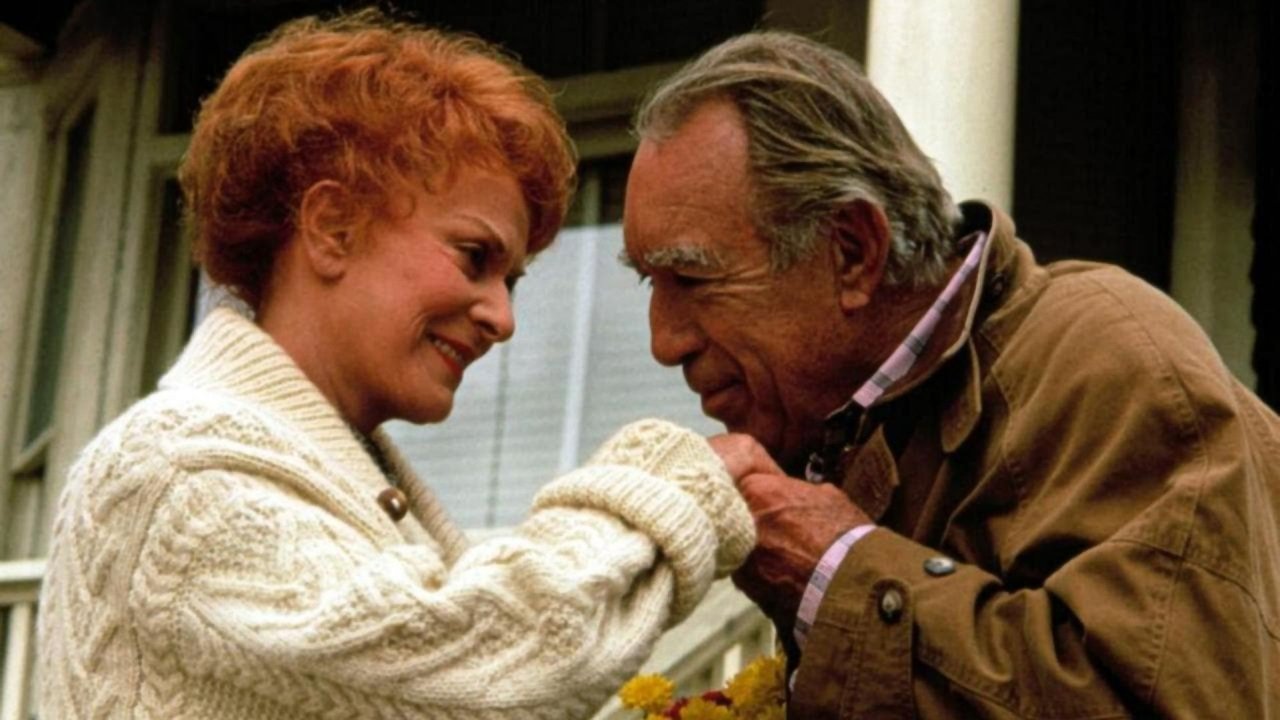
And then there’s Maureen O'Hara. Lured out of a 20-year retirement by John Candy himself (a testament to his charm and the script's appeal), she doesn't just play Rose Muldoon; she inhabits her. Rose is opinionated, casually prejudiced (in ways that sting with uncomfortable realism), manipulative, and deeply lonely herself. O'Hara refuses to soften her edges, making Rose formidable and often infuriating, yet she also allows glimpses of the fear beneath the bluster – the fear of being left alone. It’s a masterful performance, a reminder of the fiery talent that defined her career, and the friction between her and Candy feels utterly believable. It’s the kind of complex mother-son relationship rarely explored with such honesty in mainstream film, especially during that era.
Ally Sheedy, too, deserves recognition. As Theresa, a shy, socially awkward young woman working at her father's funeral home, she provides a perfect counterpoint to the Muldoon household's louder dynamics. There's a quiet strength and acceptance in her performance that makes the romance feel earned. Her scenes with Candy have a gentle, tentative chemistry that’s genuinely touching. Columbus wisely lets these moments breathe, allowing the connection between Danny and Theresa to build naturally.
Columbus's Gentle Hand and Echoes of the Past
Coming between the blockbuster chaos of Home Alone and Mrs. Doubtfire (1993), Only the Lonely feels like a passion project for Chris Columbus. While often drawing comparisons to the classic film Marty (1955) in its themes of a dutiful son finding late-life love, it carves its own identity. Columbus balances the humor – often stemming from Rose's outrageous pronouncements or Danny's awkward attempts at romance – with genuine pathos. He doesn't shy away from the uncomfortable aspects of the family dynamic or the bittersweet reality of letting go. Interestingly, despite the star power and Columbus's recent success, the film wasn't a massive box office hit, grossing just over its $25 million budget. Perhaps its quiet nature and focus on character over high concept made it a tougher sell in the early 90s, but it certainly found its audience on home video – I distinctly remember the worn cover sitting hopefully on the shelf at my local rental spot.
The Weight of Duty, The Hope of Love
What lingers most after watching Only the Lonely isn't just the performances, but the questions it poses. How do we navigate the complex ties of family loyalty? When does devotion become self-sacrifice? Can we truly find our own path without causing pain to those we love? The film doesn't offer easy answers, presenting Rose not as a simple villain but as a product of her time and fears, and Danny not merely as a victim but as someone complicit in his own situation until love forces him to confront it. It’s this nuance, this refusal to paint in broad strokes, that elevates the film beyond a simple romantic comedy. Doesn't that struggle – balancing personal desire with familial expectation – still feel incredibly relevant today?
Rating: 8/10
This score reflects the film's heartfelt performances, particularly from Candy and O'Hara, its authentic atmosphere, and its surprisingly nuanced exploration of complex family dynamics. It successfully blends humor and pathos, creating a character-driven story that feels both specific to its time and universally resonant. While perhaps a touch predictable in its narrative arc, the emotional honesty at its core makes it a standout from the era and a truly affecting piece of filmmaking.
Only the Lonely remains a warm, thoughtful film that offers more than just nostalgia; it offers a genuinely moving portrait of love, loyalty, and the courage it takes to finally live for oneself. It’s a reminder of John Candy's gentle soul behind the laughter, and a triumphant final major screen bow for the legendary Maureen O'Hara. A true gem deserving of rediscovery beyond the blockbuster noise of the early 90s.