Alright, rewind your minds back to the glorious days of Blockbuster aisles, maybe grabbing some pizza bagels for a late-night movie session. Remember that tape with the instantly recognizable cover? Wesley Snipes and Woody Harrelson mid-air over a sun-drenched basketball court? Yeah, you know the one. White Men Can't Jump (1992) wasn't just another sports movie; it was a vibrant, fast-talking slice of early 90s street culture that felt incredibly fresh and real, even through the slightly fuzzy tracking lines on your trusty VCR.

This wasn't your typical Hollywood underdog story. It dropped us right onto the blacktops of Los Angeles, specifically the iconic courts of Venice Beach, where the hustle was as much a part of the game as the jump shot. The film crackles with an energy that’s pure L.A. asphalt – hot, intense, and relentlessly competitive.
### The Hustle is On
At its heart, White Men Can't Jump is about the unlikely, often volatile partnership between Sidney Deane (Wesley Snipes, riding high off films like New Jack City the year before) and Billy Hoyle (Woody Harrelson, proving he was much more than Woody Boyd from Cheers). Sidney is the smooth-talking, supremely confident court king, while Billy is the deceptively skilled white boy hustler, leveraging the very stereotype the title proclaims. Their chemistry is absolutely electric. You believe these guys could simultaneously want to throttle each other and grudgingly respect each other's game. Their rapid-fire trash talk feels less like scripted dialogue and more like eavesdropping on actual players. It’s sharp, witty, often profane, and utterly believable.
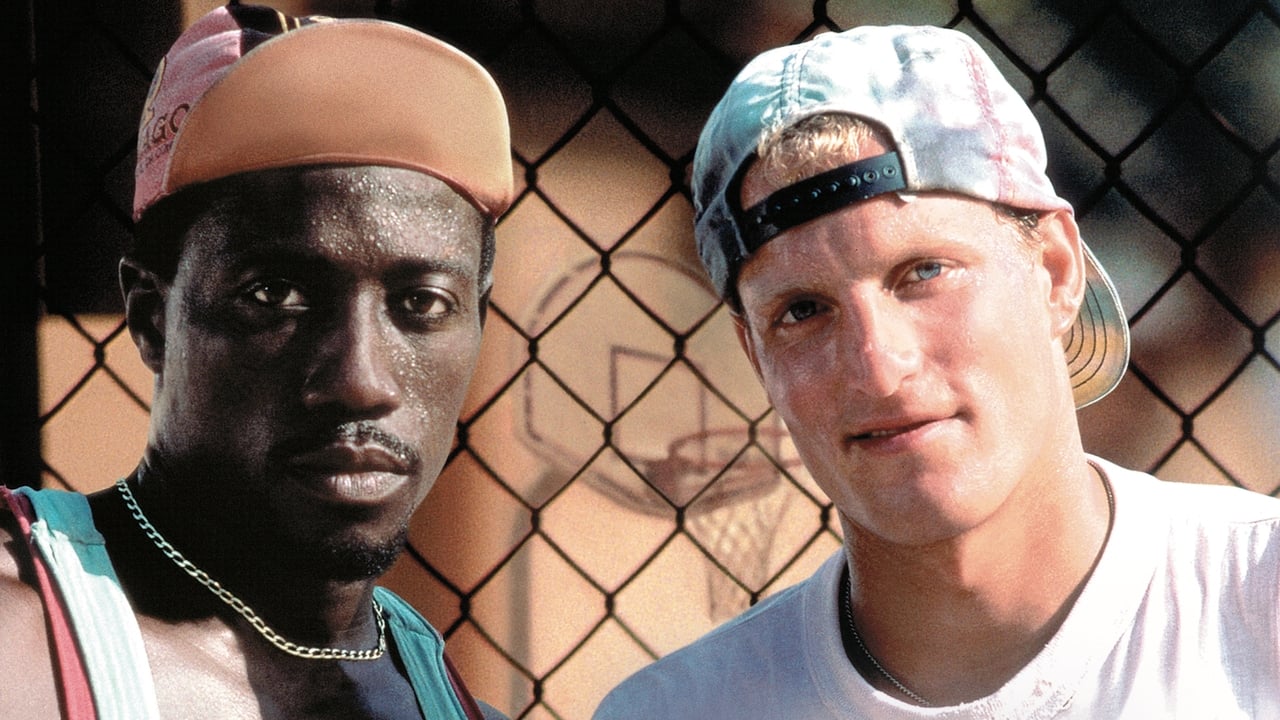
Writer-director Ron Shelton, who knew a thing or two about the authentic grit of sports from his own minor league baseball career and his fantastic work on Bull Durham (1988), absolutely nailed the cadence and rhythm of streetball life. Fun fact: Shelton reportedly got the film's title from hearing actual court chatter, proving his ear for genuine dialogue. He wasn't just making a movie about basketball; he was making a movie that felt like basketball – the ebb and flow, the sudden bursts of action, the constant psychological warfare.
### More Than Just Jump Shots
But let's be clear, this film has layers beyond the pick-up games. Billy's relationship with his girlfriend, Gloria Clemente, played with explosive energy by Rosie Perez in a star-making turn, adds a whole other dimension. Gloria isn't just the supportive girlfriend trope; she's fiercely intelligent, ambitious (her goal: get on Jeopardy!), and often the smartest person in the room. Perez herself contributed significantly to Gloria's character, particularly the Jeopardy! angle and her distinct speech patterns, making Gloria an unforgettable force. Remember how she meticulously drilled Billy on trivia? Their dynamic – his gambling addiction versus her focused dreams – provides the film's crucial emotional anchor. It’s Gloria who often delivers the hard truths, famously telling Billy, "Sometimes when you win, you really lose, and sometimes when you lose, you really win..." Words to live by, even off the court.
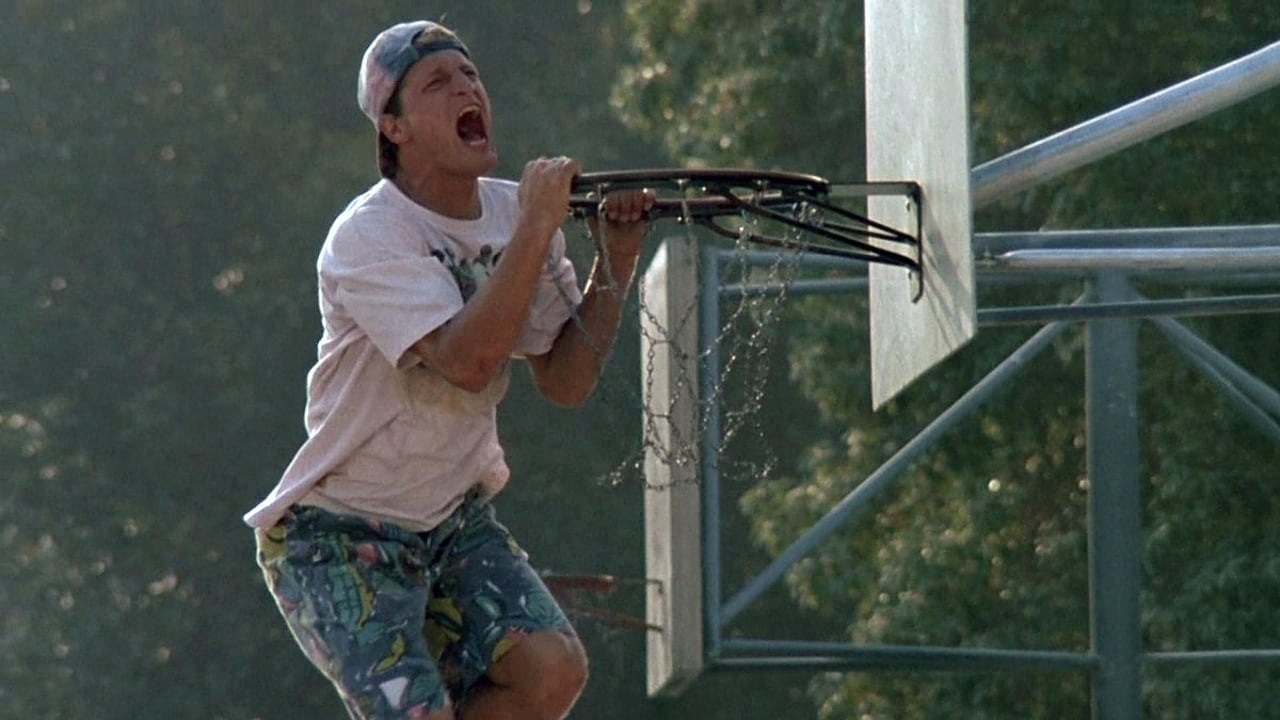
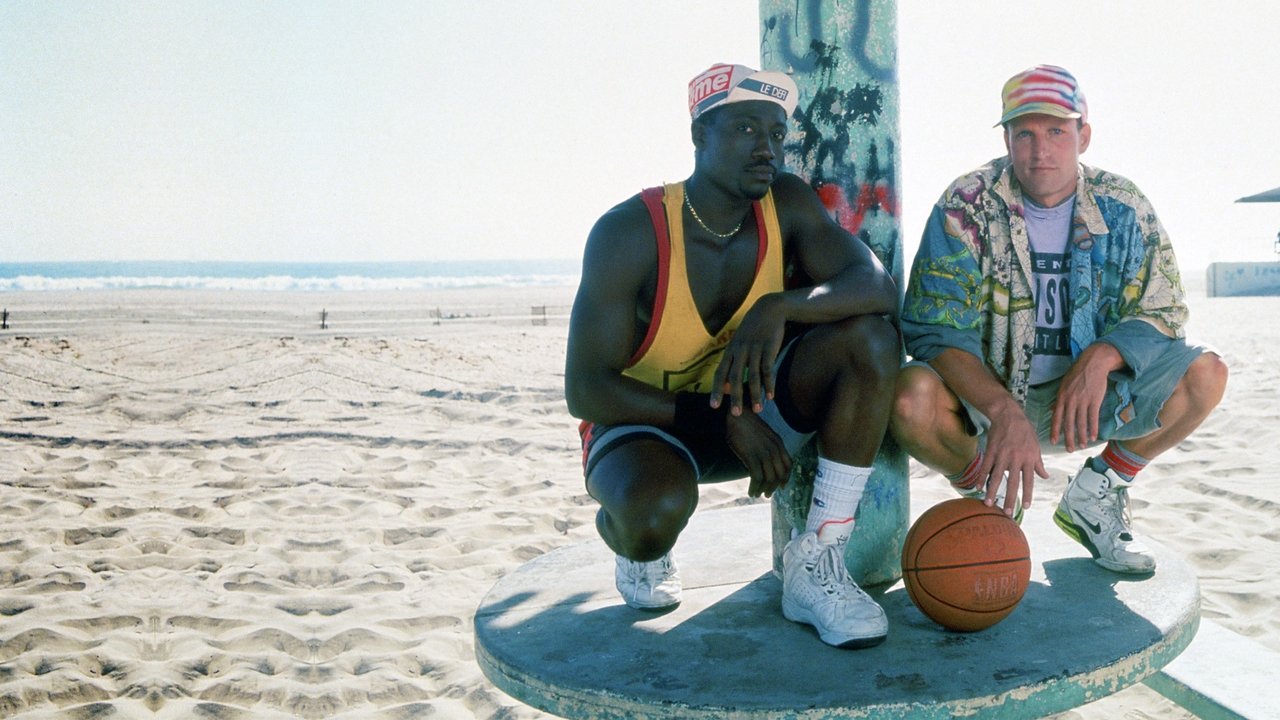
The basketball itself feels refreshingly real for the era. While there aren't massive explosions or car chases here, the "practical effect" is the authenticity of the game. Shelton insisted on casting actors who could actually play, and both Snipes and Harrelson put in the work. While maybe not NBA-level, their skills look legitimate within the context of high-stakes streetball. There’s a tangible physicality to the matches; you feel the sweat, the bumps, the frantic pace. This wasn't relying on flashy editing or slow-motion dramatics (though there's some stylish direction); it was about capturing the raw energy of the game itself, something that CGI today might smooth out, losing that gritty texture we loved on VHS. Reportedly, the actors often gambled amongst themselves between takes, keeping that competitive spirit alive off-camera too!
### That Early 90s Vibe
Watching White Men Can't Jump now is like opening a time capsule. The baggy shorts, the vibrant Kente cloth patterns worn by Sidney, the specific slang, the awesome R&B and hip-hop soundtrack – it screams early 90s in the best possible way. It captured a cultural moment where streetball was gaining mainstream visibility. Filmed primarily on location in Los Angeles, it used the city itself – from the beaches to the inner-city courts – as a vital character.
The film was a significant hit back in '92, pulling in over $90 million worldwide against a roughly $31 million budget (that's like making close to $200 million today – a solid score!). Critics largely praised the sharp writing and the lead performances, recognizing it as something smarter and more nuanced than a typical sports comedy. It quickly became a staple in video stores everywhere, a tape passed between friends, endlessly quotable.
***
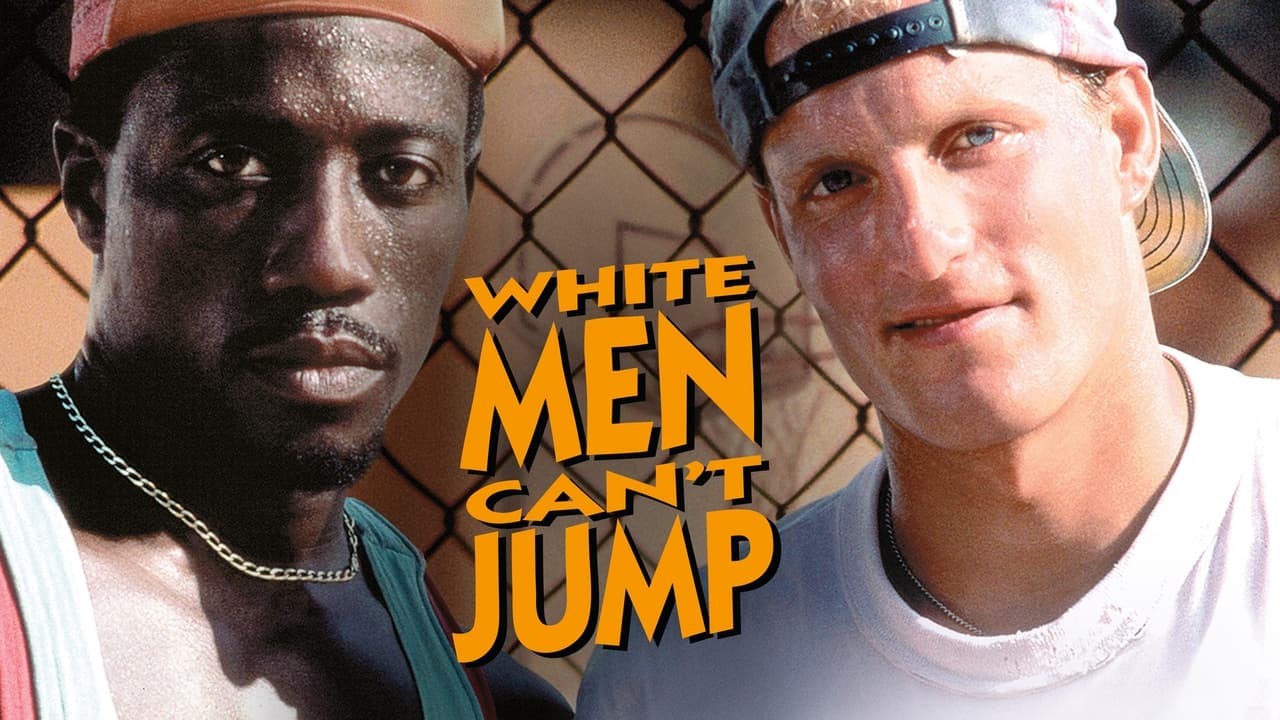
VHS Heaven Rating: 9/10
Justification: This rating reflects the film's brilliant script, unforgettable performances (especially the core trio), authentic portrayal of its milieu, and its enduring cultural impact. The dialogue crackles, the chemistry is off the charts, and Ron Shelton crafted a sports movie that’s really about character, pride, and relationships. It loses a single point perhaps only because the central conflict relies a touch heavily on Billy repeatedly making the same mistake, but even that feels true to his flawed character.
Final Thought: White Men Can't Jump is more than just a catchy title; it’s a perfectly preserved snapshot of early 90s cool, fueled by lightning-in-a-bottle chemistry and dialogue sharper than a behind-the-back pass. A true VHS gem that proves sometimes, the best action is in the hustle and the heartbreak, not just the slam dunk. Still plays great, even without the tracking adjustment.