It starts not with a bang, but with the simmering, chaotic warmth of too many people sharing too small a space, physically and emotionally. Lukas Moodysson's Together (Swedish: Tillsammans, 2000) invites us into the heart of a 1975 Stockholm commune, not as detached observers, but almost as reluctant housemates ourselves. Even though it technically arrived at the dawn of the DVD era, this film has always felt like one of those cherished, slightly dog-eared VHS discoveries – the kind you'd find tucked away in the "World Cinema" section, promising something different, something real. And different it certainly is.
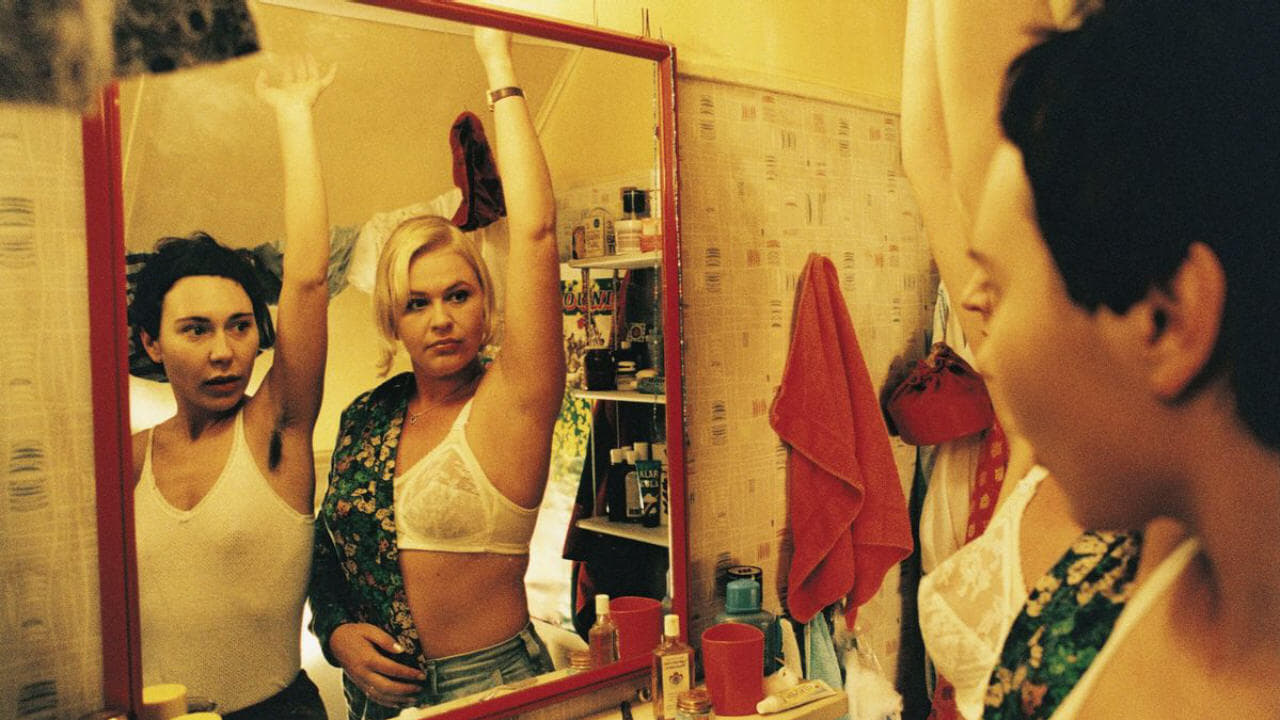
Welcome to the Collective
The setup is simple yet rich with potential: Elisabeth (Lisa Lindgren), bruised and seeking refuge from her abusive husband Rolf (Michael Nyqvist), arrives with her two children, Eva and Stefan, at the doorstep of her brother Göran (Gustaf Hammarsten). Göran is the impossibly gentle, conflict-averse heart of "Tillsammans," a commune overflowing with leftist political ideals, free love experiments, questionable vegetarian cuisine (no meat!), and a distinct lack of personal boundaries. The house is a microcosm of societal growing pains – idealism rubbing awkwardly against messy human nature. Remember that feeling of walking into a party where you know no one? Elisabeth’s arrival throws the commune's delicate, often contradictory, ecosystem into sharp relief.
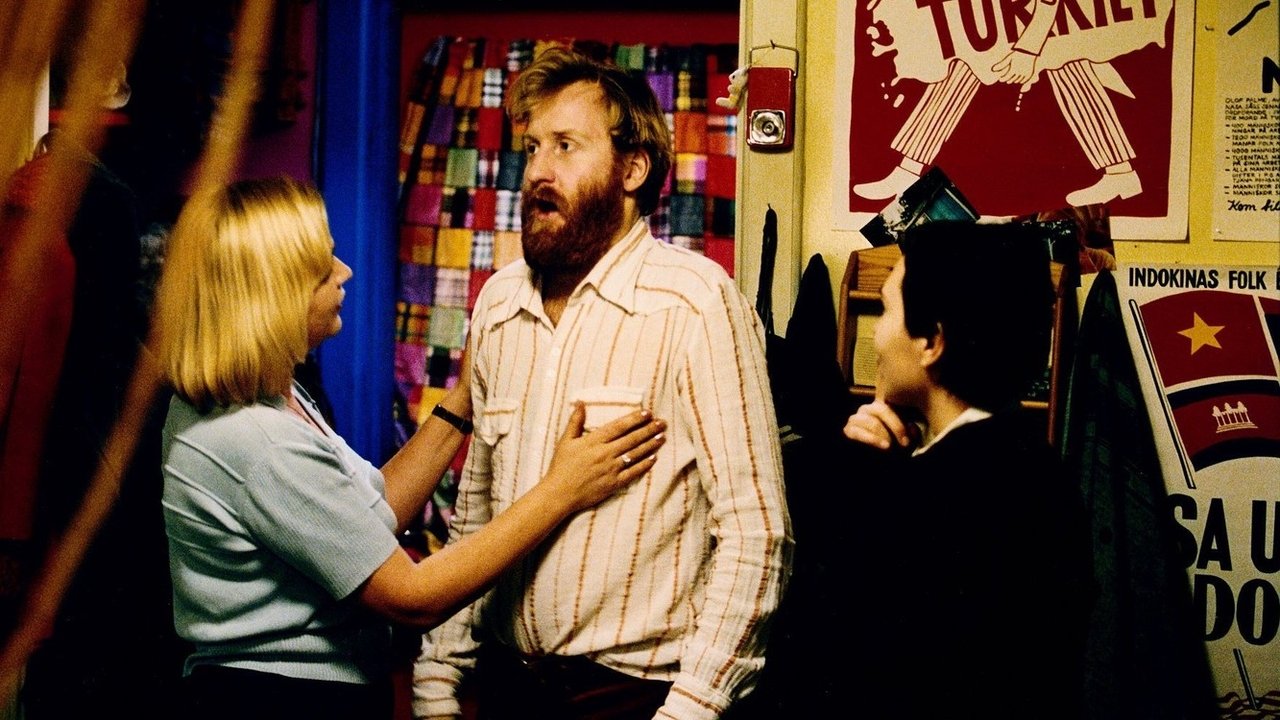
What makes Together resonate so deeply, even now, isn't just the spot-on recreation of 1975 – the questionable wallpaper, the corduroy flares, the intense political debates over breakfast cereal. It's the film's profound understanding of the gap between the theories we espouse and the lives we actually live. The commune members preach solidarity and openness, yet struggle profoundly with jealousy, loneliness, and communicating their own needs. We see arguments about washing dishes escalate into existential crises, and debates about Pippi Longstocking reveal deeper political fissures. It’s funny, yes, but it’s the kind of laughter born from uncomfortable recognition.
Finding Humanity in the Mess
Lukas Moodysson, who had already captured the ache of adolescence so perfectly in Show Me Love (1998, Fucking Åmål), directs with a remarkable blend of empathy and clear-eyed observation. He never mocks his characters, even at their most absurd. Instead, he finds the vulnerability beneath the dogma. Gustaf Hammarsten's Göran is a masterpiece of gentle frustration, a man whose desire for harmony makes him almost incapable of assertion, particularly with his more assertive, free-spirited girlfriend Lena (Anja Lundqvist). His quiet pain is palpable.
And then there's Michael Nyqvist, years before his international breakout in The Girl with the Dragon Tattoo (2009), delivering a raw, unsettling performance as Rolf. He’s volatile, pitiful, and frighteningly familiar – a man whose traditional masculinity has no place in this new world, leaving him adrift and prone to lashing out. The scenes between him and Elisabeth crackle with unresolved tension and the painful history they share. Lisa Lindgren, as the film's anchor, provides the crucial outsider's perspective, her initial bewilderment slowly giving way to a complex mix of exasperation, affection, and gradual self-discovery. The children, often overlooked in ensemble pieces, are given real agency here, their observations frequently cutting through the adult pretensions with startling clarity.
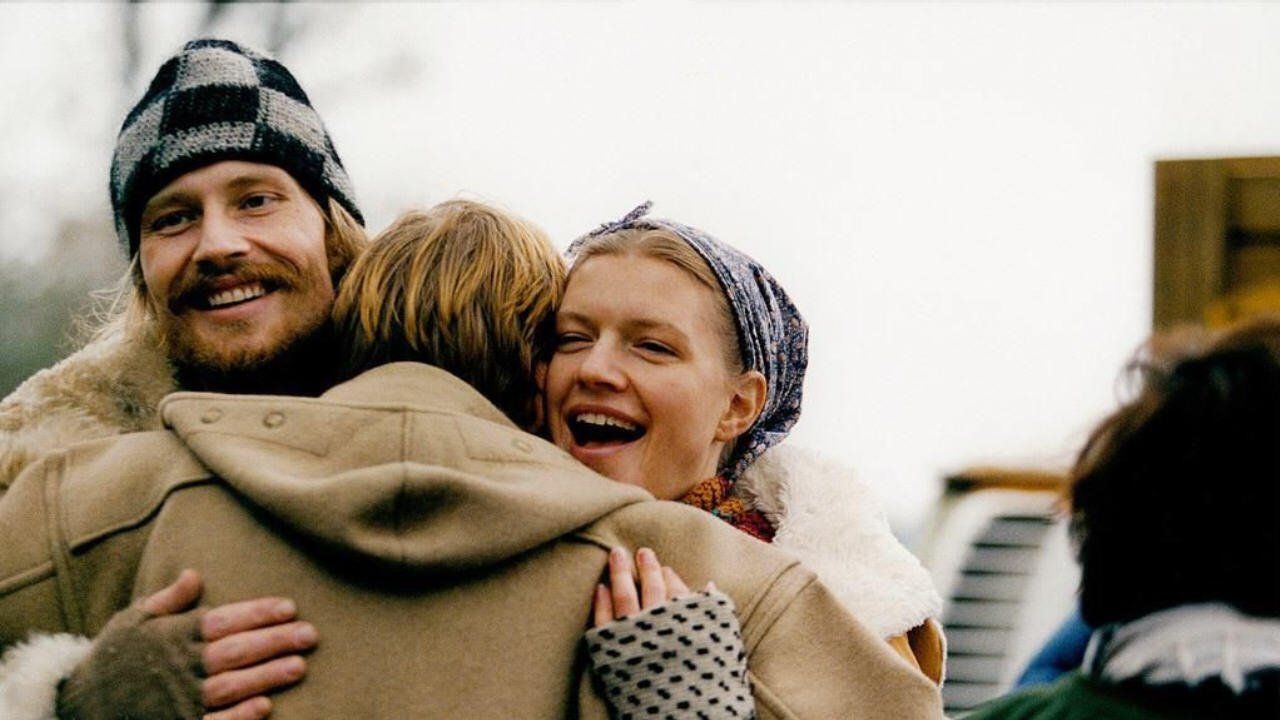
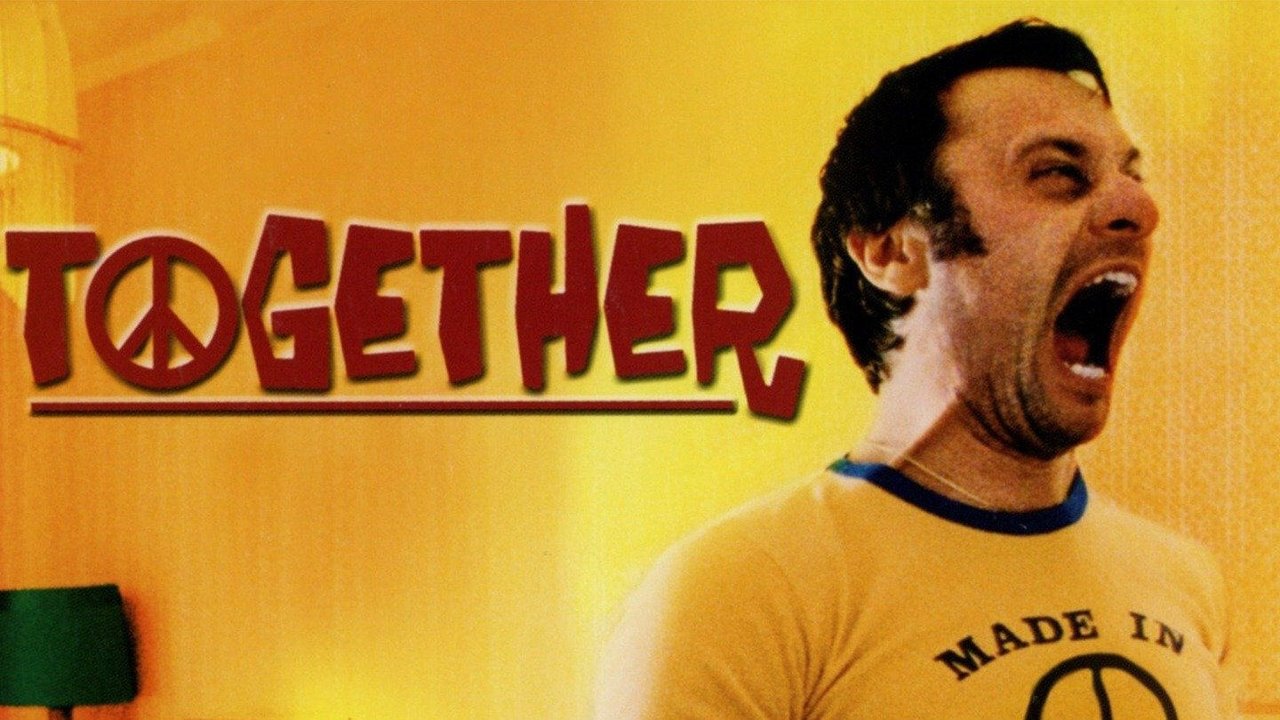
Retro Fun Facts: Inside the Commune
- ABBA Under Debate: One of the film's most memorable (and funniest) scenes involves a heated argument about whether listening to ABBA is bourgeois or acceptable working-class pop. Moodysson actually secured the rights to use "SOS," a major coup, adding a layer of authentic 70s pop culture reality amidst the political theory. It beautifully highlights the clash between prescribed ideology and simple human enjoyment.
- The Moodysson Touch: Moodysson wrote the screenplay himself, drawing on a deep well of empathy for flawed characters. His direction often employs handheld cameras and naturalistic lighting, immersing the viewer directly into the cramped, bustling life of the commune, making it feel less like a movie set and more like a documentary unfolding.
- International Connection: While deeply Swedish in its specifics, Together found a significant international audience. Its themes of community, family, and the struggle to connect resonated globally, proving that human comedy and drama transcend cultural borders. It became one of Sweden's most successful film exports of its time.
- Casting Authenticity: The ensemble cast features many actors who became mainstays of Swedish cinema. Their naturalistic interplay feels utterly genuine, contributing immensely to the film's lived-in atmosphere. There's a distinct lack of Hollywood gloss, which is precisely its strength.
The Ache of Belonging
What lingers most after the credits roll on Together isn't just the laughter or the cringe-inducing moments, but a profound sense of warmth and melancholy. It’s a film about the inherent messiness of human connection, the near-impossible dream of true community, and the quiet tragedies and triumphs that happen when people simply try to live alongside one another. It asks, without easy answers: What does it truly mean to be "together"? Can we reconcile our ideals with our desires? Can we build new families when old ones break?
The film doesn't offer neat resolutions. Relationships remain complicated, political ideals remain debated, and the future is uncertain. Yet, there's a resilient strand of hope woven throughout – a sense that even amidst the chaos and misunderstandings, the impulse to connect, to care, to simply be with others, persists. It captures that specific, bittersweet feeling of finding unexpected kinship in the most unlikely of places.

Rating: 9/10
Together earns this high score for its exceptional ensemble cast delivering deeply authentic performances, Lukas Moodysson's masterful blend of humor and pathos, its insightful exploration of complex human relationships, and its pitch-perfect evocation of an era's specific ideals crashing against universal human truths. It avoids easy sentimentality, offering instead a rich, nuanced, and incredibly moving portrait of flawed people trying, and often failing, to build a better world, or at least find their place in it.
It’s a film that reminds us, with a wry smile and a gentle nudge, that perhaps the most radical act of all is simply learning to tolerate, and maybe even love, the imperfections in ourselves and others. A true gem that feels both incredibly specific to its time and place, and utterly timeless.