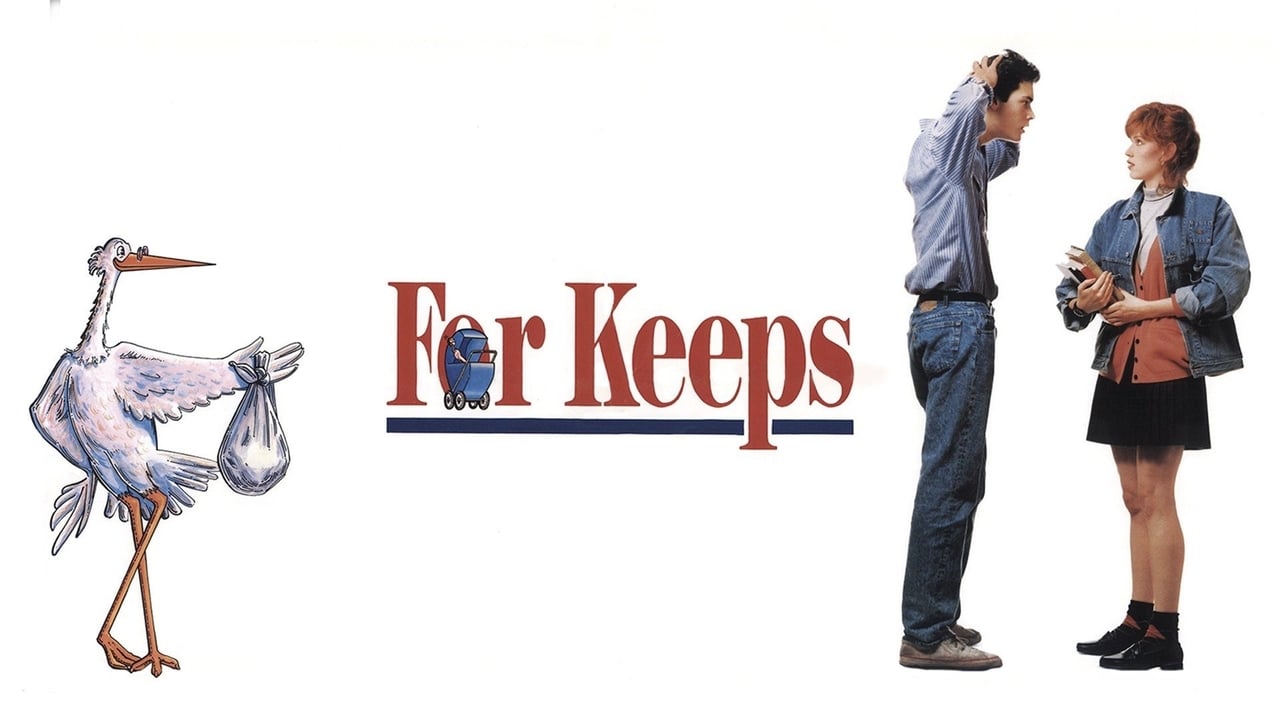
It wasn't quite the prom night fantasy, was it? Slipping that For Keeps tape into the VCR often came after exhausting the brighter, poppier hues of the John Hughes shelf at the video store. Seeing Molly Ringwald, forever etched in our minds as the thoughtful Samantha Baker or the complex Claire Standish, grappling with the seismic life shift of teenage pregnancy felt… different. Heavier. This 1988 film, directed by a filmmaker known for triumphant underdogs, dared to ask what happens after the initial shock wears off, when the reality of unexpected responsibility settles in like a long winter.
### Beyond the Locker-Lined Halls
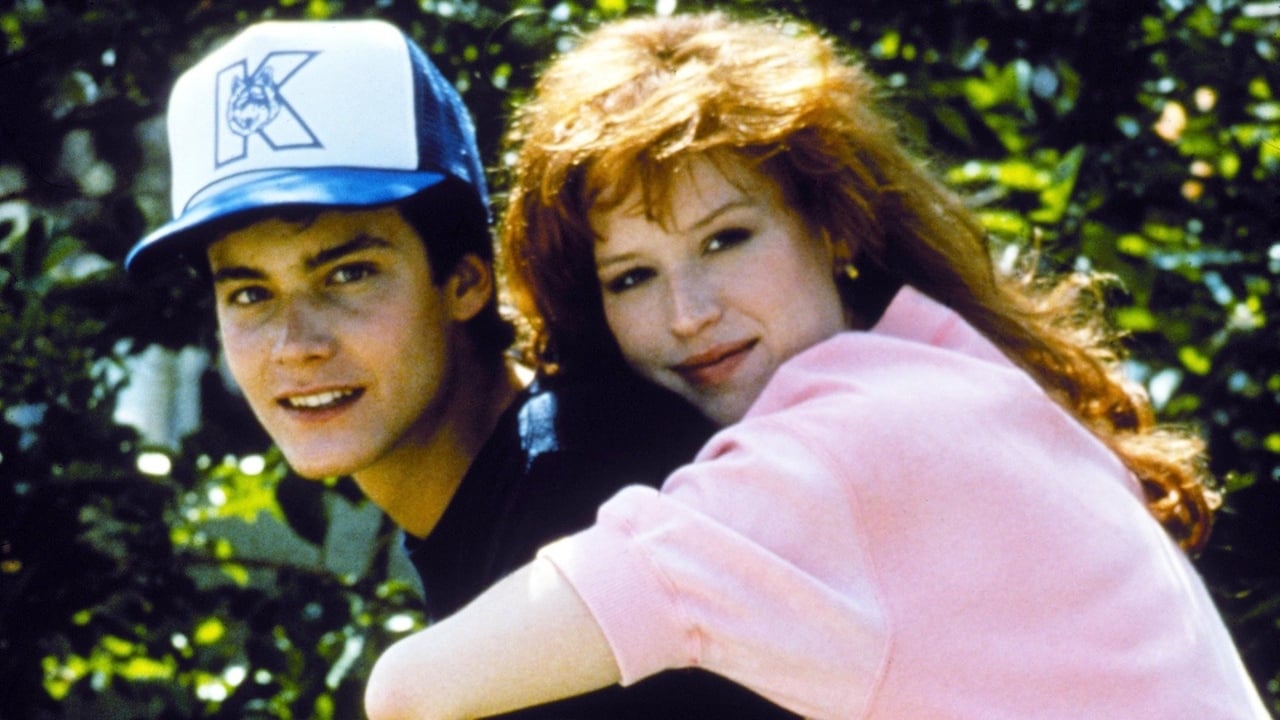
For Keeps introduces us to Darcy Elliot (Molly Ringwald) and her long-term boyfriend Stan Bobrucz (Randall Batinkoff). They’re bright high school seniors, stars in their respective fields – Darcy the editor of the school paper, Stan an architecture hopeful – with college plans and promising futures mapped out. They are deeply in love, their relationship portrayed with a comfortable intimacy that feels genuine. But their carefully constructed world shatters when Darcy discovers she's pregnant. The film pivots sharply here, moving from the familiar territory of teen romance into the far more challenging landscape of adult decisions forced upon young shoulders.
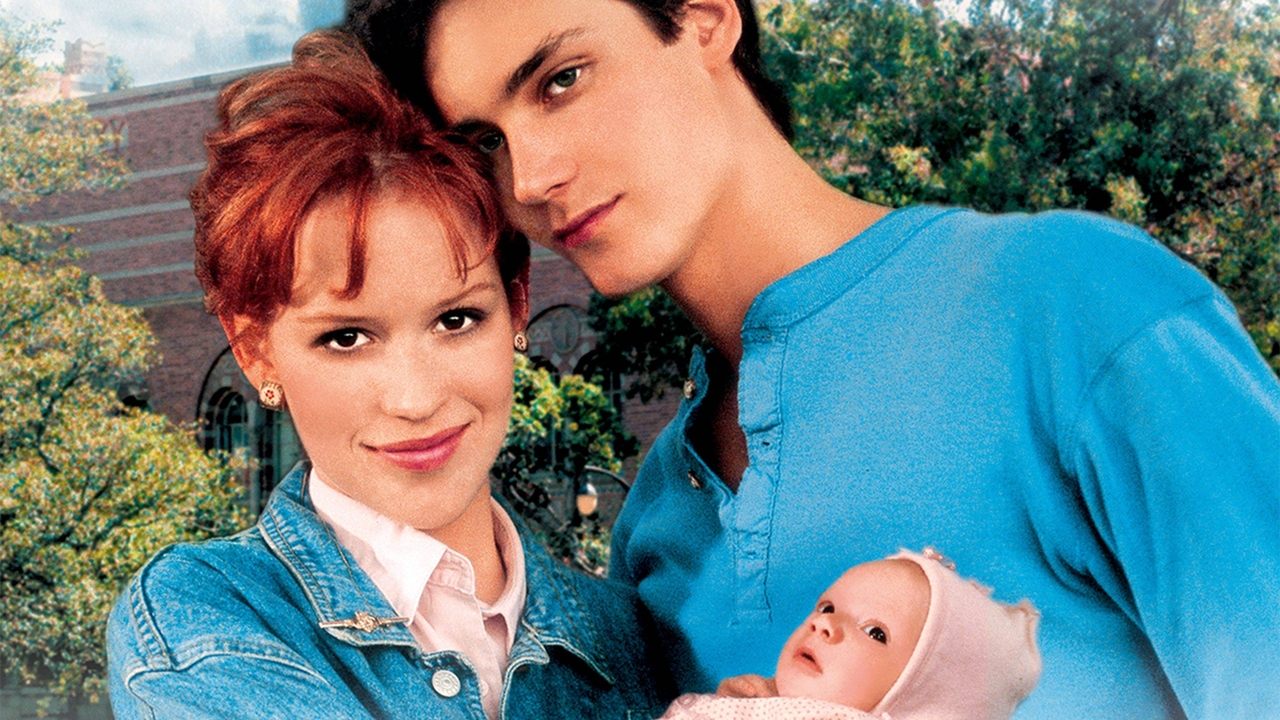
What follows isn't glossed over. We see the awkward, painful conversations with parents – Darcy's divorced, supportive-but-worried mother (played with warmth by Miriam Flynn, familiar as the mom from National Lampoon's Vacation (1983)) and Stan's devoutly Catholic, initially unyielding family (Kenneth Mars offers a memorable turn as Stan's imposing father). We witness the couple's decision to keep the baby, get married, and somehow juggle school, work, and impending parenthood. The film doesn't shy away from the sheer exhaustion, the financial strain, the arguments born of stress and fear. It’s a stark departure from the often-idealized portrayals of high school life prevalent in the era.
### Anchored by Authenticity
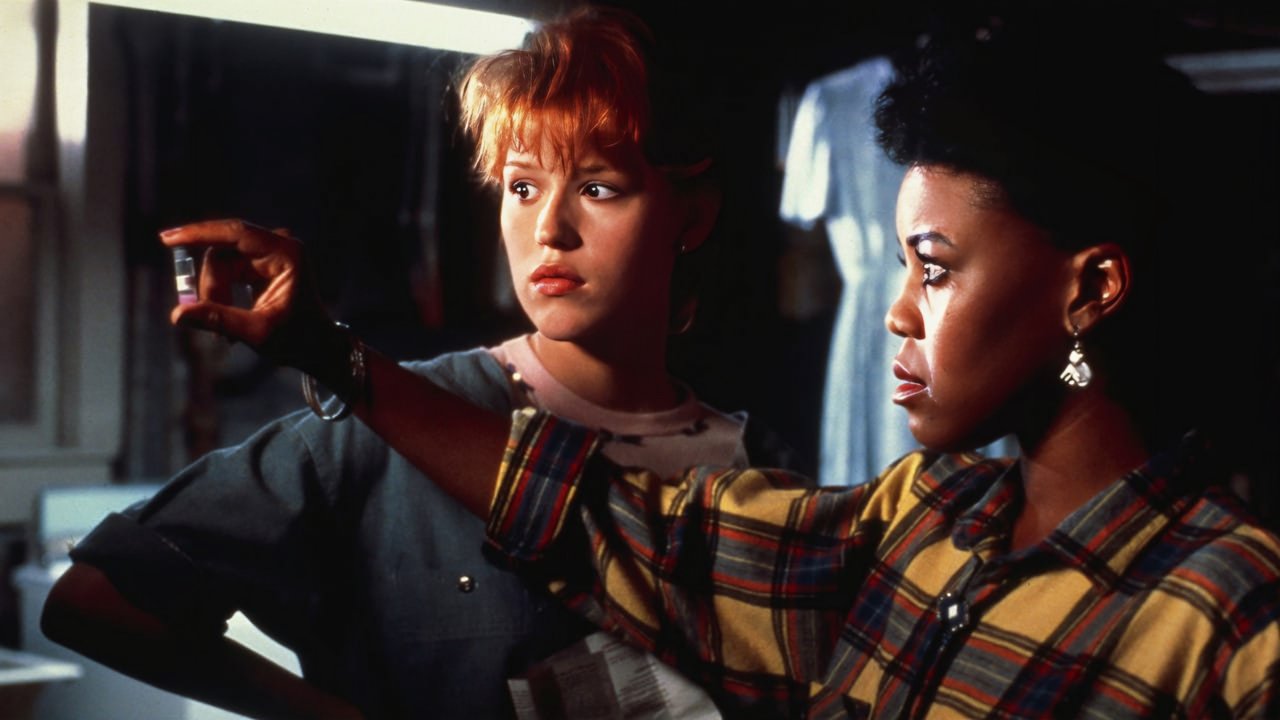
The film rests heavily on the shoulders of its young leads, and both Molly Ringwald and Randall Batinkoff deliver performances that ground the sometimes-melodramatic turns of the plot. Ringwald, stepping deliberately away from her Hughesian persona, conveys Darcy’s fierce determination mixed with vulnerability. You see the flicker of fear behind her eyes even as she puts on a brave face. It was a challenging role, and Ringwald, only 19 at the time of filming, navigates it with considerable maturity. Reportedly, she initially hesitated over the script, feeling it needed work, but ultimately trusted director John G. Avildsen to handle the sensitive subject matter respectfully.
Randall Batinkoff, in one of his earliest major roles, is perhaps the film's quiet revelation. He portrays Stan not as a deadbeat or a saint, but as a fundamentally decent young man completely overwhelmed by the situation. His journey from carefree teen to struggling husband and father feels earned. There's a scene where he's trying to balance studying, a low-wage job, and Darcy's needs, and the sheer weight of it all is palpable in his slumped shoulders and weary expression. It's a performance that resonates with a quiet truthfulness.
### Avildsen's Underdog Touch
Bringing John G. Avildsen aboard was an interesting choice. Known for crafting triumphant narratives of overcoming adversity like Rocky (1976) and The Karate Kid (1984), he applies a similar lens here, albeit to a much more domestic and arguably more complex struggle. There's no single knockout punch or crane kick to solve Darcy and Stan's problems. Instead, Avildsen focuses on the daily grind, the small victories, and the accumulating pressures. He shoots the film with a straightforward, unfussy style that emphasizes the realism of their situation. The locations – primarily Kenosha, Wisconsin, and Winnipeg, Manitoba (standing in for Wisconsin) – feel ordinary, lived-in, adding to the film's grounded atmosphere. You get the sense Avildsen, who often championed the working man, saw Darcy and Stan as fighters in their own right, battling societal expectations and economic hardship.
While the film aimed for realism, it wasn't without its challenges or criticisms. Some commentators at the time felt it leaned towards a specific stance on abortion, though the filmmakers maintained they were simply telling one couple's story. Writers Tim Kazurinsky (a Saturday Night Live alum, intriguingly) and Denise DeClue crafted a narrative that, while occasionally relying on convenient plot points or moments of heightened drama, largely succeeds in portraying the emotional and practical difficulties faced by young parents. It’s worth noting the film had a modest budget, reportedly around $10 million, and performed respectably at the box office, pulling in about $18 million – suggesting its themes resonated with audiences, even if it wasn't a blockbuster smash.
### Lasting Impressions in the Rewind
Watching For Keeps today, nestled amongst the brighter, often simpler teen films of the 80s on the virtual VHS shelf, its earnestness stands out. Yes, some elements feel dated – the fashion, the occasional didactic dialogue – but the core emotional struggle remains relevant. It was one of the few mainstream films of its time willing to look beyond the meet-cute and explore the messy, difficult, and often unglamorous reality of building a life together under challenging circumstances. It treated its young characters and their predicament with a seriousness that was often lacking in the genre. Doesn't that attempt, even with its imperfections, deserve recognition? It forced a conversation, perhaps imperfectly, about choices and consequences that felt miles away from the escapism usually offered at the local video rental spot. I remember renting it, maybe expecting another Ringwald romance, and feeling distinctly more contemplative after the credits rolled.
Rating: 7/10
This score reflects the film's sincere attempt to tackle a difficult subject with grounded performances from Molly Ringwald and Randall Batinkoff, elevated by John G. Avildsen's empathetic direction. While it sometimes succumbs to the melodramatic tendencies of the era and certain plot points feel contrived, its core emotional honesty and willingness to portray the unvarnished struggles of young parenthood give it a weight that many contemporary teen films lacked. It earns its place as a notable, if sometimes uncomfortable, entry in the 80s cinematic landscape.
For Keeps lingers not as a cautionary tale or a simple romance, but as a reminder that sometimes the biggest fights aren't in the ring or on the mat, but in the quiet moments of trying to build a future when the blueprint suddenly changes.