There's a certain kind of raw vulnerability that permeates Say Anything..., a feeling that settles deep in your chest long after the final credits roll. It’s a film that, even decades later, feels less like a perfectly constructed narrative and more like catching fragments of intensely real conversations, glimpsing the terrifying, exhilarating landscape of first love with all its awkwardness and unfiltered honesty. Released in 1989, it arrived at the tail end of a decade often defined by cinematic excess, yet its power lies in its quiet sincerity, its focus on the spaces between the grand pronouncements.
An Unlikely Connection
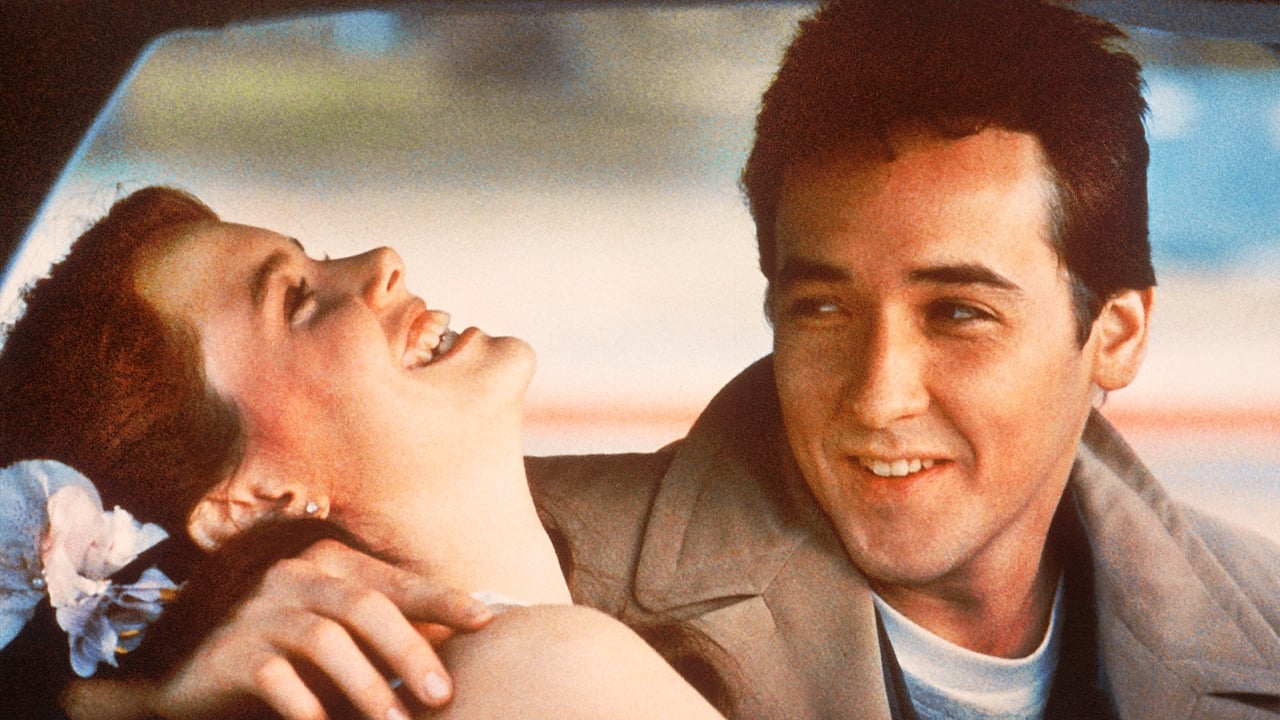
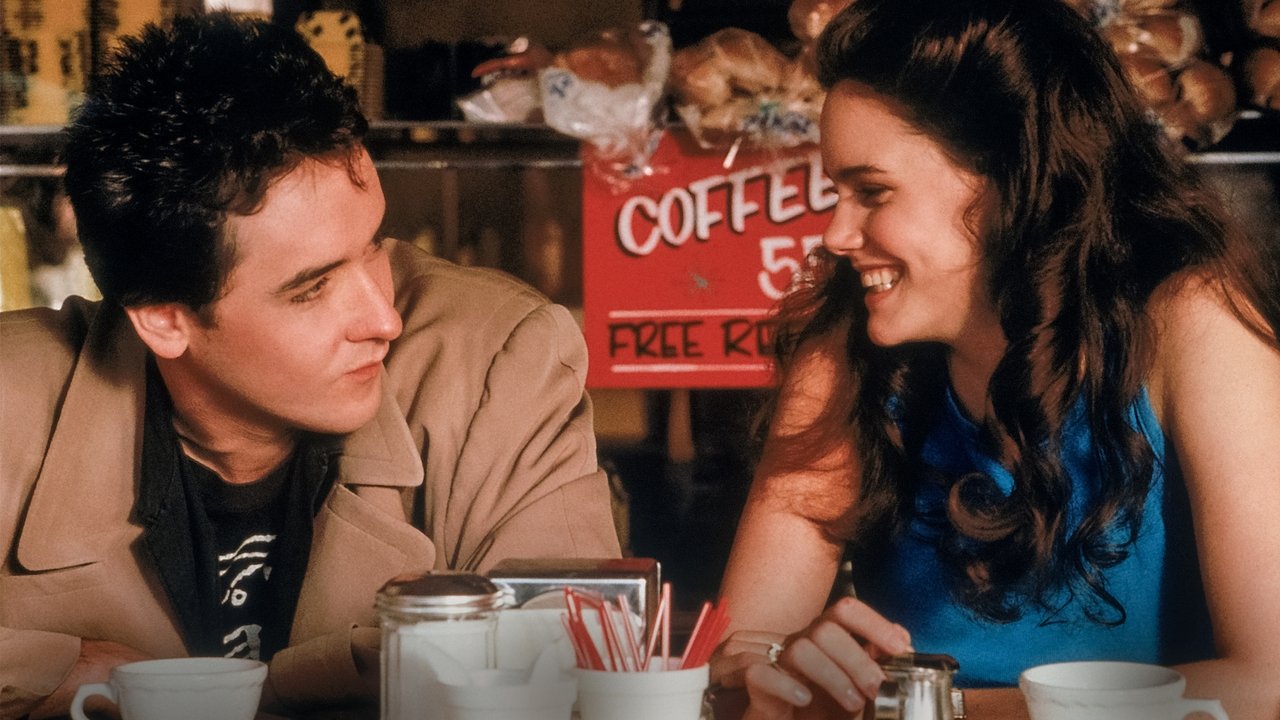
At its core, the film is about the improbable romance between Lloyd Dobler (John Cusack) and Diane Court (Ione Skye). He’s the quintessential optimistic underachiever, directionless but brimming with earnest charm, whose primary post-graduation goal is simply to be with her. She's the brilliant, focused valedictorian, seemingly destined for greater things, sheltered by her doting father. It’s a classic mismatch on paper, yet Cameron Crowe, in his remarkable directorial debut, paints their connection with such delicate strokes that it feels utterly believable. Crowe, already known for his sharp writing on films like Fast Times at Ridgemont High (1982), demonstrates an incredible ear for authentic dialogue here, capturing the hesitant rhythms and sudden bursts of feeling that define young relationships. There’s a purity to their interactions, a sense that they are figuring things out moment by moment, just like we all did.
The Enduring Appeal of Lloyd Dobler

What makes Lloyd Dobler such an enduring character? Played with unforgettable heart by John Cusack, Lloyd isn't your typical 80s movie hero. He lacks swagger, his ambition is nebulous ("I don't want to sell anything, buy anything, or process anything as a career. I don't want to sell anything bought or processed, or buy anything sold or processed..."), and his defining characteristic is a kind of hopeful integrity. Cusack embodies this perfectly. He is Lloyd – nervous energy coiled beneath a trench coat, eyes wide with sincerity, his pursuit of Diane driven not by conquest but by genuine admiration and affection. Apparently, Crowe had Cusack in mind from the start, having been impressed by his earlier work, and it's impossible to imagine anyone else in the role. Even Lloyd's dedication to the "sport of the future," kickboxing, feels less like a macho pursuit and more like a quirky outlet for his earnest intensity. He’s relatable not because he’s cool, but because he’s real – flawed, uncertain, but utterly decent.
More Than Just Young Love
While the central romance is captivating, Say Anything... gains significant emotional weight from the storyline involving Diane and her father, Jim, portrayed with devastating nuance by the late, great John Mahoney. Mahoney, bringing the gravitas of his Steppenwolf Theatre background, crafts a character who is outwardly charming and supportive, the seemingly perfect single dad. The slow reveal of his ethical compromises, his desperate attempts to maintain Diane’s idealized image of him, adds a layer of adult complexity and heartbreak that elevates the film far beyond a simple teen romance. His betrayal casts a long shadow, forcing Diane to confront uncomfortable truths about loyalty, morality, and the imperfections of those we love. Doesn't this dynamic – the disillusionment that can come with seeing our parents as fallible humans – resonate across generations?
That Scene, That Song
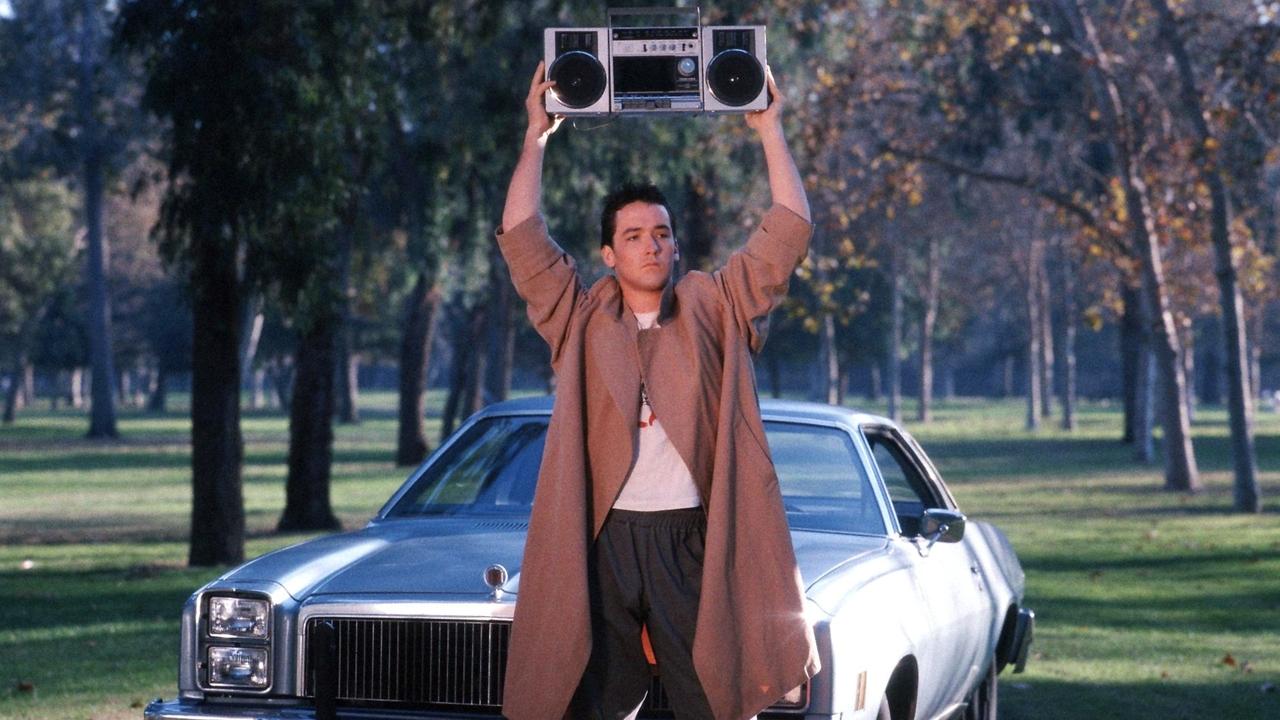
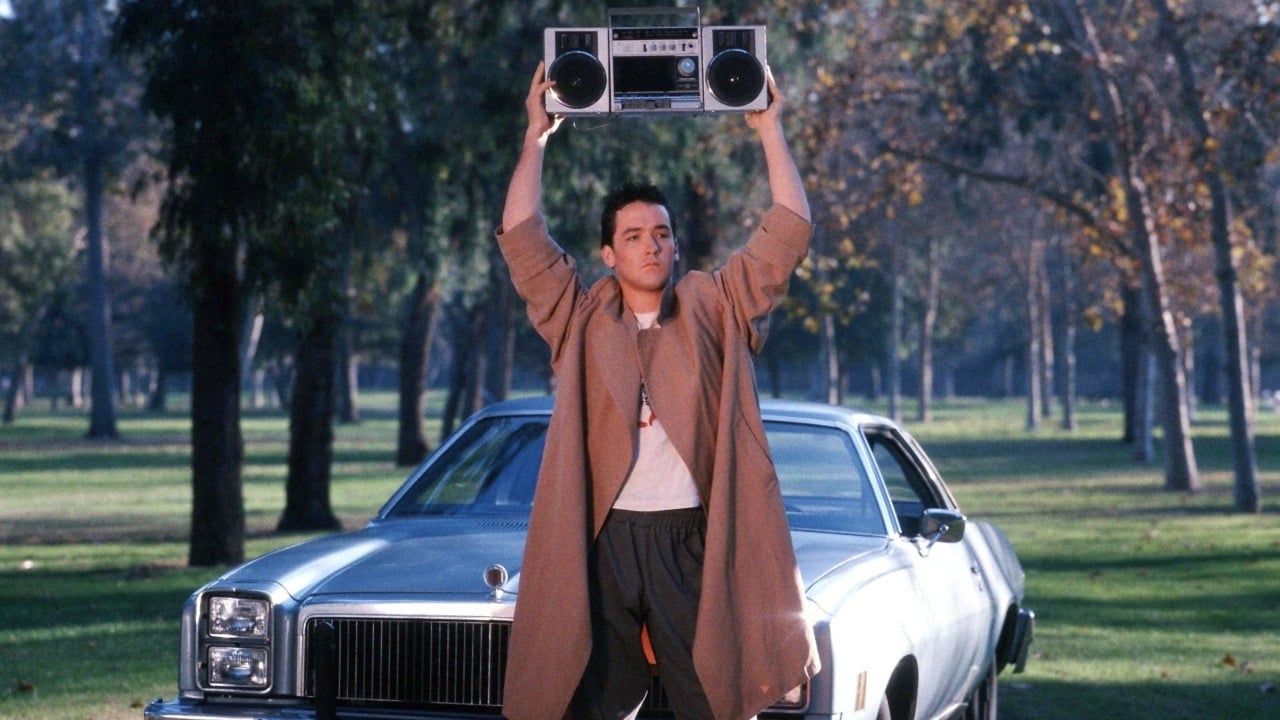
Of course, you can't discuss Say Anything... without mentioning the scene. Lloyd, boombox held aloft, blasting Peter Gabriel's "In Your Eyes" outside Diane's window. It’s become shorthand for the grand romantic gesture, imitated and parodied countless times. But why does it still hold such power? It’s not just the gesture itself, but the raw emotion behind it – the desperation, the vulnerability, the refusal to give up. It’s a moment of pure, unadulterated feeling. Interestingly, Cusack reportedly wasn't initially sold on the scene, feeling it made Lloyd seem too passive and stalker-ish. Crowe had to convince him of its power as a symbol of Lloyd's unwavering devotion. And the song choice itself wasn't immediate; several others were tried before landing on Gabriel's soulful masterpiece, which now feels inseparable from the image. Seeing it back then, maybe on a slightly worn Blockbuster VHS tape, it felt monumental – a defining moment in cinematic romance.
A Legacy of Honesty
Shot mostly around Los Angeles on a modest budget of around $16 million, Say Anything... wasn't a box office juggernaut ($21.5 million domestic gross), but its reputation has only grown over time. It stands apart from many of its contemporaries by largely avoiding easy stereotypes and sitcom scenarios. It treats its characters and their emotions with respect, acknowledging the messiness and confusion of growing up and falling in love. It asks us to consider what truly matters – integrity, connection, the courage to be vulnerable. What lingers most after the film ends isn't just the romance, but the quiet strength found in honesty, even when it’s painful.
Rating: 9/10
This rating reflects the film's exceptional performances, particularly from Cusack and Mahoney, Crowe's insightful writing and sensitive direction in his debut, and its enduring emotional honesty. It perfectly captures a specific, bittersweet moment of transition – the end of high school, the cusp of adulthood, the terrifying leap of faith that is first love. While firmly rooted in its time, its core themes remain remarkably relevant.
Say Anything... remains a high watermark for teen films and romantic dramas precisely because it dares to be quiet, complex, and deeply human. It’s a reminder that sometimes, the most profound statements aren't shouted, but simply felt, held aloft like a boombox against the twilight sky.