The whispers preceded the tape itself. Long before the internet could instantly confirm or debunk the darkest rumors, certain films existed primarily as legends passed between dedicated cinephiles in hushed tones, often accompanied by grainy, nth-generation VHS copies traded like contraband. Men Behind the Sun (1988) was one such legend – a film spoken of not with fondness, but with a kind of horrified reverence. It promised horrors grounded not in fantasy, but in the chillingly documented atrocities of history.
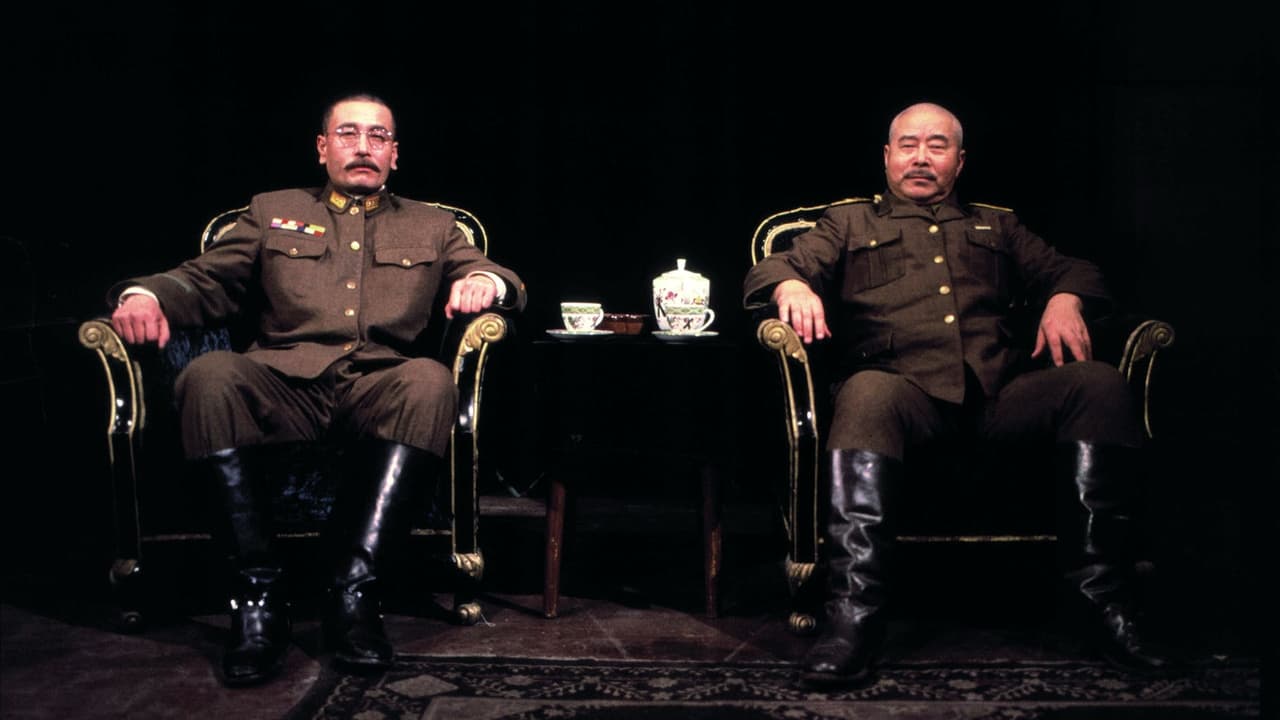
Directed by Tun Fei Mou, this harrowing Hong Kong production doesn't deal in ghosts or goblins. Its monsters are chillingly human, operating under the guise of scientific progress within the notorious Japanese biological warfare research center, Unit 731, in occupied Manchuria during the final years of World War II. The film plunges us directly into this hellscape, largely through the eyes of young Japanese boys conscripted into the Youth Corps, slowly conditioned to accept and participate in unimaginable cruelty inflicted upon Chinese and Russian prisoners, referred to chillingly as "maruta" – logs.
Into the Frozen Hell
There's a grim, almost clinical detachment to Tun Fei Mou's direction that makes the unfolding barbarity even more disturbing. Unlike slicker horror films, Men Behind the Sun often employs a flat, observational style. The cinematography isn't flashy; the sets depicting the camp feel stark and functional, amplifying the sense of institutionalized evil. This isn't about jump scares; it's about the slow-burn dread of witnessing systematic dehumanization and the unspeakable acts that follow. The score is minimal, often non-existent, leaving the viewer alone with the stark visuals and the chillingly mundane sounds of the camp.
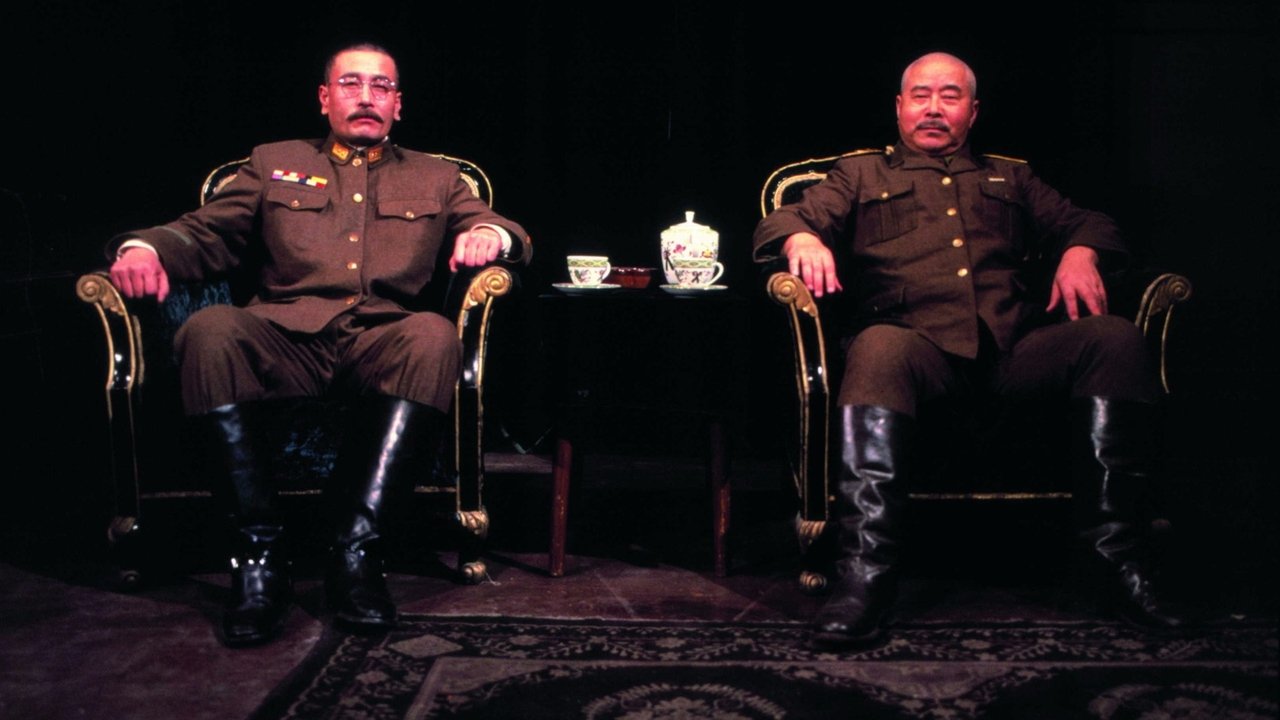
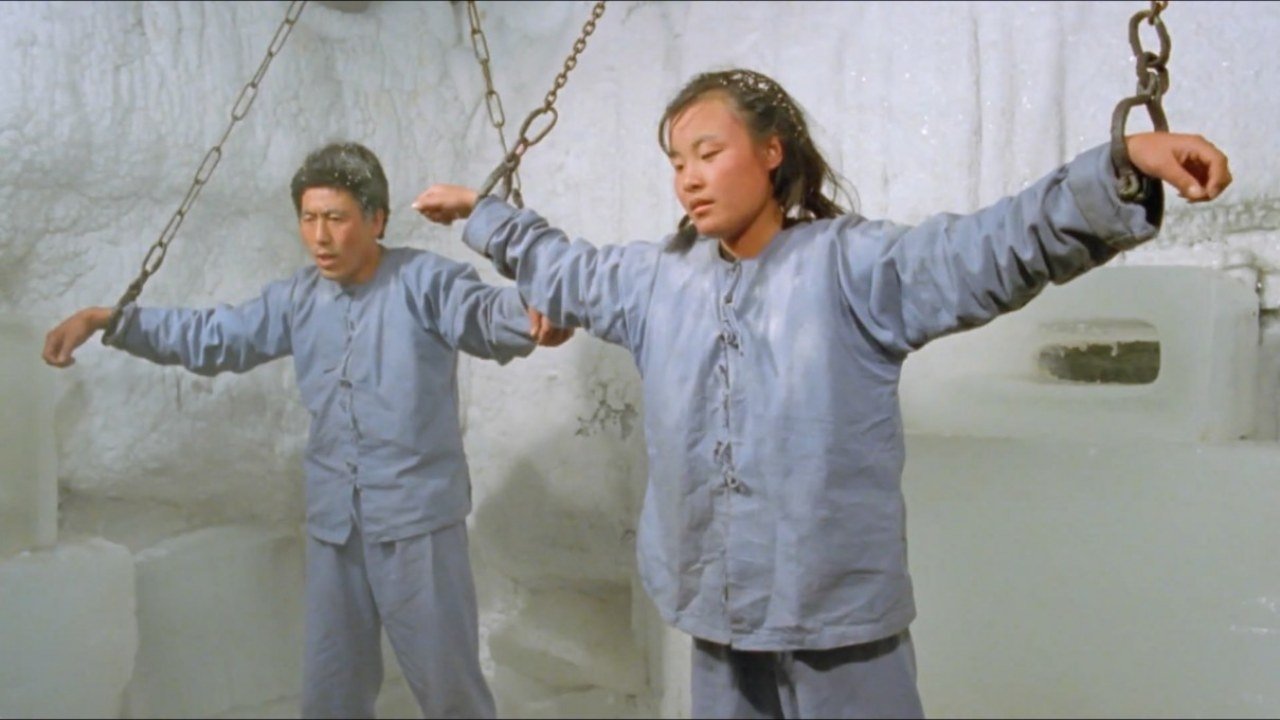
The film presents a catalogue of horrors based on historical accounts of Unit 731's experiments. We witness prisoners subjected to extreme cold to study frostbite – a sequence involving a woman's arms being frozen solid and then plunged into hot water is notoriously difficult to watch, the practical effects achieving a terrifyingly visceral result. Another infamous scene involves placing a victim inside a decompression chamber until their organs violently rupture. It’s relentless, stomach-churning, and utterly bleak. Tun Fei Mou stated his intention was to expose these war crimes, ensuring they weren't forgotten, using graphic detail as a tool against historical denial. A noble goal, perhaps, but one that undeniably tipped into the realm of extreme exploitation cinema for many viewers.
The Shadow of Authenticity
No discussion of Men Behind the Sun can avoid the controversy surrounding its most infamous sequence: the autopsy of a young boy. For years, rumors persisted – fueled, some say, by the filmmakers themselves – that genuine autopsy footage was used. Director Tun Fei Mou later clarified that it was a real child's corpse (reportedly obtained with parental consent after the child's death from illness), dissected for the scene. This fact, regardless of the director's stated anti-war intentions, casts a deeply disturbing pall over the production and raises profound ethical questions that linger long after the credits roll. It cemented the film's notoriety and its Hong Kong Category III rating (reserved for extreme content). Did this cross a line from depiction to participation? It's a question viewers must grapple with themselves.
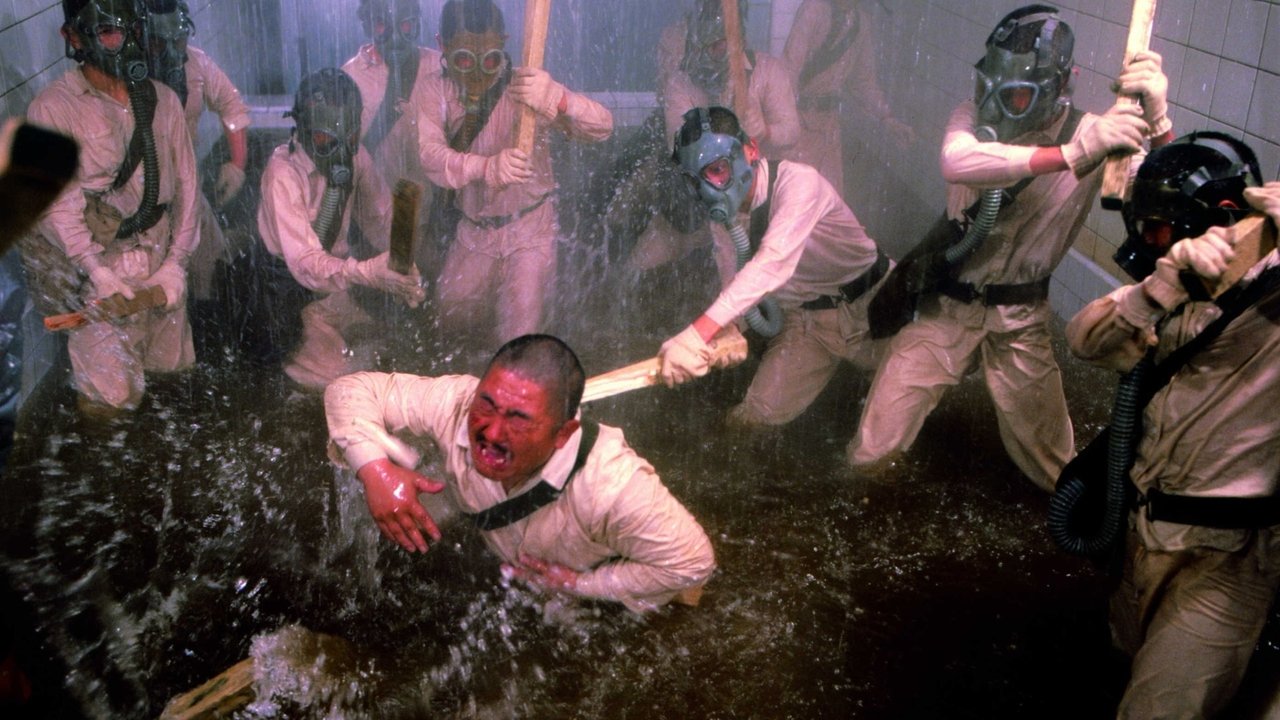
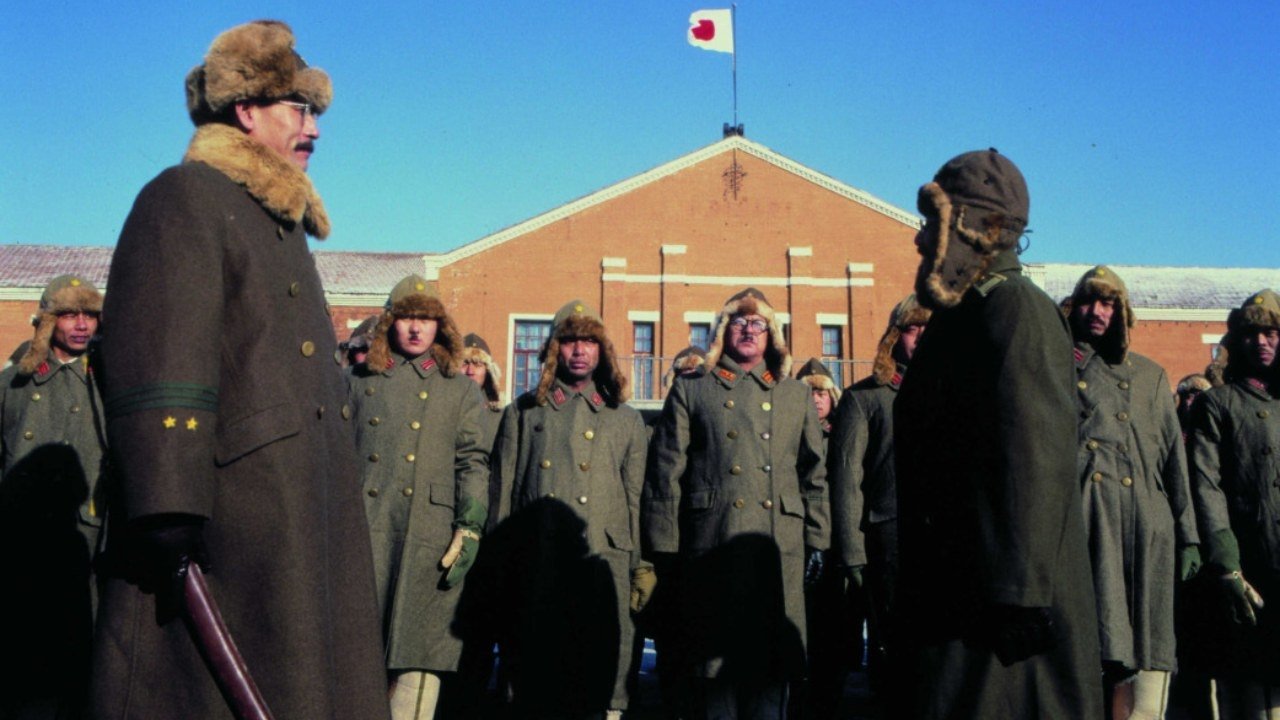
Beyond the gore, the film attempts some characterization, particularly with the young recruits grappling with their indoctrination. We see their initial innocence eroded by nationalistic fervor and the camp's brutalizing environment. The performances, including Gang Wang as the unit's stern commanding officer Ishii Shirō (though the character is unnamed officially in the film, the reference is clear), are effective in their grim portrayal of individuals caught within this machine of death. Yet, the characters often feel secondary to the sheer spectacle of the atrocities.
A Legacy Forged in Controversy
Men Behind the Sun achieved exactly what it seemingly set out to do: it shocked, horrified, and provoked. It became a benchmark for extreme cinema, a tape whispered about in video stores, often kept behind the counter. Its historical basis lent it a disturbing weight that pure fantasy horror couldn't match. Finding a copy back in the day felt like uncovering something forbidden, something you perhaps shouldn't see, which only added to its mystique. While it spawned several unrelated sequels (often known under titles like Laboratory of the Devil or Narrow Escape) that leaned more heavily into pure exploitation and lacked the original's grim historical anchor, the first film remains a singular, chilling experience.
It's undeniably powerful, but also deeply unpleasant and ethically murky. It forces a confrontation with humanity's capacity for cruelty in a way few films dare. Is it historically vital? Or profoundly irresponsible? Perhaps it's both.
VHS Heaven Rating: 6/10
Justification: Men Behind the Sun is undeniably impactful and historically significant in its own controversial way. Its unflinching depiction of Unit 731's atrocities, aided by shockingly effective practical effects for its time, creates an atmosphere of pure dread that's hard to shake. However, the ethical controversies surrounding its production, particularly the autopsy scene, and its undeniable slide into exploitation territory prevent a higher score. It earns points for its sheer power and audacity, but loses significant ground for its methods and often prioritizing shock over deeper thematic exploration.
This isn't a film to be "enjoyed," but perhaps one to be witnessed, if you have the stomach for it. It remains a brutal reminder of historical horrors and the thorny ethics of depicting them on screen, a true artefact of the most extreme corners of the VHS era.