Some stains never truly wash away. They seep into the concrete, memorials to moments best left undisturbed. Watching Hideshi Hino's 1988 Guinea Pig: Mermaid in the Manhole (ザ・ギニーピッグ マンホールの中の人魚) feels like uncovering one such stain – a festering piece of celluloid nightmare that, once seen, embeds itself deep within the psyche. It’s less a traditional narrative and more a descent into obsessive artistry curdled by decay, a film whose reputation often precedes the chilling, visceral experience it delivers.

Beneath the Streets
The premise, drawn directly from director/writer Hideshi Hino's own unsettling manga work, is deceptively simple, almost fairy-tale-like in its initial setup. An artist (Shigeru Saiki), struggling with the recent loss of his wife, retreats into the labyrinthine sewers beneath the city, seeking solace or perhaps inspiration in the forgotten depths. There, amidst the filth and neglect, he rediscovers a creature from his childhood memories: a mermaid (Mari Somei), now living in the polluted subterranean waterways. But this is no Disneyfied enchantment. The mermaid is afflicted, strange sores blossoming across her shimmering skin, a grotesque consequence of her toxic environment. Driven by a desperate need to capture her fleeting, decaying beauty before she vanishes entirely, the artist takes her back to his bathtub-equipped hovel.
What follows is less a story and more a canvas – specifically, the mermaid's increasingly ravaged body. Hino, a celebrated horror manga artist known for his grotesque and often tragically beautiful imagery, uses the film not just to tell a story, but to paint one using the most visceral materials imaginable. The confined, claustrophobic setting of the artist's apartment becomes an ad-hoc operating theatre and studio, the air thick with the stench of sickness and turpentine.

The Artistry of Abjection
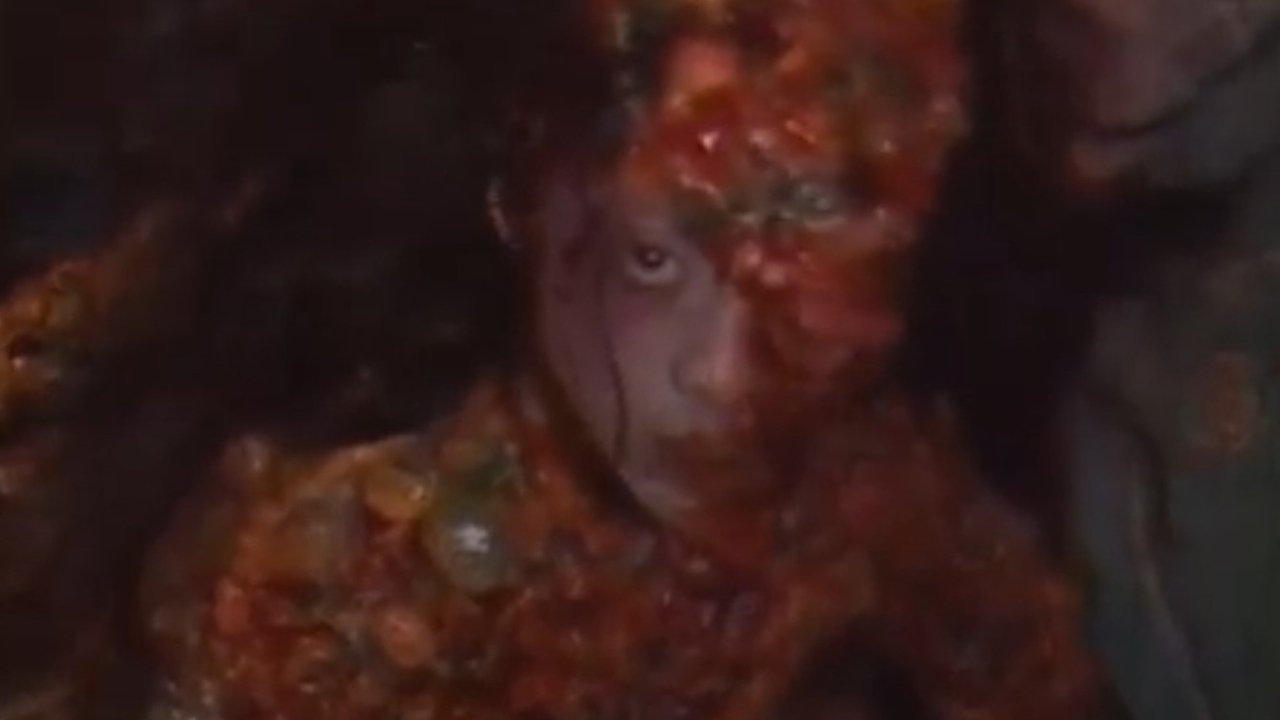
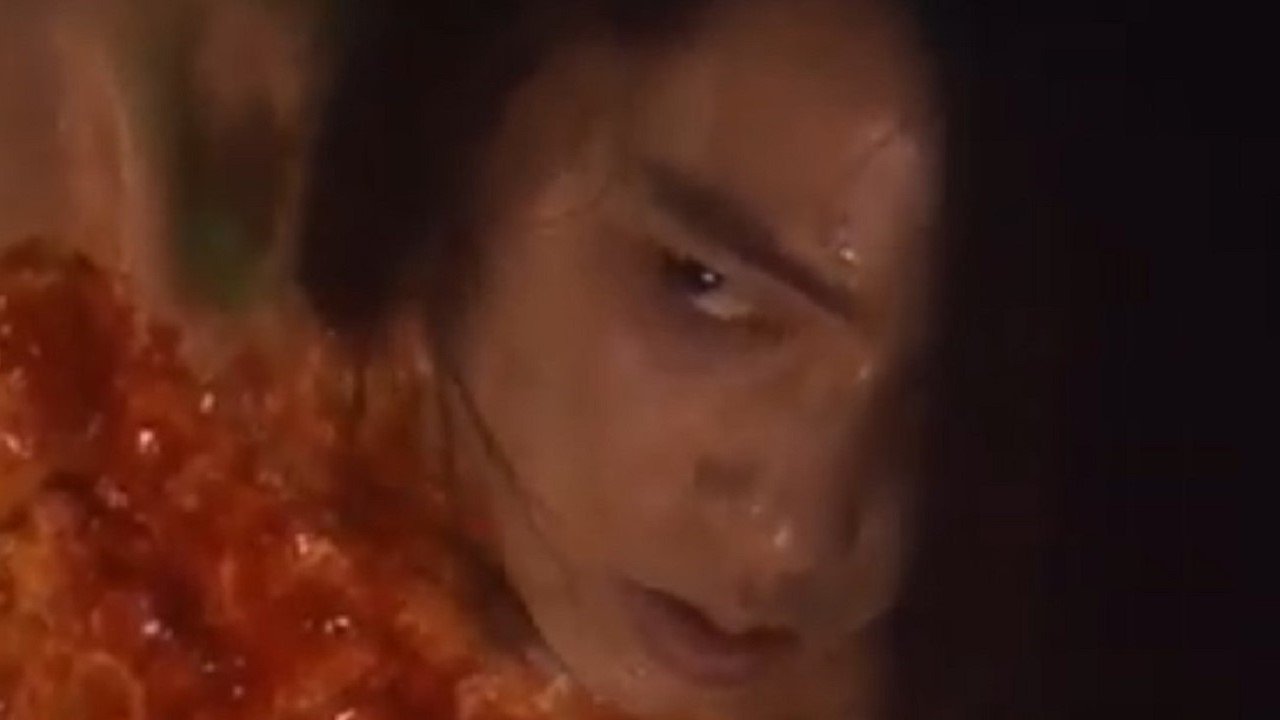
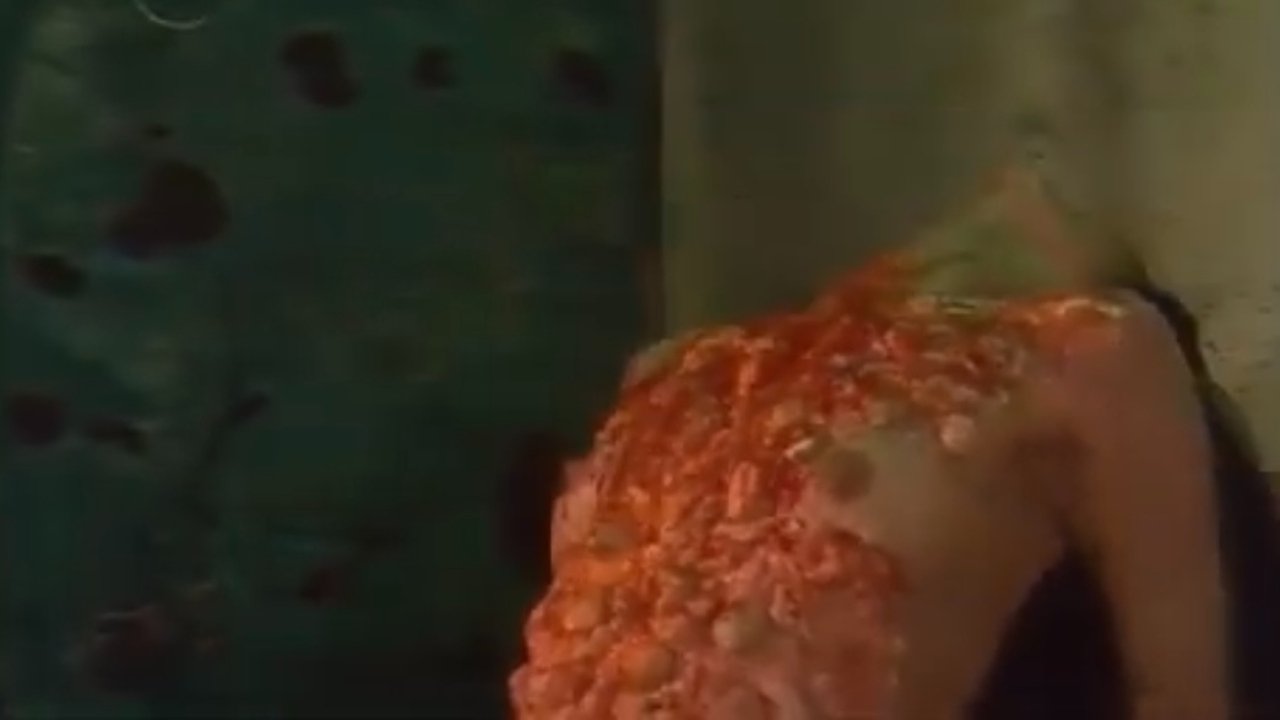
This is where Mermaid in the Manhole truly distinguishes itself, for better or worse. The film is an undeniable showcase for practical effects, executed with a stomach-churning realism that felt utterly shocking in the VHS era – and frankly, still does. As the mermaid's condition worsens, her sores weep fluids of impossible colour, burst open to reveal writhing worms, and bleed rainbows onto the canvas. It's pure body horror, but filtered through Hino's unique artistic lens. He finds a disturbing beauty in the grotesque, lingering on the vibrant, almost psychedelic hues of decay. It's this juxtaposition – the inherent innocence of the mermaid mythos against the unflinching depiction of her physical disintegration – that creates the film's specific brand of profound unease. It’s not jump scares; it’s a slow, creeping dread watching something pure being consumed from within.
The effects work, while clearly achieved through prosthetics and clever concoctions, possesses a tactile repulsiveness. You can almost smell the decay through the screen. This commitment to graphic detail is a hallmark of the Guinea Pig series, a franchise notorious for pushing the boundaries of on-screen gore. While Mermaid is often overshadowed by the even more infamous Flower of Flesh and Blood (the entry that allegedly prompted actor Charlie Sheen to contact the FBI, believing he'd witnessed a genuine snuff film), it carries its own weight within the series, offering a more visually artistic, if equally disturbing, experience. The legend goes that Hino himself had to demonstrate the effects techniques used in the series to Japanese authorities to prove no real harm occurred, a testament to their horrifying effectiveness.
A Troubled Vision
Shigeru Saiki as the artist is appropriately withdrawn and obsessive, his performance secondary to the visual spectacle unfolding in his bathtub. Mari Somei has the unenviable task of embodying the suffering mermaid, largely a passive figure whose transformation is the film’s central focus. Hino's direction is stark and focused, mirroring the artist's singular fixation. The score is minimal, often just the squish and drip of the unfolding horror, amplifying the claustrophobia and intimacy of the ordeal.
It’s impossible to discuss Mermaid in the Manhole without acknowledging its place in the controversial Guinea Pig saga. These weren't films you easily found on the mainstream rental shelves; they were often bootlegged treasures, whispered about by gorehounds, existing in that murky grey market of extreme cinema. Watching it felt transgressive, like peering into something forbidden. Its reputation as potentially "real" (however unfounded, especially for this specific entry compared to Flower) only added to the grim allure on those grainy VHS tapes. Does that reputation still hold up? The effects, while clearly artificial upon closer inspection today, retain a potent, slimy power that CGI rarely replicates.
Verdict
Guinea Pig: Mermaid in the Manhole is not a film for casual viewing. It's a challenging, often repulsive piece of work designed to provoke a strong reaction. It succeeds unequivocally in that goal. Hideshi Hino translates his distinct manga aesthetic to the screen with unflinching commitment, creating a uniquely Japanese horror artifact that blends morbid beauty with stomach-churning gore. The narrative is threadbare, the pacing deliberate and suffocating, and the subject matter inherently unpleasant. Yet, for its sheer audacity, its place in extreme cinema history, and the undeniable craft of its practical effects, it remains a significant, if deeply unsettling, entry from the fringes of the VHS era.
Rating: 6/10 - This score reflects its effectiveness as a piece of extreme body horror and its disturbing artistic vision, acknowledging its technical achievements in practical effects within its notorious niche. However, its minimal plot, oppressive atmosphere, and extreme graphic content make it inaccessible and unpleasant for most viewers, preventing a higher score based on conventional filmmaking merits.
It's a film that festers in the mind, much like the sores on its titular character – a truly grim fairy tale dredged from the polluted depths of 80s extreme cinema. Did this one ever cross your VCR's path back in the day, leaving its peculiar stain?