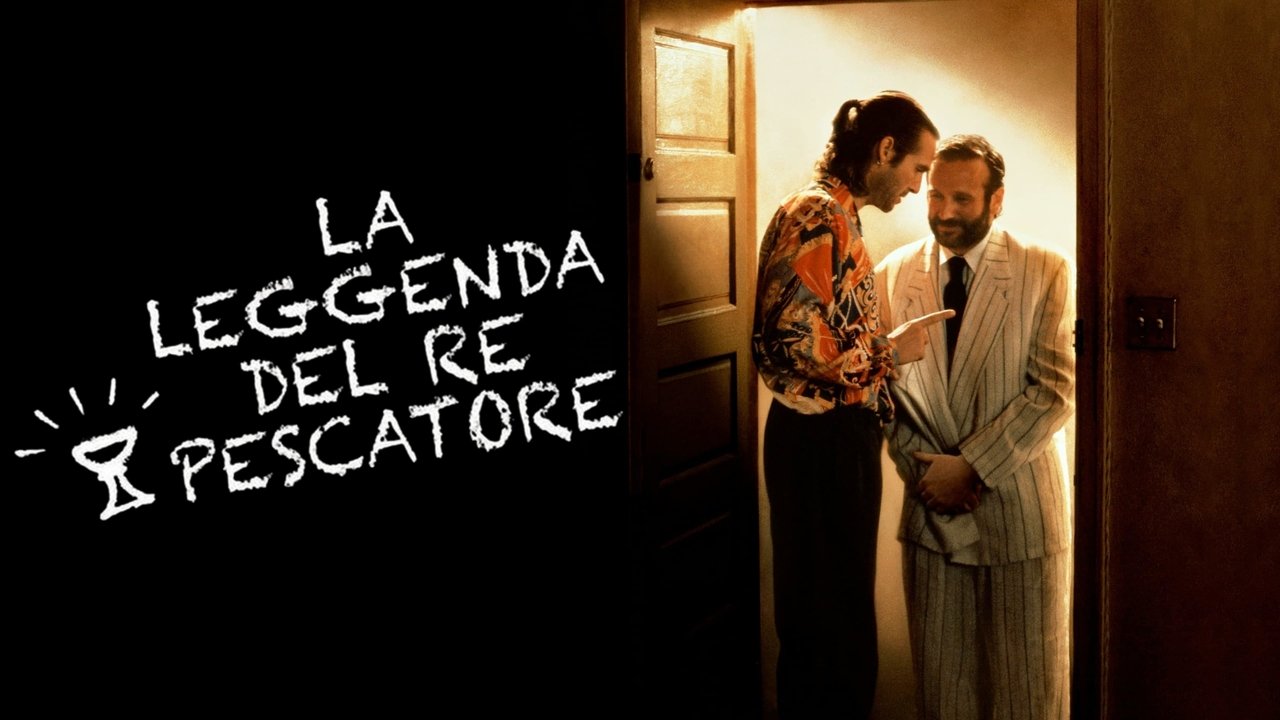
It starts not with whimsy, but with a wound. A glib voice on the radio, careless words flung into the ether, triggering a horrific act of violence. That jarring opening disconnects you immediately from any expectation of a straightforward fairytale, even one directed by the master of the fantastical, Terry Gilliam. The Fisher King (1991) arrives like a strange, beautiful bruise – part gritty New York drama, part modern Arthurian quest, held together by the raw humanity bleeding from its core. It’s a film that asks profound questions about guilt, redemption, and the fragile ways we mend shattered lives, questions that linger long after the tape rewinds.
From Hubris to Humility
At the center is Jack Lucas, played with astonishing vulnerability by Jeff Bridges. We meet him at the peak of his shock-jock arrogance, a king ruling his airwaves with cynical detachment. His downfall is swift and brutal, a consequence of his own careless cruelty. Bridges charts this descent into despair with aching authenticity. He doesn't just play drunk or depressed; he embodies the hollowed-out shell of a man haunted by his past, stripped of his identity, grasping for any semblance of meaning. It's a performance that reminds you why Bridges, even then, was considered one of the greats – capable of immense charisma but unafraid to explore the darkest corners of a character's soul. Seeing him navigate Jack's painful rebirth feels incredibly truthful, a journey from corrosive self-pity towards tentative empathy.
The Knight of Infinite Jest and Sorrow
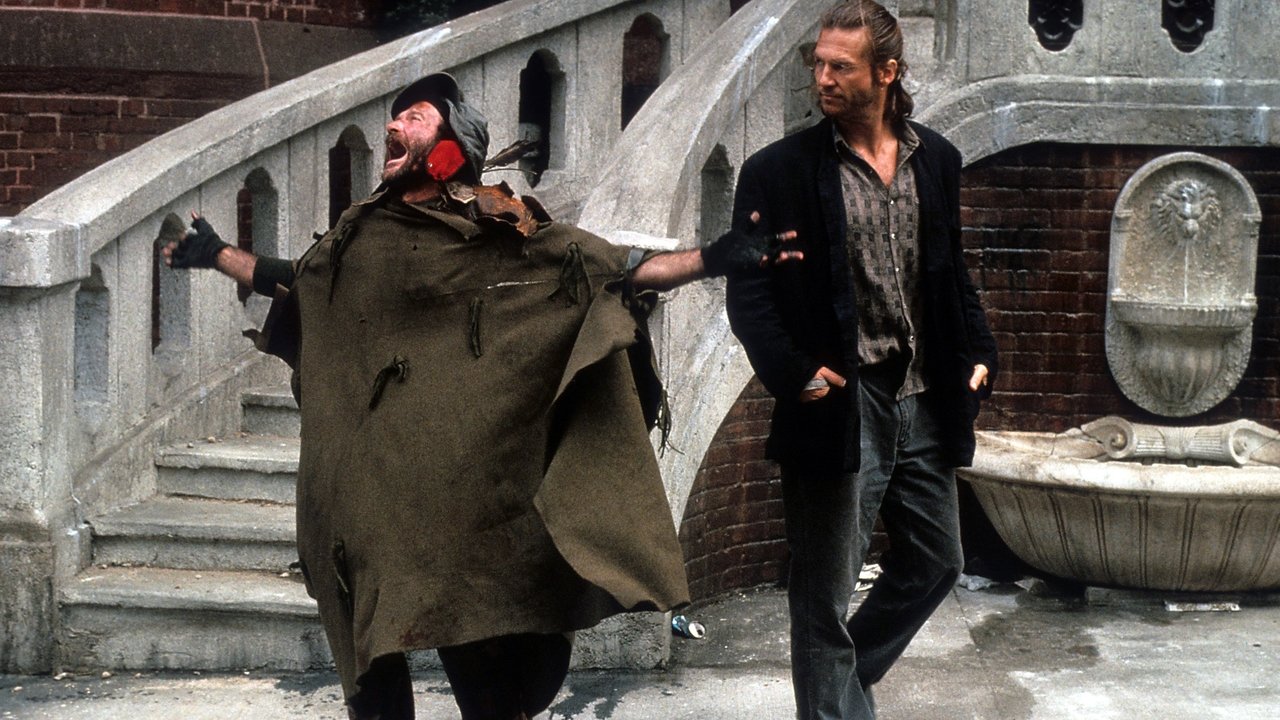
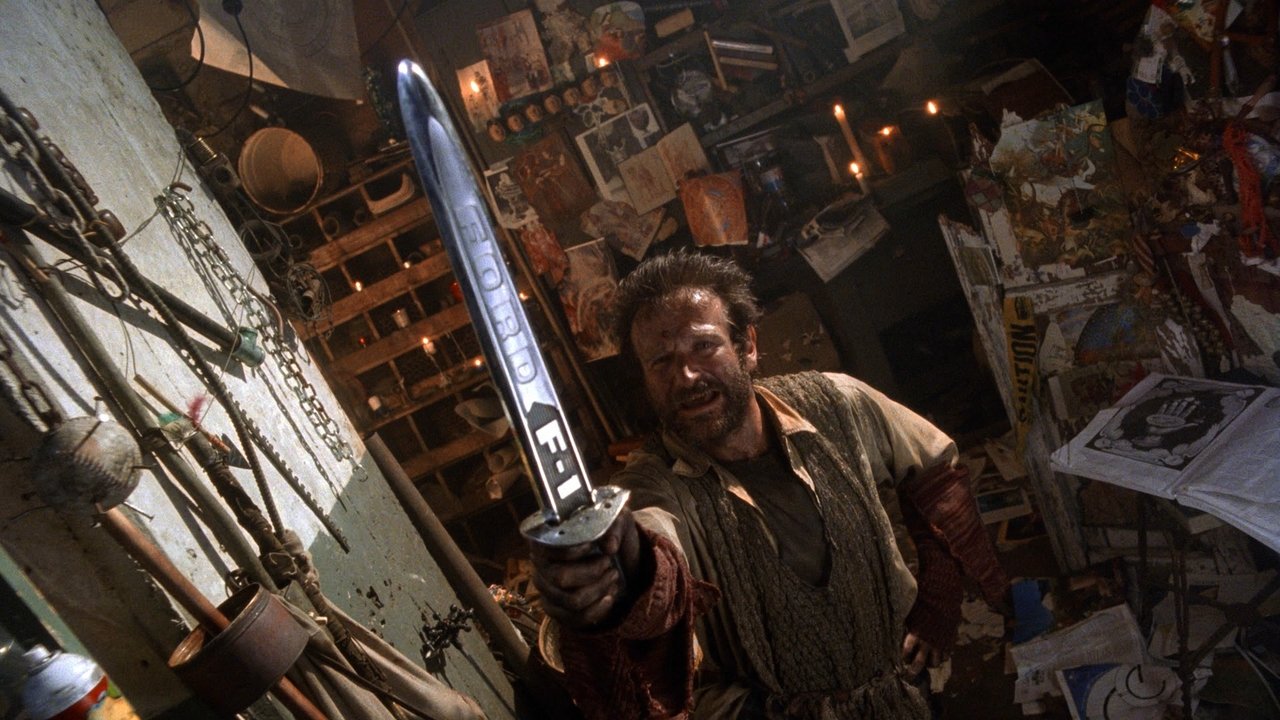
And then there’s Parry. Oh, Parry. Robin Williams delivers a performance that transcends mere acting; it feels like channeling. Parry is a homeless former professor, driven mad by the loss of his wife in the very shooting Jack inadvertently caused. He lives in a world populated by imaginary little people and stalked by a terrifying Red Knight, a manifestation of his trauma. Williams uses his trademark whirlwind energy not just for comedic effect (though there are moments of breathtaking hilarity), but as a shield, a desperate coping mechanism against unbearable grief. The brilliance lies in the moments the mask slips – a flicker of profound sadness in his eyes, a sudden shift into lucidity that's almost more heartbreaking than the fantasy. It’s a tightrope walk between mania and melancholy, and Williams never falters. This wasn't just another Robin Williams role; alongside films like Good Morning, Vietnam (1987) and Dead Poets Society (1989), it cemented his reputation as a dramatic force capable of extraordinary depth. Could anyone else have captured Parry’s specific blend of intellectual brilliance, childlike wonder, and devastating pain quite so perfectly?
Gilliam's Concrete Kingdom
Bringing this delicate, complex story to life fell to Terry Gilliam, a director known for his visually imaginative, often chaotic worlds (Brazil, Time Bandits). It’s fascinating to see his style adapt to the very real streets of New York City. Richard LaGravenese’s script, his first major success after it became a hot property in Hollywood, provided the grounded emotional core. Gilliam, who reportedly took the project after initially passing and seeing other directors attached, doesn't overlay his usual dense baroque visuals everywhere. Instead, he uses fantastical elements strategically. The Red Knight, breathing fire and menace, erupts into mundane settings, a terrifying physicalization of Parry's inner demons. The famous waltz sequence in Grand Central Terminal isn't just spectacle; it's a moment of pure, transcendent connection amidst the commuter rush, a brief, magical respite from the city's harsh realities. Filming that scene, requiring hundreds of extras and intricate coordination in a functioning transit hub, speaks volumes about the production's ambition. Gilliam finds the mythic within the mundane, turning Central Park into a potential Grail castle site and the city's architecture into something ancient and storied.
Finding the Grail in Unexpected Places
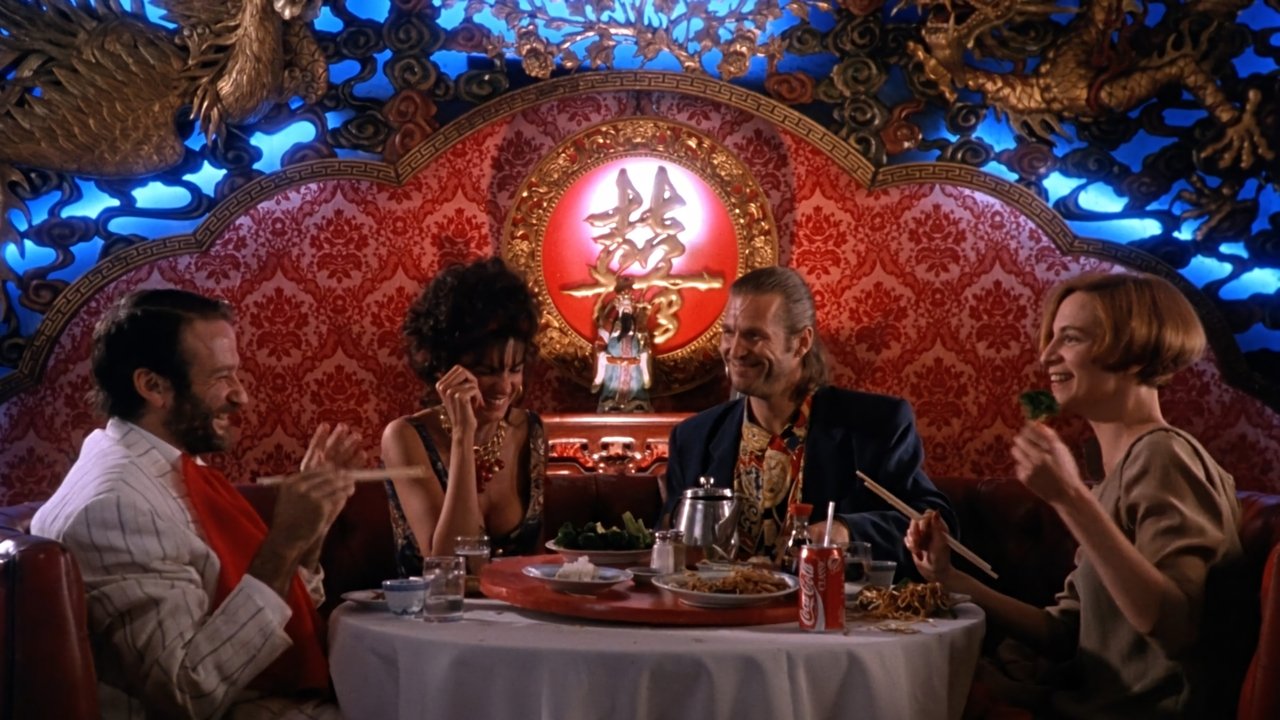
Supporting these towering central performances are Mercedes Ruehl as Anne, Jack's pragmatic, fiercely loyal girlfriend, and Amanda Plummer as Lydia, the painfully awkward object of Parry's affections. Ruehl, who rightfully won the Academy Award for Best Supporting Actress, is the film's anchor. Anne is sharp, funny, and possesses a bullshit detector honed by years running a video store (something many of us at VHS Heaven can surely appreciate!). Her exasperation with Jack is palpable, but so is her deep-seated love. She refuses to let him completely self-destruct, providing the tough love and unwavering support he desperately needs but rarely deserves. Plummer’s Lydia is equally memorable, a masterclass in conveying crippling shyness and hidden warmth. The tentative romance between Parry and Lydia is one of the film's most touchingly gentle threads.
The film itself wasn't a blockbuster smash – made for around $24 million, it grossed a respectable but not staggering $42 million domestically. Yet, its impact was significant. It garnered five Oscar nominations and critical acclaim, proving that audiences were ready for challenging, emotionally complex stories that didn't fit neatly into genre boxes. It also tackled themes of mental illness and homelessness with unusual empathy for a mainstream film of the era, portraying Parry not as a caricature, but as a man wrestling with profound trauma. There were apparently battles with the MPAA over the depiction of violence and some language, resulting in the R rating, a reminder that its blend of tones perhaps ruffled some feathers back in '91.
The Enduring Quest
The Fisher King is a film that stays with you. It’s messy, sometimes uncomfortable, but ultimately deeply hopeful. It suggests that redemption isn't about grand gestures, but about small acts of kindness, about reaching out to another broken soul and finding connection in shared vulnerability. It reminds us that quests for healing often involve confronting our own inner dragons, just like Parry confronts his Red Knight. The film uses the Arthurian legend not as a rigid template, but as a resonant metaphor for the wounds we carry and the search for wholeness. What is the "Holy Grail" if not forgiveness, connection, and the courage to face reality, however painful?
Rating: 9/10
This near-perfect score reflects the film's masterful blend of genres, its profound emotional depth, Gilliam's visionary direction adapting beautifully to a contemporary setting, and, above all, the powerhouse performances from Bridges, Williams, and Ruehl. LaGravenese's script is intelligent, witty, and heartbreakingly human. It falters only slightly perhaps in its neat resolution, but the journey getting there is so rich and rewarding, it hardly matters.
The Fisher King remains a singular achievement from the early 90s – a film that dared to be strange, sad, funny, and ultimately, profoundly moving. It’s a reminder that sometimes the greatest adventures, the most important quests, are the ones that lead us back to ourselves and to each other. What better treasure could one hope to find on a dusty VHS tape?