Beneath the concrete skin of 1980s New York City, older, darker currents flow. It’s a place where the sheen of modernity cracks, revealing something ancient and predatory slithering just beneath the surface. This is the unsettling territory mapped out by John Schlesinger’s 1987 supernatural thriller, The Believers, a film that sinks under your skin not with jump scares, but with a creeping, pervasive dread that feels disturbingly plausible within its urban nightmare. It taps into that specific fear – the vulnerability of family, the impotence of reason against fervent, malevolent faith – that lingered long after the tape ejected from the VCR.
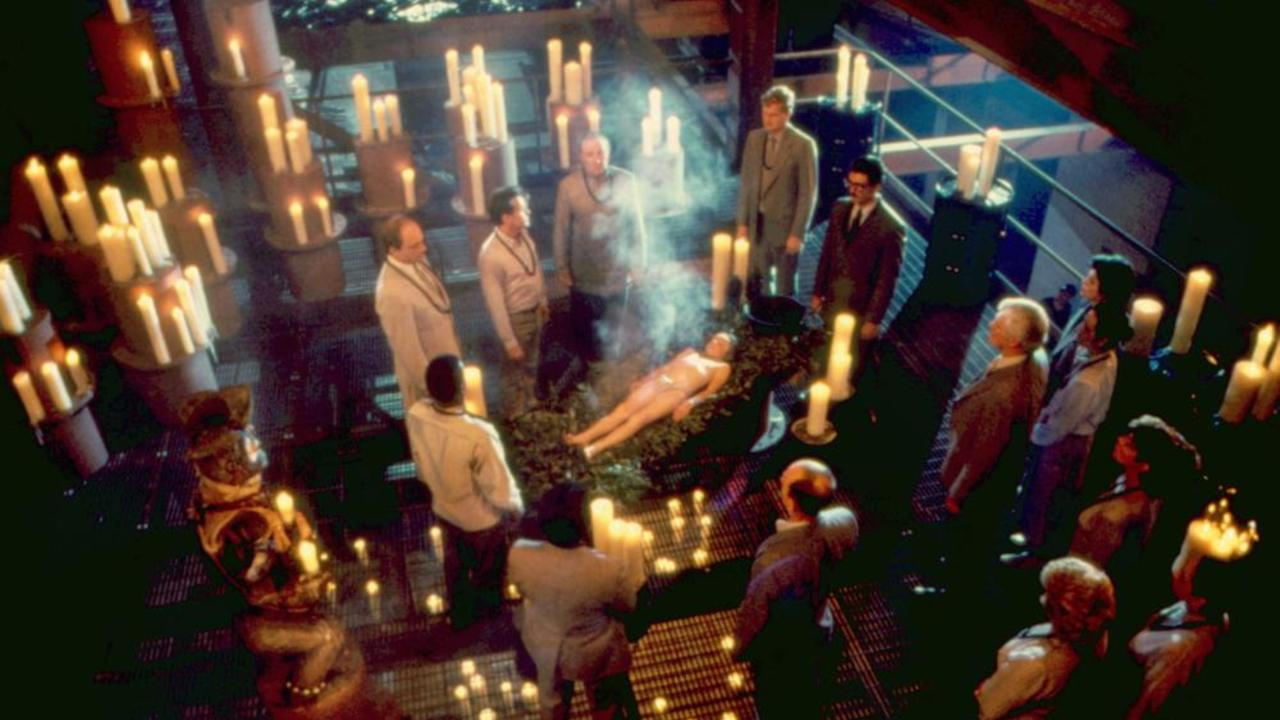
### City of Shadows, Altar of Fear
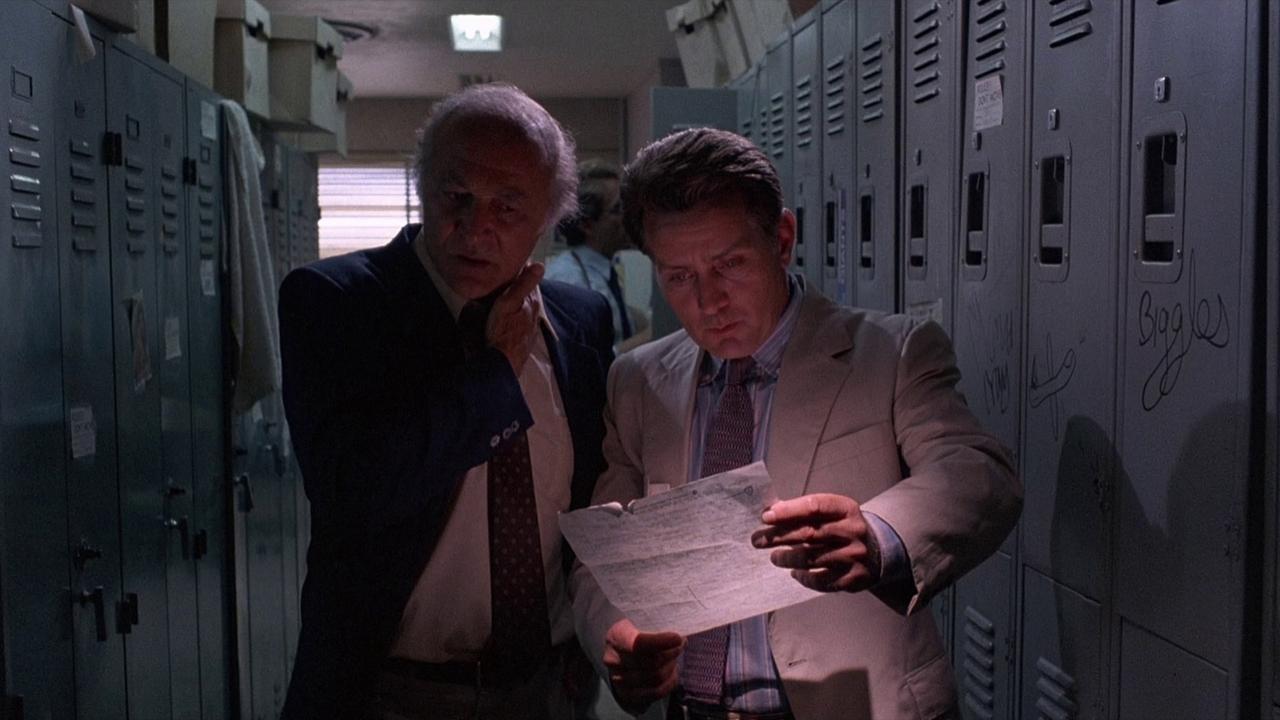
The film wastes no time plunging us into trauma. We meet police psychologist Cal Jamison (Martin Sheen) moments after a horrific, random accident claims his wife. Reeling, he relocates to New York with his young son, Chris (Harley Cross), seeking a fresh start that the city seems determined to deny him. Assigned to consult on a series of grotesque ritualistic killings, Cal finds himself drawn into the orbit of a secretive and powerful cult practicing a particularly brutal form of Brujería, one that demands the ultimate sacrifice. The dread escalates not just from the graphic crime scenes, but from the insidious way the cult’s influence seeps into Cal's own life, targeting the one thing he has left: his son.
Director John Schlesinger, a filmmaker far better known for character dramas like the Oscar-winning Midnight Cowboy (1969) or the paranoid thriller Marathon Man (1976), might seem an odd choice for occult horror. Yet, his grounded, almost documentary-like approach to the city grit makes the supernatural elements feel even more jarring and invasive. He doesn't shy away from the unpleasantness, presenting the cult's practices with a chilling matter-of-factness that avoids sensationalism while maximizing unease. This wasn't just another horror flick; it felt like Schlesinger was genuinely exploring the darker corners of belief and desperation within a realistic urban landscape, a choice that perhaps contributed to its modest $18 million box office return against a $13 million budget – respectable, but not a blockbuster smash.
### The Weight of Belief
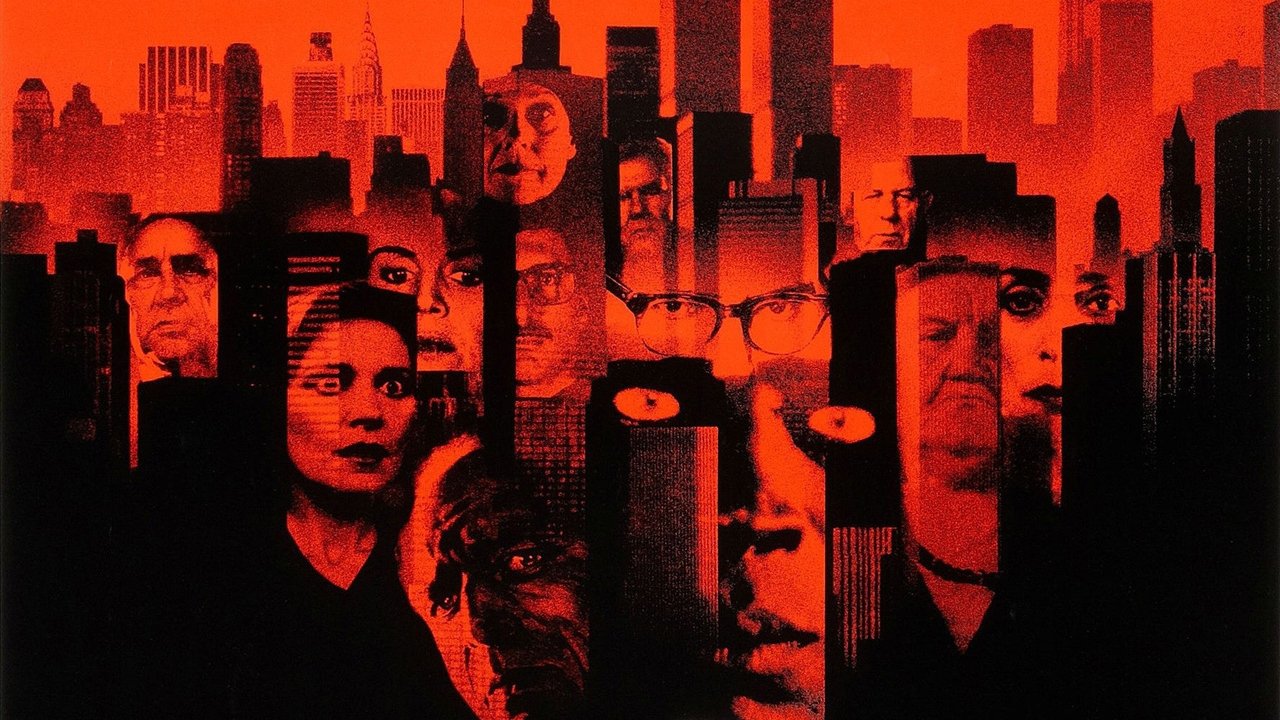
Martin Sheen, always an anchor of relatable humanity, is perfectly cast as Cal. His descent from rational skeptic to terrified believer is utterly convincing. You feel his frustration bumping against the inexplicable, his growing desperation as the protective walls of logic crumble. His fear for Chris is palpable, tapping into primal parental anxieties. Helen Shaver provides solid support as Jessica, Cal's landlord and eventual love interest, who finds herself drawn into the nightmare alongside him. Young Harley Cross, in only his second feature film role, delivers a performance that effectively conveys childish innocence overshadowed by inexplicable terror. And let's not forget Robert Loggia as the intense, seen-it-all police lieutenant, adding another layer of weary cynicism to the proceedings.
The screenplay, penned by Mark Frost just a few years before he'd co-create the surreal tapestry of Twin Peaks, already shows his fascination with hidden darkness beneath ordinary surfaces and intricate, almost conspiratorial belief systems. While The Believers doesn't reach the same level of stylized eccentricity, the seeds are there – the sense of an ancient evil intertwined with the mundane, the exploration of faith's darker potentials. Frost adapted the script from Nicholas Conde's novel The Religion, streamlining its plot while retaining its core unsettling themes.
### Whispers from the Set
While the film aims for gritty realism, it courted controversy for its depiction of Santería and Brujería, with some critics and practitioners finding the portrayal exploitative and inaccurate, conflating different traditions for horrific effect. It's a criticism that sticks, reflecting a common tendency in 80s cinema to exoticize and demonize non-Western belief systems. It remains a point of contention, a shadow hanging over the film's legacy.
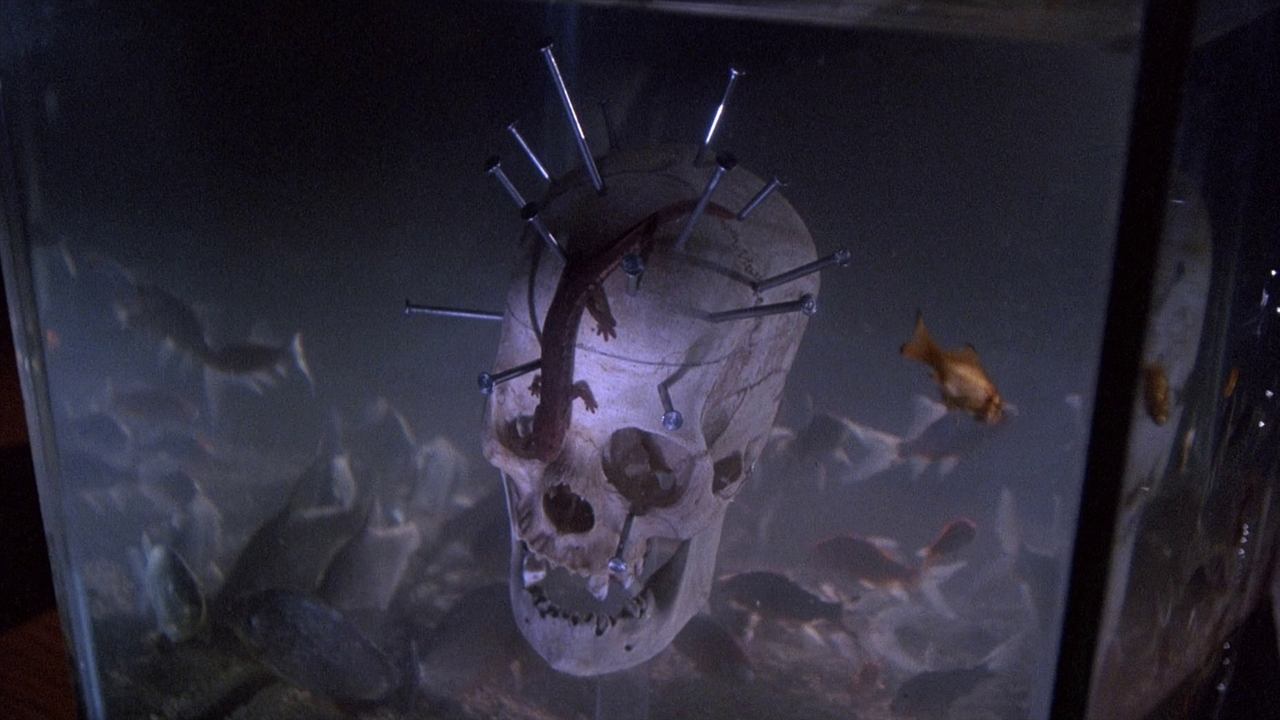
On a technical level, the practical effects, while perhaps showing their age slightly, retain a visceral power. Who could forget the genuinely skin-crawling sequence involving a boil, a spider, and Helen Shaver's terrified reaction? Apparently, Shaver had a real phobia of spiders, making her on-screen horror disturbingly authentic during filming. Schlesinger insisted on using real spiders (safely handled, of course) to achieve the maximum visceral impact. Similarly, the ritualistic elements, though controversial, were staged with a commitment to unsettling detail, filmed in atmospheric, often genuinely rundown New York locations that lent the proceedings an air of grim authenticity.
### Lasting Unease
The Believers isn't a perfect film. Its handling of its central religious themes is problematic, and the plot occasionally stretches credulity, even for a supernatural thriller. Yet, its power lies in its oppressive atmosphere, Martin Sheen's grounded performance, and Schlesinger's refusal to offer easy comforts. It captures that distinct late-80s vibe of urban decay mixed with encroaching occult paranoia, a feeling echoed in films like Angel Heart (1987), released the same year. It doesn't rely on cheap scares; it aims for a deeper, more existential chill – the fear that powerful, unseen forces operate just outside our understanding, and that sometimes, belief itself can be the most dangerous weapon. It’s the kind of film that might have made you check the locks twice after returning the tape to the video store late at night.
Rating: 7/10
This score reflects the film's undeniable strengths – its potent atmosphere, Sheen's performance, and Schlesinger's assured, unsettling direction – weighed against its controversial cultural depictions and occasional narrative bumps. It's a potent slice of 80s urban horror that still manages to burrow under the skin, a reminder that sometimes the most terrifying threats aren't monsters from beyond, but the darkness lurking within human conviction. Doesn't that final, ambiguous shot still feel chillingly effective?