"We are the weirdos, mister."
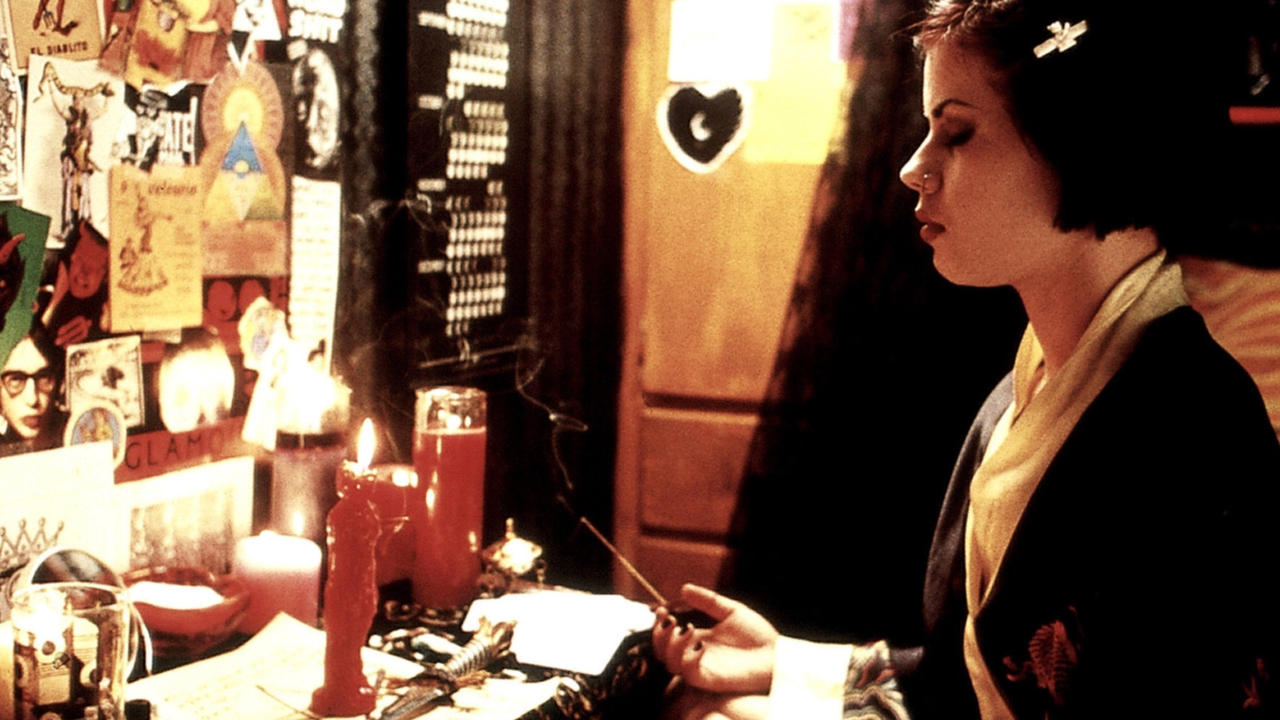
Delivered with that inimitable, defiant sneer by Fairuza Balk as Nancy Downs, the line wasn’t just dialogue in 1996’s The Craft; it felt like a proclamation. For anyone navigating the treacherous social hierarchies of high school, feeling like an outsider looking in, this film offered a potent fantasy: what if the things that made you different also made you powerful? Watching this on a well-worn VHS tape, perhaps late at night with the volume turned down low, felt like discovering a secret – a dangerous, intoxicating promise whispered from the flickering screen. Directed by Andrew Fleming (Dick, Nancy Drew), The Craft bottled the specific anxieties and aspirations of mid-90s teens and laced them with the dark allure of the occult.
Conjuring the Coven
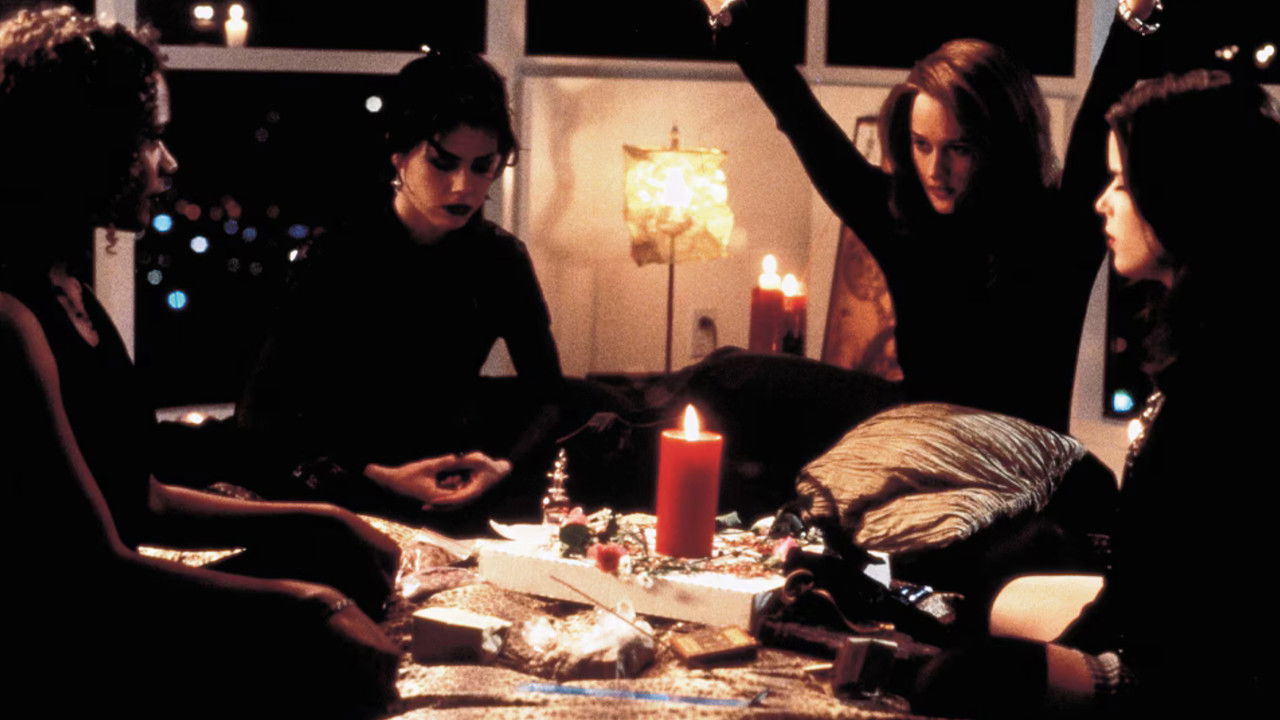
The setup is classic high school movie territory, filtered through a distinctly darker lens. Sarah Bailey (Robin Tunney), haunted by a troubled past and possessing latent telekinetic abilities, arrives at a new Catholic school in Los Angeles. She’s instantly drawn to – and targeted by – a trio of existing outcasts: Nancy, the volatile leader nursing deep-seated resentments; Bonnie (Neve Campbell, fresh off Party of Five and just before her iconic turn in Scream that same year), hiding behind her shyness and severe burn scars; and Rochelle (Rachel True), enduring vicious racist bullying from the popular clique. Together, they form the four corners needed to invoke powerful magic, and their initial bonding over shared alienation feels genuinely cathartic. It’s hard not to root for them as they find solace and strength in each other. Fun fact: Robin Tunney sported a wig throughout filming, having shaved her head for Empire Records (1995), a detail that almost accidentally enhances Sarah's initial feeling of being slightly 'off' or disguised in her new environment.
When Wishes Bite Back
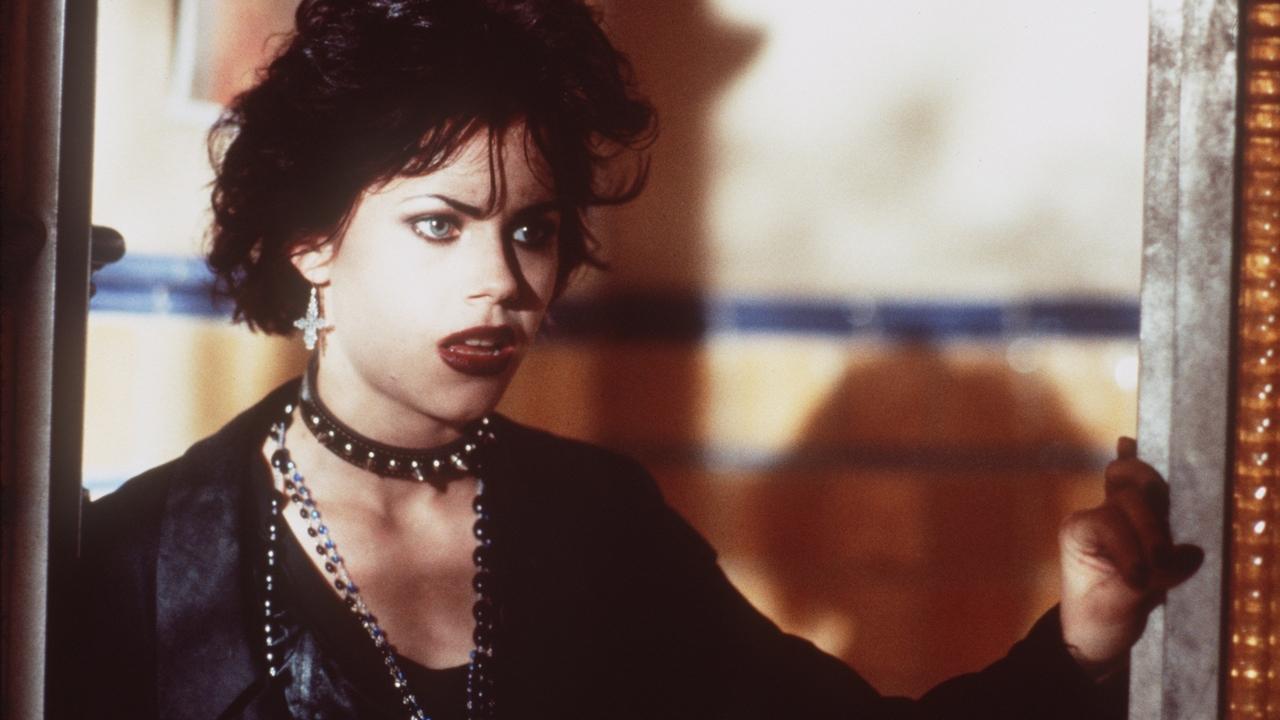
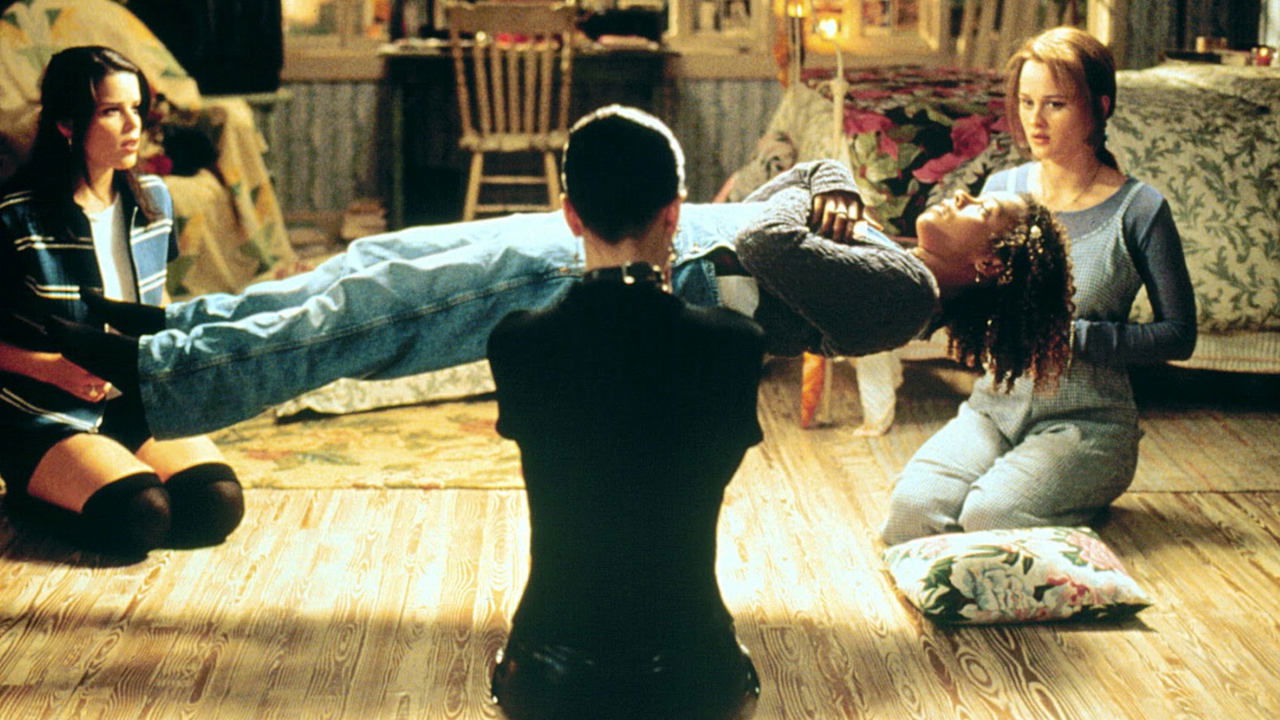
Initially, their newfound power feels like righteous wish fulfillment. Bonnie’s scars vanish, Rochelle delivers supernatural payback to her tormentor, and Nancy… well, Nancy’s desires run deeper and darker. Sarah, meanwhile, casts a love spell on the school heartthrob, Chris (Skeet Ulrich, another soon-to-be Scream alumnus), a decision that quickly spirals out of control. This is where The Craft truly sinks its teeth in. The film cleverly uses witchcraft not just for spectacle, but as a metaphor for the intoxicating, corrupting nature of power, especially when wielded by those who have long felt powerless. The shift from giddy empowerment to paranoia and infighting is gradual but chillingly effective. To lend authenticity, the production hired Pat Devin, a practicing Wiccan, as a consultant, ensuring the rituals and invocations carried a veneer of legitimacy that made the magic feel grounded, and therefore, more unsettling. Remember the levitation scene? Achieved with practical wires and careful choreography, it had a tangible quality that felt utterly convincing on our old CRT TVs.
All Hail Queen Nancy
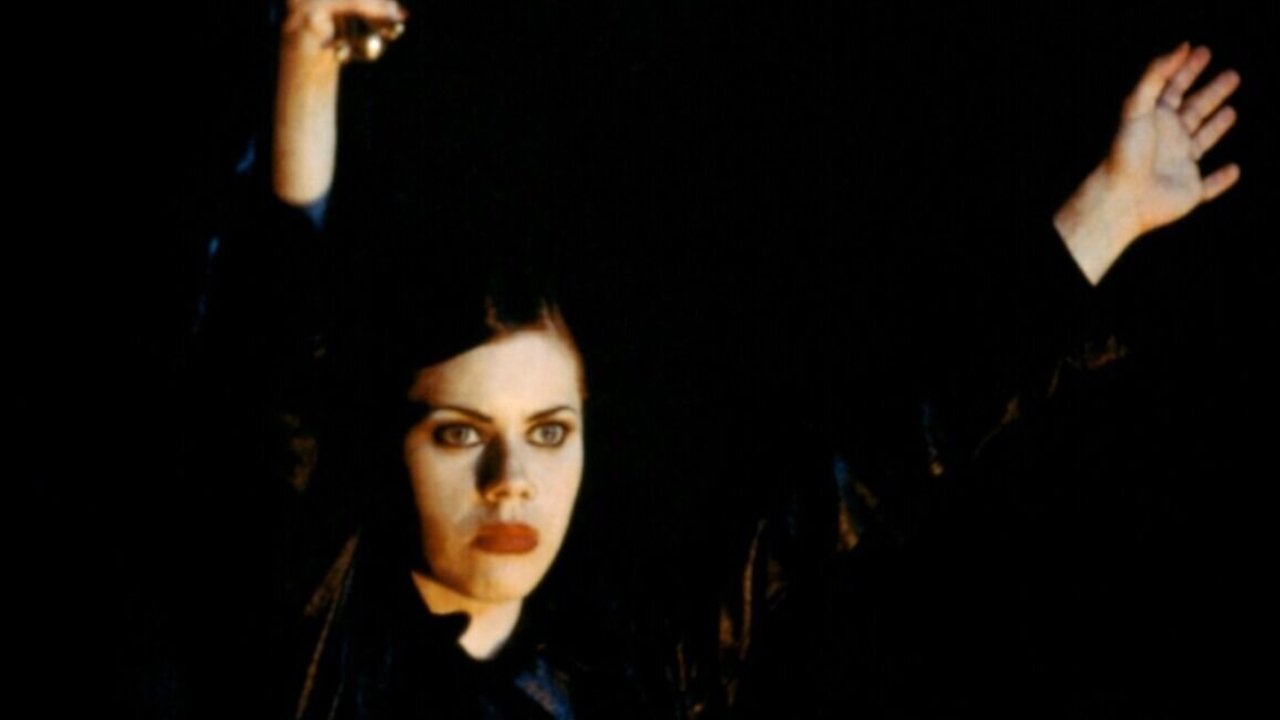
Let’s be honest: while the ensemble is strong, The Craft belongs to Fairuza Balk. Her portrayal of Nancy's descent from snarling outcast to power-mad antagonist is electrifying. With eyes that could burn holes in the screen and a raw, unpredictable energy, Balk creates one of the most memorable teen villains of the decade. Her personal interest in the occult reportedly informed her performance, adding a layer of unnerving conviction. Whether she's strutting down the hallway radiating menace or walking on water in that unforgettable beach sequence (doesn't that scene still feel genuinely iconic and chilling?), Balk commands attention. She embodies the film's central warning: absolute power corrupts absolutely, and suppressed rage, once unleashed, can become monstrous.
Grunge Goth Glamour and Creeping Dread
Beyond the performances, The Craft excels in building atmosphere. The film looks and feels distinctly mid-90s, from the grunge-meets-goth fashion (which became instantly influential) to the moody, often overcast Los Angeles setting. The dimly lit occult shop serves as both a sanctuary and a source of danger. Graeme Revell's (The Crow) score pulses underneath, building tension from subtle unease to outright dread. Fleming uses practical effects to great effect – Bonnie's 'glamour' transformation, the unsettling swarm of insects and snakes that plague Sarah (reportedly using thousands of real creatures, much to Robin Tunney's genuine terror), all contribute to a sense of visceral, tangible magic gone wrong. Even if some effects look a little dated now, they possess a physical weight often missing from modern CGI.
A Sleeper Hit's Enduring Spell
Made for a modest $15 million, The Craft conjured over $55 million worldwide, becoming a surprising sleeper hit. Critical reception was initially mixed, but audiences – particularly teens – connected deeply with its themes of alienation, empowerment, and the dark side of desire. It quickly achieved cult classic status, influencing a wave of supernatural teen dramas and films that followed. Its impact on fashion and its place as a sleepover staple cemented its legacy. While a sequel/reboot, The Craft: Legacy, arrived in 2020, it did little to eclipse the original's potent magic. The original The Craft captured lightning in a bottle – a perfect storm of 90s angst, charismatic performances, and dark fantasy that still resonates.
Rating: 8/10
This score reflects The Craft's undeniable strengths: Fairuza Balk's iconic performance is worth several points alone, the atmosphere is perfectly pitched, the themes of power and alienation remain relevant, and its status as a defining cult classic of the 90s is undisputed. While some plot elements feel familiar now and certain effects show their age, the film's core energy and dark allure remain remarkably potent. It expertly balanced teen drama with genuine supernatural thrills, creating something unique and enduring.
For many of us who grew up renting tapes, The Craft wasn't just a movie; it was a vibe, a mood, a dark little piece of magic that felt both dangerous and incredibly cool. It’s a film that understood the power dynamics of youth and twisted them into something genuinely unsettling, leaving a lasting impression long after the tape clicked off.