The rain never seems to stop in Ridley Scott’s Osaka. It slicks the neon-drenched streets, reflects the cold, hard glint of steel, and seems to seep into the very soul of the city, mirroring the moral ambiguity washing over its characters. Watching Black Rain (1989) again, decades after pulling that distinctive VHS tape from the rental shelf, is to be submerged once more in its potent, almost oppressive atmosphere. It's a film that feels like a cold, damp night – stylish, dangerous, and lingering.
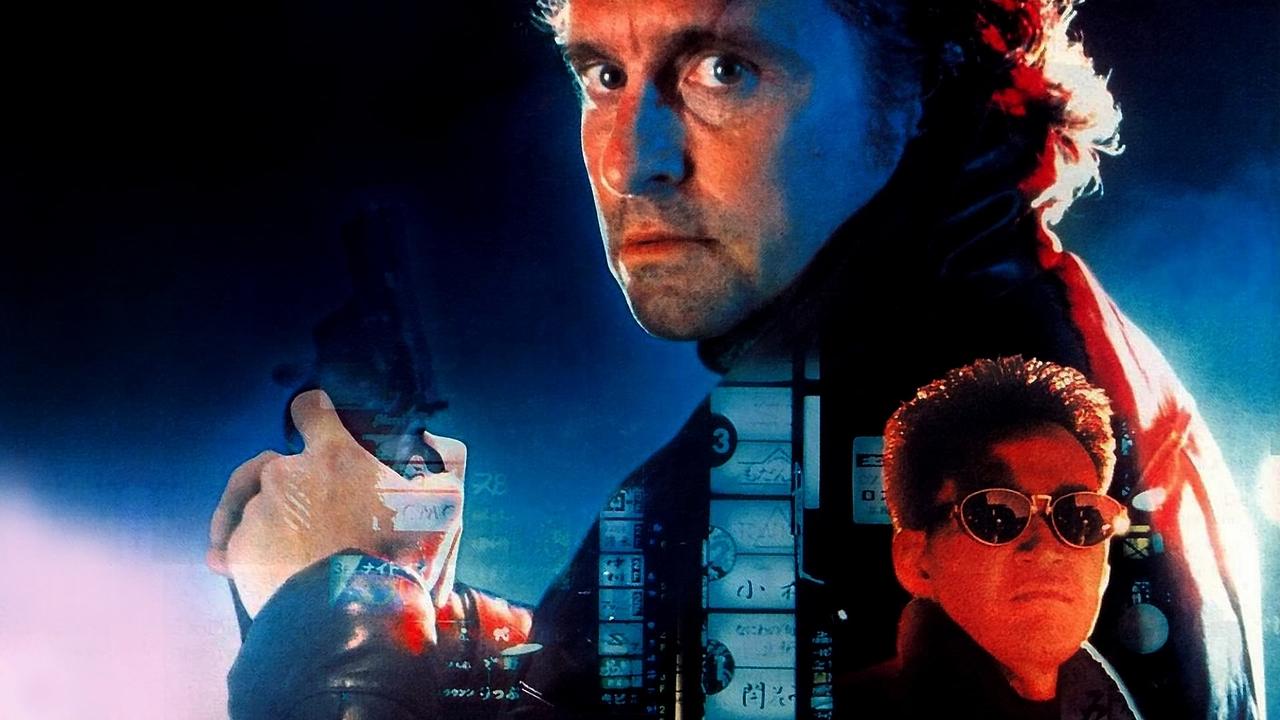
### A Stranger in a Brutal Land
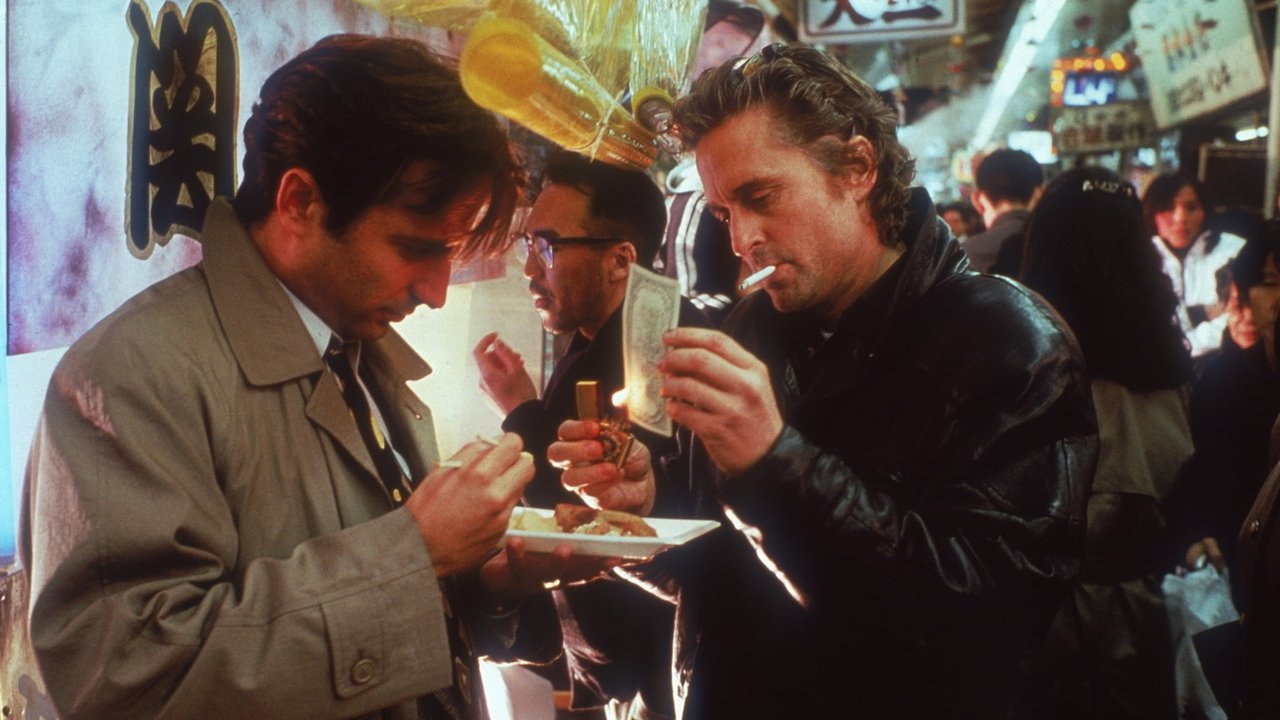
The setup is pure, distilled 80s cop thriller: NYPD Detective Nick Conklin (Michael Douglas, riding high off Wall Street (1987) and Fatal Attraction (1987)) is a tough, rule-bending cop under investigation for corruption. He and his more affable partner, Charlie Vincent (Andy García, radiating charm), nab a ruthless Yakuza killer, Sato (Yusaku Matsuda, in a chilling final performance), in New York. Their task seems simple: escort Sato back to Japan. Of course, nothing is simple. Sato escapes almost immediately upon landing, plunging Nick and Charlie into the labyrinthine world of Osaka's underworld and the rigid protocols of the local police force, personified by the stoic Inspector Masahiro Matsumoto (Ken Takakura).
What follows isn't just a pursuit; it's a stark collision of cultures. Douglas embodies American arrogance and impatience, a bull smashing through the delicate shoji screens of Japanese procedure. Takakura, a legendary figure in Japanese cinema, counters him with quiet dignity and unwavering adherence to duty. Their dynamic forms the film's compelling core, a tense dance between suspicion and grudging respect. It’s this friction, set against the visually stunning yet alienating backdrop of Osaka, that elevates Black Rain beyond a standard action flick.
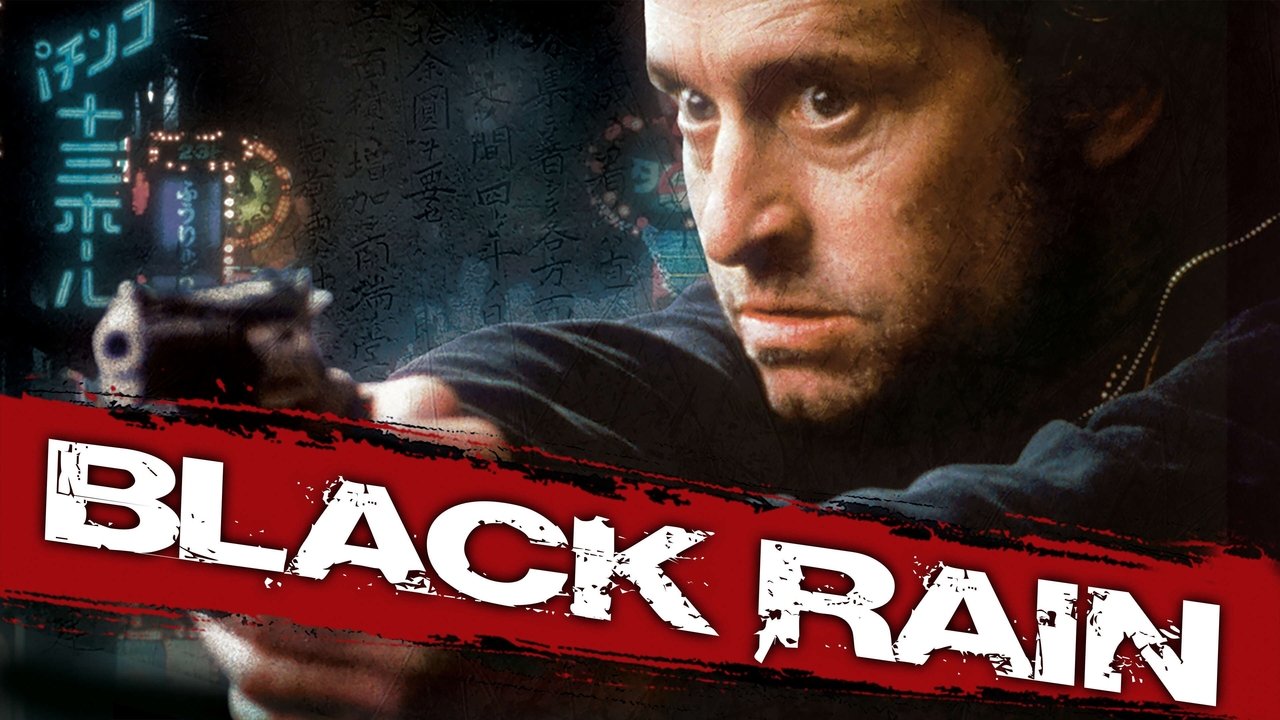
### Scott's Industrial Nightmare
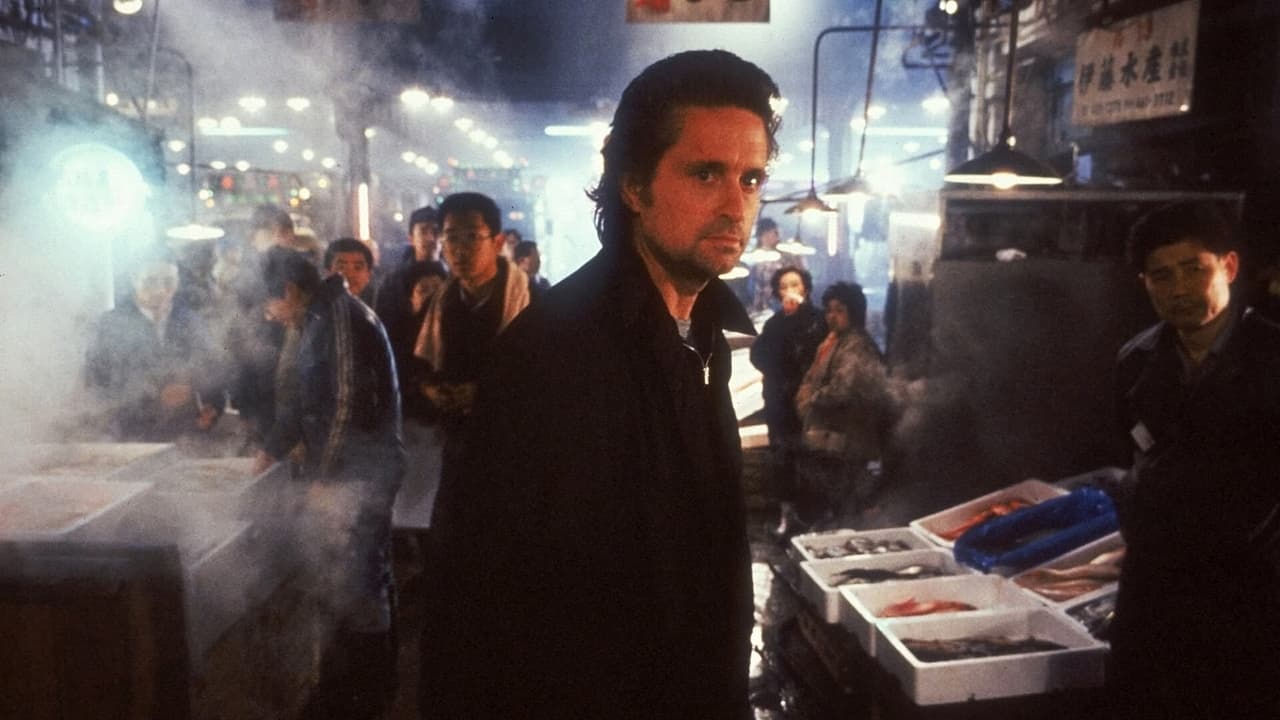
Ridley Scott, already a master of atmospheric world-building after Alien (1979) and Blade Runner (1982), paints Osaka as a mesmerizing, terrifying techno-industrial landscape. Cinematographer Jan de Bont (who would later direct Speed (1994)) captures the city with a distinctive visual flair – steam rising from grates, sparks flying in steel mills, perpetual rain reflecting endless neon. It feels both futuristic and ancient, a place where tradition clashes violently with modernity. You can almost smell the damp concrete and ozone.
The production itself famously mirrored the film's themes of cultural misunderstanding. Scott and his crew faced significant bureaucratic hurdles and resistance while filming on location in Japan. Frustrated by restrictions, Scott reportedly resorted to more guerilla-style shooting for certain scenes, capturing the raw energy of the streets but also increasing tensions. This behind-the-scenes struggle arguably bleeds onto the screen, enhancing the feeling of Nick Conklin as an unwelcome outsider battling forces he doesn't comprehend. It's one of those "dark legends" of filmmaking where the production chaos strangely served the final product. The film's $30 million budget, a hefty sum back then, is visible in every frame, translating into a $134 million global take – proof audiences were captivated by this gritty vision.

### Echoes of Steel and Synthesizers
And then there's the score. Hans Zimmer, just beginning to forge his legendary Hollywood career, delivers an iconic soundtrack that blends electronic synths, haunting Japanese flutes, and percussive power chords. It’s inseparable from the film's identity, driving the action sequences with relentless energy while simultaneously underscoring the sense of isolation and dread. Remember the metallic clang and driving beat kicking in during a chase? It still sends a shiver down the spine, perfectly capturing the film's fusion of Western action tropes and Eastern aesthetics.
While Douglas is magnetic as the ethically compromised anti-hero, and García provides crucial heart, it's Ken Takakura who often steals the show with his understated performance. His 'Mas' is the film's moral anchor, representing a different kind of strength – one rooted in honor and patience. The tragedy surrounding Yusaku Matsuda, who delivered his menacing performance as Sato while secretly battling terminal cancer (passing away shortly after the film's release), adds another layer of sombre weight to the proceedings. His gaunt features and unpredictable intensity make Sato a truly memorable villain.
### Flaws in the Chrome?
Is Black Rain perfect? Not entirely. The plot, when stripped down, is relatively straightforward genre fare. Some might argue its portrayal of Japanese culture leans on stereotypes common in Western films of the era. Nick Conklin’s character arc, while present, feels somewhat abrupt in its resolution. Yet, these criticisms often fade against the sheer force of the film's style and atmosphere. It’s a mood piece as much as a thriller, designed to immerse you in its specific, rain-soaked world.
The action, when it hits, is brutal and impactful. The motorcycle chase remains a standout, and the climactic confrontation feels earned and visceral. There's a hardness to the violence that felt characteristic of late 80s action cinema, pushing boundaries just enough without tipping into outright exploitation. It felt serious on that flickering CRT screen late at night. Doesn't that final, muddy showdown still feel intensely raw?
***
VHS Heaven Rating: 8/10
Justification: Black Rain earns its high marks through Ridley Scott's masterful direction, creating an unforgettable, oppressive atmosphere. The stunning visuals, Hans Zimmer's iconic score, and compelling performances (especially Takakura and Matsuda) elevate a solid thriller script into something far more potent. The cultural clash provides genuine dramatic friction. While the plot isn't revolutionary and some cultural depictions feel dated, the sheer immersive power and stylistic confidence make it a standout of late-80s cinema. The production difficulties in Japan only add to its gritty legend.
Final Thought: More than just a cop movie, Black Rain is a powerful mood piece, a stylish neo-noir drenched in neon and perpetual rain. It perfectly captured a late-80s anxiety about clashing cultures and technological futures, leaving an indelible mark on the action-thriller genre that still feels potent today when you dim the lights and let that iconic score wash over you. It remains a slick, dark, and undeniably cool slice of VHS-era filmmaking.