Okay, fellow tapeheads, gather 'round. Remember digging through those slightly sticky shelves in the 'Cult' or 'Weird Shit We Don't Know Where Else To Put' section of the video store? Sometimes, you’d pull out a box with artwork so baffling, so luridly strange, you just had to take it home. That’s the exact energy surrounding 1989’s Dr. Caligari, a film that shares a title with a silent masterpiece but swaps expressionist shadows for a Day-Glo, psychosexual funhouse nightmare. If you rented this expecting anything remotely like the 1920 original, you were in for one hell of a late-night shock on your flickering CRT.
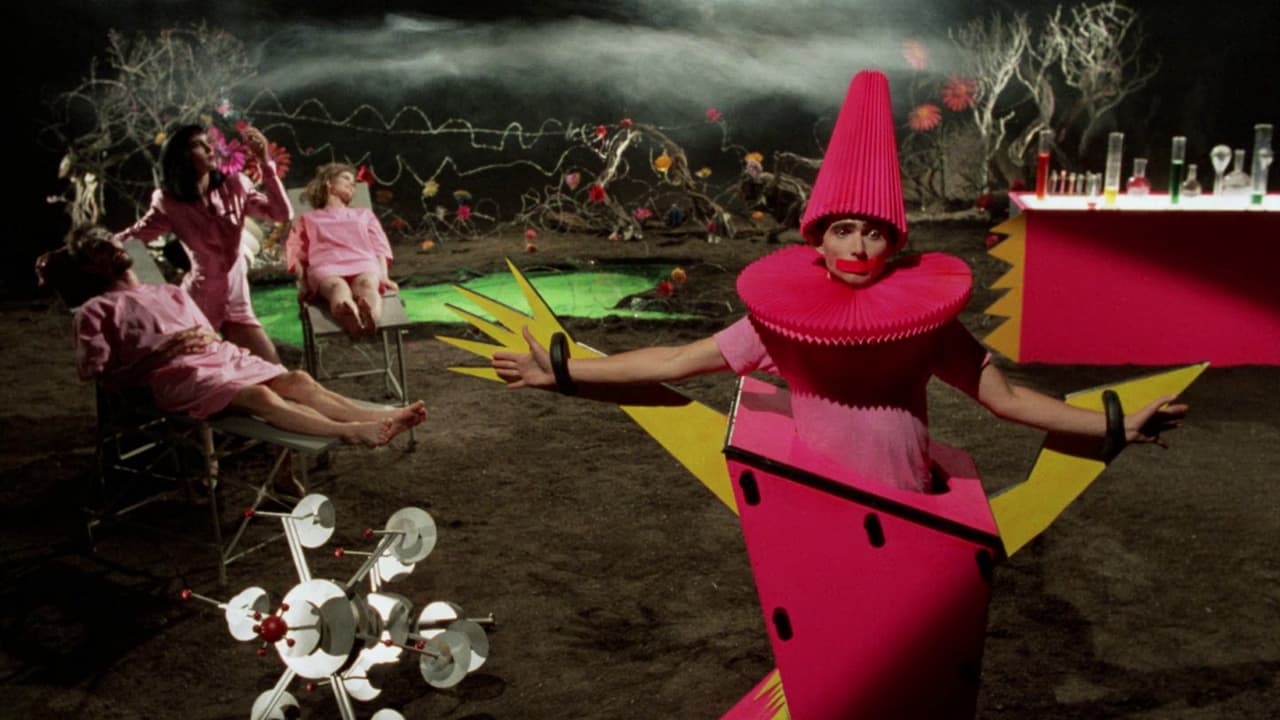
This isn't your grandpa's Caligari. Helmed by Stephen Sayadian (who honed his distinct visual style directing adult films under the pseudonym Rinse Dream) and penned by notorious scribe Jerry Stahl (whose unflinching look at addiction in Permanent Midnight gives you a clue to his sensibilities), this film is less a remake and more a Day-Glo splatter painting of anxieties lobbed directly at the screen. Forget plot in the traditional sense; this is about immersion in a bizarre, unsettling, and often perversely funny world.
Welcome to the C.I.A.
Our ostensible guide is Mrs. Van Houten (Madeleine Reynal), a woman seeking treatment at the Caligari Insane Asylum – cheekily initialed "C.I.A." – run by the original doctor's granddaughter, the severe Dr. Caligari (Laura Albert). Yes, that Laura Albert, who years later would become infamous as the literary persona JT LeRoy – a perfectly surreal piece of trivia for a film this dedicated to fractured identities. Mrs. Van Houten suffers from... well, let's just say an overactive libido and delusions involving cannibalism. She becomes the subject, or perhaps victim, of Dr. Caligari's experimental treatments, aided by her unsettling assistants, played with leering intensity by character actor extraordinaire Fox Harris (instantly recognizable to fans of Repo Man (1984)) and John Durbin.
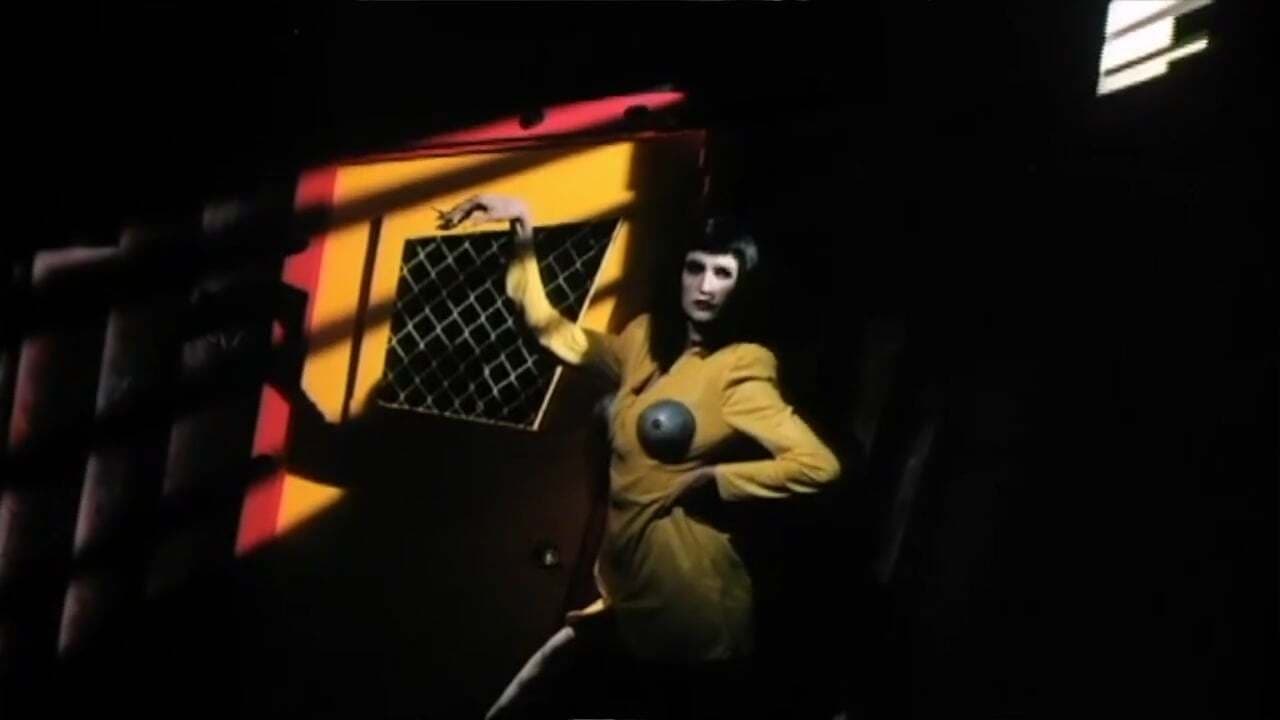
What follows is less a story and more a series of vignettes soaked in Freudian symbolism and bodily obsession. We're talking brain-swapping, hormonal injections, nymphomania, cannibalism, castration anxiety – all filtered through a lens of extreme theatricality and candy-colored aesthetics.
A Practical Kind of Insanity
Forget realistic grit; the "effects" here are all about the look. This film is a masterclass in low-budget, high-concept production design. The sets look like German Expressionism reimagined by Pee-wee Herman's disturbed cousin after a particularly vivid acid trip. Garish pinks, sickly greens, and electric blues dominate environments filled with bizarre furniture, distorted perspectives, and unsettling medical contraptions. It’s pure artifice, proudly proclaiming its constructed nature.

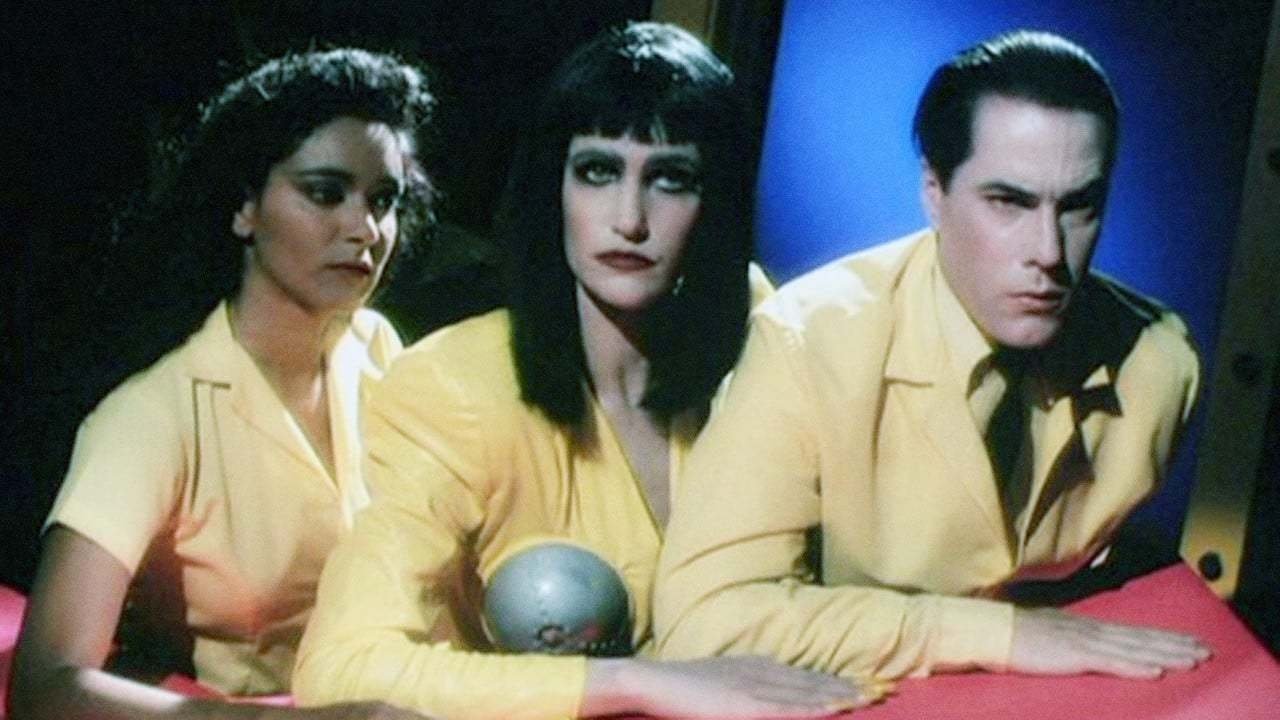
These weren't CGI landscapes dreamt up on a computer; these were real, tangible sets built by hand, designed to provoke and disorient. The costumes are equally outlandish, the makeup often grotesque. Sayadian leverages his background to create a visual language that's simultaneously repulsive and hypnotic. Watching it now, especially thinking back to how it must have looked on a worn-out VHS tape, adds another layer of woozy charm to its deliberate visual assault. There's a tactile quality to its madness that modern digital effects often lack.
Not For the Faint of Heart (or Easily Confused)
Let's be blunt: Dr. Caligari (1989) is wilfully obscure, deeply strange, and absolutely not for everyone. It prioritizes mood, aesthetics, and provocative imagery over narrative coherence. The dialogue, often delivered in a stilted, arch manner, feels like poetry dredged up from a subconscious fever dream. Jerry Stahl's script is packed with transgressive ideas about power, control, mental illness, and the messiness of human desire. It's smart, in its own way, but refuses to hold your hand.
This was never going to be a blockbuster. It landed in the video market as a true oddity, the kind of tape whispered about by adventurous renters. I distinctly remember seeing the box art and feeling a mix of intrigue and vague repulsion – a sign of effective marketing for something this niche! It likely baffled as many viewers as it fascinated, destined for cult status among those who appreciate cinematic extremity and boundary-pushing visuals. Its budget was minuscule (reportedly around $300,000), and it certainly didn't make waves commercially, but its sheer visual audacity cemented its place in the annals of weird cinema.
The Verdict on this Videotape Nightmare
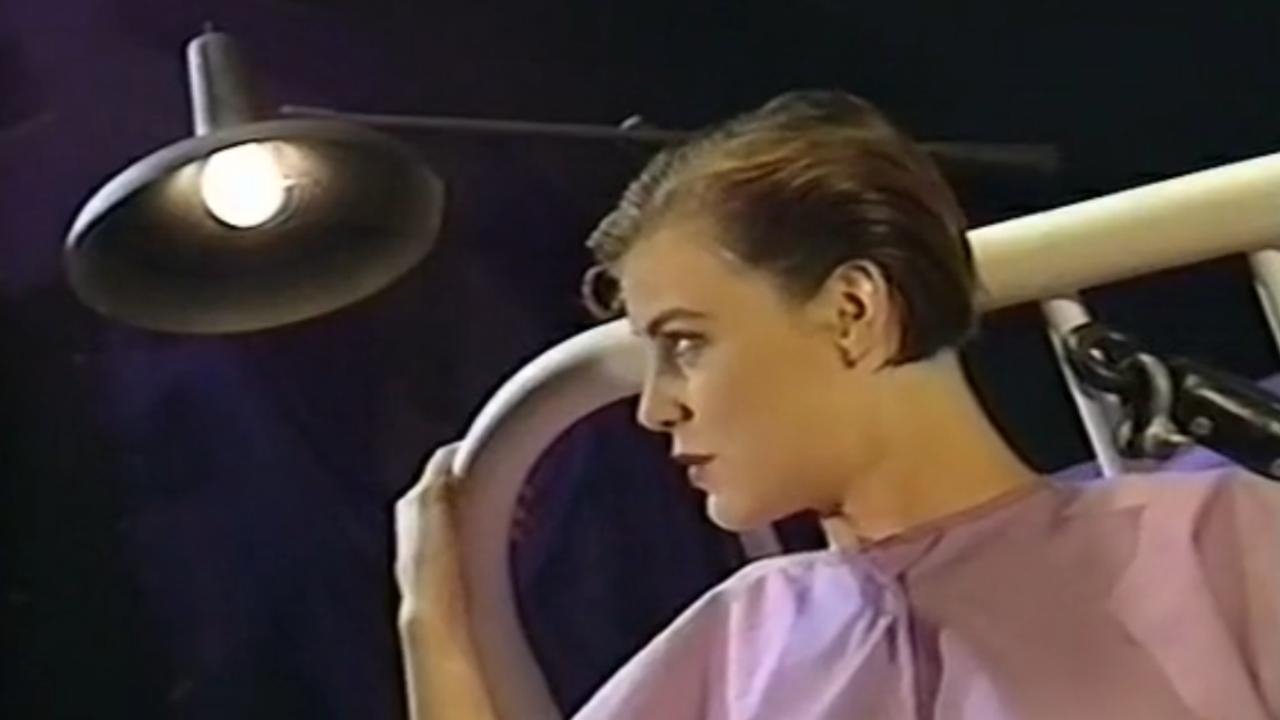
Dr. Caligari (1989) is a challenging artifact. It's repulsive, fascinating, headache-inducing, and weirdly beautiful all at once. It requires patience and a willingness to surrender to its peculiar logic (or lack thereof). The performances are pitched perfectly to the film's heightened reality, especially Fox Harris's unsettling blend of menace and absurdity.
Rating: 6/10
Why the score? It loses points for being deliberately alienating and narratively opaque to the point of frustration at times. However, it gains significant points for its sheer visual invention, its fearless commitment to its bizarre aesthetic, its cult-classic status born from genuine weirdness, and the fascinating pedigree of its creators (Sayadian, Stahl, Albert). It's a unique piece of late-80s arthouse extremity that perfectly encapsulates the strange treasures you could unearth in the pre-internet video wilderness.
Final Thought: Not the Caligari you learned about in film school, but a hypodermic injection of pure, unadulterated VHS-era weirdness that, once seen, is impossible to forget – whether you want to or not. Still potent, still perplexing.