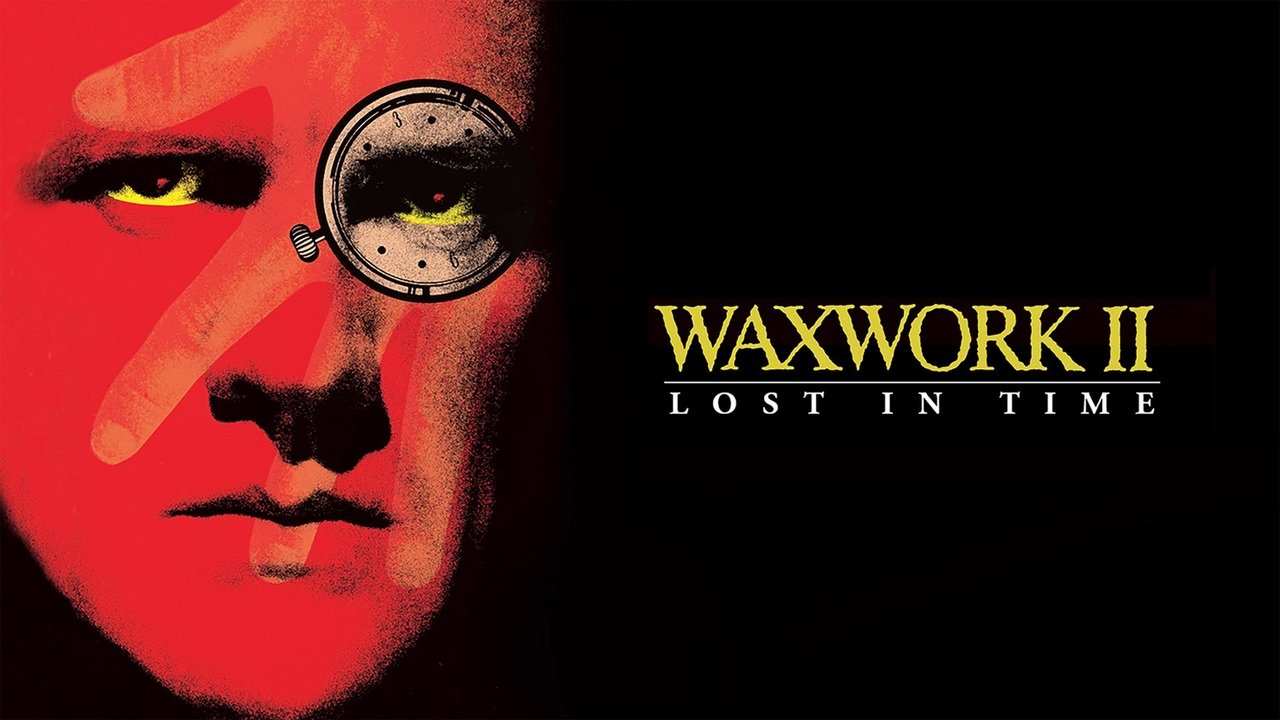
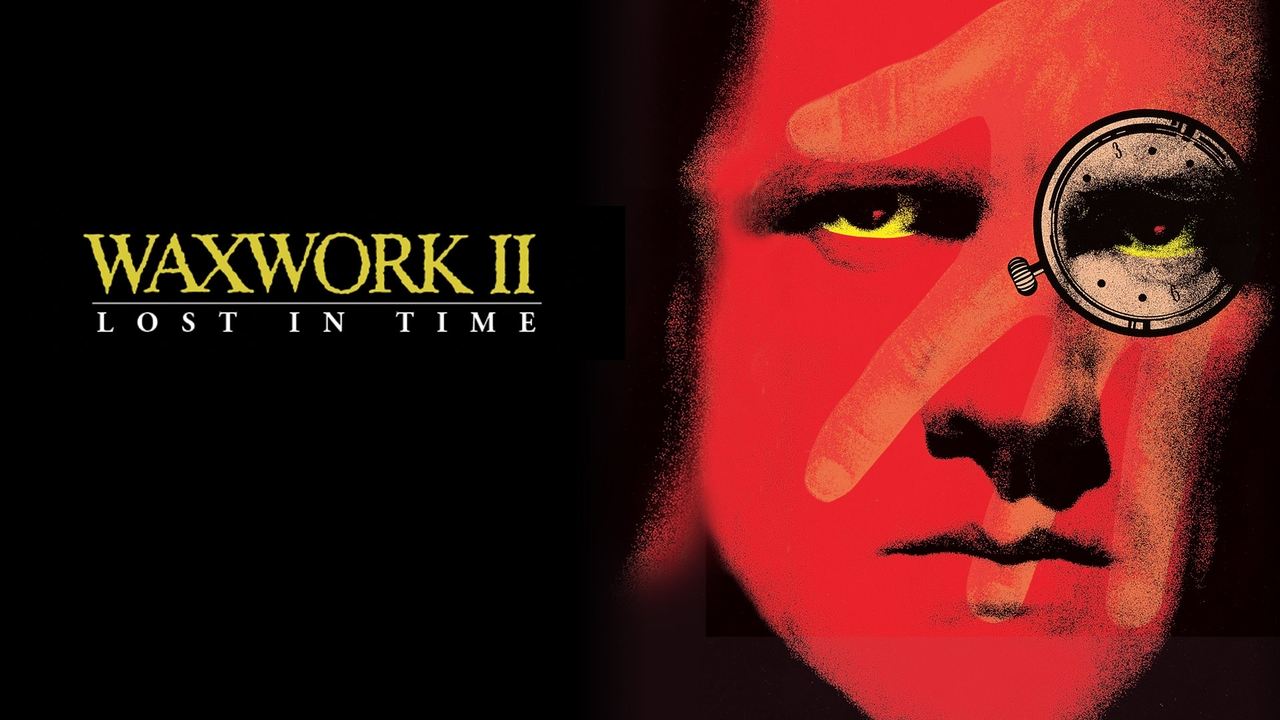
Alright, fellow tapeheads, let's rewind to 1992. You've finished the original Waxwork, maybe even rented it again just to be sure you caught all the ghoulish details. Then, scanning the shelves at Blockbuster (or maybe Suncoast?), you spot it: Waxwork II: Lost in Time. The cover promises more mayhem, more monsters, and maybe even a familiar face or two. What you got was... well, something else entirely. And honestly? That's part of its chaotic charm.
This isn't just a sequel; it's a delirious, genre-bending pinball machine of a movie, bouncing Zach Galligan's Mark and his new leading lady Sarah (played by model Monika Schnarre, stepping in for Deborah Foreman) through cinematic history after the fiery climax of the first film leaves Sarah needing evidence to clear her name for murder. Oh, and there’s that pesky severed hand from the waxwork that survived the blaze, now skittering about causing trouble. It’s a premise that feels like it was cooked up late one night after too much pizza and a stack of unrelated VHS tapes, and I mean that as a compliment.
### Plunging Through Movie Dimensions
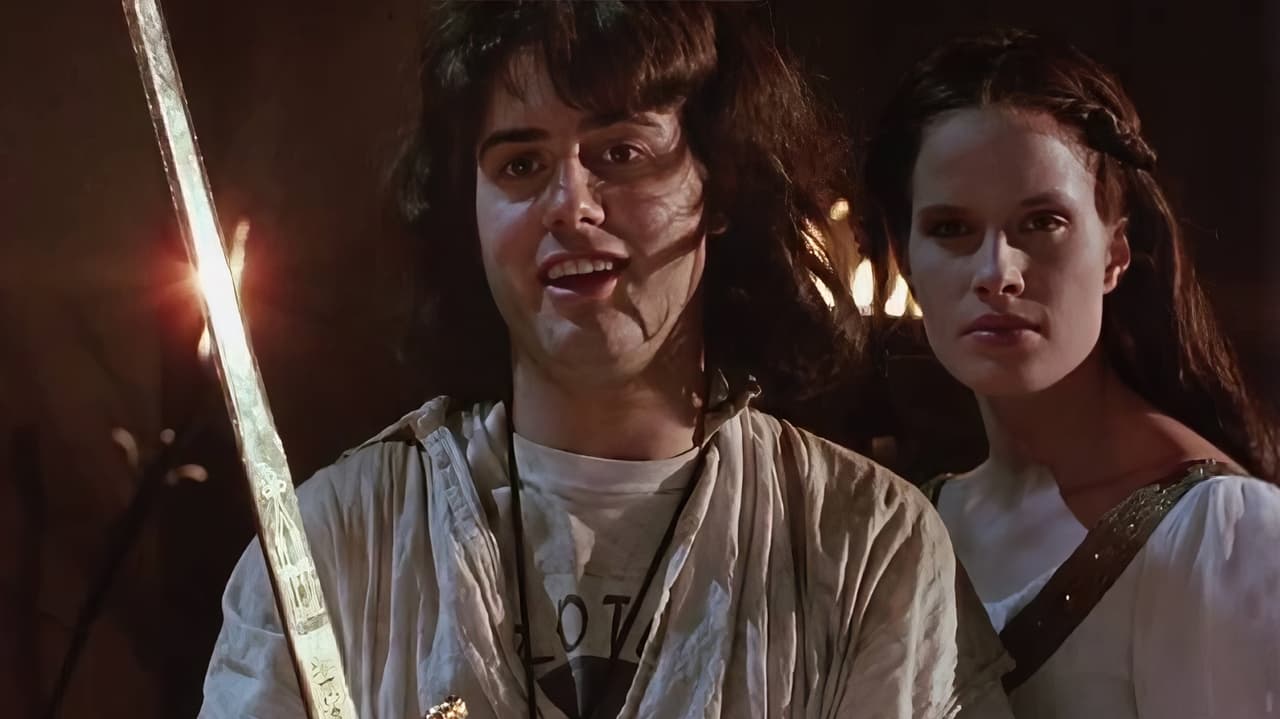
The genius – or madness – of Waxwork II lies in its central conceit. Instead of different wax displays, Mark and Sarah stumble through portals into famous movie types – a black-and-white haunted house picture, an Alien-esque spaceship hunt, a medieval sword-and-sorcery epic, even a brief detour into a Jack the Ripper scenario. Director Anthony Hickox, returning from the first film and clearly energized (he also penned this wild script, reportedly very quickly after the original distributor Vestron went under and Live Entertainment picked it up), throws everything at the screen. Remember Hickox? He gave us other cult favorites like Sundown: The Vampire in Retreat (1989) and Hellraiser III: Hell on Earth (1992) around the same time. His style is often characterized by a kinetic energy, a willingness to blend horror and humor, and a clear love for practical effects, all abundant here.
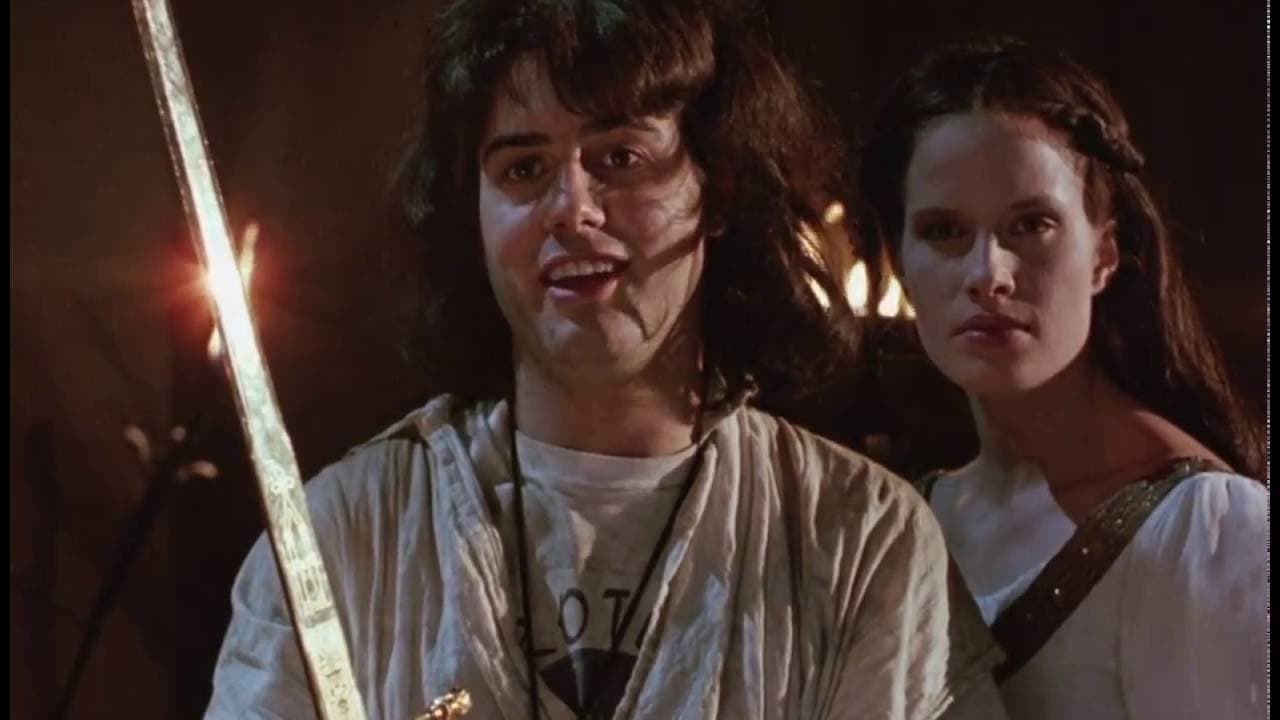
This dimension-hopping structure makes the film feel less like a cohesive narrative and more like an anthology connected by our increasingly bewildered protagonists. One minute they're dealing with gothic ghosts in grainy monochrome, the next they're dodging facehugger-inspired creatures in dimly lit corridors. It’s jarring, uneven, and frankly, kind of brilliant in its audacity. You never knew what kind of movie you were going to get slapped with next, which kept things lively, even if the plot felt like it was held together with duct tape and wishful thinking.
### Practical Magic and Cameo Chaos
Let’s talk effects. This was the early 90s, right on the cusp of the CGI revolution, but Waxwork II revels in the tangible. The creature designs, particularly in the sci-fi sequence, are gooey, physical creations. The sword fights feel clunky but real – you see the actors swinging those props. And that crawling hand? Pure stop-motion and puppetry goodness that, while maybe not seamless by today's standards, had a quirky, creepy physicality that digital effects often lack. It felt made, you know? You could almost picture the effects team wrestling with latex and wires just off-camera.
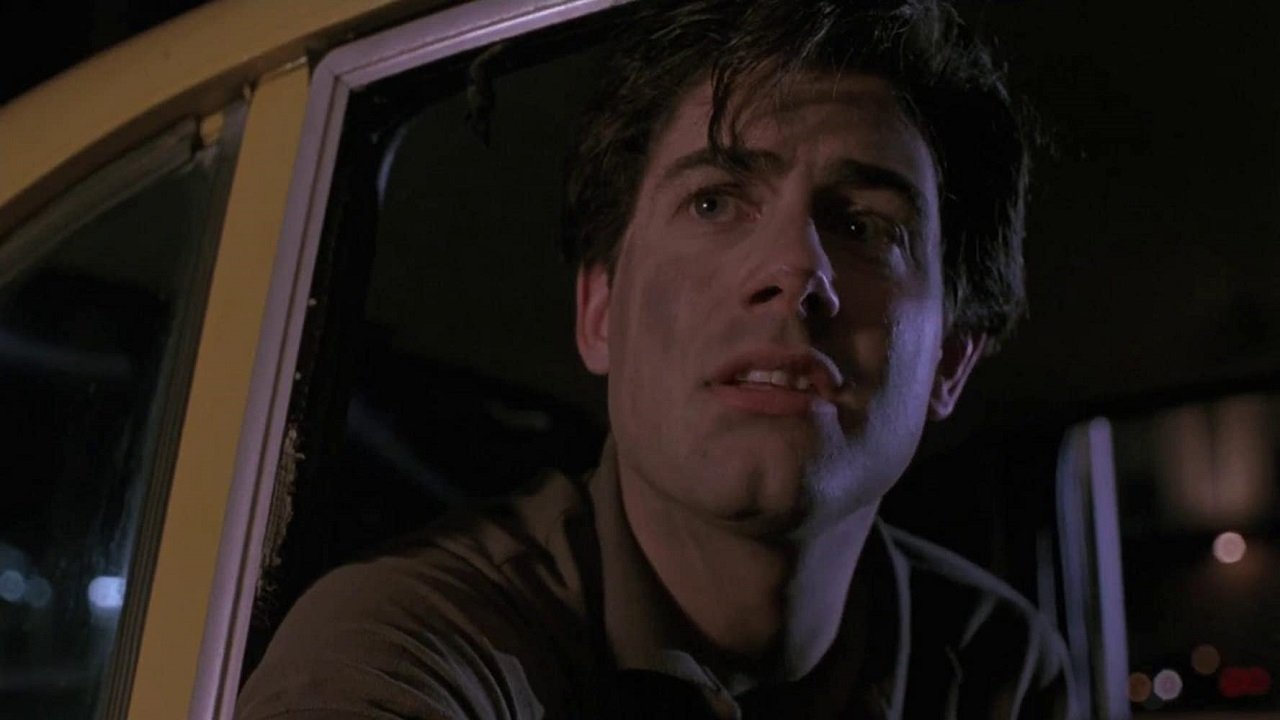
The film is also peppered with familiar faces seemingly having a blast. The legendary Patrick Macnee (The Avengers) briefly reprises his role as Sir Wilfred from the first film, linking the chaos back. But the real treat for genre fans is the extended cameo by none other than Bruce Campbell. Fresh off (or perhaps concurrently filming) Army of Darkness, Campbell pops up as a paranormal investigator in the haunted house segment, delivering his lines with that trademark swagger. Rumor has it he was filming nearby and Hickox managed to snag him for a few days – a fantastic get that adds serious cult cred. Even Alexander Godunov, the imposing terrorist from Die Hard (1988), shows up as the villainous Scarabis, clearly enjoying chewing the scenery.
### A Lovable Mess?
Was Waxwork II a box office smash? Not really. It primarily found its audience, like so many genre gems of the era, on home video. Critics were likely baffled by its tonal shifts and narrative leaps. But for those of us who appreciated its go-for-broke attitude and its unabashed love for cinematic tropes, it was a blast. Zach Galligan, forever beloved as Billy from Gremlins (1984), plays the exasperated hero well, grounding the absurdity slightly. Monika Schnarre holds her own as the damsel-in-distress-turned-capable-survivor.
It's not high art, folks. The pacing is erratic, some segments work better than others (the Alien riff is particularly fun), and the plot logic often takes a backseat to the next set piece. Yet, there's an infectious enthusiasm to it all. Hickox wasn't just making a sequel; he was throwing a party celebrating all the kinds of movies he loved, using the Waxwork framework as a wildly flexible excuse. It felt less constrained than the first film, even if the budget might have been tighter in places.
Rating: 6.5 / 10
Justification: While undeniably messy, inconsistent, and often nonsensical, Waxwork II: Lost in Time earns points for sheer, unadulterated ambition and fun. The practical effects have a certain charm, the genre-hopping keeps things unpredictable, and the cameos are delightful. It lacks the tighter focus of the original but compensates with a chaotic, "anything goes" energy that’s pure early 90s video store fodder. It won't win awards for storytelling, but it delivers B-movie entertainment with infectious glee.
Final Thought: It’s the cinematic equivalent of channel surfing during a sugar rush – disjointed, bizarre, but oddly compelling and a perfect snapshot of a time when sequels could afford to get really weird on the way to the video shelf. Definitely worth digging out of the tape bin for a nostalgic spin.