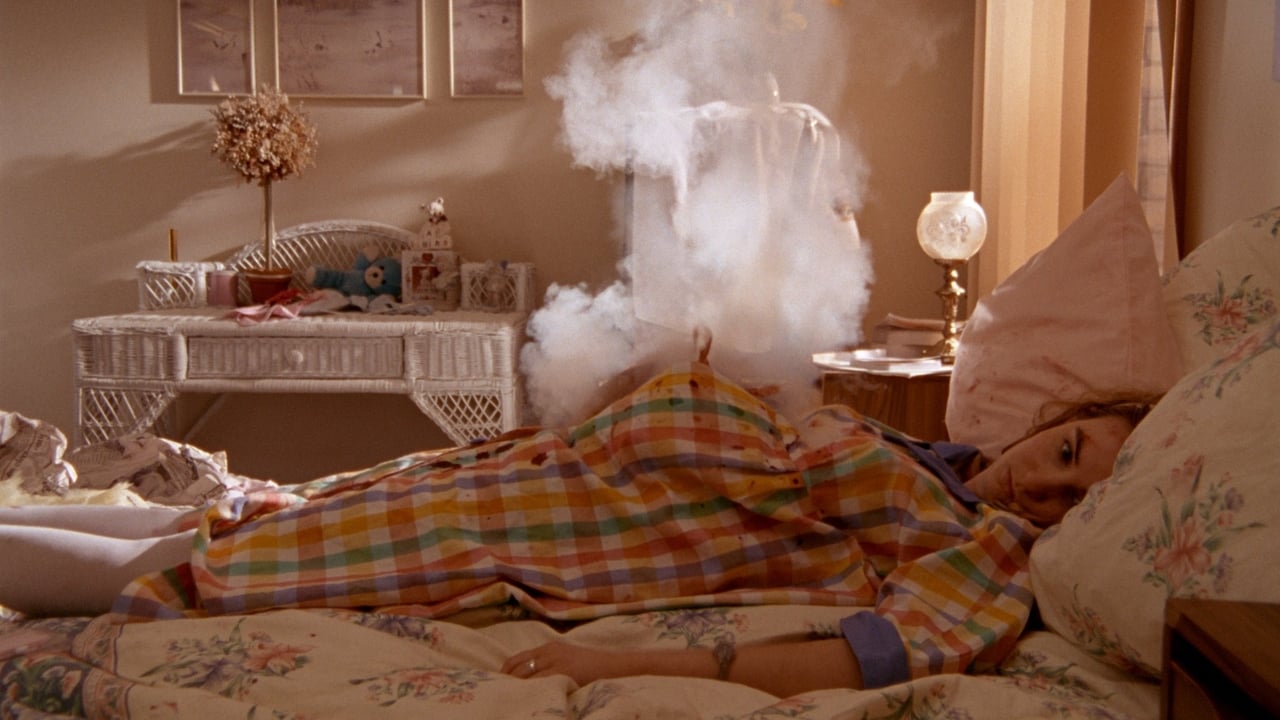
The fluorescent lights of the Pebbles Court cul-de-sac hum with a sickly promise, mirroring the lurid green glow emanating from the Vimuville health supplements being tested on its unsuspecting residents. Body Melt (1994) doesn't creep up on you; it throws you headfirst into a suburban nightmare where the pursuit of peak physical health spirals into a phantasmagoria of biological disintegration. Forget jump scares – this is the kind of film that makes your own skin crawl, that leaves a phantom itch long after the tape ejects and the static fills the screen.
Suburbia’s Slimy Underbelly
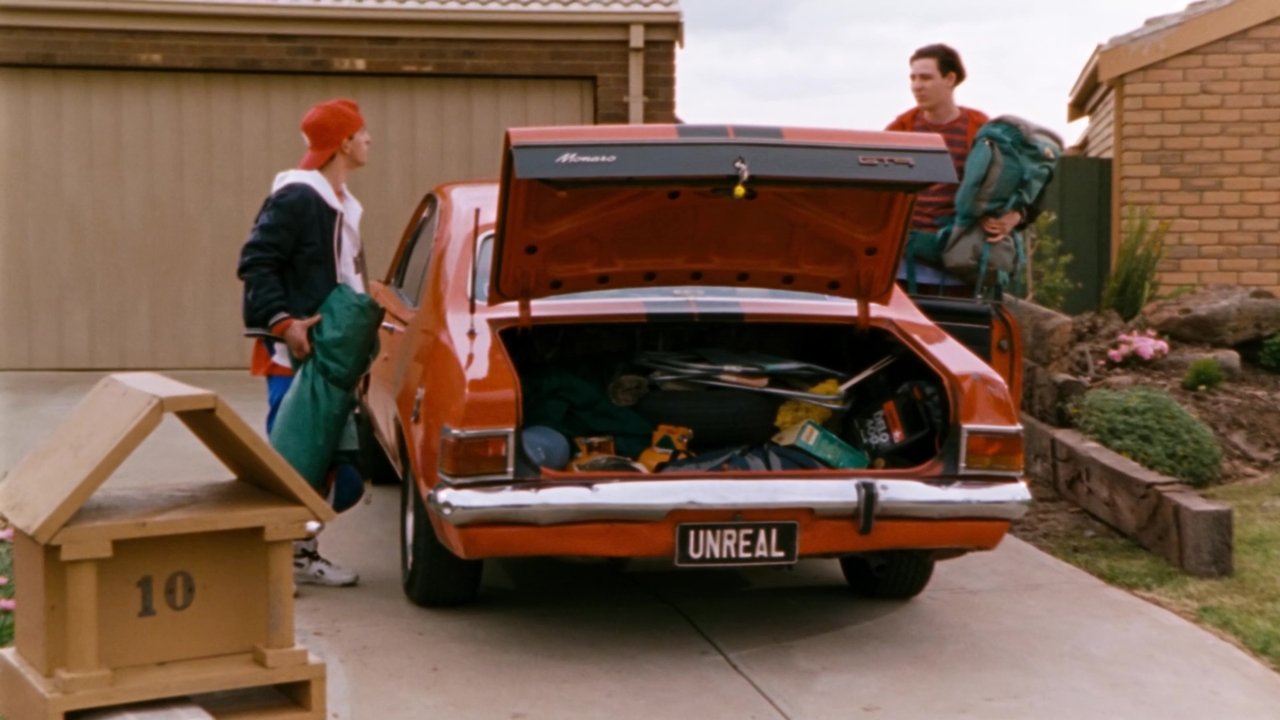
Director Philip Brophy, known perhaps more widely in academic and music circles for his work on sound design and film theory than for helming features, crafts something truly unique here. Body Melt isn't just gore for gore's sake, though believe me, there's plenty of that. It’s a razor-sharp, albeit grotesquely rendered, satire of the burgeoning health and wellness craze of the early 90s, transplanted into the sun-drenched, yet unnervingly sterile, environment of Australian suburbia. The setting itself becomes a character – these pristine homes and manicured lawns are the perfect, almost aggressively bland, backdrop for the utter physiological chaos about to erupt. It taps into that peculiar dread of hidden sickness lurking beneath a veneer of normalcy.
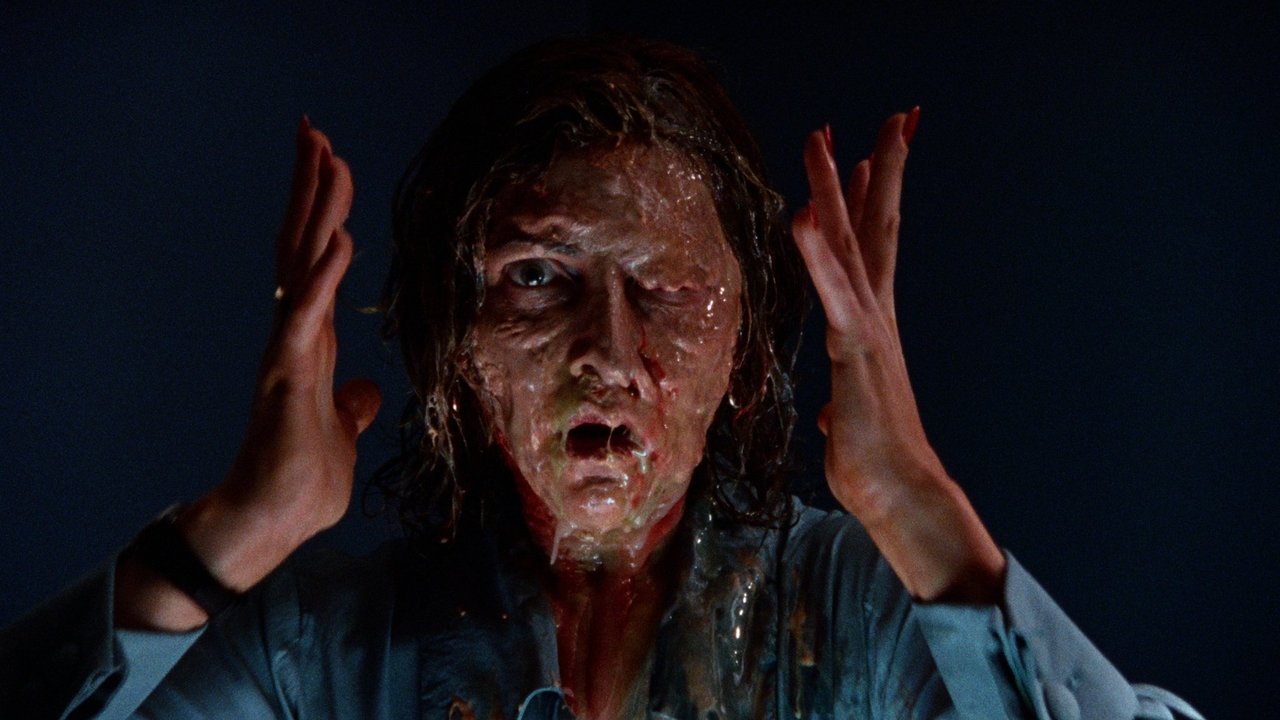
The plot, fragmented and episodic, follows several families in this doomed housing development who've received free samples of Vimuville's experimental vitamins. The results are... explosive. And I mean that quite literally. Brophy, co-writing with Rod Bishop, doesn't shy away from the repulsive, serving up a smorgasbord of body horror that feels both outrageously inventive and deeply unsettling. We witness mutations, hallucinations, exploding appendages, glandular excretions that defy description, and, yes, the titular melting. Remember the sheer, unadulterated weirdness of discovering films like this on VHS? That feeling of uncovering forbidden knowledge? Body Melt delivers that sensation in spades.
Gooey Grandeur and Familiar Faces
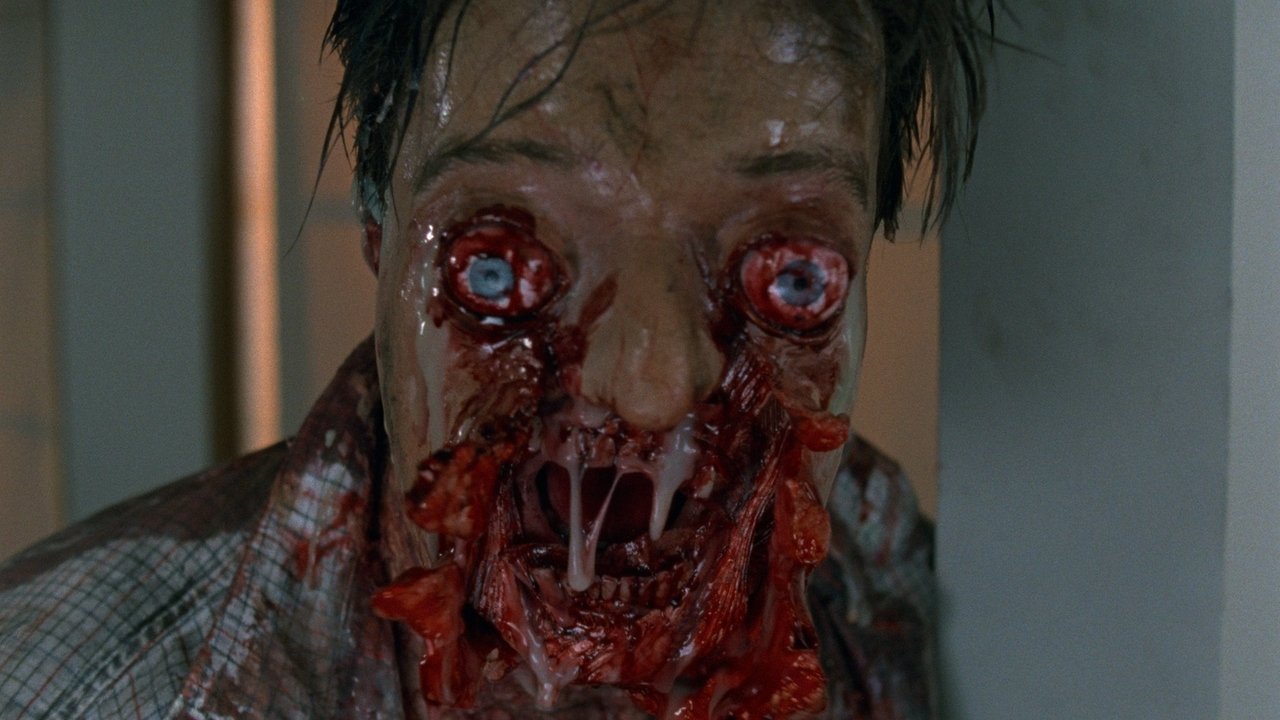
For fans of practical effects, Body Melt is a treasure trove of slimy, pulsating, stomach-churning artistry. Working within the constraints likely typical of Australian genre filmmaking of the era (often referred to as Ozploitation), the effects team delivers sequences that remain shockingly effective. The infamous "exploding penis" scene, the pulsating placental matter, the ropes of thick mucus – they possess a tangible, visceral quality that CGI rarely achieves. There's a certain Cronenbergian influence, perhaps filtered through the more anarchic lens of early Peter Jackson (Bad Taste (1987), Braindead (1992), released in the US as Dead Alive). Did any practical effect from that era feel more disturbingly wet than the horrors unfolding in Pebbles Court?
Adding another layer of unsettling dissonance is the casting. Brophy populates his nightmare cul-de-sac with familiar faces from Australian television. Seeing Gerard Kennedy, a respected veteran actor, or Andrew Daddo, then a popular VJ and TV host, or especially Ian Smith – beloved for decades as the gentle Harold Bishop in the soap opera Neighbours – subjected to (or perpetrating) such biological atrocities adds a surreal, almost taboo-breaking quality. It’s stunt casting elevated to an art form, using the audience's preconceived notions of these actors to heighten the shock and unease. Smith’s transformation is particularly memorable, a far cry from Ramsay Street. This intentional jarring use of known personalities was a bold move, amplifying the film’s critique of superficial suburban life.

A Cult Contagion
Body Melt wasn't a mainstream breakout, but it quickly found its audience on the festival circuit and, crucially for us here at VHS Heaven, on home video. It became one of those tapes passed around between gorehounds, whispered about for its sheer audacity. Brophy’s background in sound design is evident; the score and sound effects are as crucial to the atmosphere as the visuals, creating a sickly soundscape that complements the bodily breakdowns. It's a film that commits fully to its disgusting premise, never flinching or apologising. While some might find the episodic structure uneven or the characters underdeveloped beyond their horrific fates, the sheer force of its central concept and the gleeful execution of its practical effects are undeniable. It’s said that some viewers at early screenings genuinely felt nauseous – a testament, perhaps, to its effectiveness.
The film's tagline remains iconic: "The first phase is hallucinogenic... the second phase is glandular... the third phase is... Body Melt!" It perfectly encapsulates the escalating dread and the film's singular focus. It’s not subtle, it’s not particularly deep, but it is relentlessly, repulsively itself.
Rating: 7/10
This score reflects Body Melt's standing as a high-water mark in Ozploitation body horror. It delivers precisely the extreme, effects-driven spectacle it promises, wrapped in a surprisingly sharp satirical package. While its narrative structure is loose and characterisation thin, the sheer audacity of its premise, the unforgettable practical effects, and the perfectly unsettling use of its cast make it a must-see for dedicated genre fans. It achieves its grotesque goals with flying colours (mostly greens and yellows, mind you).
Body Melt remains a potent, pustulent little pill – a reminder of a time when genre cinema, particularly from Down Under, wasn't afraid to push boundaries, gross viewers out, and maybe even make them think twice about that new miracle supplement. It’s a truly unique strain of cinematic sickness that, once experienced, is hard to flush from your system.