## A Silent Majesty, A Shared Journey
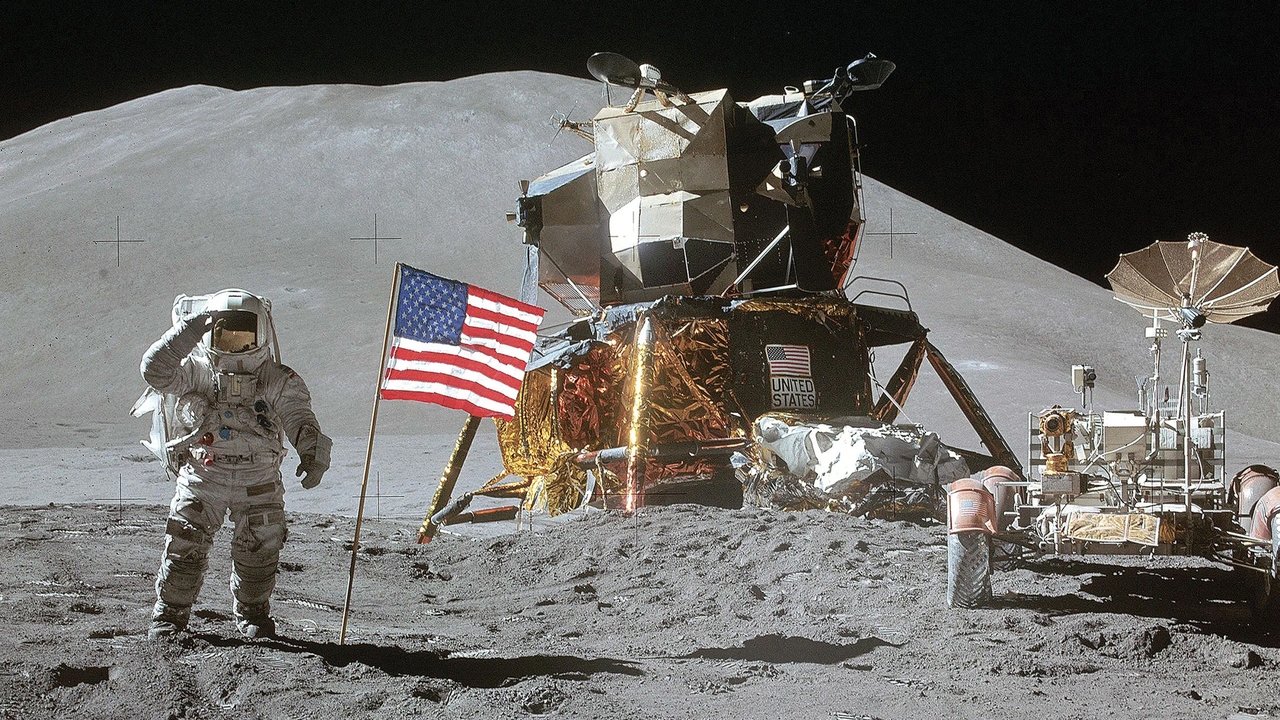
There’s a quiet power to certain images, isn't there? Think of the Earth, hanging like a blue marble against the infinite black, seen not from a textbook diagram, but through the gently rocking window of a spacecraft. This is the image, the feeling, that lingers long after the tape clicks off for Al Reinert's extraordinary 1989 documentary, For All Mankind. It doesn't shout its importance; it presents the monumental achievement of the Apollo missions with a kind of hushed reverence, letting the sheer scale and the quiet humanity of the endeavor speak for itself. Watching it again now, decades later, it feels less like a history lesson and more like rediscovering a shared dream.
More Than Just Footage
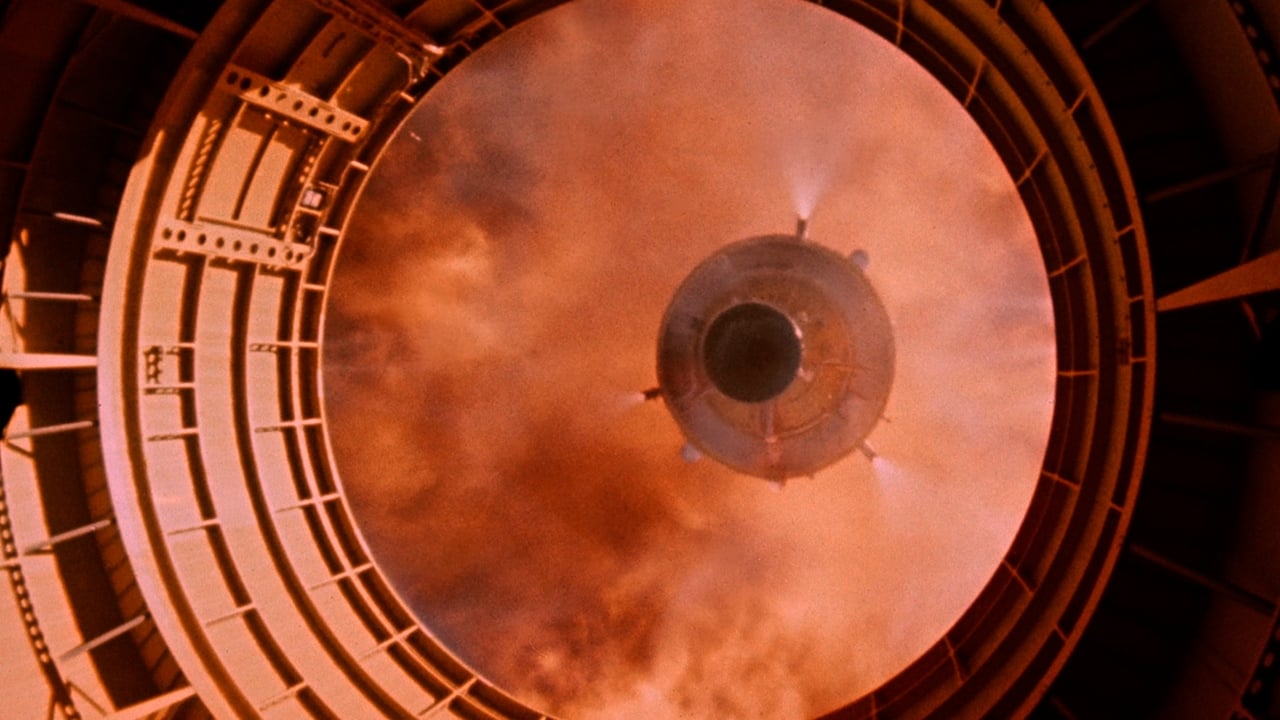
What Al Reinert, who both directed and painstakingly assembled the film, achieved here is something quite remarkable. He wasn't just compiling highlight reels from NASA's archives – though the visuals themselves, pulled from missions Apollo 8 through 17, are often breathtakingly beautiful, even viewed through the familiar fuzz of a well-loved VHS tape. Reinert spent years sifting through an estimated six million feet of 16mm footage, much of it unseen by the public. His genius lay in weaving these disparate moments, captured across multiple missions, into a single, cohesive narrative arc: launch, journey, lunar exploration, return.
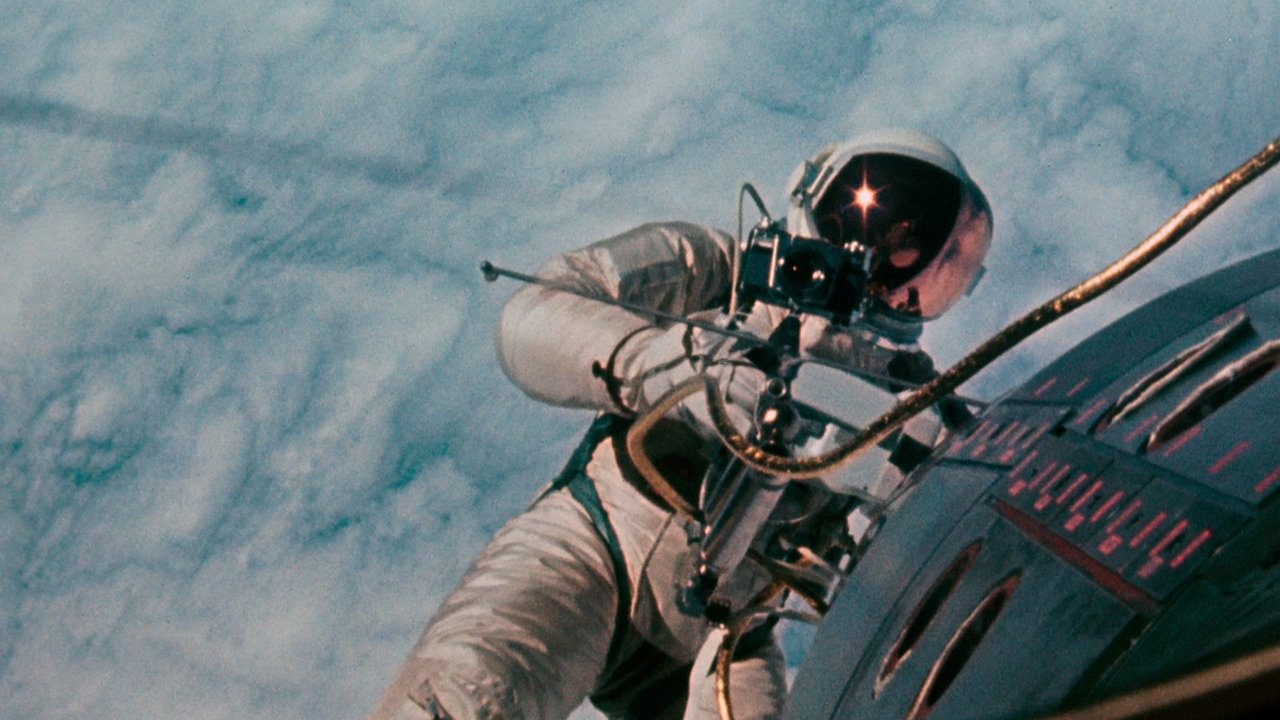
Crucially, the narration isn't a detached, authoritative voiceover. Instead, Reinert used audio recordings from the astronauts themselves – candid, often humorous, sometimes profoundly moving comments made during the missions. But here’s the clever part: the voices aren't identified with specific missions or individuals (though space buffs might recognise Neil Armstrong, Buzz Aldrin, or Michael Collins among the 13 astronaut voices featured). They blend together, creating a collective voice, the voice of mankind undertaking this incredible voyage. It transforms the film from a chronicle of specific events into a more universal, almost poetic reflection on human aspiration and exploration.
The Human Element in the Void
It's this focus on the human experience that elevates For All Mankind beyond a mere technical showcase. We see the grandeur – the lunar rover kicking up dust, the Earthrise sequence that still induces goosebumps – but we also hear the astronauts dealing with mundane realities, cracking jokes, expressing awe in simple, unscripted ways. There's a moment listening to music ("Mother Country" by John Stewart is used memorably) or the simple delight in bouncing across the lunar surface. These touches ground the colossal achievement in relatable humanity. What must it have truly felt like, floating weightless, looking back at everything you've ever known suspended in the darkness? Reinert's film gets us closer to that feeling than perhaps any other.

Retro Fun Facts
- Al Reinert originally conceived the film in the late 70s but faced numerous funding and access hurdles. It took nearly a decade to bring his vision to fruition.
- The film's ethereal, ambient soundtrack was composed by Brian Eno, with contributions from his brother Roger Eno and Daniel Lanois. It's almost impossible to imagine the film without this score; it perfectly complements the visuals, adding layers of wonder and introspection without ever becoming intrusive. It’s a masterclass in atmospheric scoring.
- While nominated for the Academy Award for Best Documentary Feature, it famously lost to Common Threads: Stories from the Quilt. Still, its influence on subsequent space documentaries is undeniable.
- Reinert intentionally avoided using much of the famous, oft-repeated footage (like Armstrong's first step), opting instead for fresher perspectives that emphasized the astronauts' personal experiences and the raw beauty of space.
Atmosphere Over Exposition
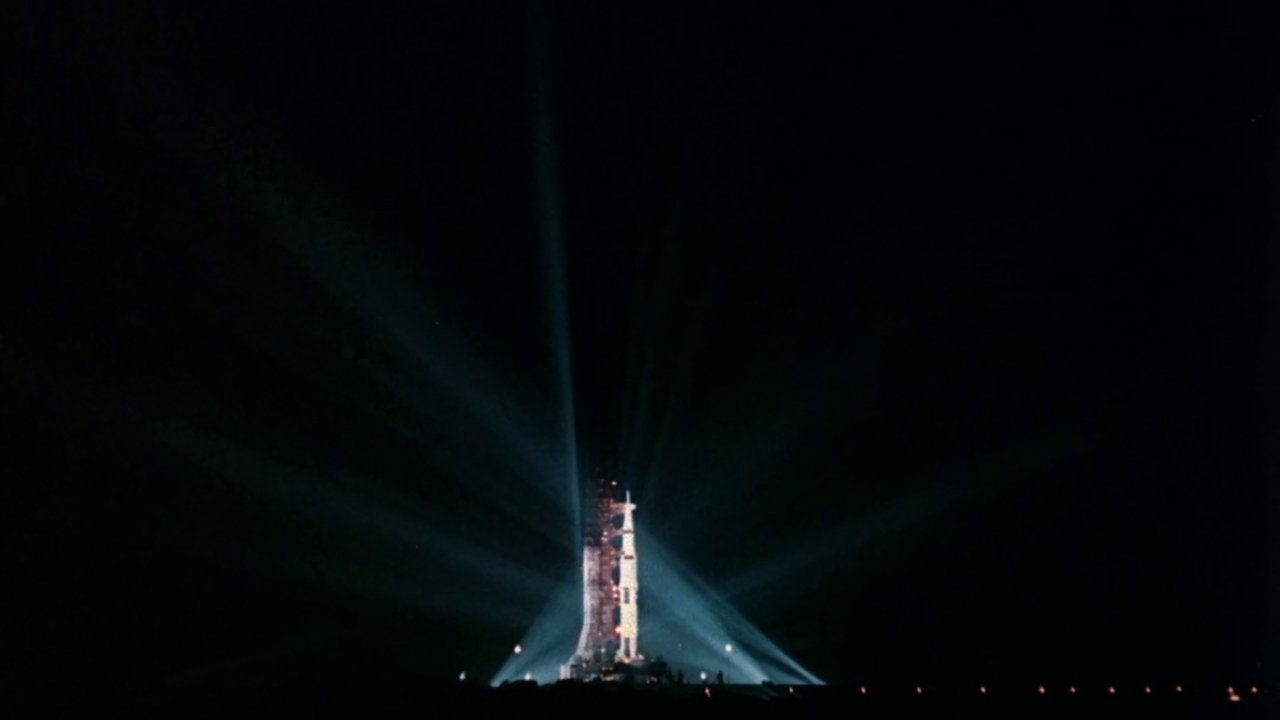
For All Mankind trusts its audience. It doesn't bombard you with dates, names, and mission objectives. The context is implied, understood through the visuals and the astronauts' own words. The result is immersive. You feel like you're there, sharing in the quiet moments between checklist procedures, witnessing sights no human had seen before. It captures the strange mix of cutting-edge technology and almost childlike wonder that defined the era of lunar exploration. Watching it on VHS, perhaps on a chunky CRT set back in the day, added another layer – the slightly degraded image quality almost echoing the sometimes-grainy transmissions we saw on the news decades earlier, paradoxically enhancing the sense of authenticity. I remember renting this one, probably from a dusty shelf in the back of the 'Documentary' section, and being utterly captivated by its unique, almost meditative approach.
Lasting Resonance
Does the film hold up? Absolutely. Its focus on visual poetry and human reflection makes it timeless. The technology has advanced, but the fundamental questions about our place in the universe and the drive to explore remain. Reinert crafted something more akin to a visual symphony than a standard documentary, a piece that invites contemplation rather than just conveying information. It’s a reminder of a time when humanity collectively reached for the stars, captured not just the achievement, but the soul of the journey.
Rating: 9/10
This score reflects the film's masterful editing, its profound emotional resonance achieved through subtle means, the perfect synergy of image and Brian Eno's score, and its unique approach to documentary filmmaking. It successfully transforms historical footage into a poetic, universal experience. It only narrowly misses a perfect score perhaps because its deliberately non-linear, anonymous voiceover style might leave viewers craving slightly more specific context at times, but this is intrinsic to its artistic strength.
It leaves you gazing, not just at the screen, but perhaps up at the night sky, pondering that silent majesty and the audacious journeys we're capable of when we dare to look beyond our world. What a stunning testament to collective human endeavor.